The Wild Sage logo
The Wild Sage Logo

Herbal Medicine at your fingertips

Comprehensive database of herbal remedies with detailed safety information and traditional uses

New to herbal terms? Read the glossary →

ADHD
Abcess
Acid Reflux Relief
Acinetobacter
Acne
Acne Vulgaris
Addisons
Adenomyosis
Adenovirus
Adrenal fatigue
Aging
Aids
Alcaligenes faecalis
Alcoholism
Allergic Rhinitis
Allergies
Allergy
Alopoecia
Alopoecia nervosa
Alzheimer's, Dementia & Cognitive Decline
420 herbs found
Important: This information is for educational purposes only. Always consult with qualified healthcare professionals before using herbal remedies, especially if you have existing health conditions or take medications.
Catuaba

Catuaba

Erythroxylum catuaba

low risk Risk
Erythroxylaceae
Warming and Stimulating.
<p>Catuaba, derived from the bark of the Erythroxylum catuaba tree found primarily in the lush Amazon rainforest, has a rich history of traditional usage among indigenous Brazilian tribes. For centuries, Catuaba has been revered for its stimulating properties and is often referred to as a natural aphrodisiac. Traditionally used in herbal remedies, it has played a significant role in enhancing libido and sexual function, as well as promoting overall vitality and well-being. The preparation typically involves making a tea from the bark, which is believed to unlock the body’s innate energy and promote a sense of emotional and physical balance. The key therapeutic properties of Catuaba extend beyond its renowned aphrodisiac effects. It is recognized for its invigorating impact on the central nervous system (CNS), enhancing mental clarity and focus. Several studies suggest that Catuaba contains alkaloids such as catuabine A, B, and C, which may contribute to increased arousal and sexual satisfaction, while simultaneously exerting a modulating effect on androgen levels in the body. This unique combination of actions fosters not only an enhancement of sexual desire but also a psychological fascination with sex, making it a holistic option for individuals seeking to enrich their intimate lives and overall mental health. Catuaba works by stimulating the production of neurotransmitters associated with stimulation and arousal, thus engaging the body’s natural response to sexual stimuli. Additionally, by acting as an androgen inhibitor, Catuaba can help regulate hormonal balance, potentially benefiting those experiencing symptoms of androgen dominance or decline. This dual action allows users to experience a revitalization of both body and mind, aligning physical desire with emotional well-being. With its centuries-old heritage and modern relevance, Catuaba stands out as an intriguing herbal ally for those looking to enhance their vitality and forge deeper connections in their intimate lives.</p>

Uses & Conditions

Libido Enhancement
Sexual Function Support
Mental Clarity
Focus Improvement
Emotional Balance
Physical Vitality
Mood Enhancement
Energy Enhancement
Erectile Dysfunction
Male Pattern Baldness

Actions

Aphrodisiac
CNS Stimulant
Androgen Inhibitor

Parts Used

Stem bark

Native Countries

Brazil
Peru
Colombia
Venezuela

USDA Hardiness Zones

9
10
11

Contraindications

  • Pregnancy and breastfeeding due to lack of safety data
  • Individuals with a history of cardiac arrhythmias or high blood pressure
  • Pre-operative phase: avoid for at least two weeks prior to surgery due to potential cardiovascular stimulation
  • Children and adolescents under 18 years of age

Potential Side Effects

  • Occasional mild headache
  • Dizziness or light-headedness in sensitive individuals
  • Increased heart rate or palpitations
  • Gastrointestinal upset if taken on an empty stomach

Interactions

  • Antidepressants (specifically SSRIs or MAOIs): potential for additive effects on neurotransmitter levels
  • Stimulant medications: may increase cardiac workload or restlessness
  • Antihypertensives: theoretical risk of interaction due to cardiovascular influence

Dosages, tincture ratios & research — members only

Unlock Garreth's dosing guidance, tincture ratios, the dosage calculator and the research studies for Catuaba.

Your assessment and results stay saved — upgrading only unlocks more of them.

See membership plans

Community Photos

No community photos yet. Sign in to upload photos.

Reviews & Ratings

Sign in to leave a review.

No reviews yet. Be the first!

GF

Garreth Falls — B.Th., Dip. H.M., MNIMH

Content curated and reviewed by Garreth Falls, Consultant Medical Herbalist · The Wild Sage

Medical Disclaimer: This information is for educational purposes only and is not intended as medical advice. Always consult with qualified healthcare professionals before starting any herbal treatment.
Western tradition

Sustainability & quality

At risk

Often confused with other species; verify botanical identity and source from ethical collectors.

Key constituents

1. Key Constituents:, - Alkaloids, - Flavonoids, - Tannins, 2. Other Constituents Known About the Plant:, - Essential oils, - Glycosides, 3.

References

  1. Herbal Reality. Herb monographs. herbalreality.com

Reviewed by Garreth, Medical Herbalist (MNIMH) · October 2026

Related conditions

Explore conditions where Catuaba is traditionally used.

Related Herbs
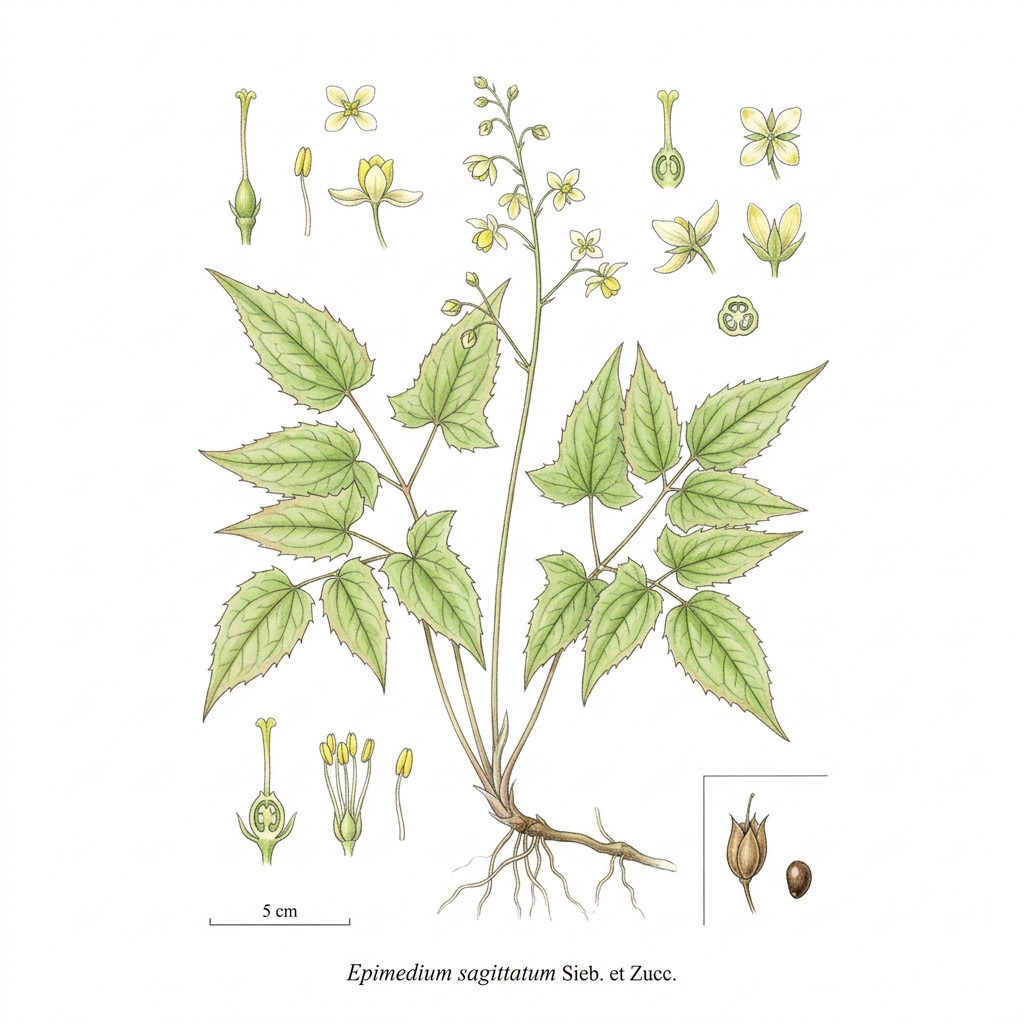
Horny Goat Weed

Horny Goat Weed

Epimedium saggitatum

Libido Enhancement
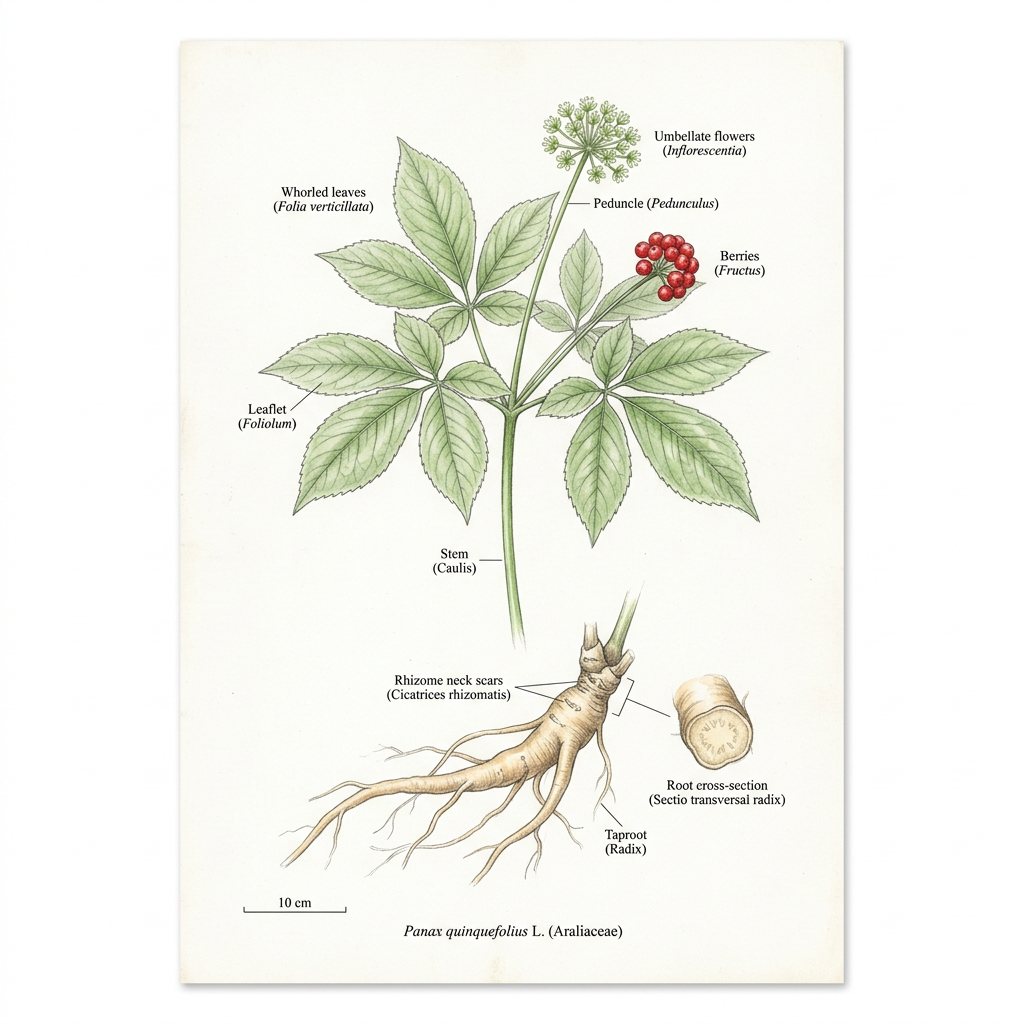
American ginseng

American ginseng

Panax quinquefolius

Convalescence
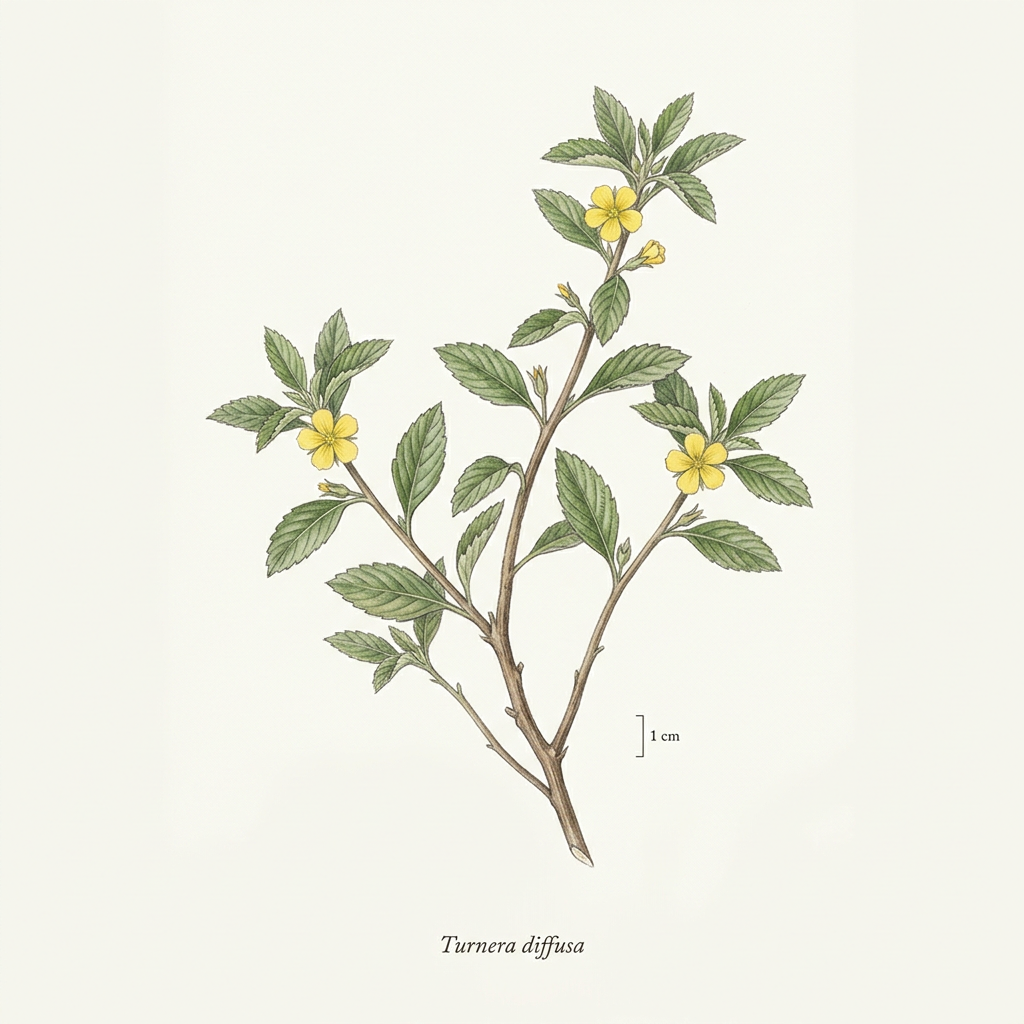
Damiana

Damiana

Turnera diffusa

Aphrodisiac Effect
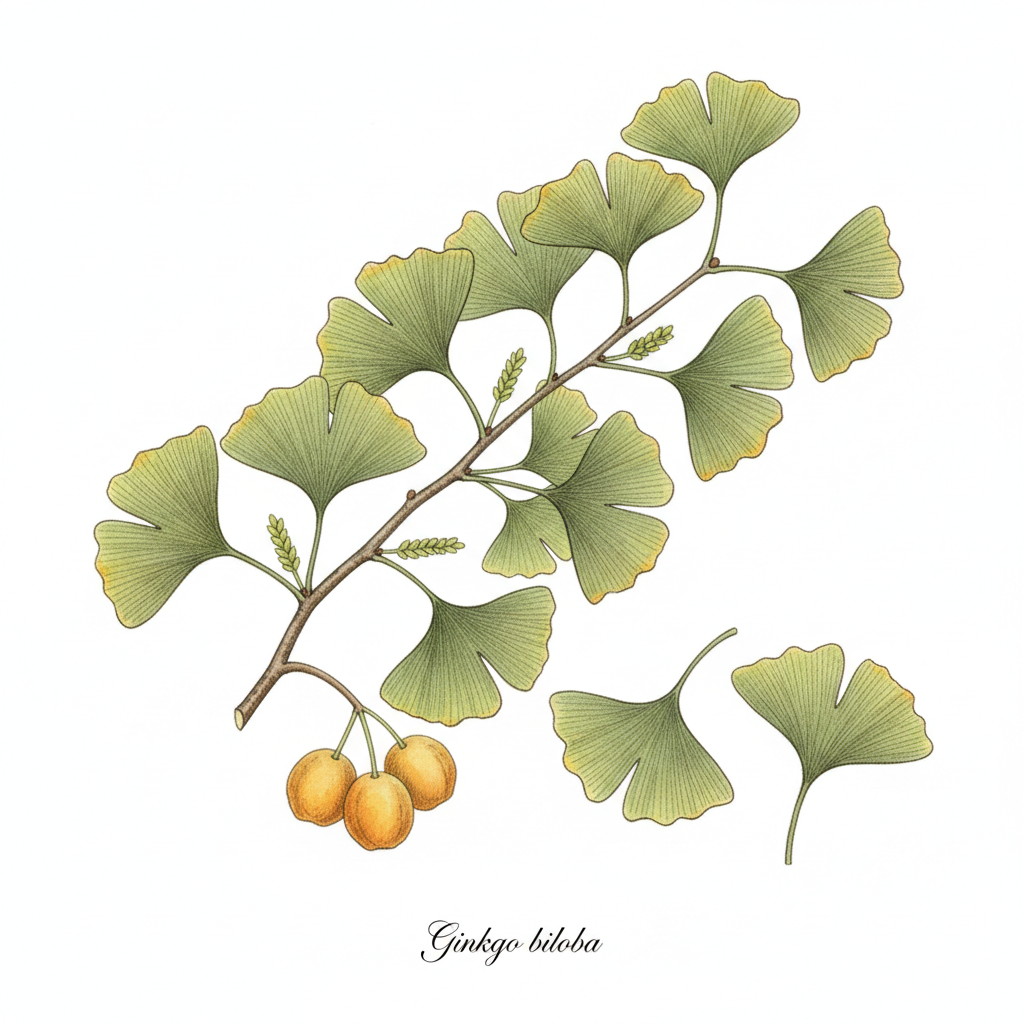
Ginkgo

Ginkgo

Ginkgo biloba

Cognitive Support