The Wild Sage logo
The Wild Sage Logo

Herbal Medicine at your fingertips

Comprehensive database of herbal remedies with detailed safety information and traditional uses

New to herbal terms? Read the glossary →
ADHD
Abcess
Acid Reflux Relief
Acinetobacter
Acne
Acne Vulgaris
Addisons
Adenomyosis
Adenovirus
Adrenal fatigue
Aging
Aids
Alcaligenes faecalis
Alcoholism
Allergic Rhinitis
Allergies
Allergy
Alopoecia
Alopoecia nervosa
Alzheimer's, Dementia & Cognitive Decline
420 herbs found
Important: This information is for educational purposes only. Always consult with qualified healthcare professionals before using herbal remedies, especially if you have existing health conditions or take medications.
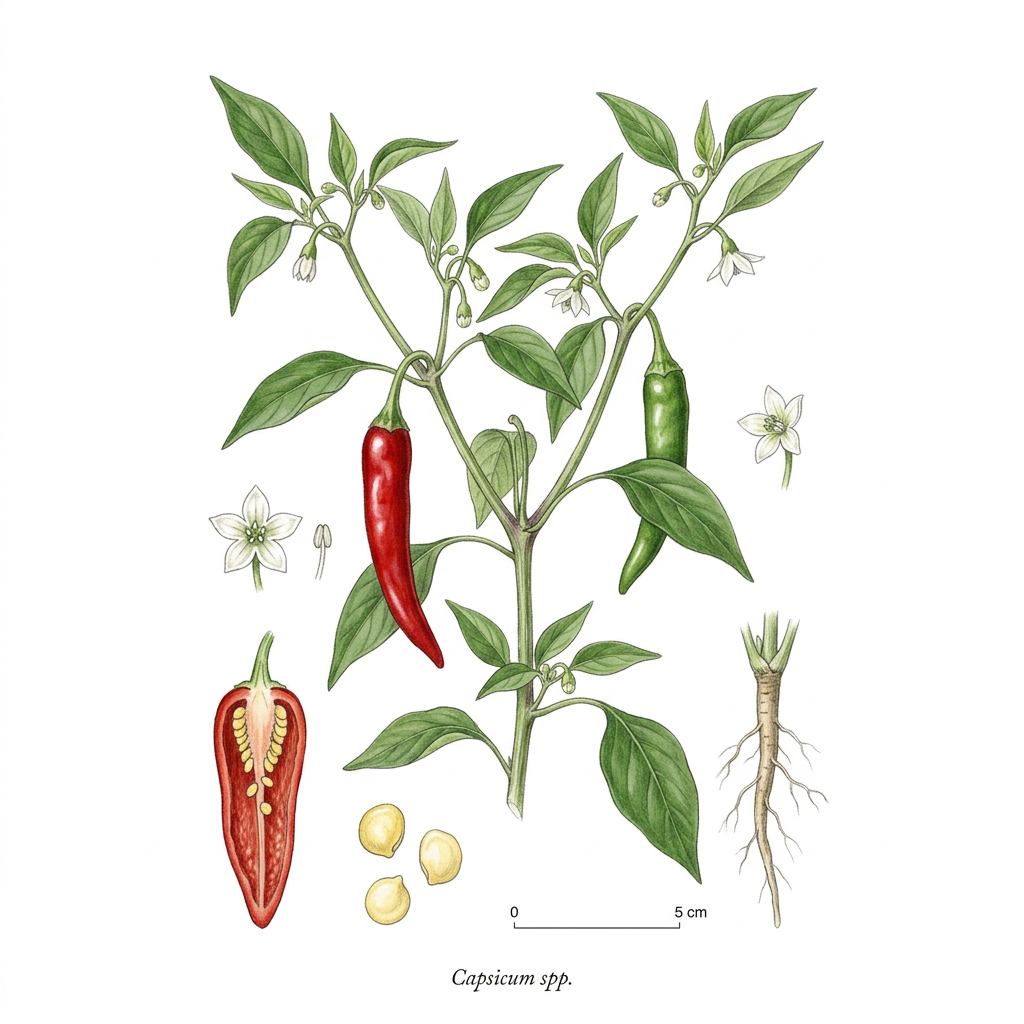
Cayenne

Cayenne

Capsicum spp.

low risk Risk
Solanaceae
Hot to the 3rd degree
<p>Cayenne, belonging to the Capsicum genus, has been revered for its potent medicinal properties and culinary applications for centuries. This vibrant chili pepper, originally native to Central and South America, was extensively utilized by indigenous cultures for both its flavor and therapeutic benefits. The herb was introduced to Europe and Asia through early explorers and quickly gained popularity for its ability to enhance dishes as well as its reputation in traditional medicine. Historically, cayenne has played a significant role in various health practices, being utilized as a circulatory stimulant and a digestive aid, as well as a natural remedy for conditions such as arthritis and respiratory ailments due to its warming properties. The therapeutic profile of cayenne is as dynamic as its flavor profile, boasting a range of actions that make it a versatile herb in herbal medicine. Its primary constituents, particularly capsaicin, contribute to its efficacy as a stimulating agent for the circulatory system, thereby enhancing blood flow, promoting thermal regulation, and offering relief in cases of poor circulation. Cayenne acts as a powerful rubefacient, increasing blood flow to the skin, which enhances topical applications for pain relief. Its analgesic, anti-pyretic, and antiseptic properties further establish it as a valuable ingredient in both internal and topical formulations. Additionally, cayenne is recognized for its ability to aid digestion by stimulating the production of digestive enzymes and enhancing nutrient absorption, while its diaphoretic action promotes sweating, which can help in detoxification and reducing fevers. The mechanisms through which cayenne exerts its benefits are multifaceted. Capsaicin, the active compound, interacts with the body’s pain receptors, creating a warming sensation that can alleviate discomfort while simultaneously decreasing the perception of pain over time. By stimulating the release of endorphins, cayenne not only promotes a sense of well-being but also helps the body to develop a tolerance to pain. Furthermore, through its action as a stimulant, cayenne can enhance metabolism and support weight management, making it a favored component in herbal weight loss protocols. The warming effects and enhanced circulation contribute to its status as a vital herb for invigorating the body's systems, supporting overall health and vitality. In recognizing cayenne as both a culinary delight and a powerful therapeutic ally, one appreciates its rich history and significant role in natural health practices.</p>

Uses & Conditions

Circulatory Stimulation
Diaphoretic
Angina
Bleeding
Chillblains
Colic
Diabetic Neuropathy
Fever
High Cholesterol
Indigestion
Irritable Bowel Syndrome
Laryngitis
Myalgia
Myocardial Infarction
Neuralgia
Osteoarthritis
Poor Circulation
Raynaud's Disease
Renal Weakness
Repetitive Strain Injury
Shingles
Stroke

Actions

Analgesic
Antipyretic
Antiseptic
Bitter
Rubifacient
Stimulant
Warming

Parts Used

Fruit

Native Countries

South america

USDA Hardiness Zones

8-11

Contraindications

  • Pregnancy and breastfeeding
  • History of active peptic ulcers or severe gastritis
  • Inflammatory bowel disease or irritable bowel syndrome during acute flare-ups
  • Pre-operative state due to potential impact on bleeding times
  • Broken or sensitive skin when applying topically

Potential Side Effects

  • Gastrointestinal burning or discomfort
  • Localised skin erythema or burning sensation upon topical application
  • Transient sweating or flushing
  • Nasal irritation if inhaled as a powder

Interactions

  • Anticoagulants and antiplatelet drugs: theoretically may increase bleeding risk
  • ACE inhibitors: potential for increased risk of persistent cough
  • Theophylline: may increase the absorption and risk of toxicity
  • Aspirin: may increase gastrointestinal irritation
  • Anti-hypertensive medications: potential for potentiation of effect

Dosages, tincture ratios & research — members only

Unlock Garreth's dosing guidance, tincture ratios, the dosage calculator and the research studies for Cayenne.

Your assessment and results stay saved — upgrading only unlocks more of them.

See membership plans

Community Photos

No community photos yet. Sign in to upload photos.

Reviews & Ratings

Sign in to leave a review.

No reviews yet. Be the first!

GF

Garreth Falls — B.Th., Dip. H.M., MNIMH

Content curated and reviewed by Garreth Falls, Consultant Medical Herbalist · The Wild Sage

Medical Disclaimer: This information is for educational purposes only and is not intended as medical advice. Always consult with qualified healthcare professionals before starting any herbal treatment.
Western tradition
Ayurvedic tradition
Chinese tradition

Sustainability & quality

Abundant

Widely cultivated; readily available in organic quality which is preferable to minimize chemical residues.

Key constituents

Capsaicinoids (including capsaicin and dihydrocapsaicin), Carotenoids (capsanthin and capsorubin), Flavonoids, Ascorbic acid (Vitamin C), Essential oils, Steroidal saponins

References

  1. ESCOP Monographs 2nd ed. 2003
  2. Bensky "Chinese Herbal Medicine: Materia Medica" 3rd ed. 2004
  3. Mills & Bone "The Essential Guide to Herbal Safety" 2005
  4. Herbal Reality. Herb monographs. herbalreality.com

Reviewed by Garreth, Medical Herbalist (MNIMH) · October 2026

Related conditions

Explore conditions where Cayenne is traditionally used.

Related Herbs
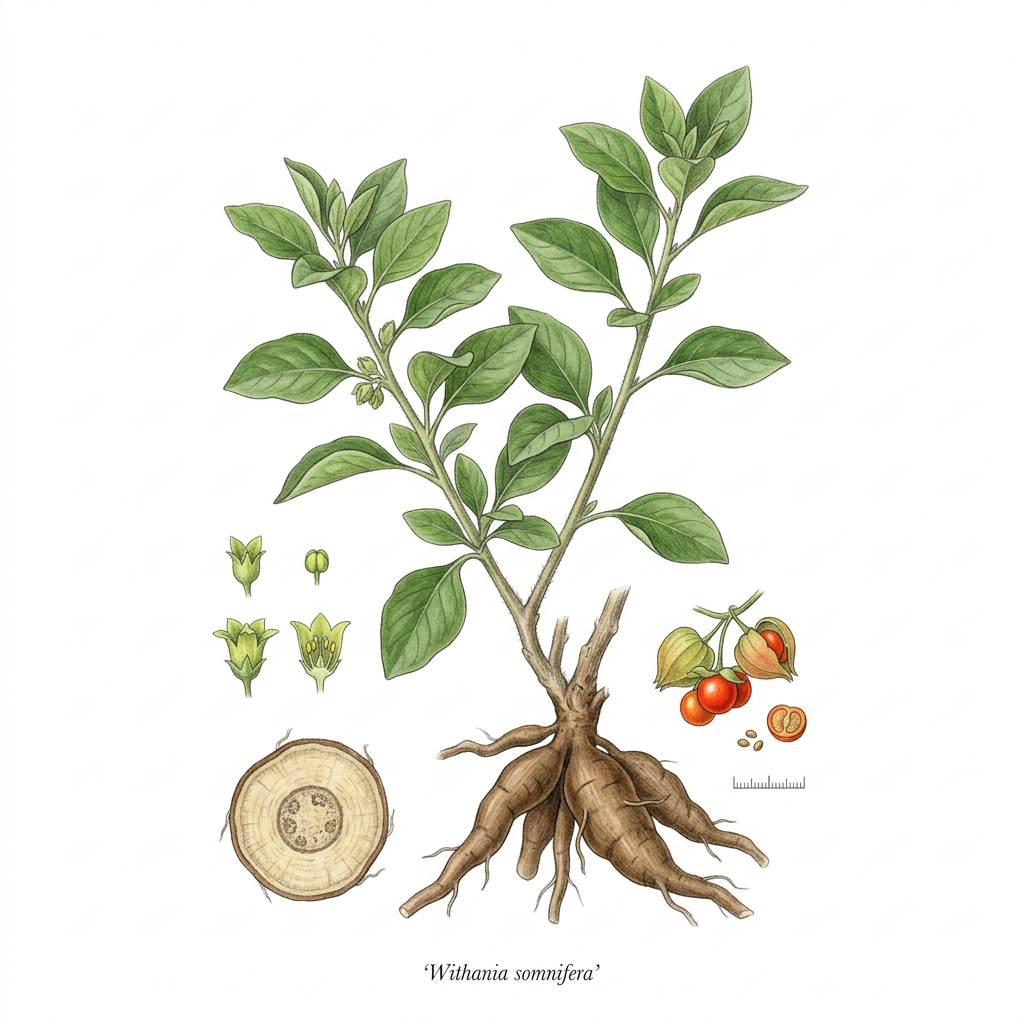
Ashwagandha

Ashwagandha

Withania somnifera

Immune Support
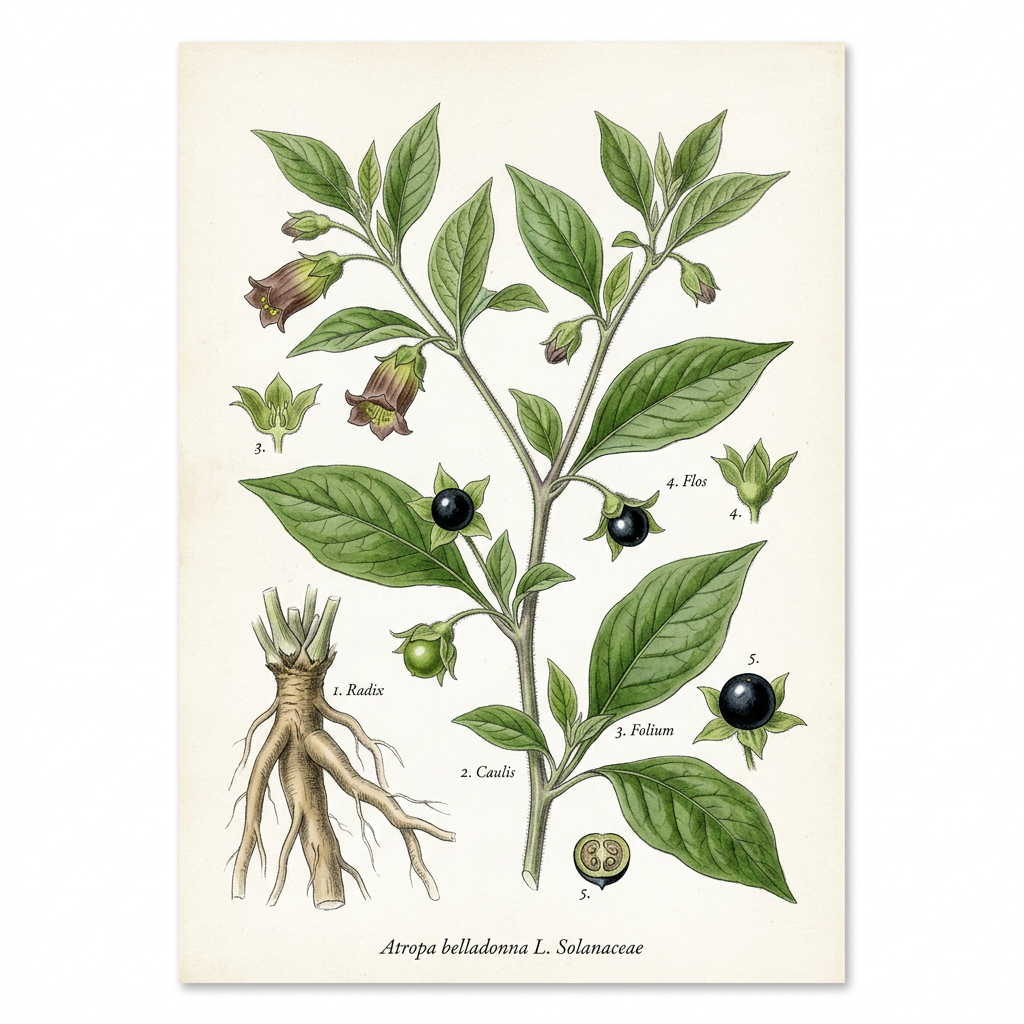
Deadly Nightshade

Deadly Nightshade

Atropa belladonna

Stone root

Collinsonia canadensis
Energy Regulation
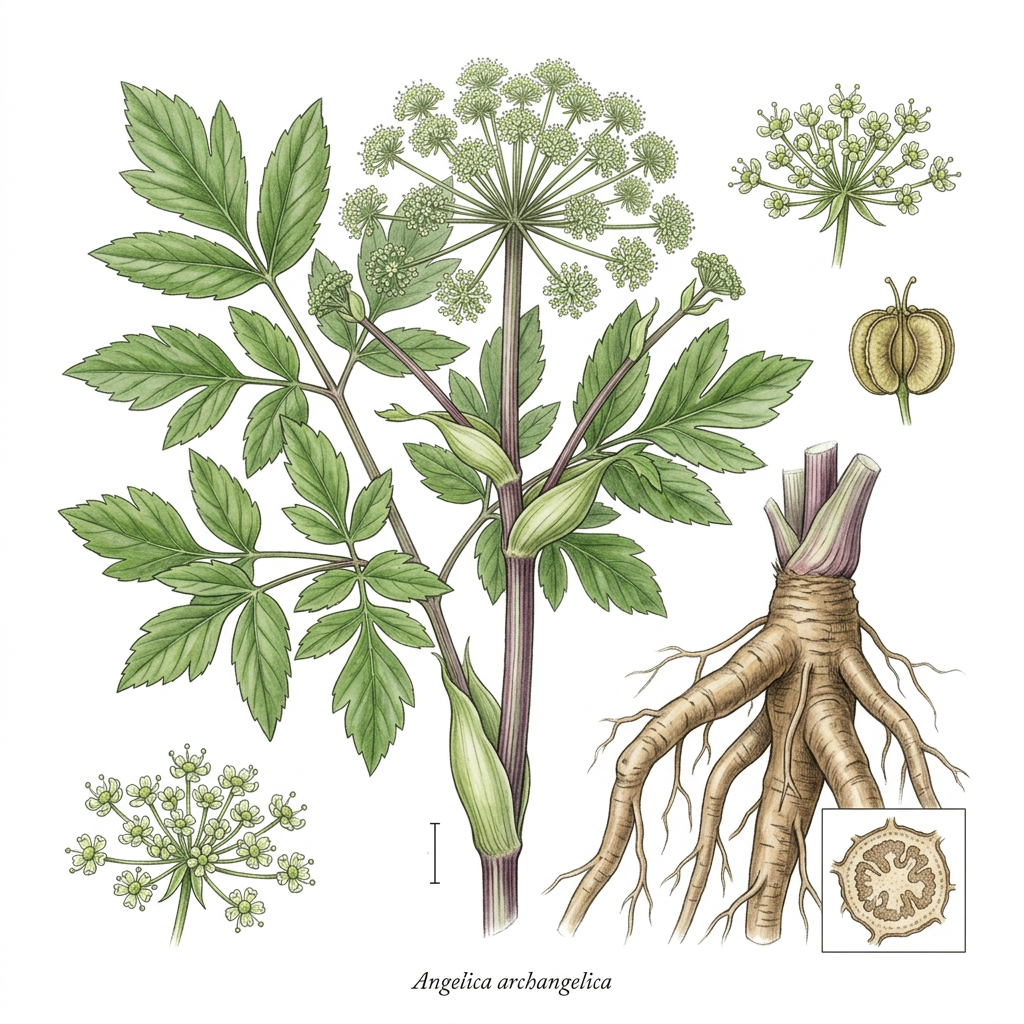
Angelica

Angelica

Angelica archangelica

Circulatory Stimulant