The Wild Sage logo
The Wild Sage Logo

Herbal Medicine at your fingertips

Comprehensive database of herbal remedies with detailed safety information and traditional uses

New to herbal terms? Read the glossary →
ADHD
Abcess
Acid Reflux Relief
Acinetobacter
Acne
Acne Vulgaris
Addisons
Adenomyosis
Adenovirus
Adrenal fatigue
Aging
Aids
Alcaligenes faecalis
Alcoholism
Allergic Rhinitis
Allergies
Allergy
Alopoecia
Alopoecia nervosa
Alzheimer's, Dementia & Cognitive Decline
420 herbs found
Important: This information is for educational purposes only. Always consult with qualified healthcare professionals before using herbal remedies, especially if you have existing health conditions or take medications.
Cedarwood

Cedarwood

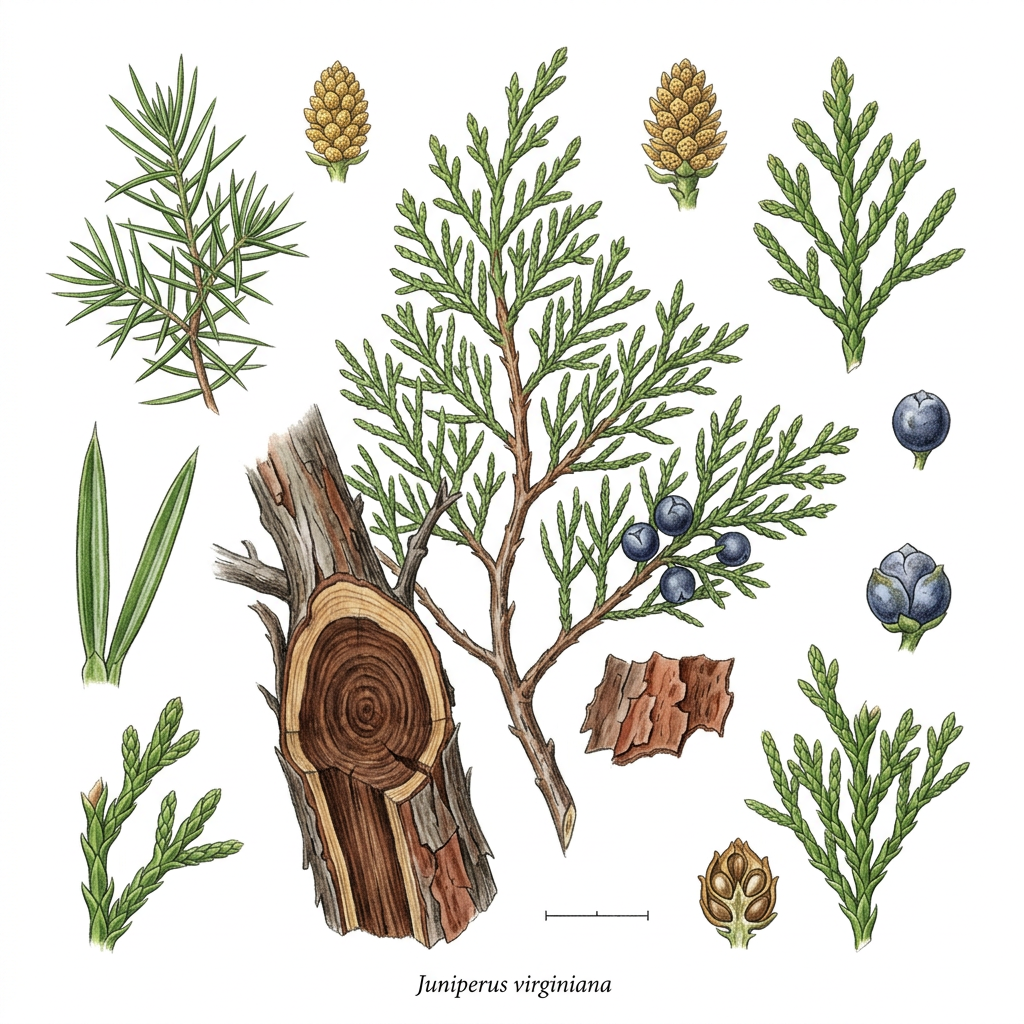
Cedrus spp.

moderate risk Risk
Cupressaceae
<p>Cedarwood, derived from the aromatic wood of the Cedrus genus, has been revered for centuries across various cultures for its multitude of uses and therapeutic properties. Historically, cedarwood has played a vital role in traditional medicine and spiritual practices. Ancient Egyptians utilized cedarwood oil in the embalming process, signifying its esteemed status and aromatic qualities. In various Indigenous cultures, the wood and oil were honored in rituals and used for purification, protection, and as a means of connecting with the divine. Its long-standing association with sacred spaces is a testament to its enduring significance as both a physical and spiritual ally. The therapeutic properties of cedarwood are largely attributed to its active compounds, including cedrol and thujopsene, which exhibit a range of biological activities. Cedarwood oil is celebrated for its antiseptic, anti-inflammatory, and calming effects, making it a valuable addition to both wellness routines and skincare applications. Its rich, woody scent is not only uplifting but also serves as a natural sedative, promoting relaxation and reducing stress. In aromatherapy, cedarwood oil is often used to enhance concentration and induce a sense of tranquility, further highlighting its role as a multifaceted herb. Moreover, the oil possesses insect-repelling properties, making it a practical option for natural pest control. When cedarwood is integrated into the body, its active constituents interact with the central nervous system, promoting feelings of calm and reducing anxiety levels. Its anti-inflammatory properties may help alleviate conditions such as acne and dermatitis, while its antiseptic qualities support skin health and wound healing. Inhalation of cedarwood essential oil can also stimulate the limbic system, a brain region associated with emotion and memory, thereby enhancing mood and emotional well-being. Whether utilized in meditation, skincare, or therapeutic formulations, cedarwood stands as a testament to the deep interplay between nature's offerings and holistic healing practices, fostering both physical health and spiritual balance.</p>

Uses & Conditions

Spiritual Protection
Purification
Emotional Well-being
Tranquillity
Concentration
Relaxation
Stress
Low Mood
Microbial Infection
Anxiety
Skin Health
Wound Healing
Acne
Dermatitis

Actions

Anxiolytic
Sedative
Antimicrobial
Insect Repellent

Parts Used

Essential oil

Native Countries

United States
Canada
Morocco
Mediterranean regions
Himalayan regions

USDA Hardiness Zones

USDA 3-10

Contraindications

  • Avoid during pregnancy and breastfeeding
  • Not for internal use; keep away from mucous membranes
  • Individuals with hypersensitivity to Cupressaceae species must perform a patch test
  • Do not apply undiluted to broken or damaged skin

Potential Side Effects

  • Skin irritation or contact dermatitis if applied in high concentrations
  • Mild nausea or headache if inhaled in enclosed or poorly ventilated spaces
  • Photosensitivity

Interactions

  • Use caution if taking prescription medicines for chronic inflammatory or skin conditions
  • May potentially alter the metabolism of cytochrome P450 substrates

Dosages, tincture ratios & research — members only

Unlock Garreth's dosing guidance, tincture ratios, the dosage calculator and the research studies for Cedarwood.

Your assessment and results stay saved — upgrading only unlocks more of them.

See membership plans

Community Photos

No community photos yet. Sign in to upload photos.

Reviews & Ratings

Sign in to leave a review.

No reviews yet. Be the first!

GF

Garreth Falls — B.Th., Dip. H.M., MNIMH

Content curated and reviewed by Garreth Falls, Consultant Medical Herbalist · The Wild Sage

Medical Disclaimer: This information is for educational purposes only and is not intended as medical advice. Always consult with qualified healthcare professionals before starting any herbal treatment.
Western tradition
Ayurvedic tradition

Sustainability & quality

At risk

Atlas Cedar (Cedrus atlantica) is vulnerable to habitat degradation; prefer cultivated sources and check for ethical wild-harvesting certification.

Key constituents

Cedrol, Thujopsene, Alpha-cedrene, Beta-cedrene, Widdrol, Cuparene

References

  1. British Herbal Pharmacopoeia 1983
  2. Pole "Ayurvedic Medicine" 2006
  3. Herbal Reality. Herb monographs. herbalreality.com

Reviewed by Garreth, Medical Herbalist (MNIMH) · October 2026

Related conditions

Explore conditions where Cedarwood is traditionally used.

Related Herbs
Holy Basil (Tulsi)

Holy Basil (Tulsi)

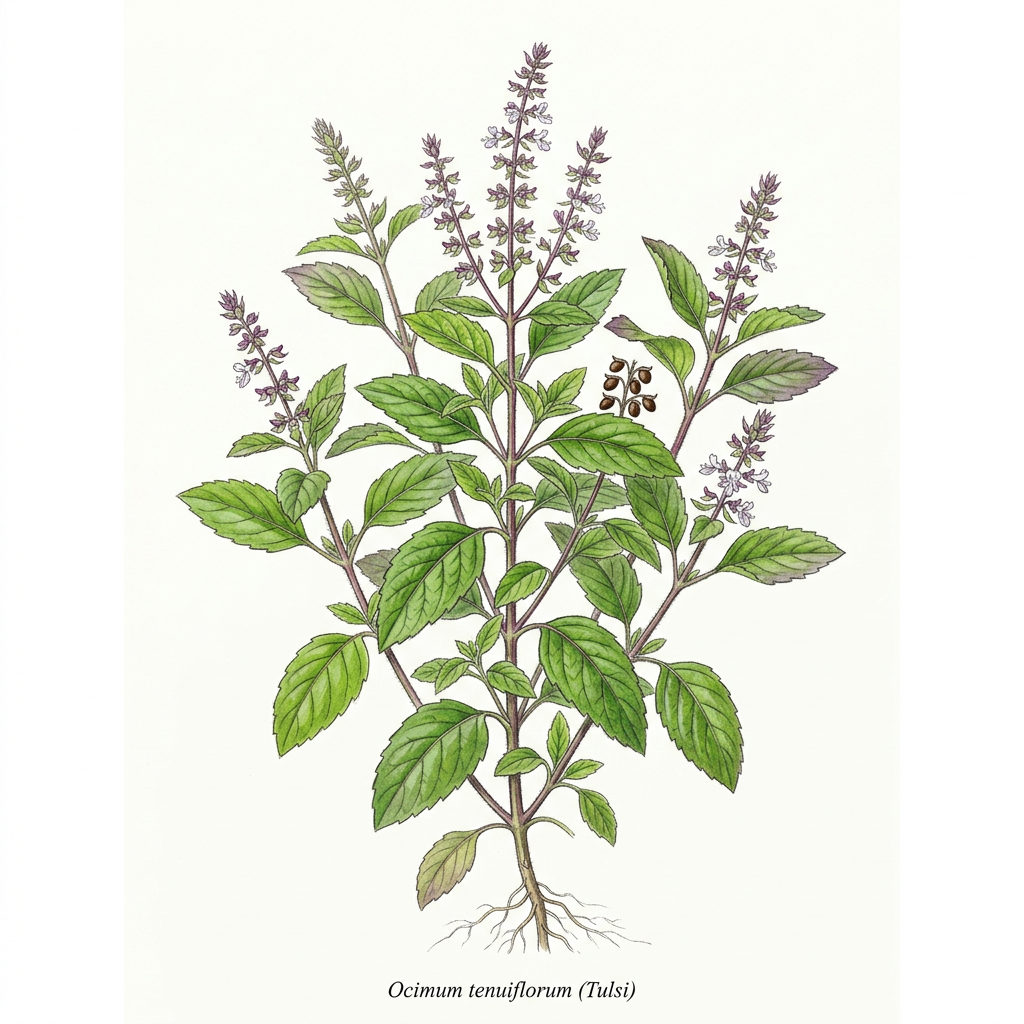
Ocimum tenuiflorum
Adaptogen
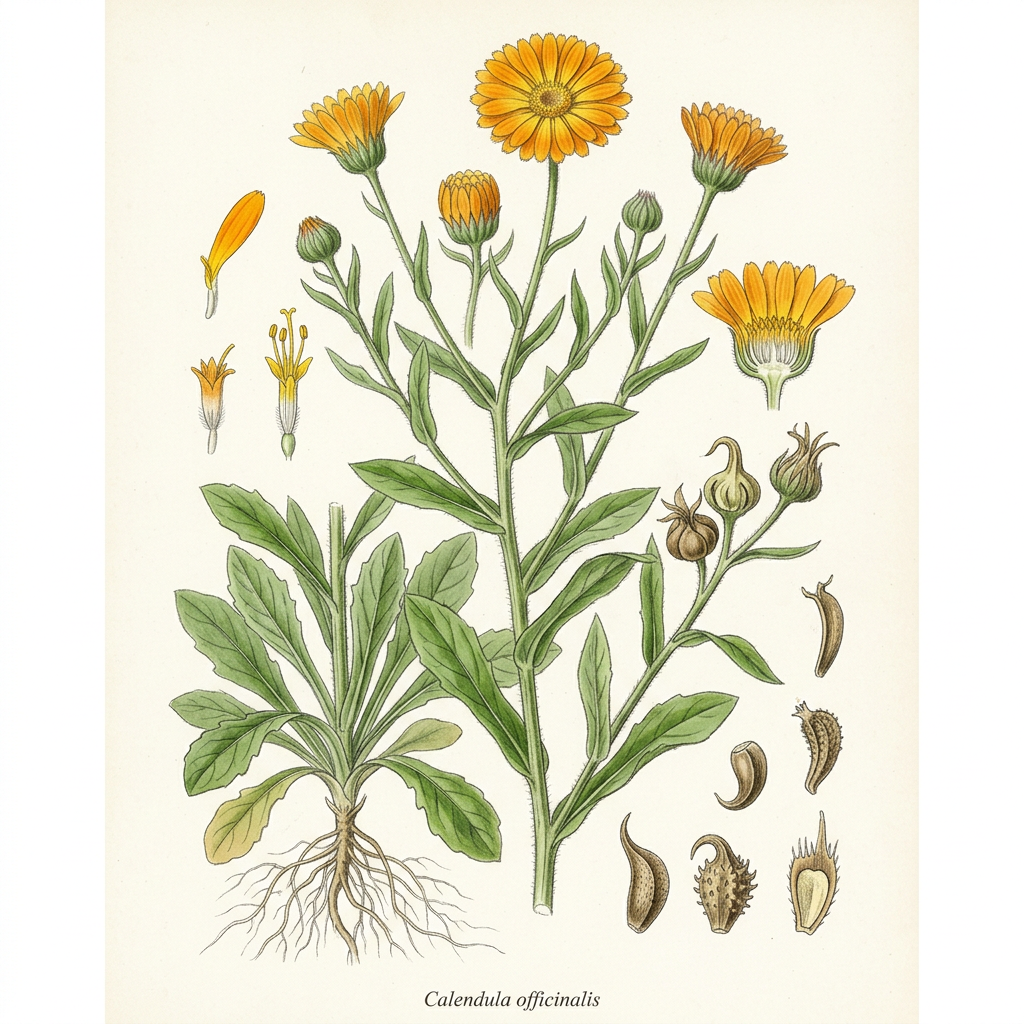
Marigold

Marigold

Calendula officinalis

Lymphatic Support
Palmarosa

Palmarosa

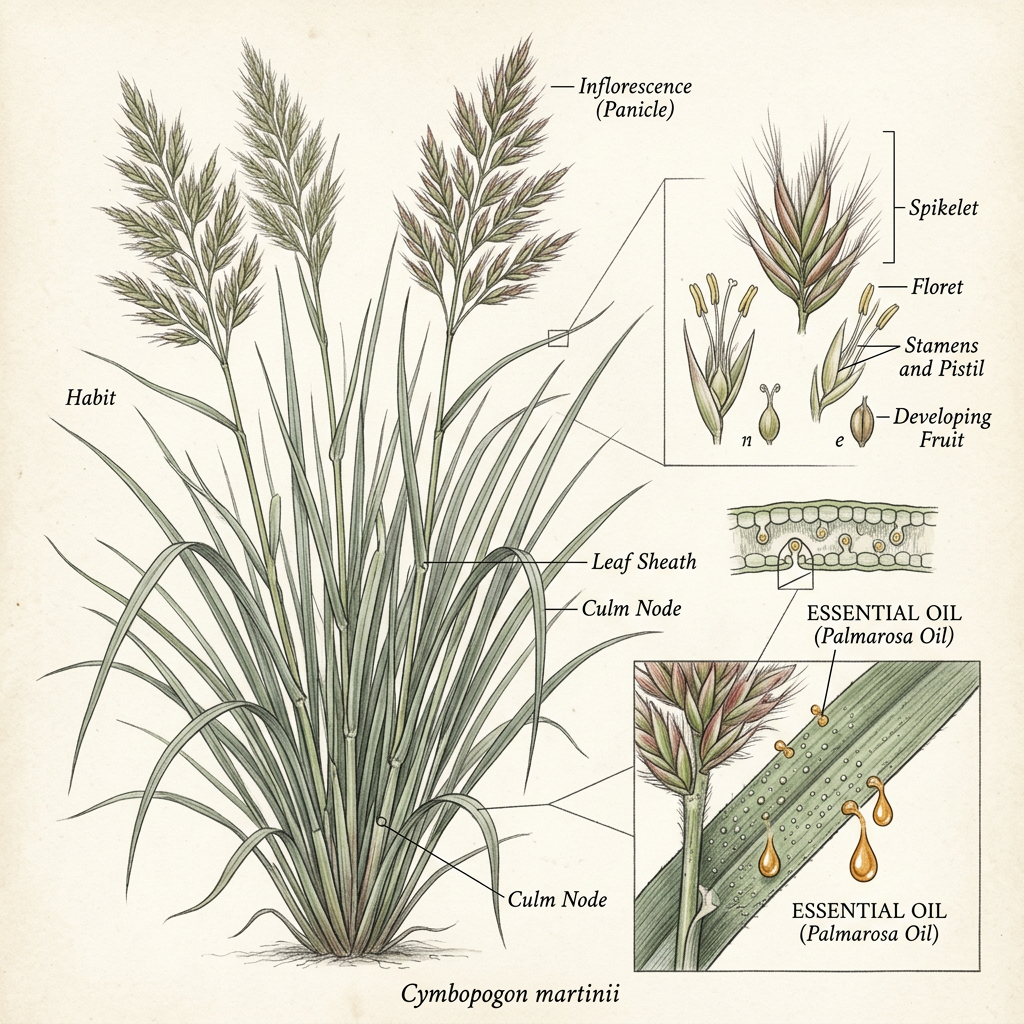
Cymbopogon martinii

Skin hydration
Witch Hazel

Witch Hazel

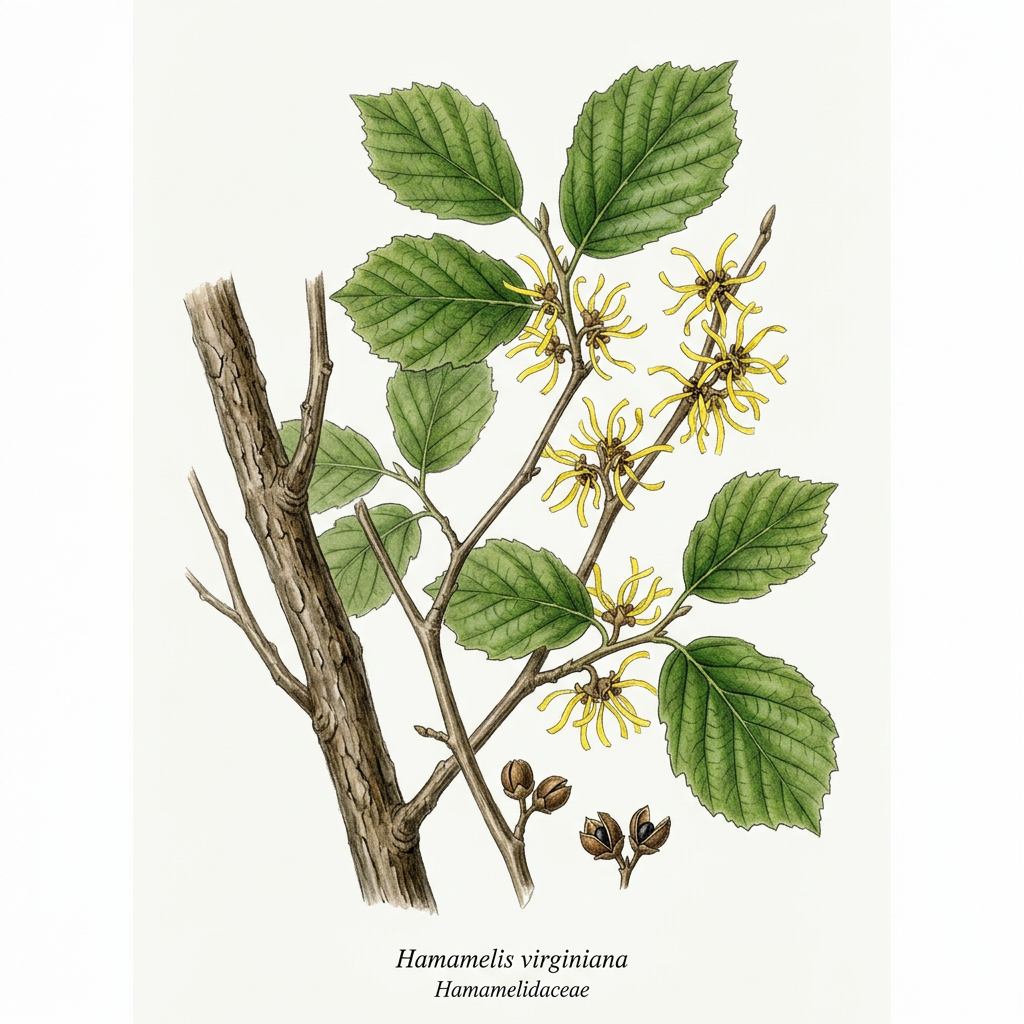
Hamamelis virginiana

Wound healing