The Wild Sage logo
The Wild Sage Logo

Herbal Medicine at your fingertips

Comprehensive database of herbal remedies with detailed safety information and traditional uses

New to herbal terms? Read the glossary →
ADHD
Abcess
Acid Reflux Relief
Acinetobacter
Acne
Acne Vulgaris
Addisons
Adenomyosis
Adenovirus
Adrenal fatigue
Aging
Aids
Alcaligenes faecalis
Alcoholism
Allergic Rhinitis
Allergies
Allergy
Alopoecia
Alopoecia nervosa
Alzheimer's, Dementia & Cognitive Decline
420 herbs found
Important: This information is for educational purposes only. Always consult with qualified healthcare professionals before using herbal remedies, especially if you have existing health conditions or take medications.
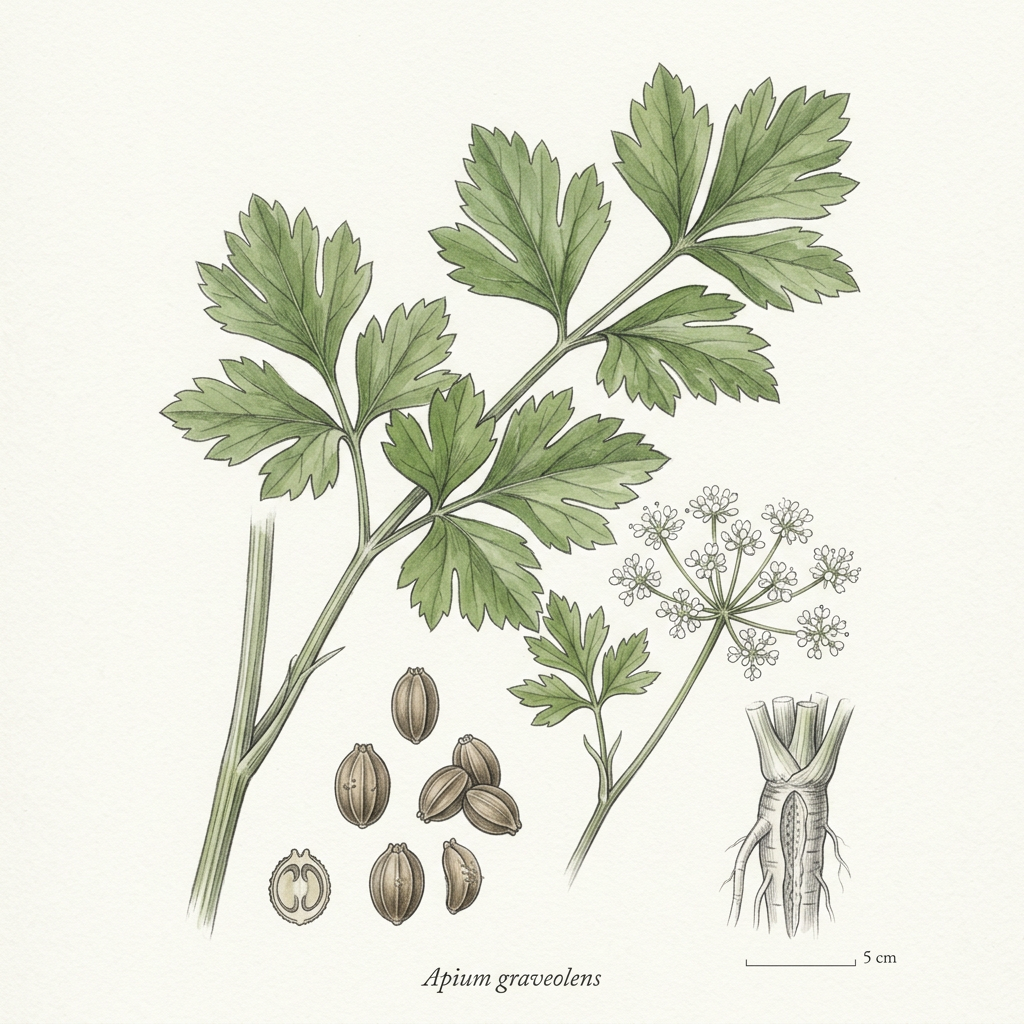
Celery Seed

Celery Seed

Apium graveolens

low risk Risk
Apiaceae
Cooling, moistening, and calming properties.
<p>Celery seed, scientifically known as Apium graveolens, is derived from the mature seeds of the common celery plant, a member of the Apiaceae family. This herb has a rich history of traditional use, particularly in ancient Greek and Roman cultures, where it was valued not only for culinary purposes but also for its medicinal properties. Traditionally, celery seed has been recognized as a potent diuretic and anti-inflammatory agent, making it a key component in herbal remedies aimed at treating conditions such as gout and arthritis. Ancient physicians often prescribed celery seed to promote overall health, and its continued use in modern herbalism speaks to its longstanding reputation in natural medicine. The therapeutic properties of celery seed are diverse and impactful. Renowned for its anti-inflammatory action, it aids in reducing swelling and pain associated with conditions like arthritis and gout. Additionally, celery seed exhibits diuretic properties, promoting fluid balance in the body and supporting kidney function. Its wide array of benefits extends to enhancing digestive health, acting as a carminative to relieve gas and bloating, and serving as an emmenagogue to support menstrual health. Moreover, research suggests that it may help manage cholesterol levels, support healthy blood sugar levels, and contribute to cardiovascular health through its hypotensive effects. Celery seed's efficacy in the body can be attributed to its rich phytochemical composition, including apigenin, luteolin, and other beneficial compounds. These active constituents work synergistically to modulate various biochemical pathways, such as inhibiting inflammatory mediators and promoting diuresis. The involvement of celery seed in calcium channel blocking further supports its hypotensive properties, facilitating better blood flow and reducing hypertension. By acting on multiple systems within the body, celery seed not only alleviates symptoms but also promotes general well-being, making it a valuable herb in both traditional and contemporary herbal practices.</p>

Uses & Conditions

Digestive Aid
Nutritional Support
Hypertension
Hyperlipidaemia
Osteoarthritis
Dyspepsia
Diabetes Mellitus
Gout
Rheumatoid Arthritis
Oedema
Urinary Tract Infection
Menorrhagia
PCOS
Fibromyalgia
Ankylosing Spondylitis
Acne
Interstitial Cystitis
Repetitive Strain Injury

Actions

Anti-inflammatory
Nervine
Anti-oedema
Anti-rheumatic
Carminative
Diuretic
Hypoglycaemic
Emmenagogue
Spasmolytic
Hypotensive
Hypocholesterolaemic
Hepatic

Parts Used

Seed

Native Countries

North America

USDA Hardiness Zones

USDA 3-9

Contraindications

  • Pregnancy: avoid in medicinal doses due to potential emmenagogue and uterine stimulant effects
  • Acute kidney inflammation: avoid in cases of acute pyelonephritis or severe renal irritation
  • Known allergy to Apiaceae family: use with extreme caution if sensitive to carrot, fennel, or mugwort
  • Pre-surgery: cease use at least two weeks prior to elective surgery due to potential blood-thinning effects

Potential Side Effects

  • Photosensitivity: increased skin reactivity to UV light when taken in high doses
  • Gastrointestinal upset: potential mild dyspepsia or irritation in sensitive individuals
  • Allergic reactions: rare reports of contact dermatitis or hives in susceptible individuals

Interactions

  • Diuretics: potential additive effect increasing potassium loss and dehydration risk
  • Anticoagulants: theoretical increase in bleeding risk due to coumarin constituents
  • Lithium: diuretic activity may reduce lithium excretion and increase serum levels
  • Antihypertensive medication: may potentiate hypotensive effects necessitating monitoring

Dosages, tincture ratios & research — members only

Unlock Garreth's dosing guidance, tincture ratios, the dosage calculator and the research studies for Celery Seed.

Your assessment and results stay saved — upgrading only unlocks more of them.

See membership plans

Community Photos

No community photos yet. Sign in to upload photos.

Reviews & Ratings

Sign in to leave a review.

No reviews yet. Be the first!

GF

Garreth Falls — B.Th., Dip. H.M., MNIMH

Content curated and reviewed by Garreth Falls, Consultant Medical Herbalist · The Wild Sage

Medical Disclaimer: This information is for educational purposes only and is not intended as medical advice. Always consult with qualified healthcare professionals before starting any herbal treatment.
Western tradition

Sustainability & quality

Abundant

Readily available as a culinary crop; ensure agricultural samples are free from agrochemical residues.

Key constituents

Apium graveolens, Anti-inflammatory, Digestive enzymes, apiin, 3-n-butyl phthalide, Apigenin, Magnesium, Potassium

References

  1. ESCOP Monographs 2nd ed. 2003
  2. British Herbal Pharmacopoeia 1983
  3. Herbal Reality. Herb monographs. herbalreality.com

Reviewed by Garreth, Medical Herbalist (MNIMH) · October 2026

Related conditions

Explore conditions where Celery Seed is traditionally used.

Related Herbs
Lovage

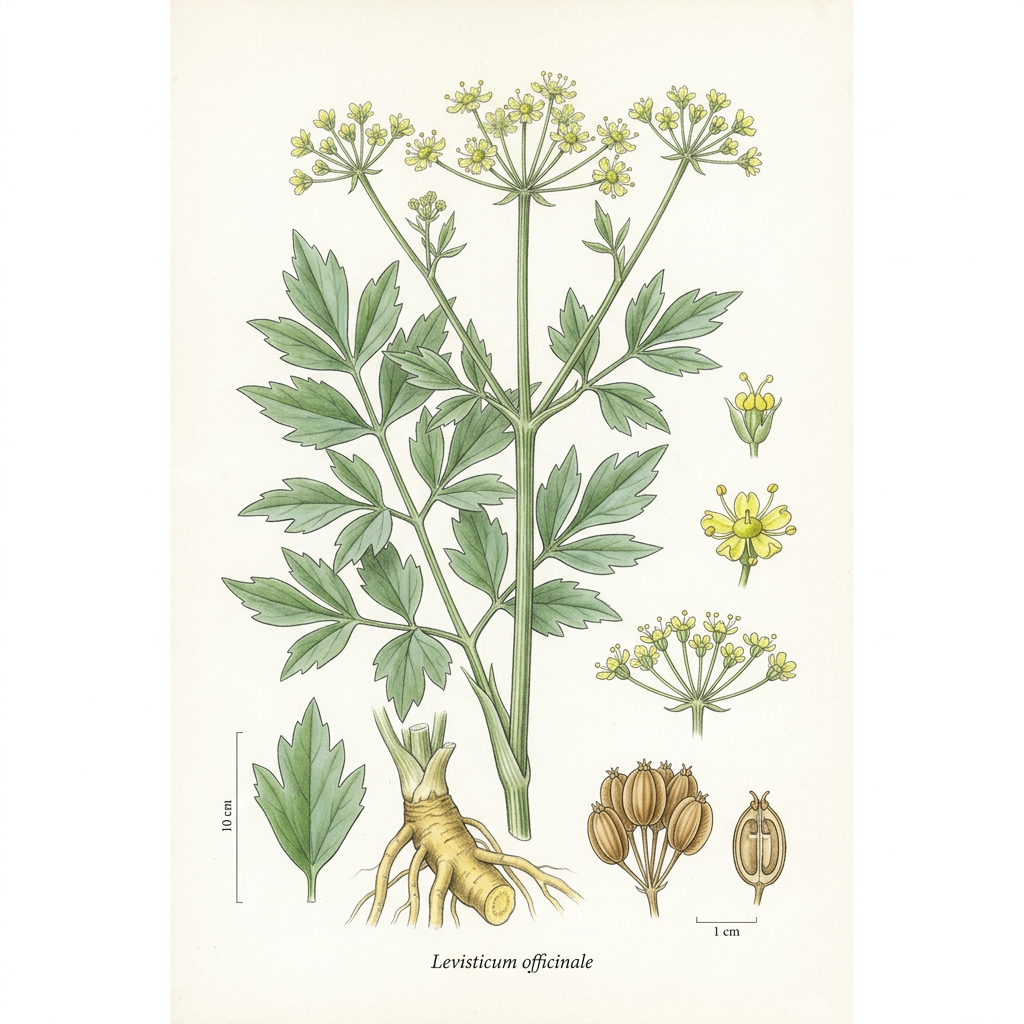
Lovage

Levisticum officinale

Digestive Aid
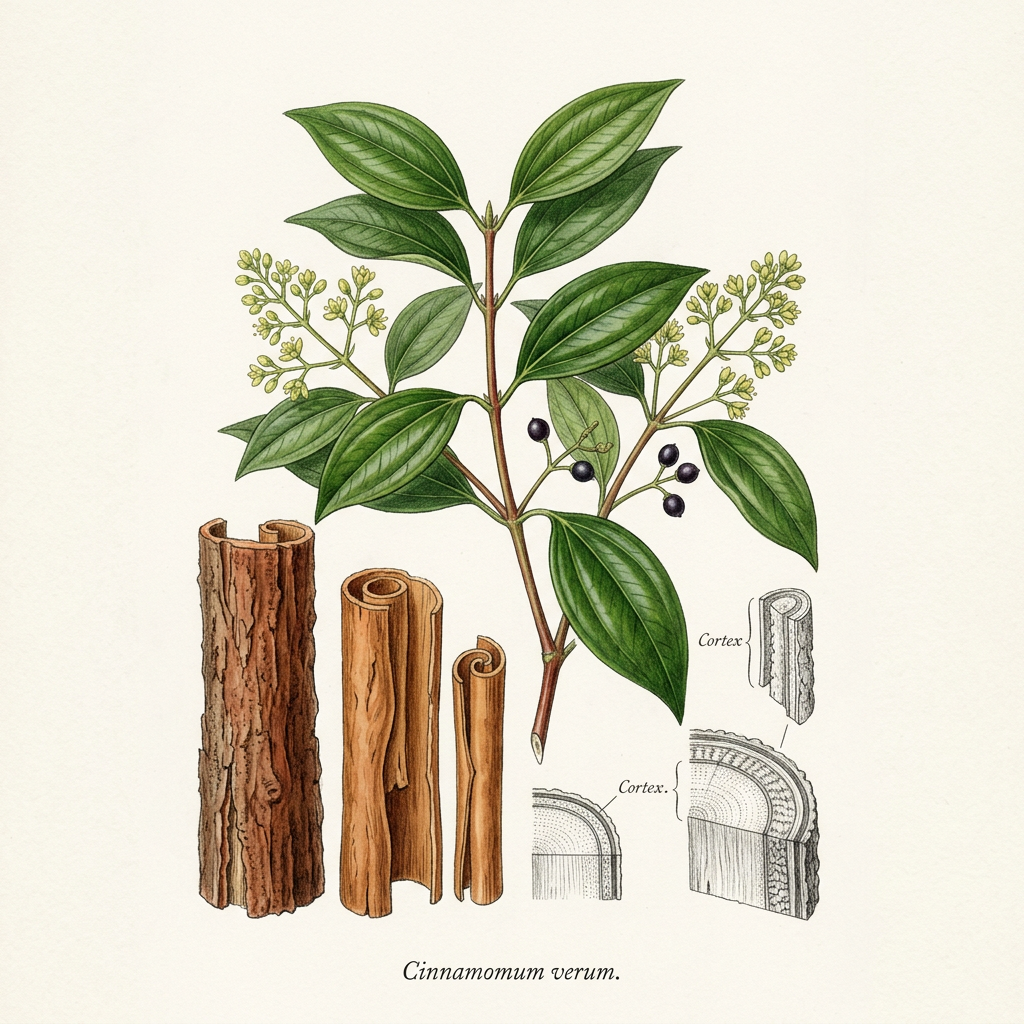
Cinnamomum verum

Cinnamomum verum

Cinnamomum verum

Digestive Support
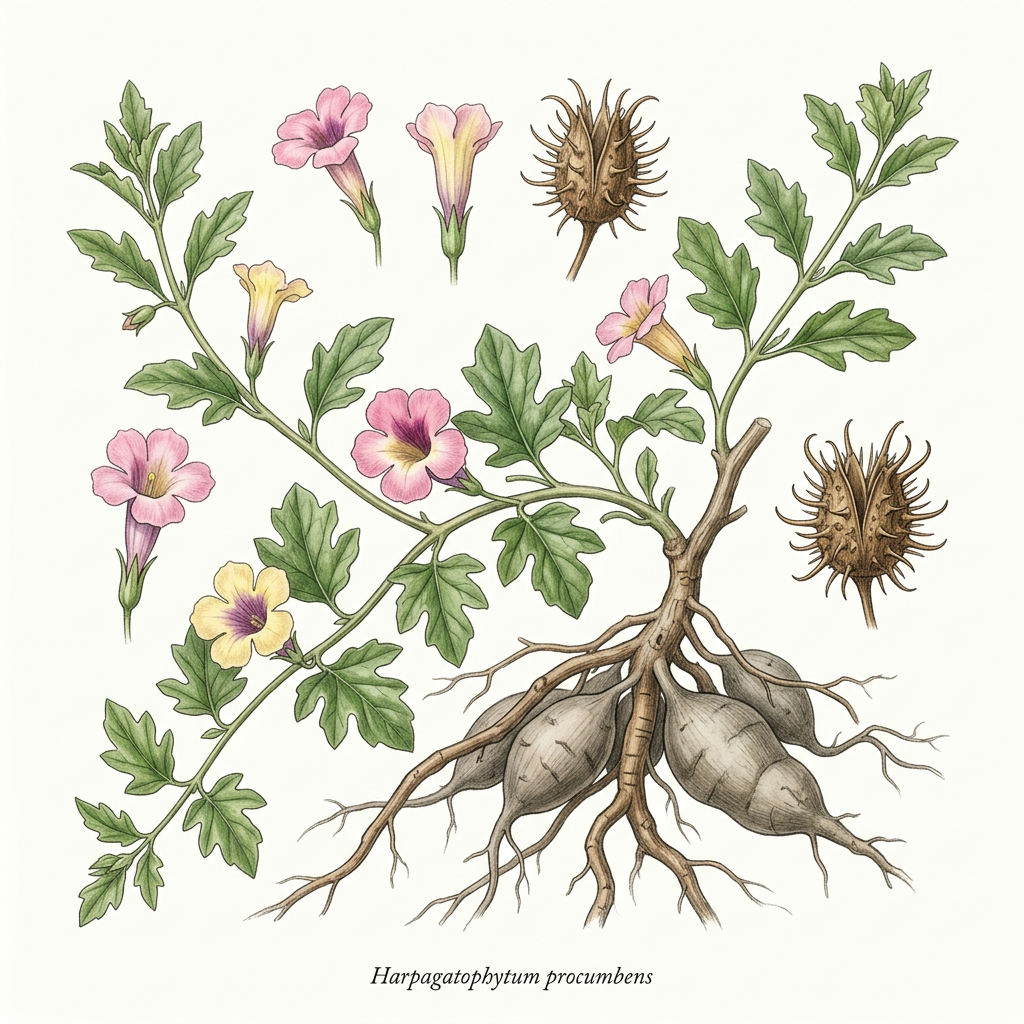
Devil's Claw

Devil's Claw

Harpagophytum procumbens
Circulation enhancement
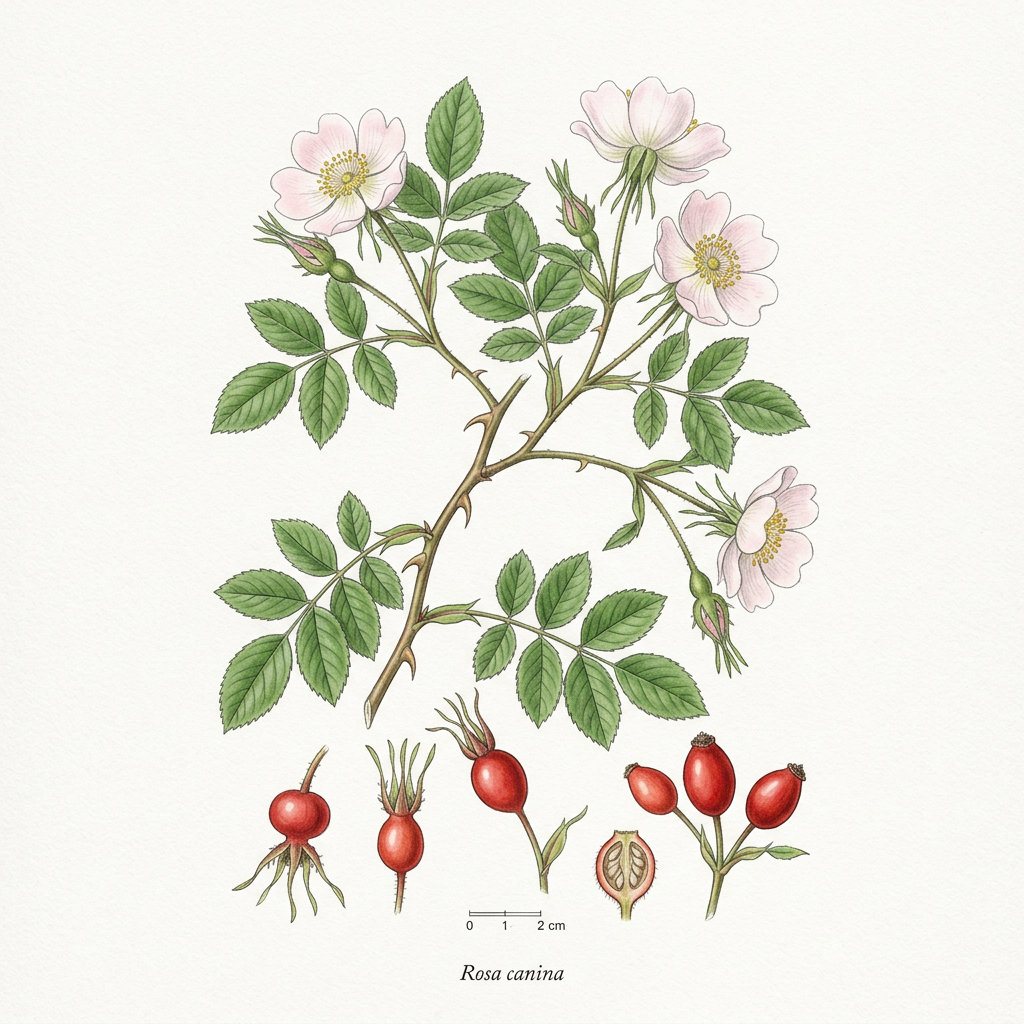
Dog rose

Dog rose

Rosa canina

Immune Support