The Wild Sage logo
The Wild Sage Logo

Herbal Medicine at your fingertips

Comprehensive database of herbal remedies with detailed safety information and traditional uses

New to herbal terms? Read the glossary →
ADHD
Abcess
Acid Reflux Relief
Acinetobacter
Acne
Acne Vulgaris
Addisons
Adenomyosis
Adenovirus
Adrenal fatigue
Aging
Aids
Alcaligenes faecalis
Alcoholism
Allergic Rhinitis
Allergies
Allergy
Alopoecia
Alopoecia nervosa
Alzheimer's, Dementia & Cognitive Decline
420 herbs found
Important: This information is for educational purposes only. Always consult with qualified healthcare professionals before using herbal remedies, especially if you have existing health conditions or take medications.
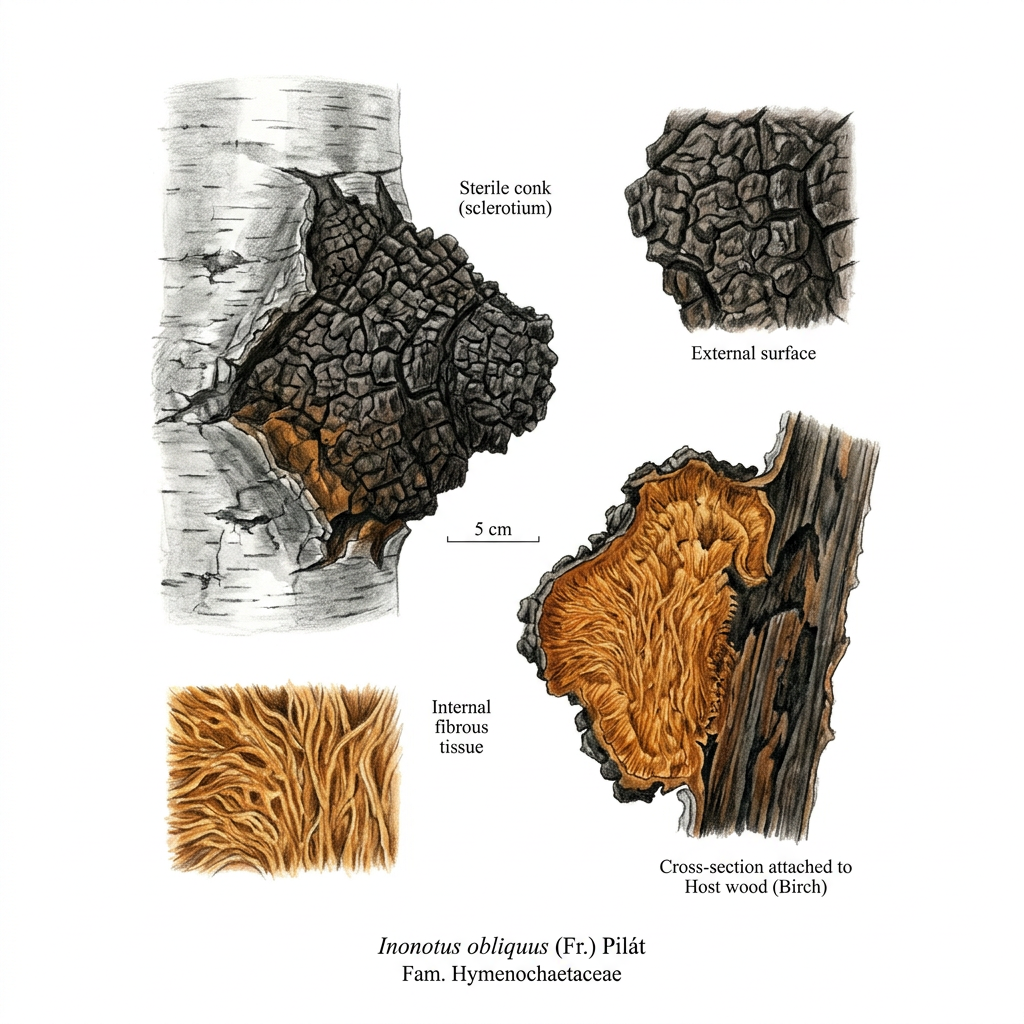
Chaga

Chaga

Inonotus obliquus

low risk Risk
Hymenochaetaceae
Cooling and moistening, beneficial for inflammation and weak immunity.
<p>Chaga, scientifically known as Inonotus obliquus, is a fascinating fungus renowned for its rich storied history in traditional medicine, particularly among the indigenous peoples of Siberia and parts of Eastern Europe. This remarkable medicinal mushroom, which grows predominantly on birch trees in cold climates, has been utilized for centuries as a natural remedy to enhance overall health and vitality. Traditionally, Chaga was consumed as a tea or tincture, believed to promote longevity and improve resilience against illness. Its use has persisted into modern herbalism, where it is celebrated for its impressive array of bioactive compounds. The therapeutic properties of Chaga are primarily attributed to its high content of antioxidants, including melanin, betulinic acid, and polysaccharides. These compounds work synergistically to combat oxidative stress in the body, helping to protect cells from damage by free radicals. Additionally, Chaga is recognized for its ability to modulate the immune system, enhancing immune response while promoting balance and stability. This dual action makes it an appealing supplement for those looking to bolster their defenses against seasonal ailments and chronic stressors alike. On a biochemical level, Chaga exerts its influence within the body primarily through its rich polysaccharide content, which supports immune function by stimulating the production of beneficial cytokines and immune cells. Moreover, the presence of beta-glucans aids in regulating blood sugar levels and cholesterol, contributing not only to immune support but also to cardiovascular health. By incorporating Chaga into one’s wellness regimen, individuals may experience heightened energy levels, improved mental clarity, and an overall sense of well-being, making it a valuable addition to both traditional and modern approaches to health care.</p>

Uses & Conditions

Immune Support
Antioxidant
Cancer
Fungal Infections
Nephropathy
Psoriasis
Herpes Simplex Virus
Male Fertility
Myeloma
Oxalate-Related Kidney Stones

Actions

Antioxidant
Immune Support
Anti-microbial
TNF-a Reduction
IL-6 Inhibition
Antifungal
Glutathione Increasing

Parts Used

Fruiting body.

Native Countries

Northern Europe
Eastern Russea
Mediterranean

USDA Hardiness Zones

USDA 3-8

Contraindications

  • Pregnancy and breastfeeding
  • Scheduled surgery: discontinue use at least two weeks prior
  • Autoimmune conditions
  • History of oxalate-related kidney stones

Potential Side Effects

  • Mild gastrointestinal upset
  • Abdominal discomfort
  • Hypoglycaemic symptoms
  • Allergic reactions including skin rashes or respiratory irritation

Interactions

  • Anticoagulant or antiplatelet drugs
  • Hypoglycaemic agents
  • Immunosuppressants

Dosages, tincture ratios & research — members only

Unlock Garreth's dosing guidance, tincture ratios, the dosage calculator and the research studies for Chaga.

Your assessment and results stay saved — upgrading only unlocks more of them.

See membership plans

Community Photos

No community photos yet. Sign in to upload photos.

Reviews & Ratings

Sign in to leave a review.

No reviews yet. Be the first!

GF

Garreth Falls — B.Th., Dip. H.M., MNIMH

Content curated and reviewed by Garreth Falls, Consultant Medical Herbalist · The Wild Sage

Medical Disclaimer: This information is for educational purposes only and is not intended as medical advice. Always consult with qualified healthcare professionals before starting any herbal treatment.
Western tradition

Sustainability & quality

At risk

Often wild-harvested from boreal forests. Ensure that harvesters are not damaging the underlying tree health to ensure future viability.

Key constituents

Polysaccharides, Beta-glucans, Betulin and betulinic acid, Melanin, Triterpenoids, Polyphenols, Oxalates, Phytosterols

References

  1. Herbal Reality. Herb monographs. herbalreality.com

Reviewed by Garreth, Medical Herbalist (MNIMH) · October 2026

Related conditions

Explore conditions where Chaga is traditionally used.

Related Herbs
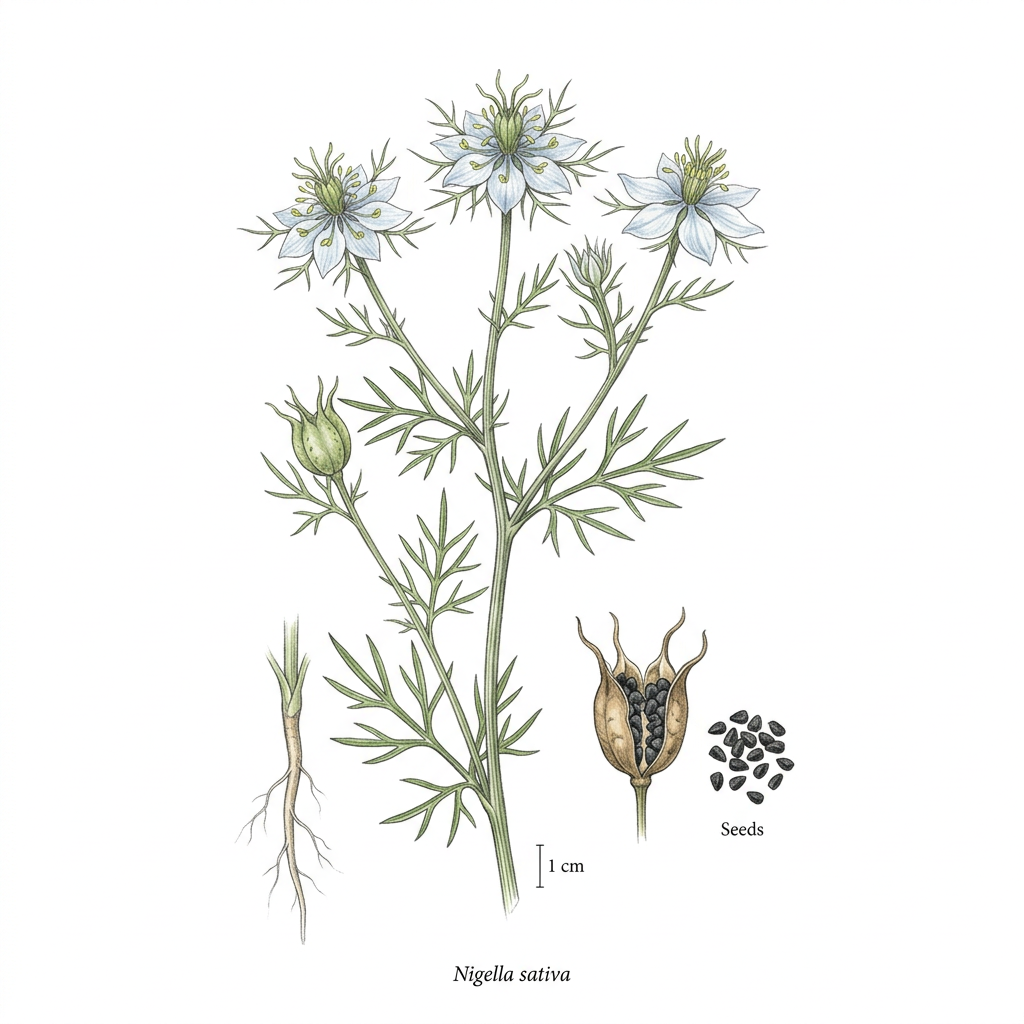
Black Cumin Seed

Black Cumin Seed

Nigella sativa

Antioxidant Support
Pau D'Arco

Pau D'Arco

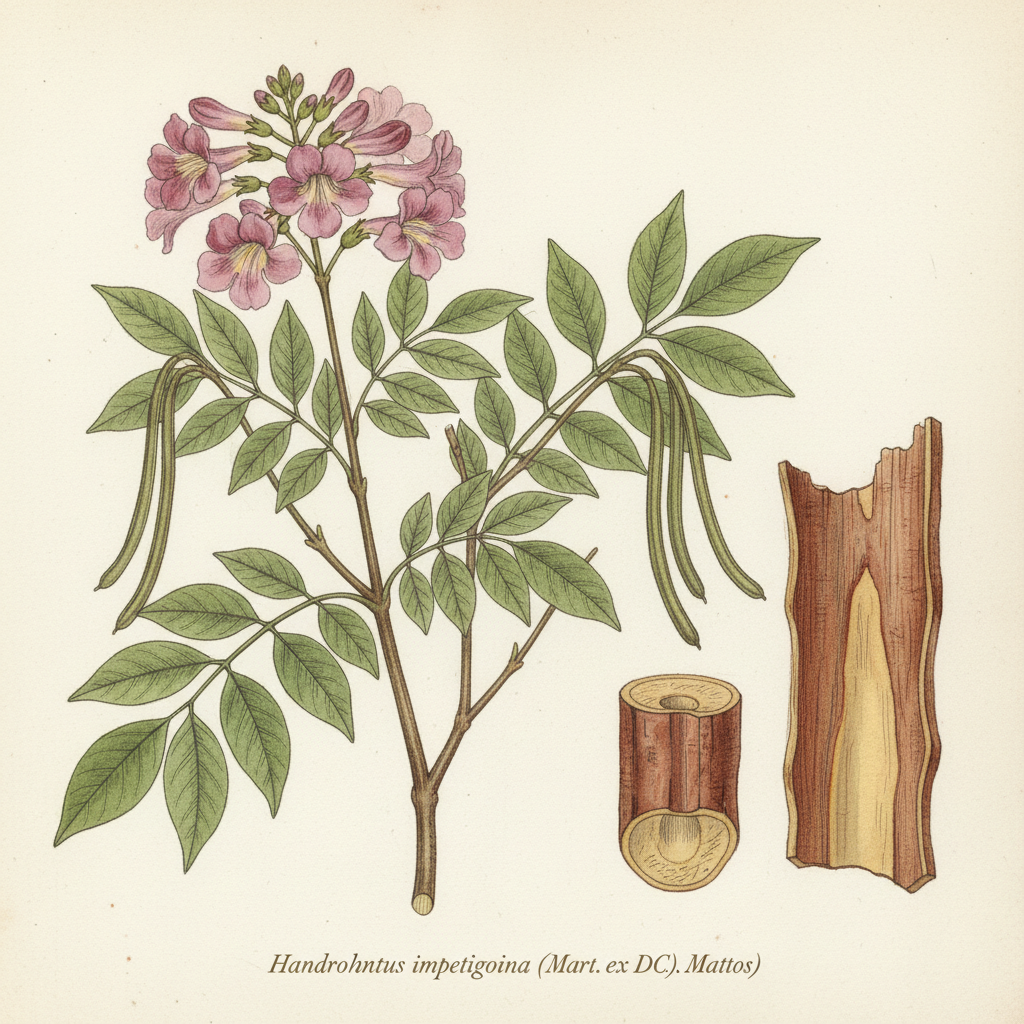
Handroanthus impetiginosa

Immune Support
Dog rose

Dog rose

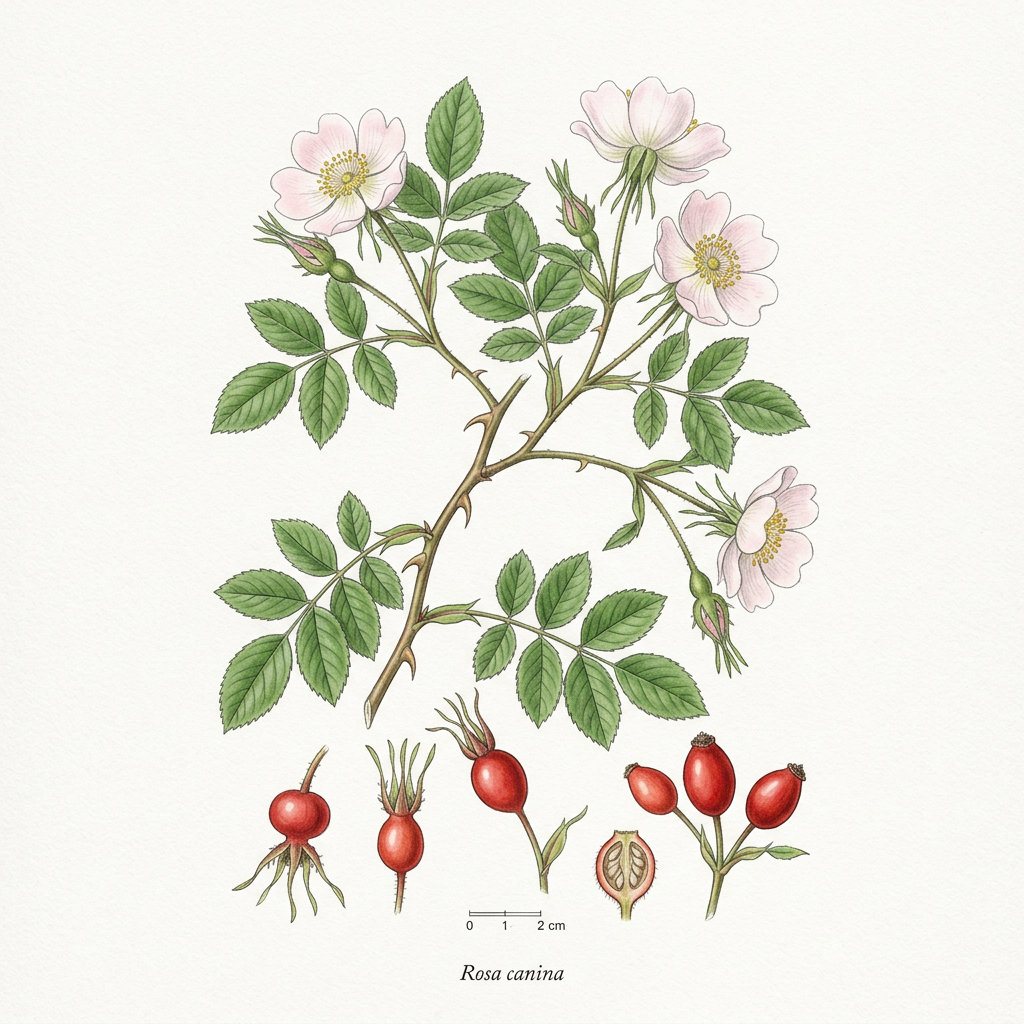
Rosa canina

Immune Support
Mistletoe

Mistletoe

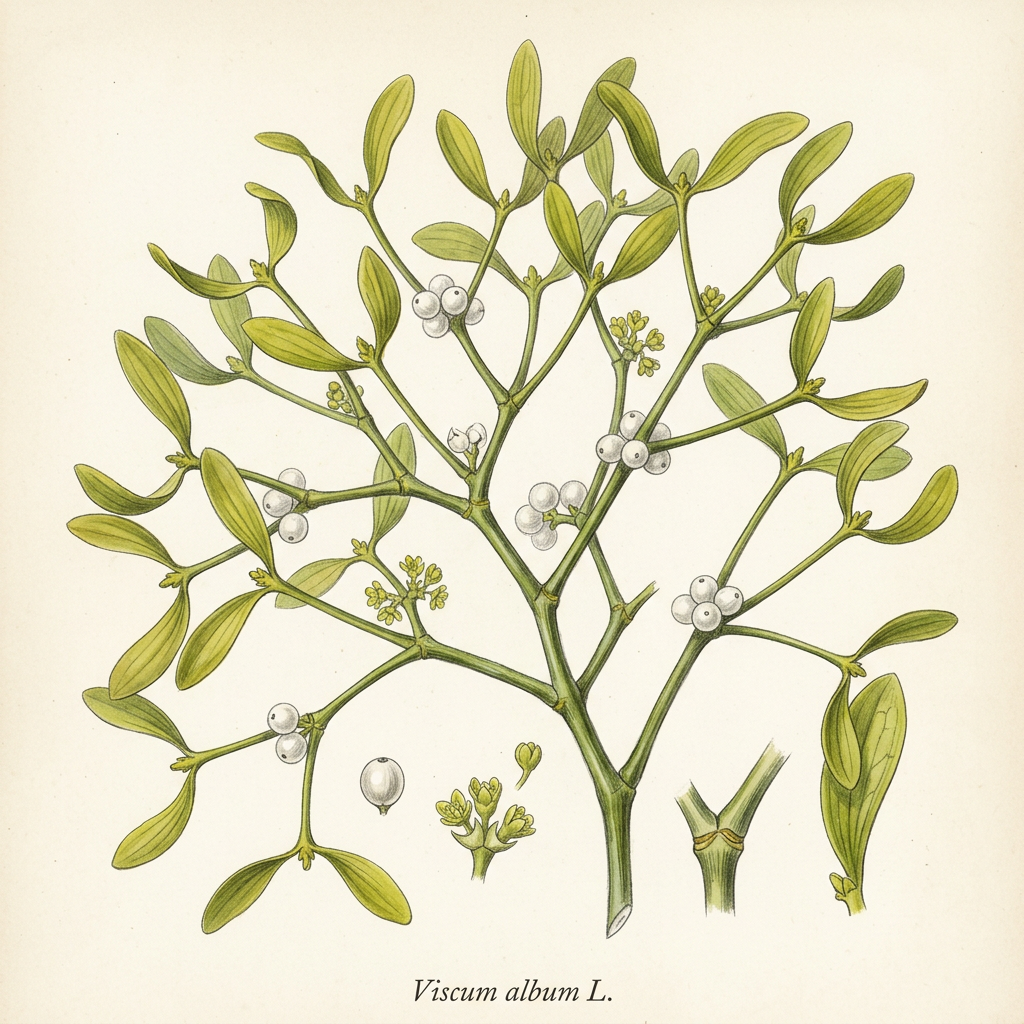
Viscum album

Immune Support