The Wild Sage logo
The Wild Sage Logo

Herbal Medicine at your fingertips

Comprehensive database of herbal remedies with detailed safety information and traditional uses

New to herbal terms? Read the glossary →
ADHD
Abcess
Acid Reflux Relief
Acinetobacter
Acne
Acne Vulgaris
Addisons
Adenomyosis
Adenovirus
Adrenal fatigue
Aging
Aids
Alcaligenes faecalis
Alcoholism
Allergic Rhinitis
Allergies
Allergy
Alopoecia
Alopoecia nervosa
Alzheimer's, Dementia & Cognitive Decline
420 herbs found
Important: This information is for educational purposes only. Always consult with qualified healthcare professionals before using herbal remedies, especially if you have existing health conditions or take medications.
Chamomile

Chamomile

Matricaria recutita

low risk Risk
Asteraceae
Calming, soothing, promotes relaxation and reduces stress. Known for its ability to support emotional balance and aid in sleep.
<p>Chamomile (Matricaria recutita) is a cherished herb that has graced traditional medicine for centuries, renowned for its delicate, daisy-like flowers and soothing properties. Historically, chamomile was revered by ancient civilizations, including the Egyptians and Greeks, who utilized it for its calming effects and therapeutic potential. Its name, derived from the Greek word "chamaimelon," translates to "ground apple," a nod to the herb's pleasant, apple-like fragrance. Over the years, chamomile has become a staple in herbal folklore, celebrated for its multifaceted uses ranging from promoting relaxation to enhancing digestive health. The therapeutic properties of chamomile are profound, making it one of the most widely used herbal remedies today. Its primary actions include potent anti-inflammatory, calming, and digestive-aiding effects. The herb is particularly effective in alleviating symptoms of anxiety and insomnia, as it promotes relaxation by modulating neurotransmitters in the nervous system, providing a gentle, natural alternative to pharmaceutical options. Additionally, chamomile’s anti-inflammatory properties make it valuable in soothing digestive disturbances, such as bloating and cramping. It is commonly consumed as a tea, but it can also be found in tinctures, capsules, and topical formulations to harness its diverse benefits. The effectiveness of chamomile can be attributed to its rich composition of bioactive compounds, including flavonoids and essential oils. Among these, apigenin—a specific flavonoid—is believed to play a significant role in inducing tranquility and sleepiness by binding to GABA receptors in the brain, leading to reduced anxiety levels. Moreover, chamomile’s antispasmodic effects help to relax smooth muscles in the gastrointestinal tract, facilitating digestion and alleviating discomfort. Its versatility and gentle nature allow it to be accessible for all age groups, making chamomile not just a herbal remedy, but a beloved companion for wellness and serenity throughout everyday life.</p>

Uses & Conditions

Digestive Tonic
Nervine Support
Wound Healing
Anxiety
Insomnia
Inflammatory Bowel Disease
Irritable Bowel Syndrome
Gastritis
Colic
Diarrhoea
Food Allergies
PCOS
Eczema
Dermatitis
Boils
Haemorrhoids
Diverticulitis
Aphthous Ulcers
Anorexia
Asthma

Actions

Anti-inflammatory
Anxiolytic
Sedative
Spasmolytic
Anti-allergenic
Anti-ulcer
Anti-microbial
Bitter
Diaphoretic
Cholagogue
Galactagogue

Synonyms

Chamomile
German chamomile

Parts Used

Flowers. Decocted may be best.

Native Countries

Europe
Mediterranean

USDA Hardiness Zones

USDA 3-10

Preparations & Dosage

  • Infusion: 1-2g dried flower heads in 150ml boiling water, steep 5-10 minutes, drink 3 times daily
  • Tincture: 1:2, 45% ethanol, 3-6ml daily
  • Decoction: 6-12g dried flower heads daily
  • Topical: Cooled infusion or ointment (max 1% concentration) applied to affected skin
  • Steam Inhalation: 1 tablespoon dried flowers in steaming water

Maximum weekly dose: 20-40ml

Contraindications

  • Known allergy to members of the Asteraceae/Compositae family, such as ragweed, chrysanthemums, or daisies
  • Pregnancy: avoid high therapeutic doses due to potential for uterine stimulation
  • Severe hypersensitivity: discontinue use if signs of contact dermatitis or respiratory irritation occur
  • Pre-surgical planning: discontinue use at least two weeks prior to elective surgery

Potential Side Effects

  • Rare allergic reactions

Interactions

  • Anticoagulants such as warfarin: potential theoretical risk of increased bleeding due to coumarin content
  • Benzodiazepines and sedative medications: may have an additive effect, increasing drowsiness
  • Immunosuppressant drugs: caution advised due to potential mild immunostimulant properties

Dosage Calculator

Community Photos

No community photos yet. Sign in to upload photos.

Reviews & Ratings

Sign in to leave a review.

No reviews yet. Be the first!

GF

Garreth Falls — B.Th., Dip. H.M., MNIMH

Content curated and reviewed by Garreth Falls, Consultant Medical Herbalist · The Wild Sage

Medical Disclaimer: This information is for educational purposes only and is not intended as medical advice. Always consult with qualified healthcare professionals before starting any herbal treatment.
Western tradition

Sustainability & quality

Abundant

Widespread in cultivation; ensure that the product is authentic Matricaria recutita to avoid common adulterants like Anthemis cotula.

Key constituents

Anti-inflammatory, Digestive enzymes, Sesquiterpine lactones, chamomile extract, chamomile flavonoids, chamomile essential oil, Propyl Angelate, alpha bisabolol, azulenes, Chamazulene, Matricin, Apigenin, Quercetin, Patuletin, Luteolin

References

  1. Bone & Mills "Principles and Practice of Phytotherapy" 2nd ed. 2013
  2. ESCOP Monographs 2nd ed. 2003
  3. EMA/HMPC Community Herbal Monograph
  4. Herbal Reality. Herb monographs. herbalreality.com

Reviewed by Garreth, Medical Herbalist (MNIMH) · October 2026

Related conditions

Explore conditions where Chamomile is traditionally used.

Related Herbs
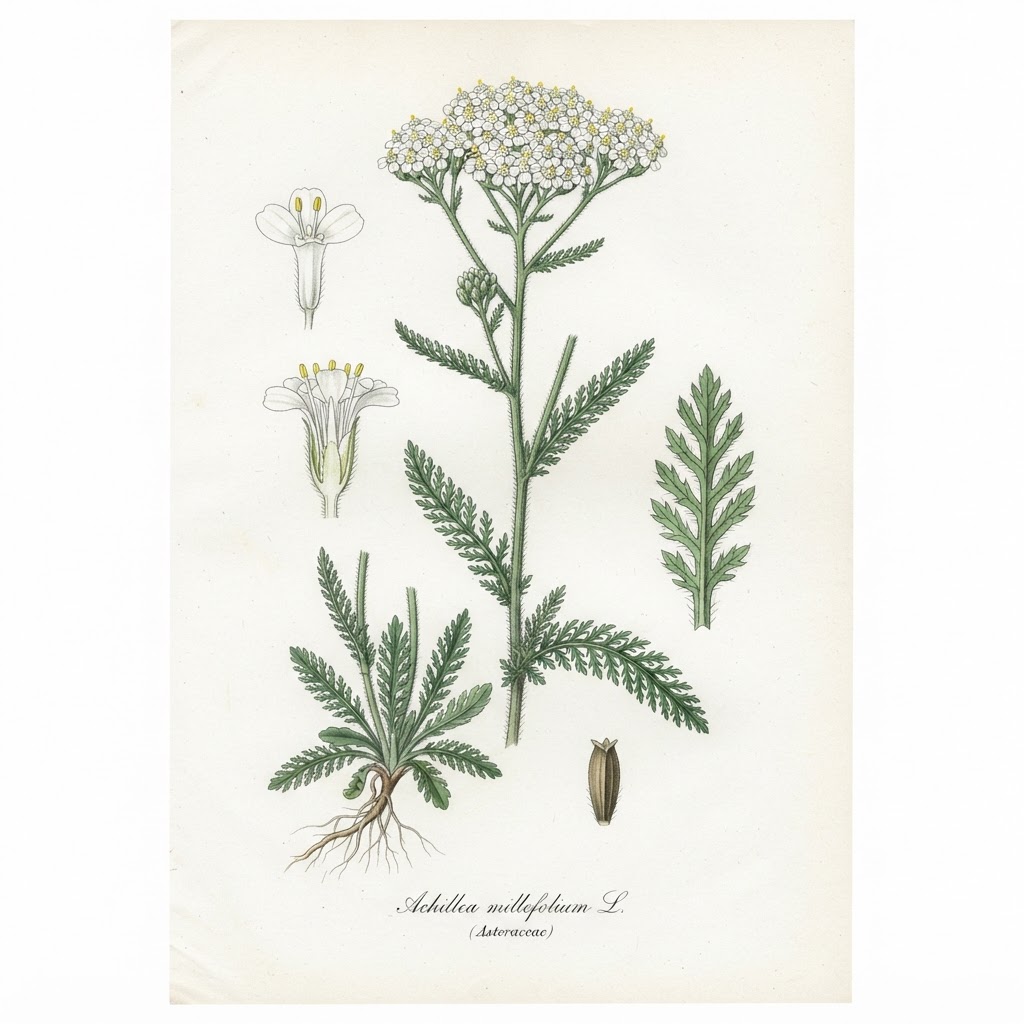
Yarrow

Yarrow

Achillea millefolium

Digestive Tonic
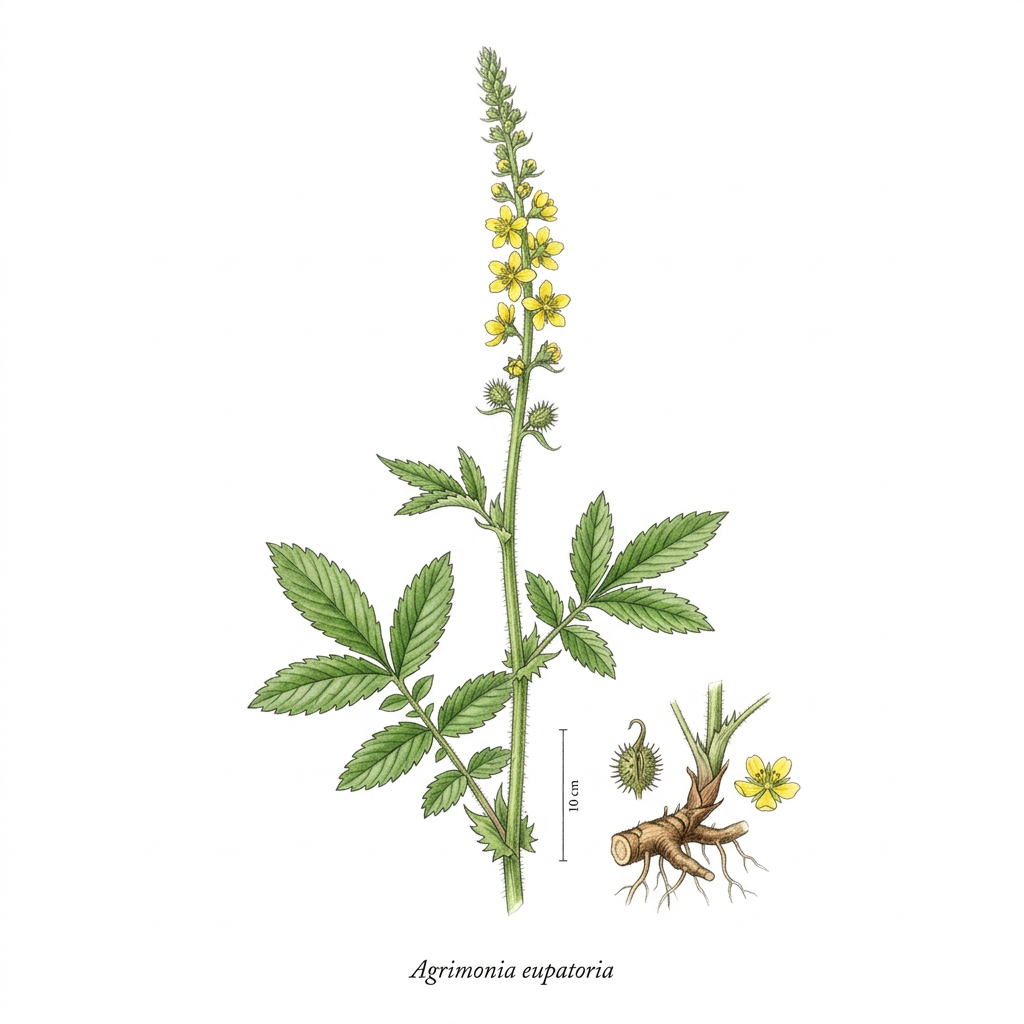
Agrimony

Agrimony

Agrimonia eupatoria

Digestive Aid
Calendula

Calendula

Calendula officinalis

Lymphatic Support
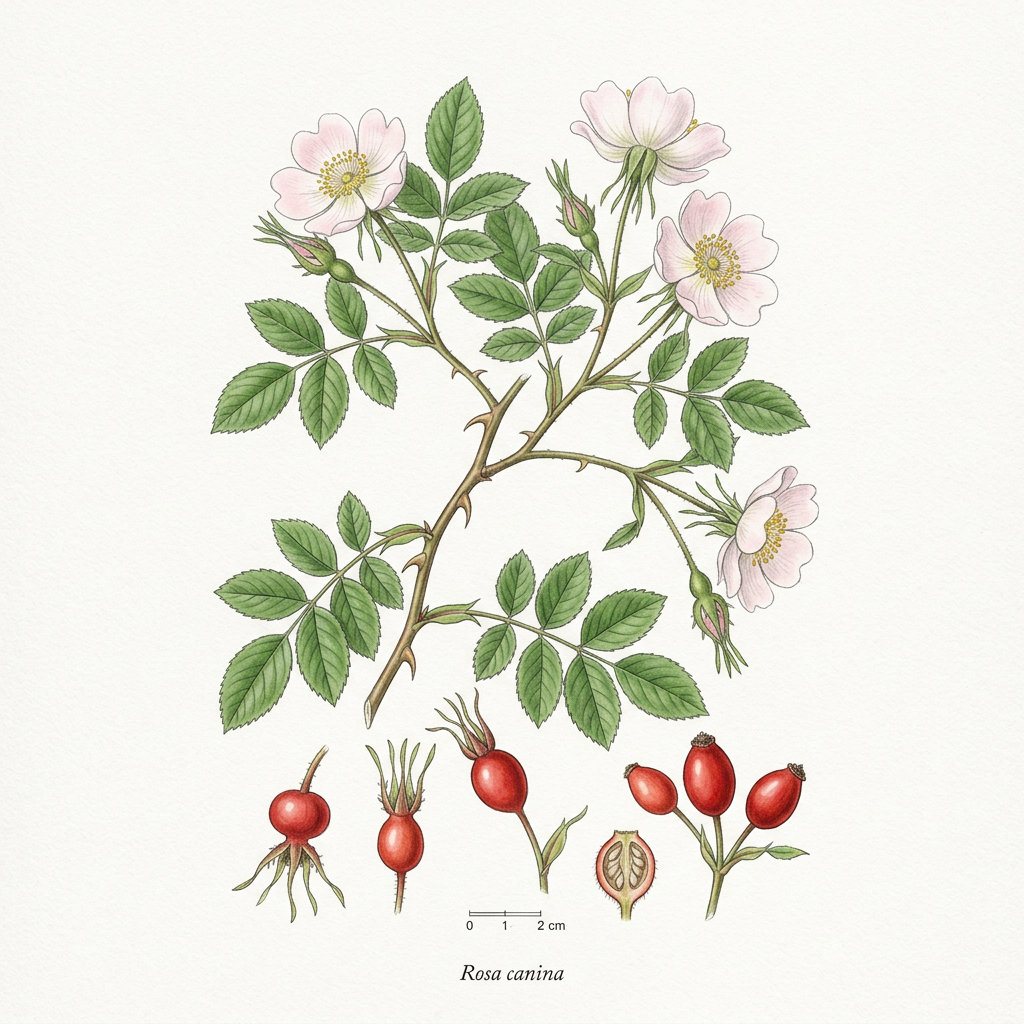
Dog rose

Dog rose

Rosa canina

Immune Support