The Wild Sage logo
The Wild Sage Logo

Herbal Medicine at your fingertips

Comprehensive database of herbal remedies with detailed safety information and traditional uses

New to herbal terms? Read the glossary →
ADHD
Abcess
Acid Reflux Relief
Acinetobacter
Acne
Acne Vulgaris
Addisons
Adenomyosis
Adenovirus
Adrenal fatigue
Aging
Aids
Alcaligenes faecalis
Alcoholism
Allergic Rhinitis
Allergies
Allergy
Alopoecia
Alopoecia nervosa
Alzheimer's, Dementia & Cognitive Decline
420 herbs found
Important: This information is for educational purposes only. Always consult with qualified healthcare professionals before using herbal remedies, especially if you have existing health conditions or take medications.
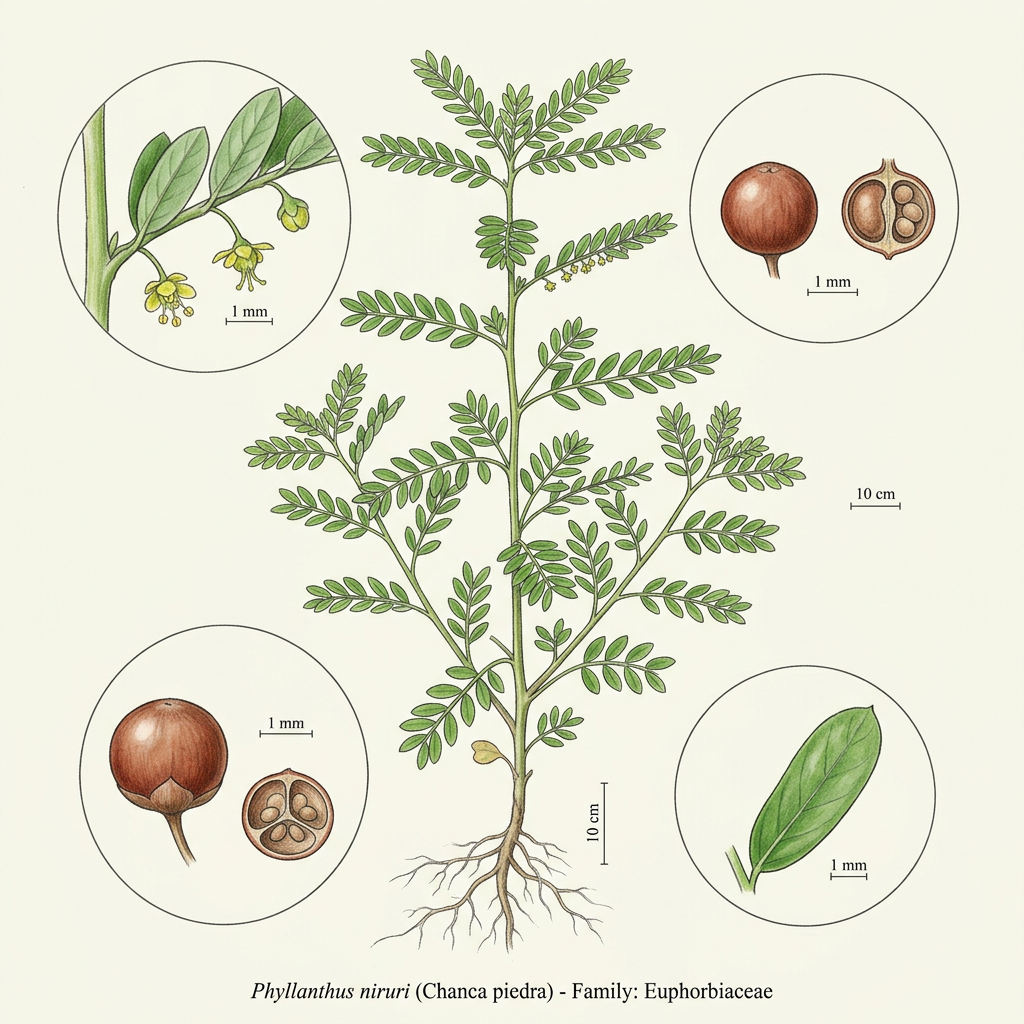
Chanca piedra

Chanca piedra

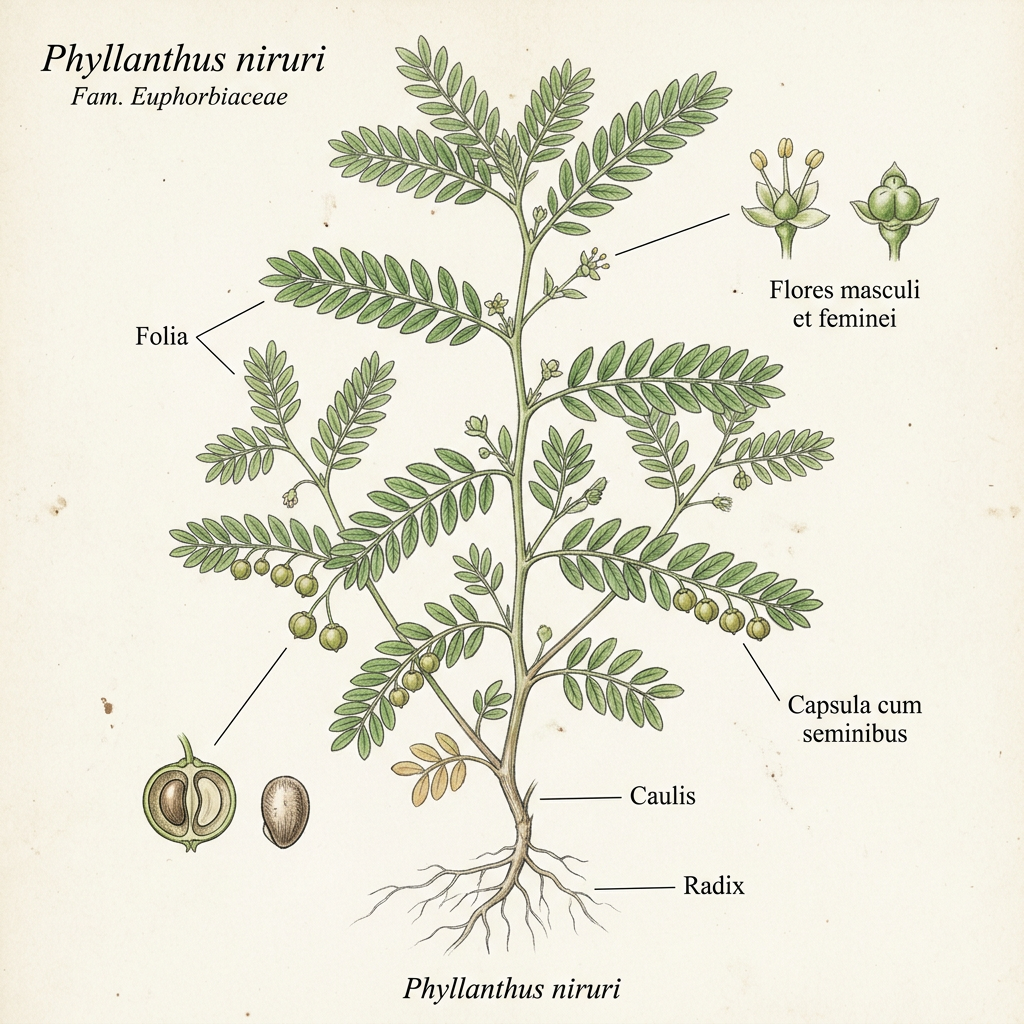
Phyllanthus niruri

moderate risk Risk
Euphorbiaceae
<p>Phyllanthus niruri, commonly known as Chanca Piedra or Stonebreaker, is a small flowering plant belonging to the Phyllanthaceae family. Predominantly found in tropical regions around the world, particularly in South America, Africa, and Asia, this herb has been utilized for centuries in traditional herbal medicine systems, such as Ayurveda and various Indigenous practices. Historically revered for its ability to support kidney health and facilitate the elimination of gallstones and kidney stones, Phyllanthus niruri has garnered attention for its potent therapeutic properties that extend far beyond its traditional uses. The therapeutic applications of Phyllanthus niruri are extensive, showcasing a range of pharmacological actions. This remarkable herb functions as an ACE (Angiotensin-Converting Enzyme) inhibitor, aiding in the regulation of blood pressure and contributing to cardiovascular health. Its anti-inflammatory and antimicrobial properties offer support in managing various inflammatory conditions and infections. Additionally, Phyllanthus niruri acts as a diuretic, promoting the excretion of excess fluids while enhancing kidney function, thus playing a vital role in maintaining renal wellness. This multifaceted herb is also believed to possess hepatoprotective effects, providing protection for the liver against toxins and bolstering overall liver health. The mechanisms by which Phyllanthus niruri exerts its beneficial effects are diverse and intriguing. The plant contains a rich array of bioactive compounds, including lignans, flavonoids, and tannins, which work synergistically to modulate various biochemical pathways in the body. For instance, the inhibition of ACE leads to a decrease in angiotensin II levels, culminating in vasodilation and subsequent lowering of blood pressure. Meanwhile, its anti-inflammatory components help diminish the production of pro-inflammatory cytokines, thereby alleviating inflammation. The diuretic action is attributed to enhanced renal blood flow and increased glomerular filtration rate, promoting urination and elimination of waste. Overall, Phyllanthus niruri exemplifies the profound potential of herbal medicine, bridging traditional wisdom with contemporary therapeutic applications and offering a holistic approach to health and well-being.</p>

Uses & Conditions

Detoxification Support
Liver Protection
Cardiovascular Health
Kidney Inflammation
Kidney Stones
Bladder Stones
Renal Weakness
Diabetes
Gallstone Elimination

Actions

ACE Inhibitor
Anti-inflammatory
Antimicrobial
Diuretic

Parts Used

Whole aerial parts including leaves
stems
and flowers

Native Countries

Brazil
Mexico
India
Colombia
Peru

USDA Hardiness Zones

10
11

Contraindications

  • Pregnancy: avoid due to reported uterine stimulant properties.
  • Breastfeeding: insufficient evidence regarding safety.
  • Hypotension: use with extreme caution.
  • Bleeding disorders: use with caution due to potential impacts on platelet aggregation.

Potential Side Effects

  • Mild gastrointestinal distress such as nausea or loose stools if taken on an empty stomach.
  • Potential for hypoglycaemia.
  • Dizziness or lightheadedness, particularly in individuals prone to hypotension.

Interactions

  • Antidiabetic medications: may potentiate hypoglycaemic effects.
  • Antihypertensive drugs: potential additive effects with ACE inhibitors or diuretics.
  • Anticoagulant or antiplatelet medication: theoretically may increase the risk of bruising or bleeding.
  • Lithium: diuretic activity may alter renal clearance and increase toxicity risk.

Dosages, tincture ratios & research — members only

Unlock Garreth's dosing guidance, tincture ratios, the dosage calculator and the research studies for Chanca piedra.

Your assessment and results stay saved — upgrading only unlocks more of them.

See membership plans

Community Photos

No community photos yet. Sign in to upload photos.

Reviews & Ratings

Sign in to leave a review.

No reviews yet. Be the first!

GF

Garreth Falls — B.Th., Dip. H.M., MNIMH

Content curated and reviewed by Garreth Falls, Consultant Medical Herbalist · The Wild Sage

Medical Disclaimer: This information is for educational purposes only and is not intended as medical advice. Always consult with qualified healthcare professionals before starting any herbal treatment.
Ayurvedic tradition

Sustainability & quality

Abundant

A common weed that grows readily; generally considered abundant in its native range.

Key constituents

Antimicrobial, Anti-inflammatory, Alkaloids, acetogenins, Cardiac glycosides, Ellatitannins, flavonoids, Lignans, Phenolic compounds

References

  1. Pole "Ayurvedic Medicine" 2006
  2. Herbal Reality. Herb monographs. herbalreality.com

Reviewed by Garreth, Medical Herbalist (MNIMH) · October 2026

Related conditions

Explore conditions where Chanca piedra is traditionally used.

Related Herbs
Stone breaker

Stone breaker

Phyllanthus niruri

Renal function improvement
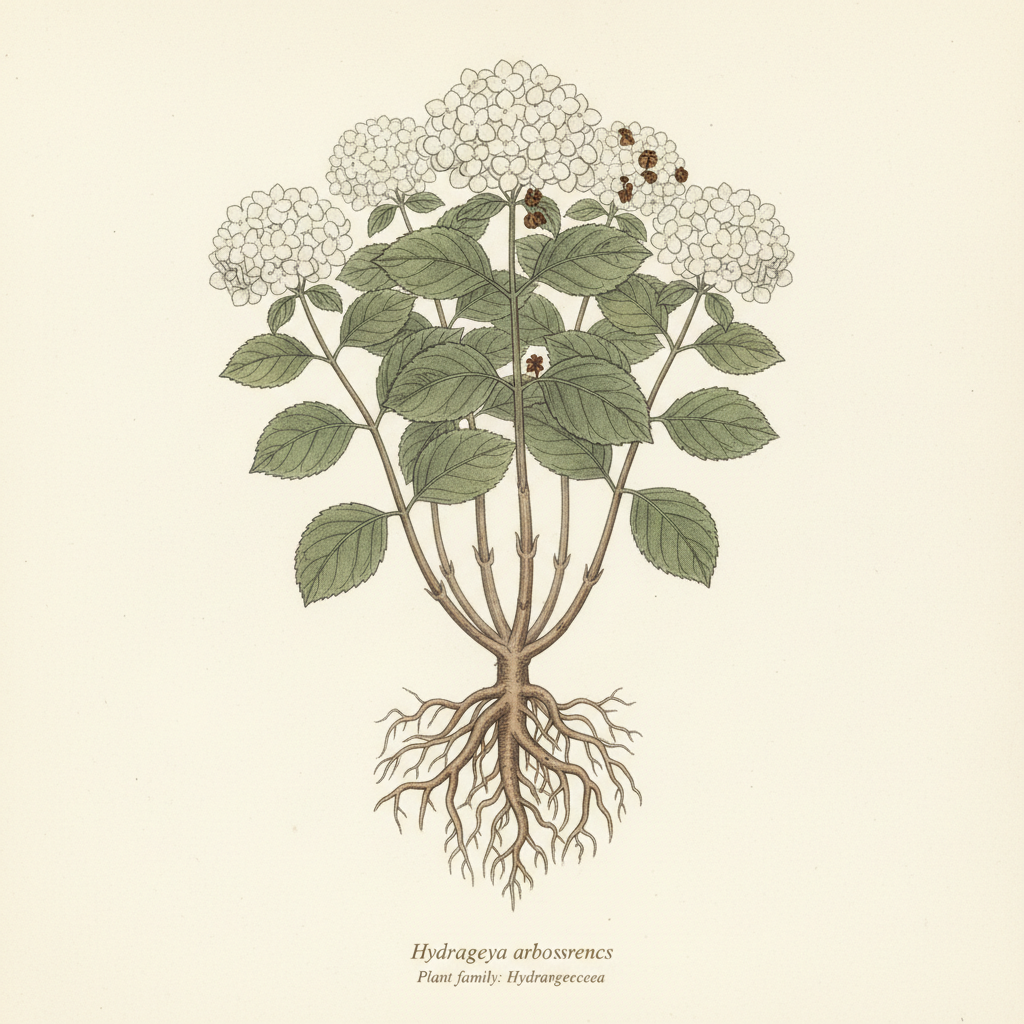
Hydrangea

Hydrangea

Hydrangea arborescens

Adrenal Tonic
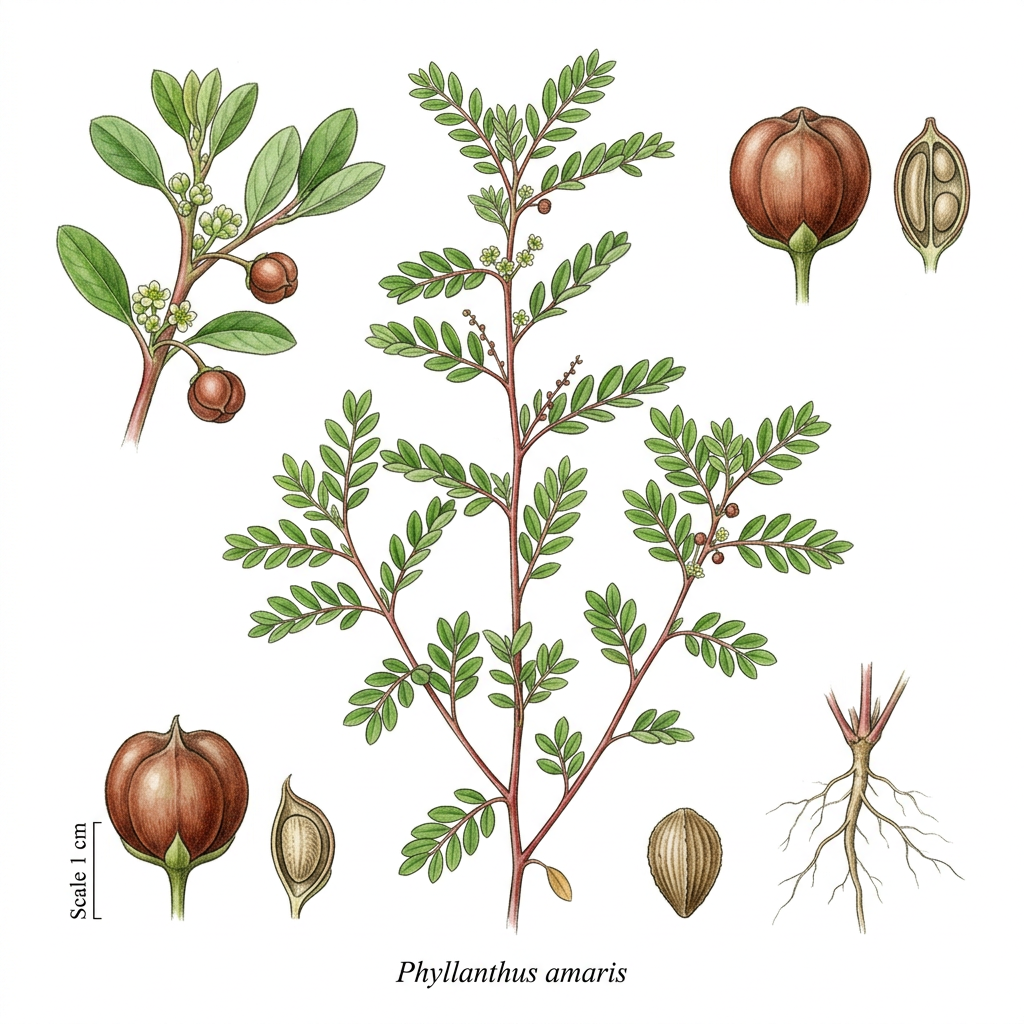
Bhumi amla

Bhumi amla

Phyllanthus amarus

Detoxification
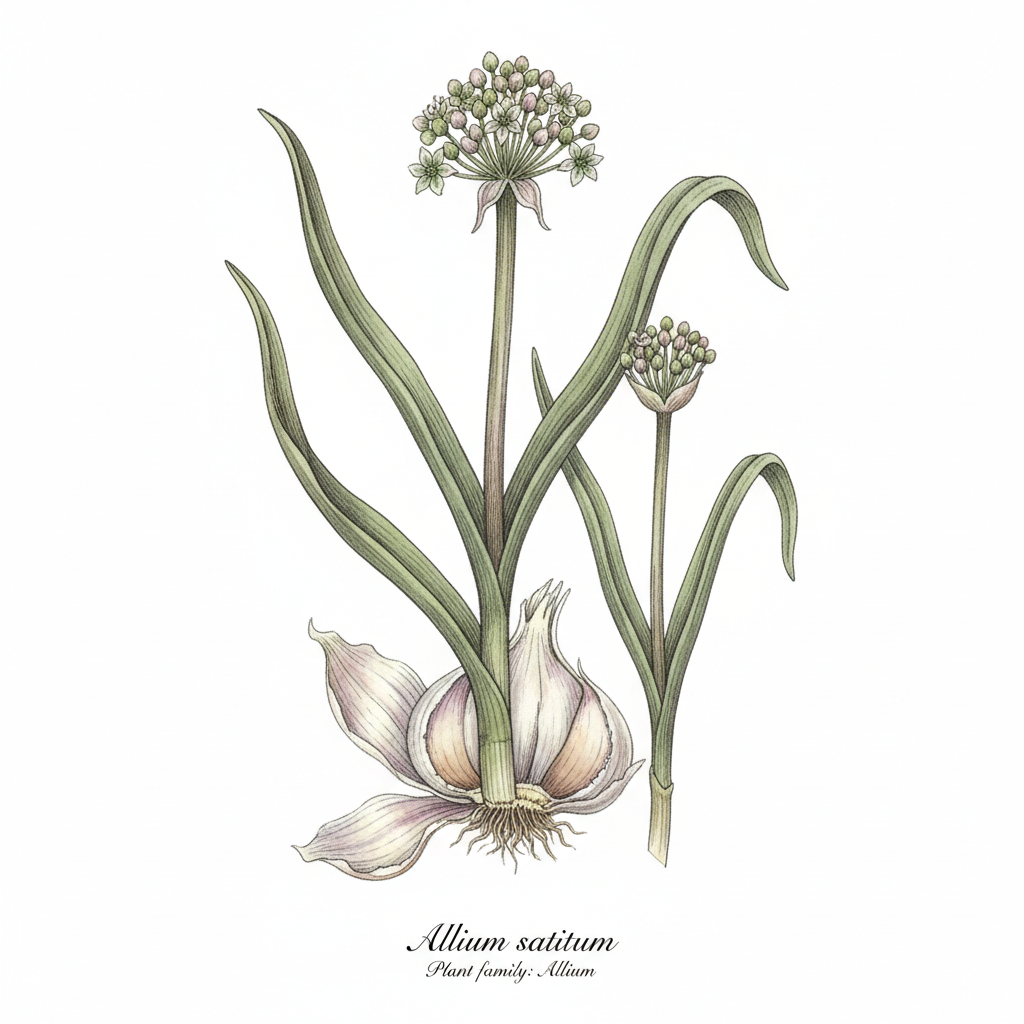
Garlic

Garlic

Allium sativum

Immune Support