The Wild Sage logo
The Wild Sage Logo

Herbal Medicine at your fingertips

Comprehensive database of herbal remedies with detailed safety information and traditional uses

New to herbal terms? Read the glossary →
ADHD
Abcess
Acid Reflux Relief
Acinetobacter
Acne
Acne Vulgaris
Addisons
Adenomyosis
Adenovirus
Adrenal fatigue
Aging
Aids
Alcaligenes faecalis
Alcoholism
Allergic Rhinitis
Allergies
Allergy
Alopoecia
Alopoecia nervosa
Alzheimer's, Dementia & Cognitive Decline
420 herbs found
Important: This information is for educational purposes only. Always consult with qualified healthcare professionals before using herbal remedies, especially if you have existing health conditions or take medications.
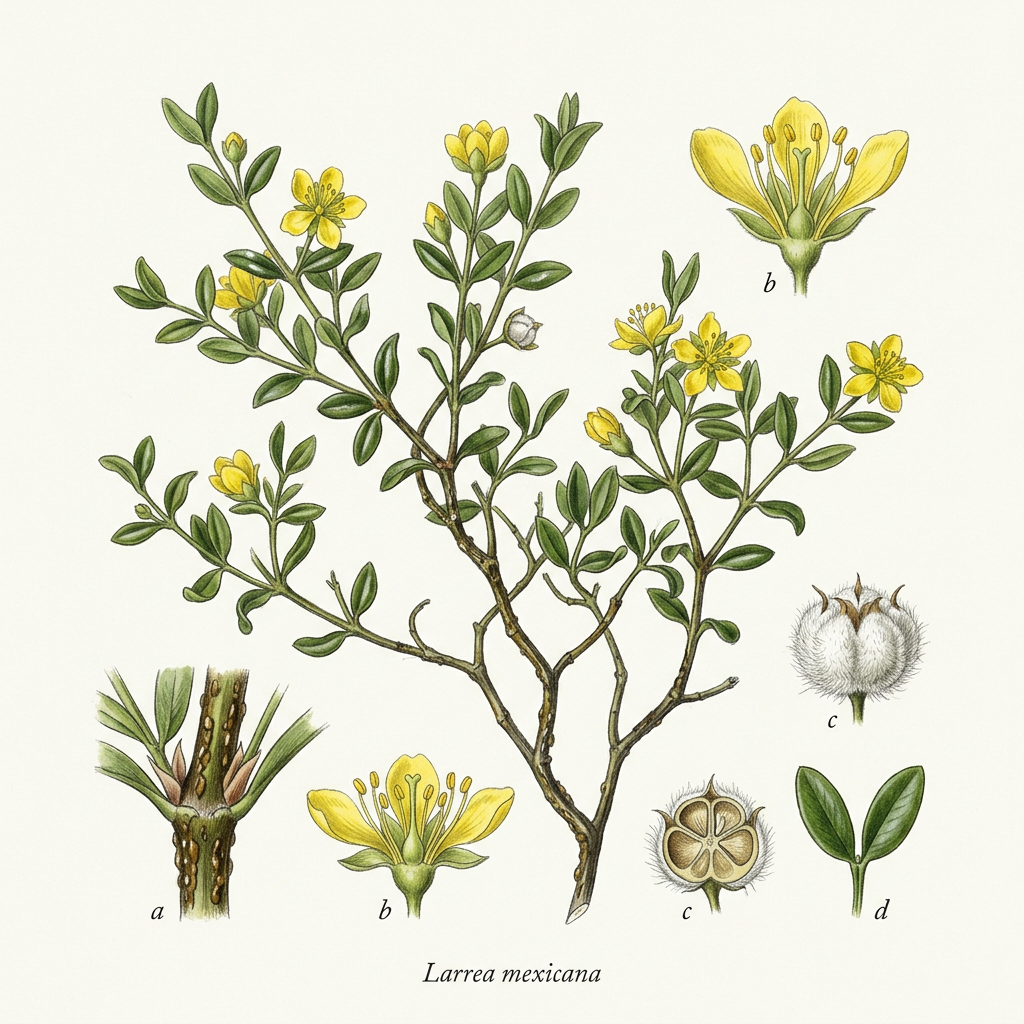
Chaparral

Chaparral

Larrea tridentata

moderate risk Risk
Zygophyllaceae
Promotes resilience and well-being, supports detoxification and energy balance.
<p>Chaparral, scientifically known as Larrea mexicana, is a resilient evergreen shrub native to the arid regions of the southwestern United States and northern Mexico. Historically utilized by Indigenous peoples, chaparral has been revered for its broad spectrum of therapeutic applications, ranging from the treatment of various ailments to its revered status in traditional medicine practices. The plant’s leaves and stems have been employed in decoctions and infusions to support overall health and address concerns such as skin conditions, respiratory issues, and detoxification processes. Its name, derived from the Spanish word "chaparral," reflects the dense thickets where it flourishes, offering not only a glimpse into its environmental habitat but also the cultural significance it has held throughout generations. The therapeutic properties of chaparral are primarily attributed to its rich profile of antioxidants, including compounds known as lignans and flavonoids. These substances play a crucial role in neutralizing free radicals and reducing oxidative stress, thereby potentially lowering the risk of chronic diseases. Additionally, chaparral has demonstrated antimicrobial and anti-inflammatory effects, which may support immune function and contribute to the alleviation of symptoms associated with various inflammatory conditions. Its traditional uses extend to respiratory support and skin health, with anecdotal evidence suggesting that chaparral may assist in soothing skin irritations and bolstering the body’s natural defenses against pathogens. At the physiological level, chaparral acts through a multifaceted approach. The antioxidants found in this herb help to protect cellular integrity by scavenging harmful free radicals. Furthermore, its anti-inflammatory compounds may inhibit pro-inflammatory cytokines, providing relief and promoting healing in tissues. Additionally, chaparral is believed to support liver function, enhancing the body's detoxification capabilities and promoting overall well-being. This dynamic interplay of bioactive components makes chaparral a compelling subject of study within herbal medicine, offering a unique blend of historical significance and contemporary therapeutic potential. As research continues to unfold, chaparral stands out as a noteworthy herb for those seeking natural means of bolstering health and vitality.</p>

Uses & Conditions

Immune Support
Detoxification
Cellular Protection
Healing Promotion
Cancer
Skin Conditions
Oxidant Stress
Arthritis
Respiratory Issues
Liver Support
Microbial Infection

Actions

Antioxidant
Hepatic
Anti-inflammatory
Detoxifier

Synonyms

Larrea

Parts Used

Leaves
Young stems

Native Countries

North America

USDA Hardiness Zones

USDA 8-10

Contraindications

  • Hepatitis
  • Liver disease
  • Pregnancy
  • Lactation

Potential Side Effects

  • Hepatotoxicity
  • Nausea
  • Abdominal cramping
  • Allergic contact dermatitis

Interactions

  • Hepatotoxic drugs such as paracetamol or statins
  • Immunosuppressants
  • Anticoagulants

Dosages, tincture ratios & research — members only

Unlock Garreth's dosing guidance, tincture ratios, the dosage calculator and the research studies for Chaparral.

Your assessment and results stay saved — upgrading only unlocks more of them.

See membership plans

Community Photos

No community photos yet. Sign in to upload photos.

Reviews & Ratings

Sign in to leave a review.

No reviews yet. Be the first!

GF

Garreth Falls — B.Th., Dip. H.M., MNIMH

Content curated and reviewed by Garreth Falls, Consultant Medical Herbalist · The Wild Sage

Medical Disclaimer: This information is for educational purposes only and is not intended as medical advice. Always consult with qualified healthcare professionals before starting any herbal treatment.
Western tradition

Sustainability & quality

At risk

Overharvesting and slow growth rates make wild populations vulnerable. Use only ethically wild-harvested or cultivated materials from reputable suppliers.

Key constituents

Nordihydroguaiaretic acid (NDGA), Flavonoids, Lignans, Resins, Essential oils, Saponins

References

  1. Bone & Mills "Principles and Practice of Phytotherapy" 2nd ed. 2013
  2. Herbal Reality. Herb monographs. herbalreality.com

Reviewed by Garreth, Medical Herbalist (MNIMH) · October 2026

Related conditions

Explore conditions where Chaparral is traditionally used.

Related Herbs
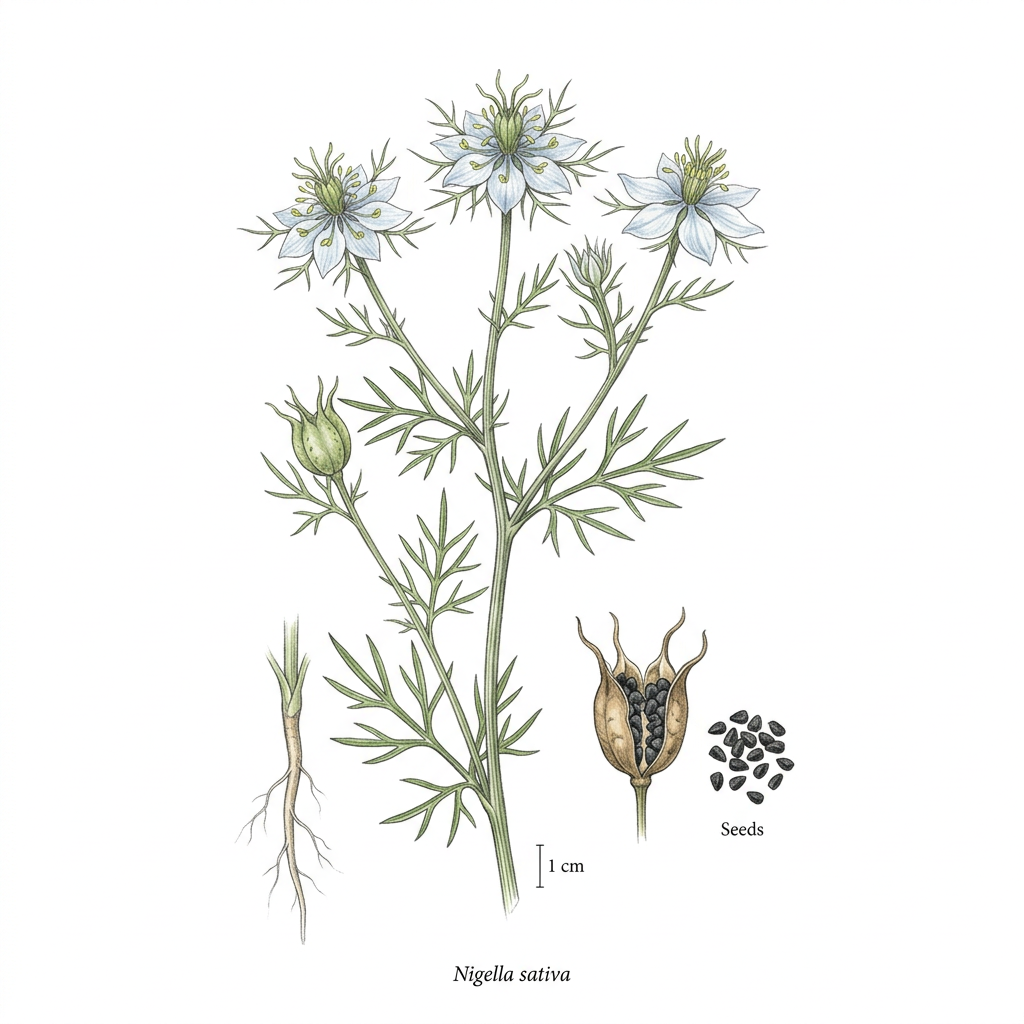
Black Cumin Seed

Black Cumin Seed

Nigella sativa

Antioxidant Support
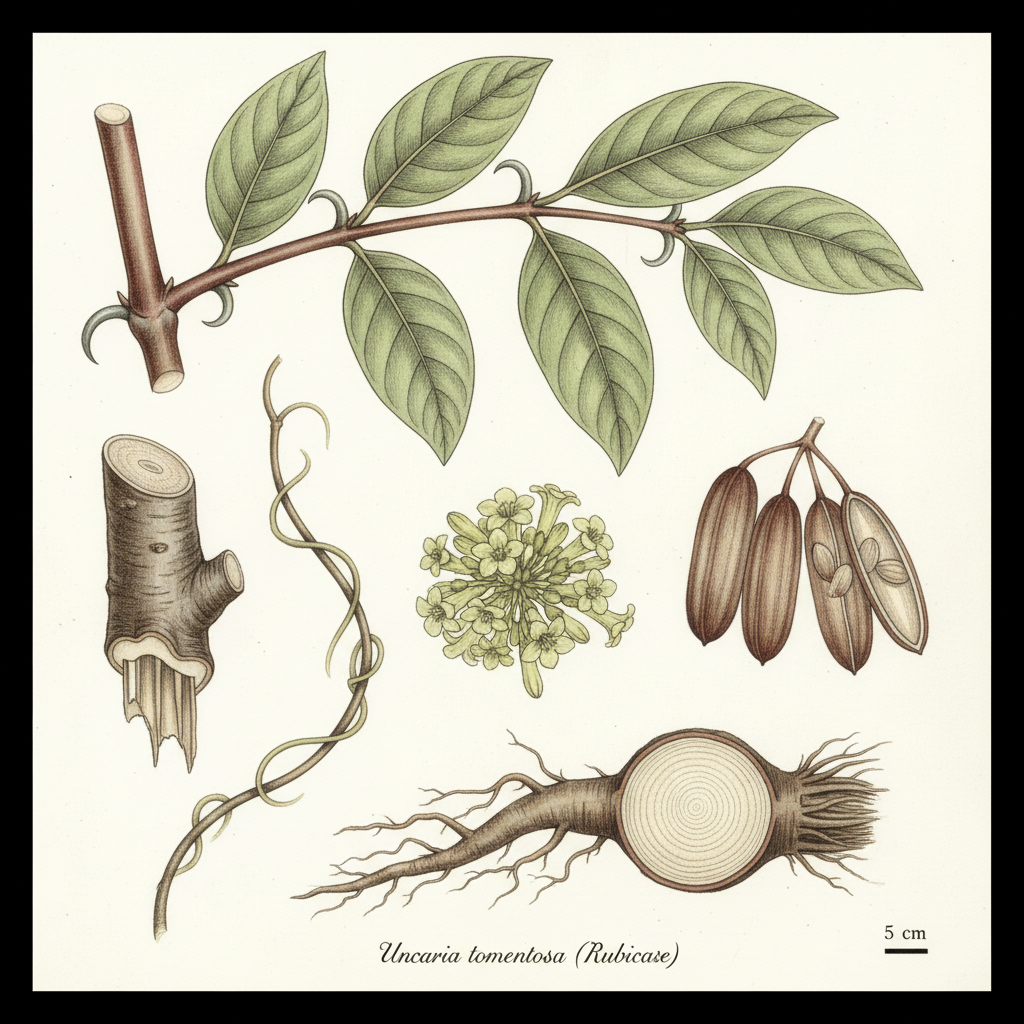
Cat's Claw

Cat's Claw

Uncaria tomentosa

Immune Support
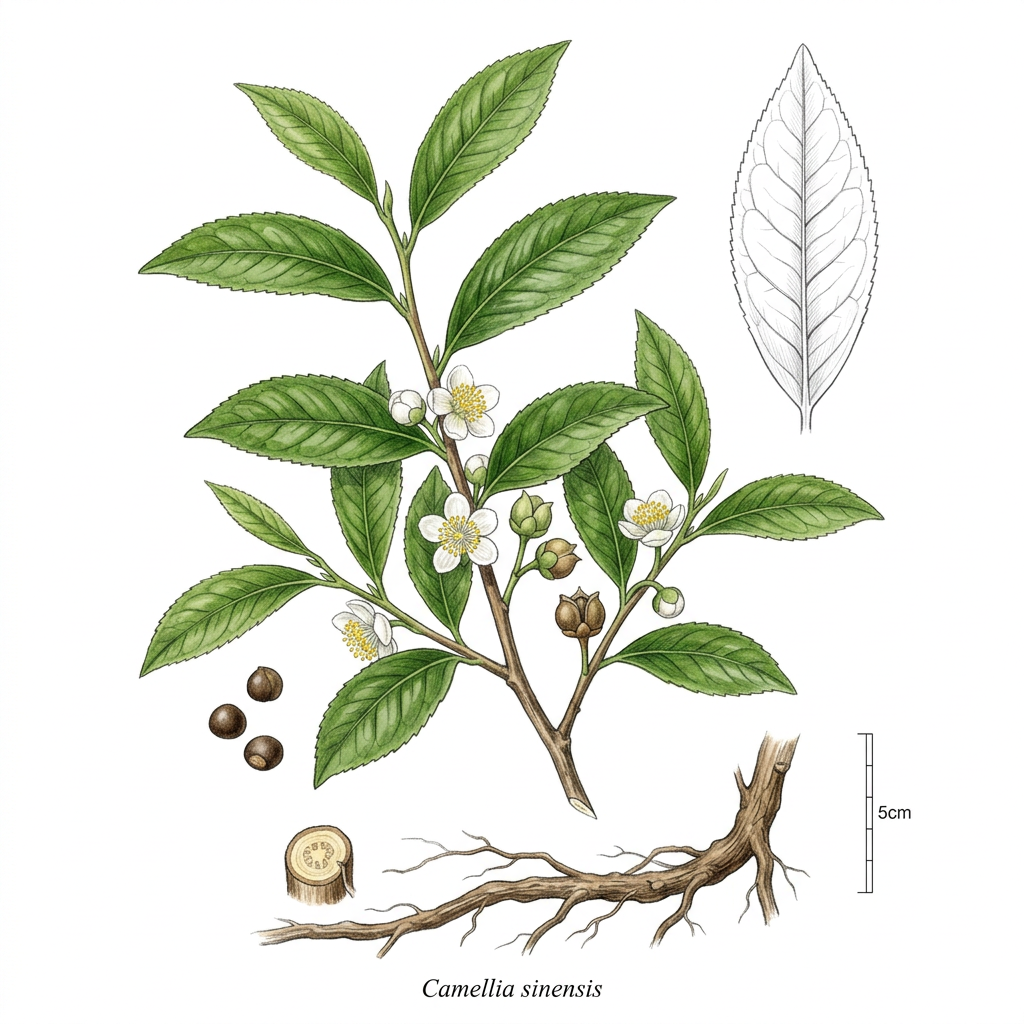
Green Tea

Green Tea

Camellia sinensis

Hypertension
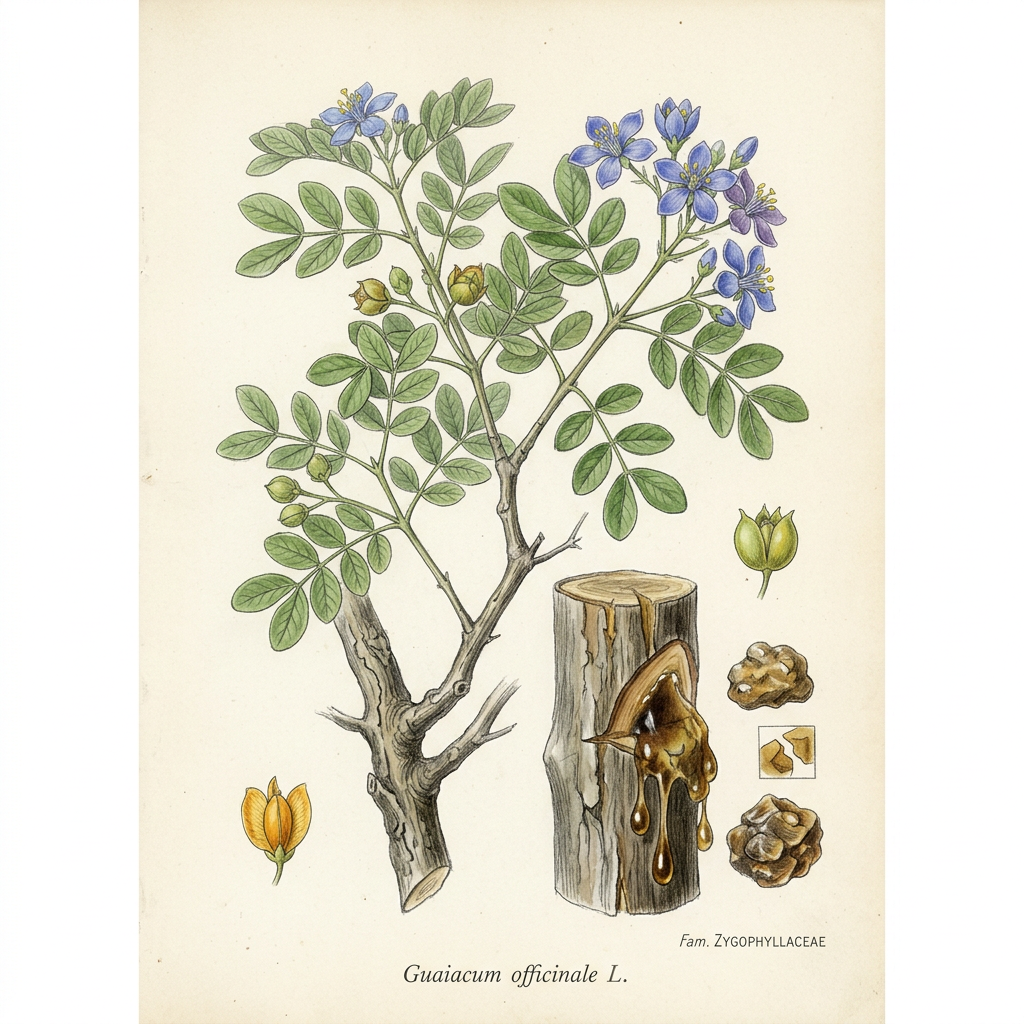
Guaiac

Guaiac

Guaiacum officinale

Detoxification