The Wild Sage logo
The Wild Sage Logo

Herbal Medicine at your fingertips

Comprehensive database of herbal remedies with detailed safety information and traditional uses

New to herbal terms? Read the glossary →
ADHD
Abcess
Acid Reflux Relief
Acinetobacter
Acne
Acne Vulgaris
Addisons
Adenomyosis
Adenovirus
Adrenal fatigue
Aging
Aids
Alcaligenes faecalis
Alcoholism
Allergic Rhinitis
Allergies
Allergy
Alopoecia
Alopoecia nervosa
Alzheimer's, Dementia & Cognitive Decline
420 herbs found
Important: This information is for educational purposes only. Always consult with qualified healthcare professionals before using herbal remedies, especially if you have existing health conditions or take medications.
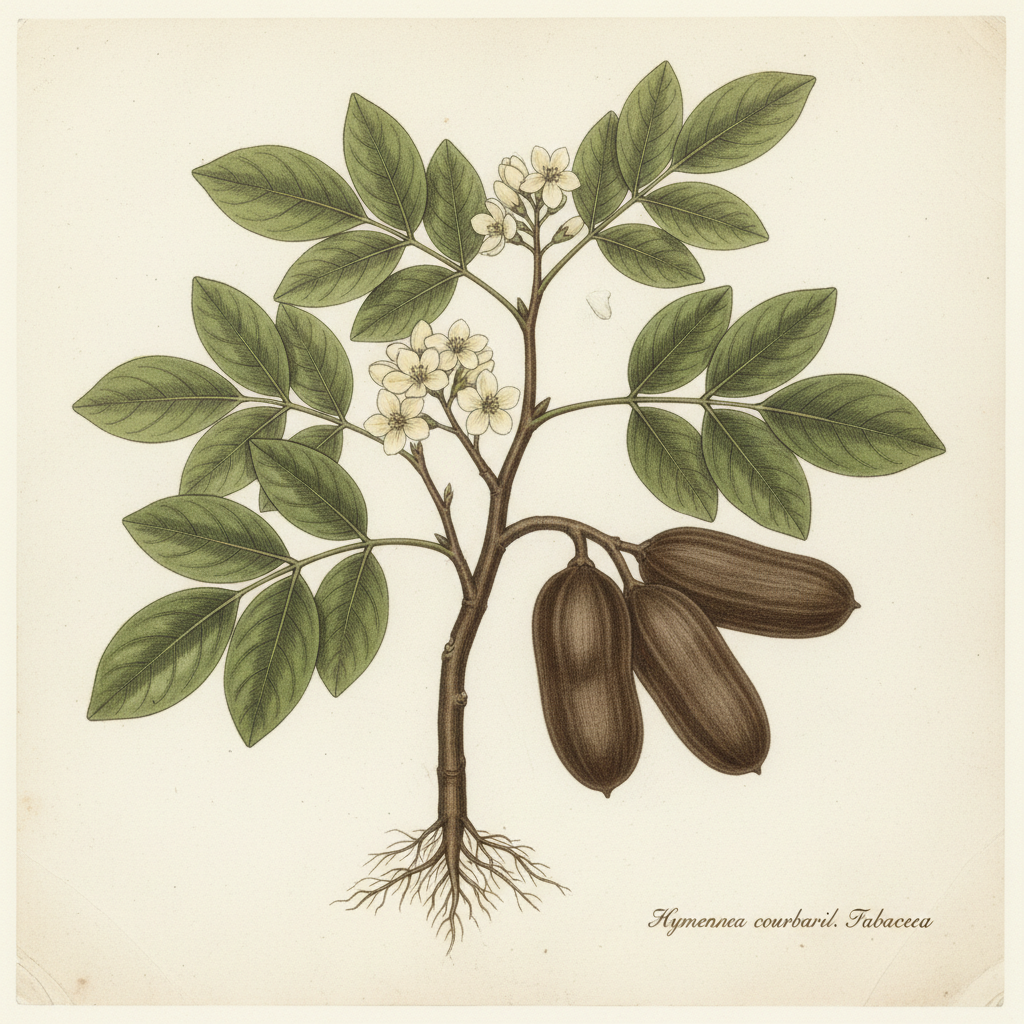
Chaparro Amargosa

Chaparro Amargosa

Castela emoryi

low risk Risk
Fabaceae
<p>**Herb Name:** Chaparo Amargosa **Scientific Name:** *Hymenaea courbaril* Chaparo Amargosa, also known as the Bitter Chaparro, is a revered botanical species historically utilized in various traditional medicine systems, particularly in Latin America. This herb is derived from the *Hymenaea courbaril* tree, which is indigenous to tropical and subtropical regions. Often celebrated for its robust, bitter flavor, Chaparo Amargosa has played a significant role in indigenous cultures, where it is traditionally used as a digestive aid and tonic, believed to support the body’s natural processes and enhance overall well-being. Historically, native communities have employed its various parts—such as the bark and leaves—in herbal concoctions to address ailments, including gastrointestinal issues and infections. In contemporary herbalism, Chaparo Amargosa is recognized for its potent anti-candida properties, making it a valuable ally in combating yeast overgrowth and promoting a balanced microbiome. This herb is rich in phytochemicals that exhibit antifungal activity, acting to inhibit the proliferation of *Candida* species in the body. Its therapeutic benefits extend beyond antifungal action, as it also supports digestive health, enhances liver function, and may promote the elimination of toxins, contributing to an overall sense of vitality and balance. The therapeutic efficacy of Chaparo Amargosa can be attributed to its bioactive compounds, which interact with the body's systems to restore equilibrium. By modulating the immune response and enhancing gut health, the herb acts as a natural regulator against fungal overgrowth while simultaneously fostering a healthy microbial environment. Incorporating Chaparo Amargosa into a wellness regimen may facilitate digestive comfort, minimize the risk of candida-related issues, and promote systemic health—a testament to the wisdom of traditional herbal practices that continue to resonate in modern holistic approaches.</p>

Uses & Conditions

Digestive Aid
Liver Function Support
Toxin Elimination
Microbiome Balance
Nutritional Tonic
Vitality Enhancement
Candida
Fungal Overgrowth
Gastrointestinal Irritation
Peptic Ulcers

Actions

Antifungal
Antioxidant
Bitter
Immunomodulant

Parts Used

Stem bark
Root bark
Twigs

Native Countries

Brazil
Mexico
Colombia
Costa Rica
Guatemala

USDA Hardiness Zones

10
11

Contraindications

  • Pregnancy and breastfeeding due to lack of safety data and potential for uterine stimulation.
  • Severe gastrointestinal irritation or peptic ulcers due to high tannin content.
  • Scheduled surgery; discontinue use at least two weeks prior to procedures.
  • Chronic hypoglycaemia; use with medical supervision.

Potential Side Effects

  • Nausea
  • Abdominal cramping
  • Mild diarrhoea
  • Dizziness

Interactions

  • Hypoglycaemic agents: potential additive effect on blood glucose levels.
  • Anticoagulants and antiplatelet drugs: theoretical risk of increased bleeding.
  • Immunosuppressants: potential to interfere with drug efficacy.
  • Use caution with prescription medicines due to limited clinical pharmacokinetic data.

Dosages, tincture ratios & research — members only

Unlock Garreth's dosing guidance, tincture ratios, the dosage calculator and the research studies for Chaparro Amargosa.

Your assessment and results stay saved — upgrading only unlocks more of them.

See membership plans

Community Photos

No community photos yet. Sign in to upload photos.

Reviews & Ratings

Sign in to leave a review.

No reviews yet. Be the first!

GF

Garreth Falls — B.Th., Dip. H.M., MNIMH

Content curated and reviewed by Garreth Falls, Consultant Medical Herbalist · The Wild Sage

Medical Disclaimer: This information is for educational purposes only and is not intended as medical advice. Always consult with qualified healthcare professionals before starting any herbal treatment.
Western tradition

Sustainability & quality

Abundant

Native to deserts; ensure harvest does not impact sensitive desert flora ecosystems.

Key constituents

Quassinoids (including castelanolide), Tannins, Alkaloids, Triterpenoids, Flavonoids, Essential oils

References

  1. Herbal Reality. Herb monographs. herbalreality.com

Related conditions

Explore conditions where Chaparro Amargosa is traditionally used.

Related Herbs
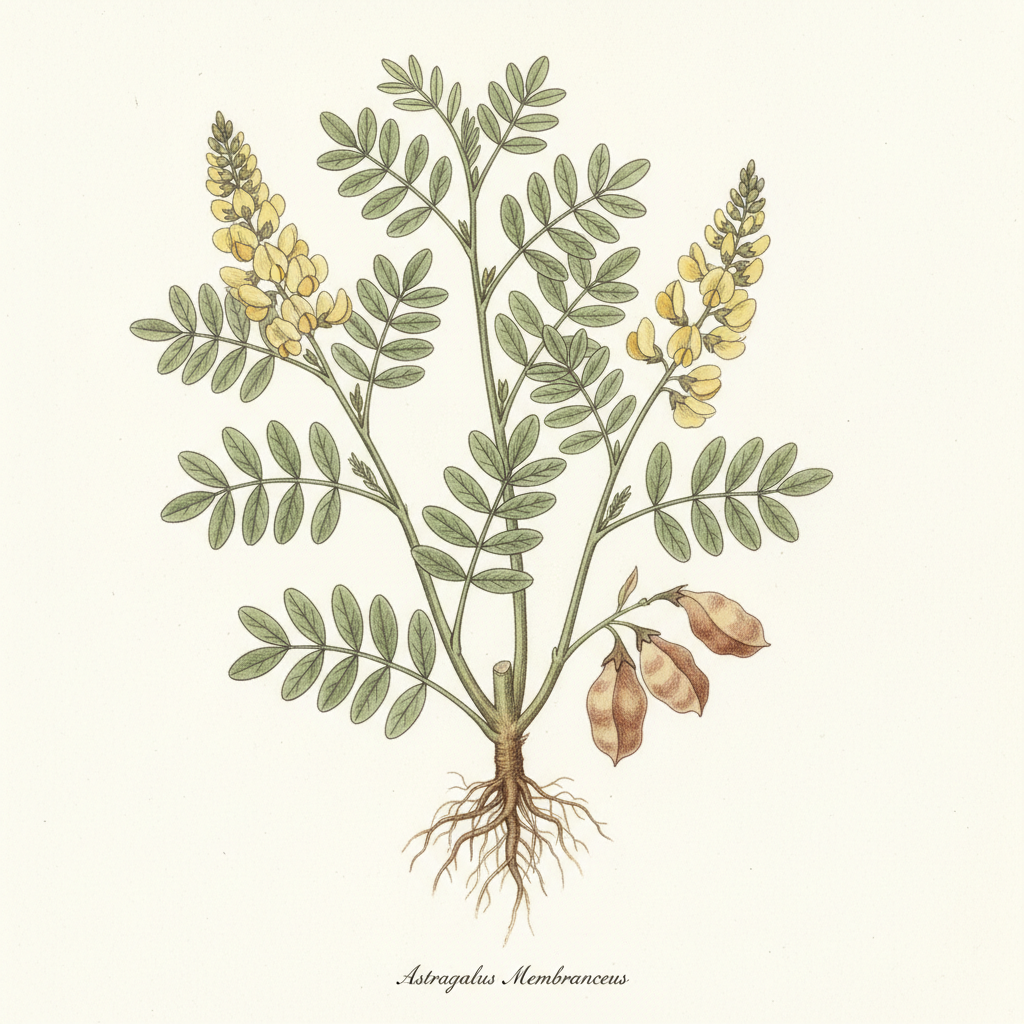
Huang qi

Huang qi

Astragalus membranaceus

Immune Support
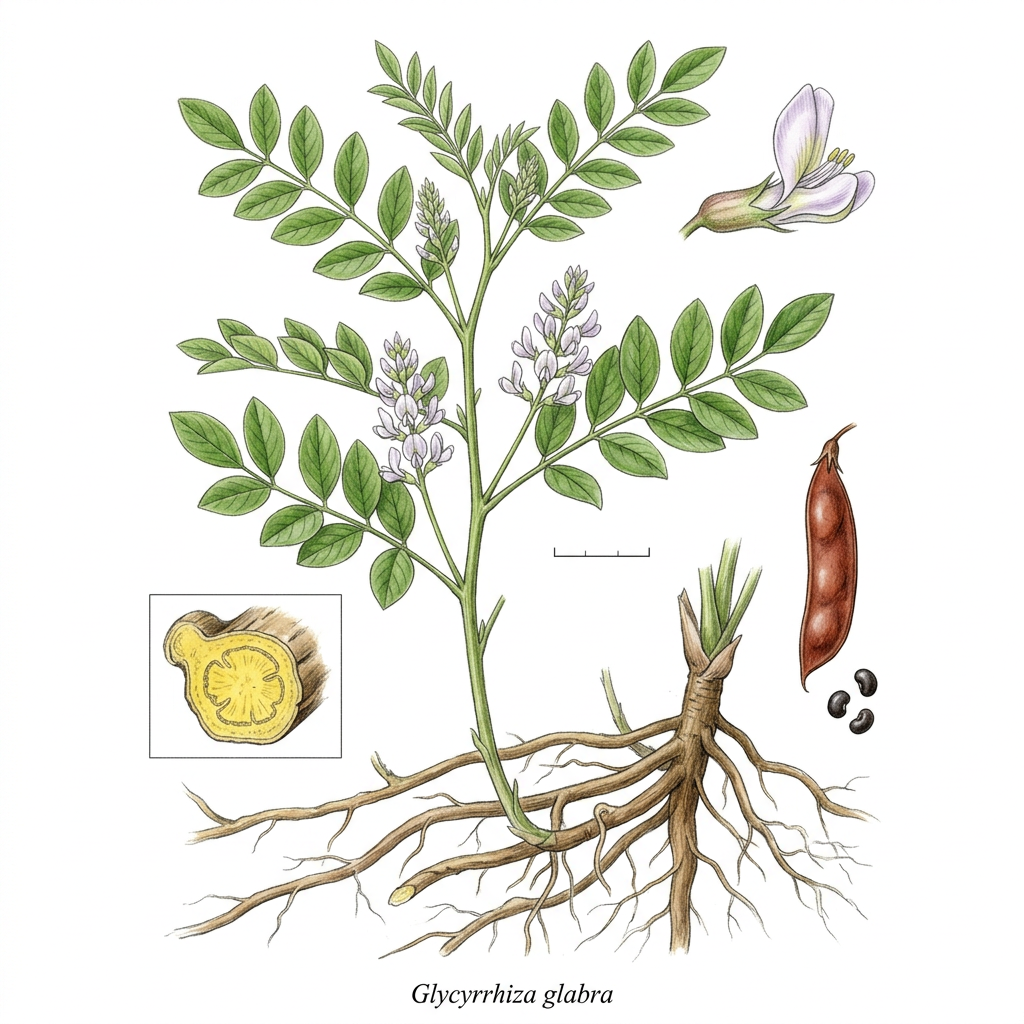
Licorice

Licorice

Glycyrrhiza glabra

Adrenal support
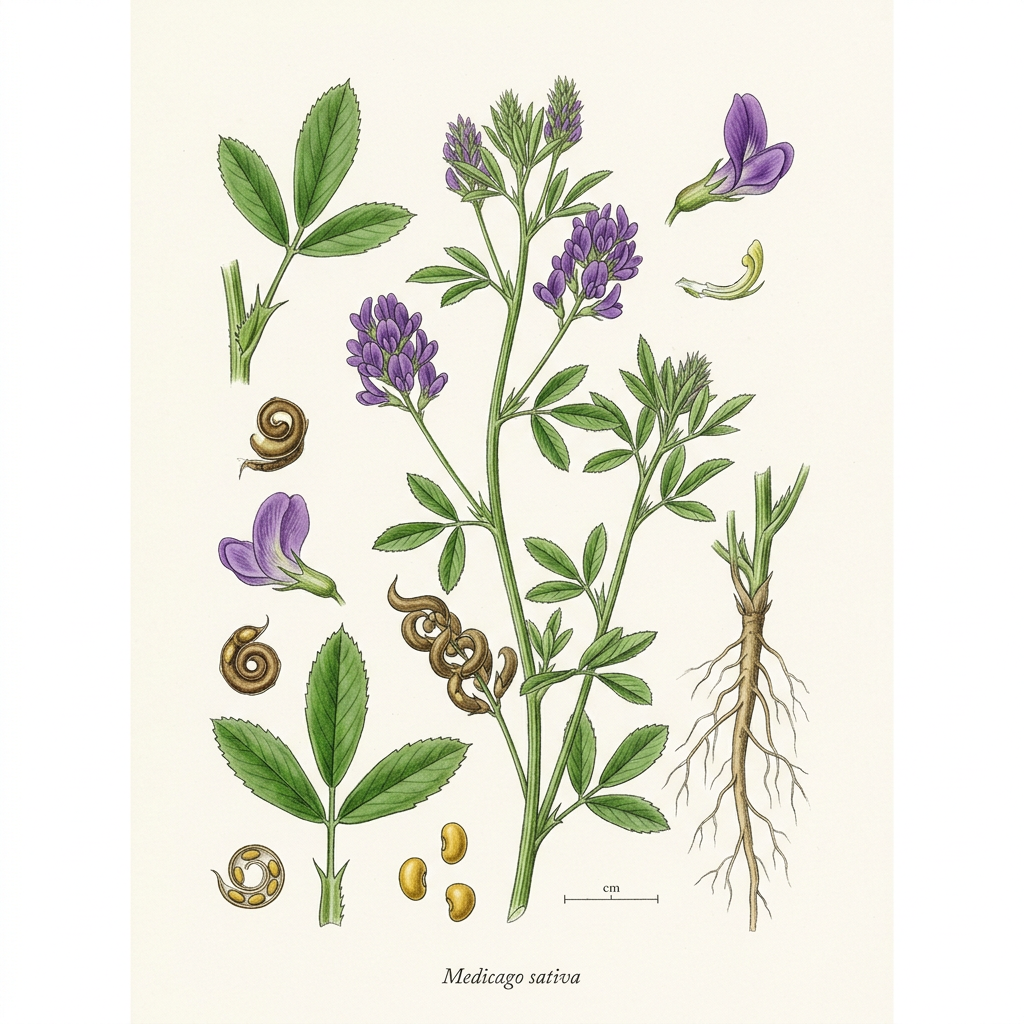
Alfalfa

Alfalfa

Medicago sativa

Nutritional Support
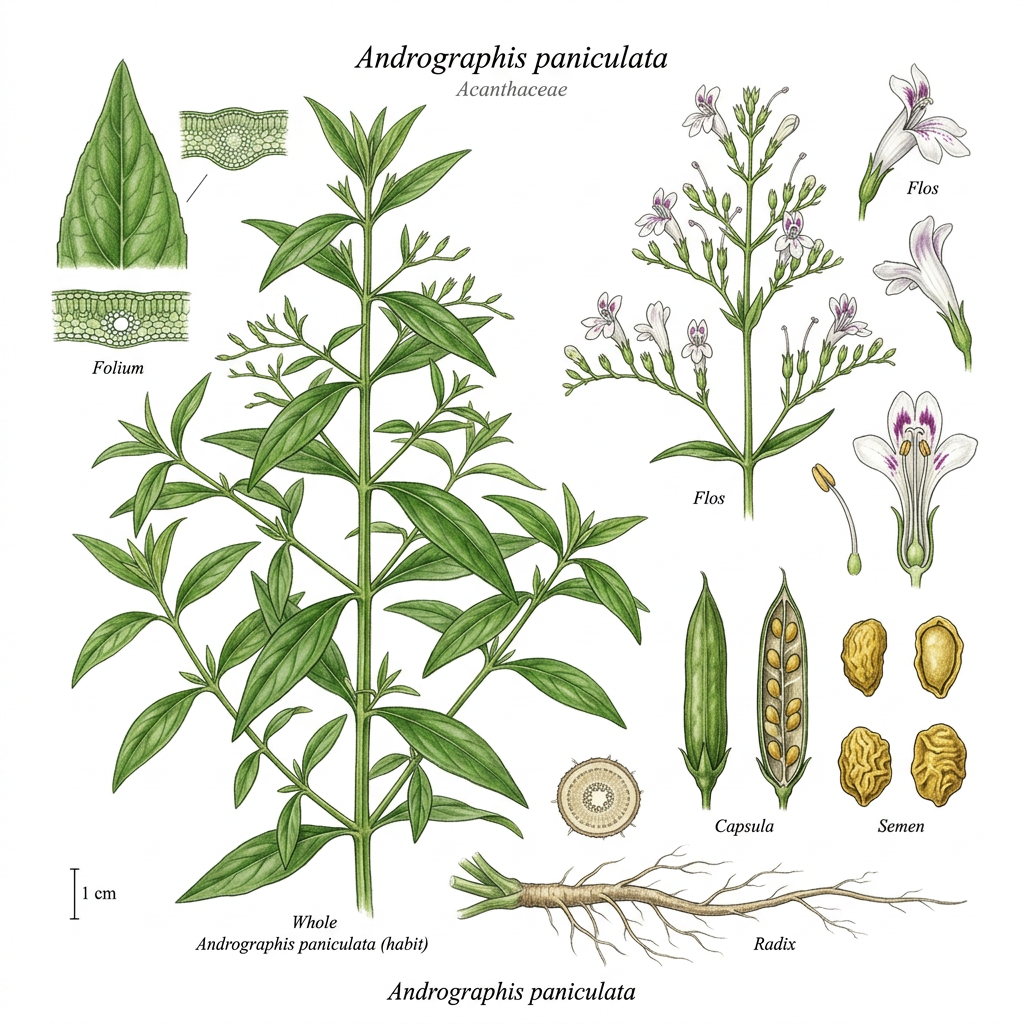
Andrographis

Andrographis

Andrographis paniculata

Immune Support