The Wild Sage logo
The Wild Sage Logo

Herbal Medicine at your fingertips

Comprehensive database of herbal remedies with detailed safety information and traditional uses

New to herbal terms? Read the glossary →
ADHD
Abcess
Acid Reflux Relief
Acinetobacter
Acne
Acne Vulgaris
Addisons
Adenomyosis
Adenovirus
Adrenal fatigue
Aging
Aids
Alcaligenes faecalis
Alcoholism
Allergic Rhinitis
Allergies
Allergy
Alopoecia
Alopoecia nervosa
Alzheimer's, Dementia & Cognitive Decline
420 herbs found
Important: This information is for educational purposes only. Always consult with qualified healthcare professionals before using herbal remedies, especially if you have existing health conditions or take medications.
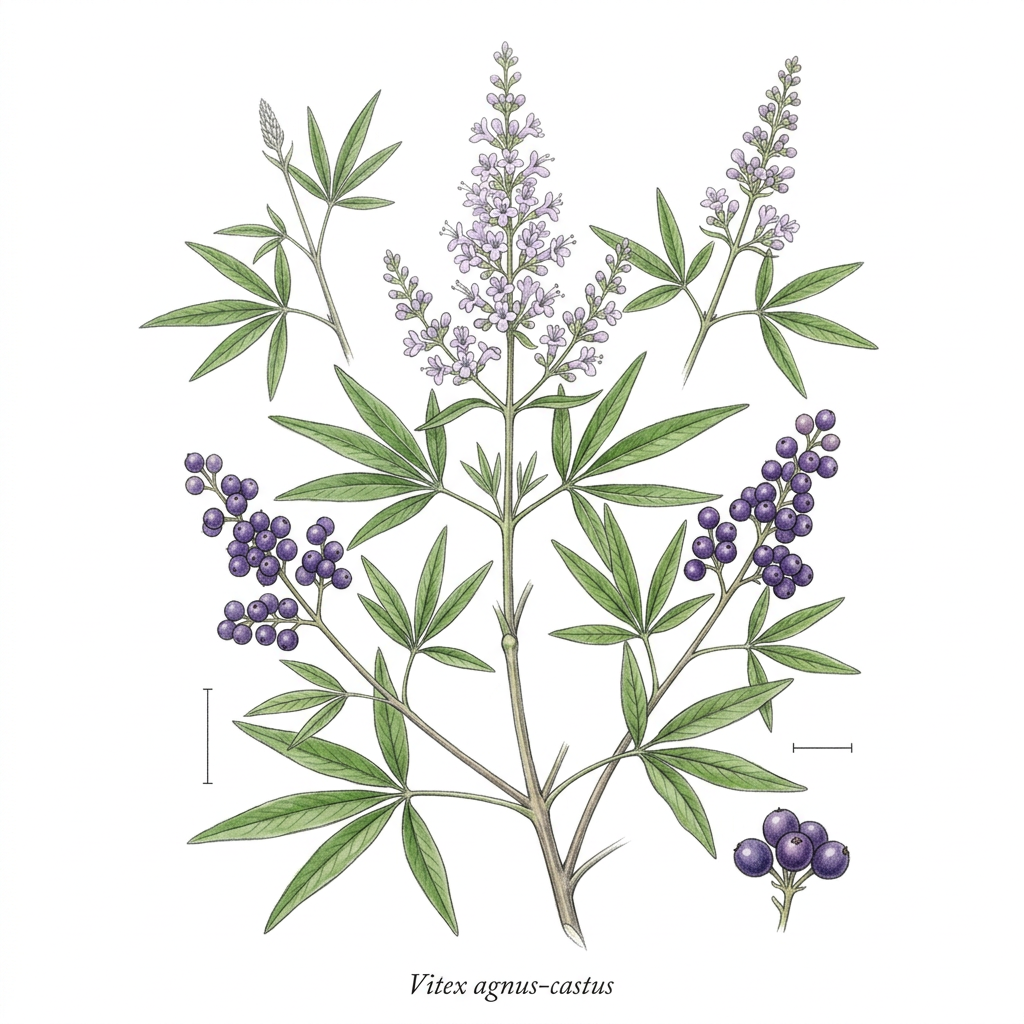
Chaste Tree

Chaste Tree

Vitex agnus-castus

low risk Risk
Vitaceae
Cooling, promotes emotional balance and stabilises mood swings. Enhances clarity and intuitiion.
<p>The Chaste Tree, scientifically known as Vitex agnus-castus, is a deciduous shrub native to the Mediterranean region and parts of Asia. Historically, this versatile herb has been revered in various cultures for its ability to promote women's health and maintain hormonal equilibrium. Ancient Greeks and Romans utilized the berries of the chaste tree for a variety of reproductive issues, believing it offered both physical and spiritual purity; hence the name "chaste." Additionally, traditional herbalists have employed Vitex agnus-castus for centuries to support fertility, reduce symptoms of premenstrual syndrome (PMS), and restore menstrual regularity, establishing its longstanding reputation in the realm of herbal medicine. Chaste Tree is particularly renowned for its hormonal balancing properties, making it an invaluable ally for women experiencing PMS, irregular menstrual cycles, and mood fluctuations associated with hormonal shifts. The therapeutic benefits of Vitex arise from its action on the hypothalamus and pituitary gland, which regulate hormone production in the body. By modulating the secretion of luteinizing hormone (LH) and promoting increased production of progesterone, chaste tree effectively helps to alleviate symptoms such as breast tenderness, mood swings, and irritability often linked to premenstrual syndrome. Furthermore, its adaptogenic qualities may support the body's resilience to stress, which can exacerbate hormonal imbalances in women. Chaste Tree works predominantly through its influence on the endocrine system, particularly its ability to inhibit dopamine receptors, which subsequently reduces prolactin levels in the body. Elevated prolactin can disrupt menstrual cycles and affect fertility. By restoring balance to this hormone interplay, Vitex agnus-castus helps to regulate the menstrual cycle and support overall reproductive health. The implications of this herb extend beyond PMS, as its use may also benefit women facing challenges related to menopause, such as hot flashes and mood changes. With its rich history and compelling therapeutic properties, Chaste Tree stands out as a cornerstone herb in the pursuit of women's health, offering a natural path towards hormonal harmony and well-being.</p>

Uses & Conditions

Hormonal Balance
Acne
Adenomyosis
Amenorrhoea
Androgen Excess
Breast Growths
Candida
Carpal Tunnel
Cervical Dysplasia
Cystic Hyperplasia
Depression
Disc Prolapse
Dysmenorrhoea
Endometriosis
Menstrual Irregularity
PMDD
PMS

Actions

Dopaminergic
Hormonal Regulator

Parts Used

Fruit

Native Countries

Meditteranean

USDA Hardiness Zones

6
7
8
9

Contraindications

  • Pregnancy due to potential hormonal influence on uterine activity
  • Breastfeeding due to lack of safety data
  • Oestrogen-dependent cancers
  • Pituitary tumours due to action on the hypothalamic-pituitary axis
  • In-vitro fertilisation (IVF) due to potential interference with hormonal stimulation

Potential Side Effects

  • Mild gastrointestinal upset
  • Nausea
  • Abdominal discomfort
  • Dermatological reactions including acne and pruritic rashes
  • Changes to menstrual cycle length or flow during adjustment
  • Headaches
  • Dizziness

Interactions

  • Dopamine receptor antagonists
  • Hormonal contraceptives
  • Hormone replacement therapy (HRT)
  • Dopamine agonists used for Parkinson's disease

Dosages, tincture ratios & research — members only

Unlock Garreth's dosing guidance, tincture ratios, the dosage calculator and the research studies for Chaste Tree.

Your assessment and results stay saved — upgrading only unlocks more of them.

See membership plans

Community Photos

No community photos yet. Sign in to upload photos.

Reviews & Ratings

Sign in to leave a review.

No reviews yet. Be the first!

GF

Garreth Falls — B.Th., Dip. H.M., MNIMH

Content curated and reviewed by Garreth Falls, Consultant Medical Herbalist · The Wild Sage

Medical Disclaimer: This information is for educational purposes only and is not intended as medical advice. Always consult with qualified healthcare professionals before starting any herbal treatment.
Western tradition

Sustainability & quality

Cultivated

Well-suited to cultivation in temperate climates. High demand means quality varies; prefer certified organic extracts to ensure active component levels.

Key constituents

Iridoid glycosides (aucubin and agnuside), Flavonoids (casticin, vitexin, and penduletin), Diterpenes (rotundifuran and vitexilactone), Essential oils (limonene, cineole, and sabinene), Fatty acids (linoleic and palmitic acid)

References

  1. ESCOP Monographs 2nd ed. 2003
  2. EMA/HMPC Community Herbal Monograph
  3. Bone & Mills "Principles and Practice of Phytotherapy" 2nd ed. 2013
  4. Herbal Reality. Herb monographs. herbalreality.com

Reviewed by Garreth, Medical Herbalist (MNIMH) · October 2026

Related conditions

Explore conditions where Chaste Tree is traditionally used.

Related Herbs
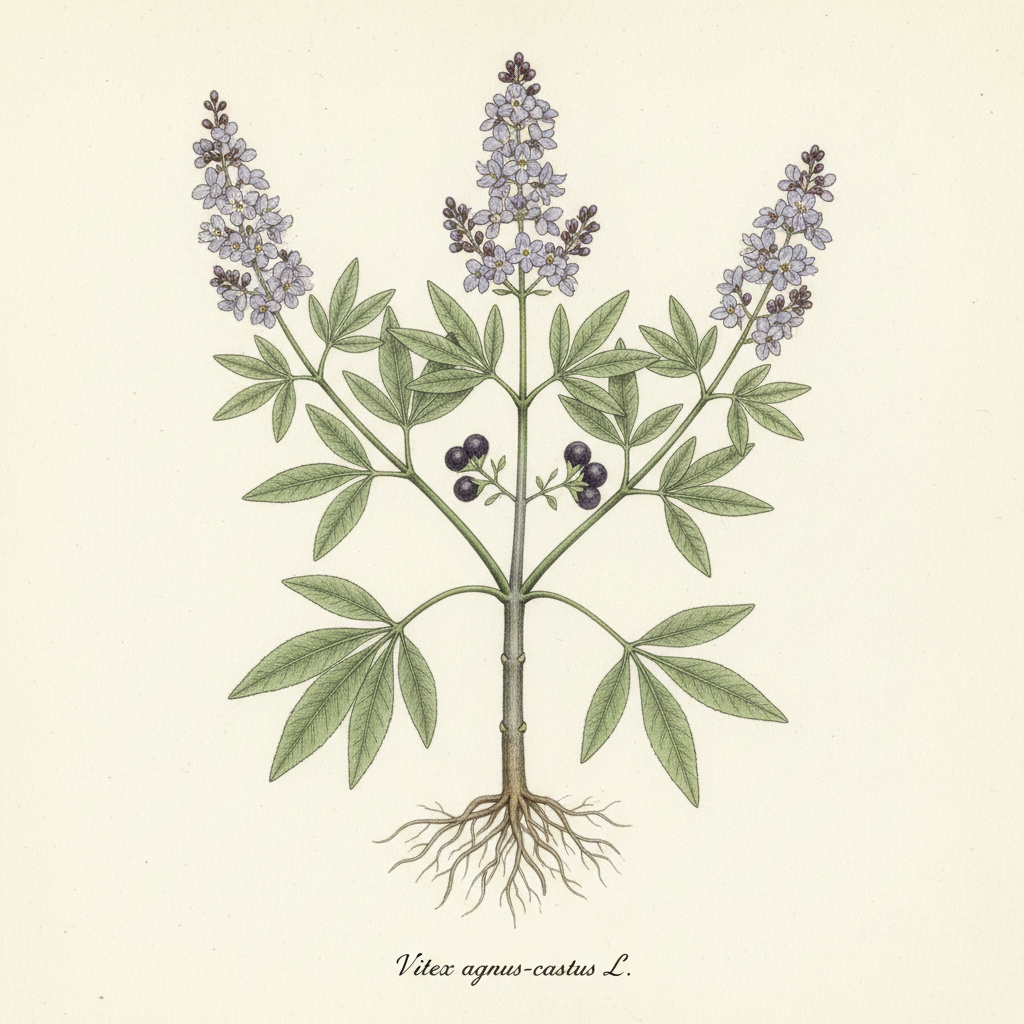
Vitex agnus castus

Vitex agnus castus
Vitex agnus castus

Hormonal Balance
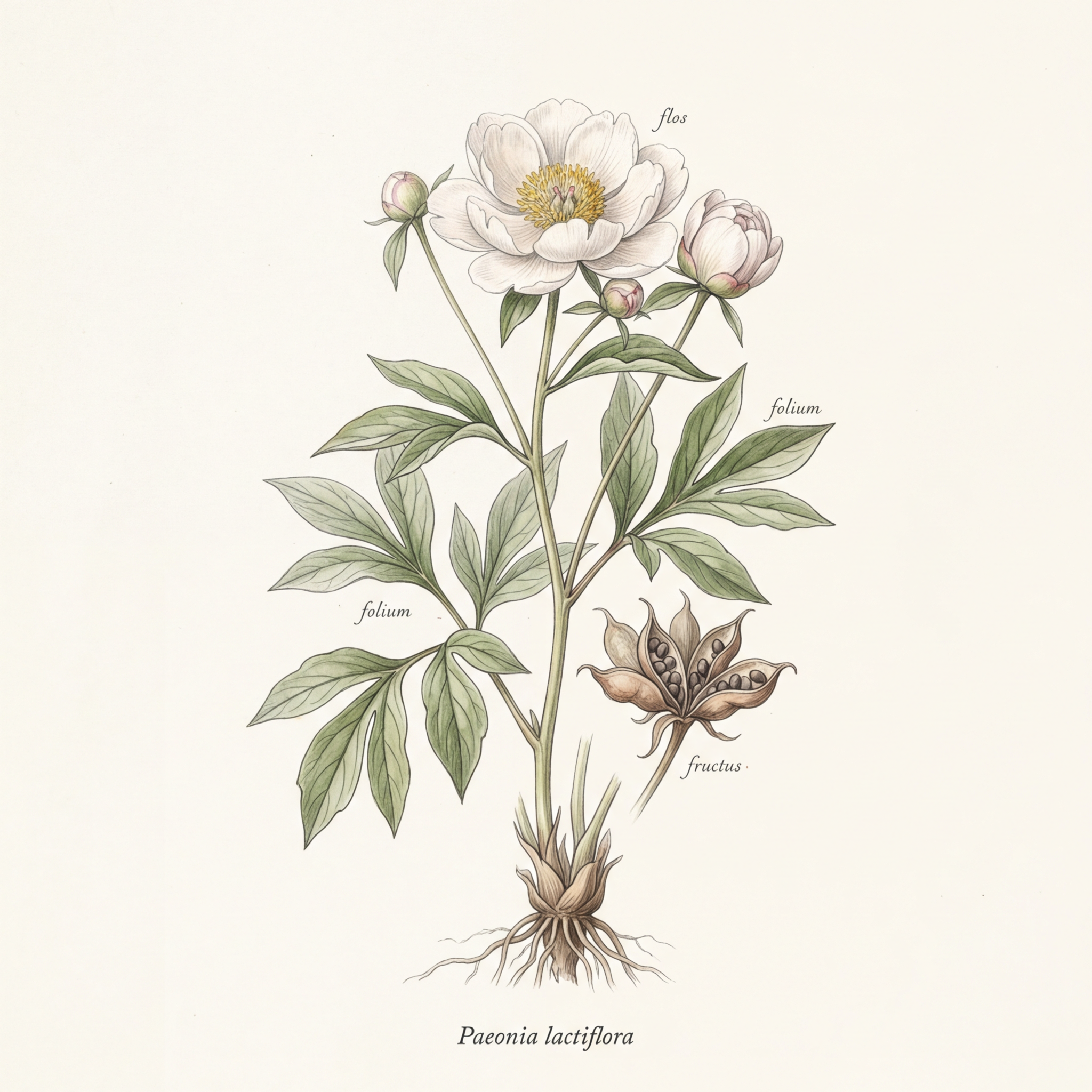
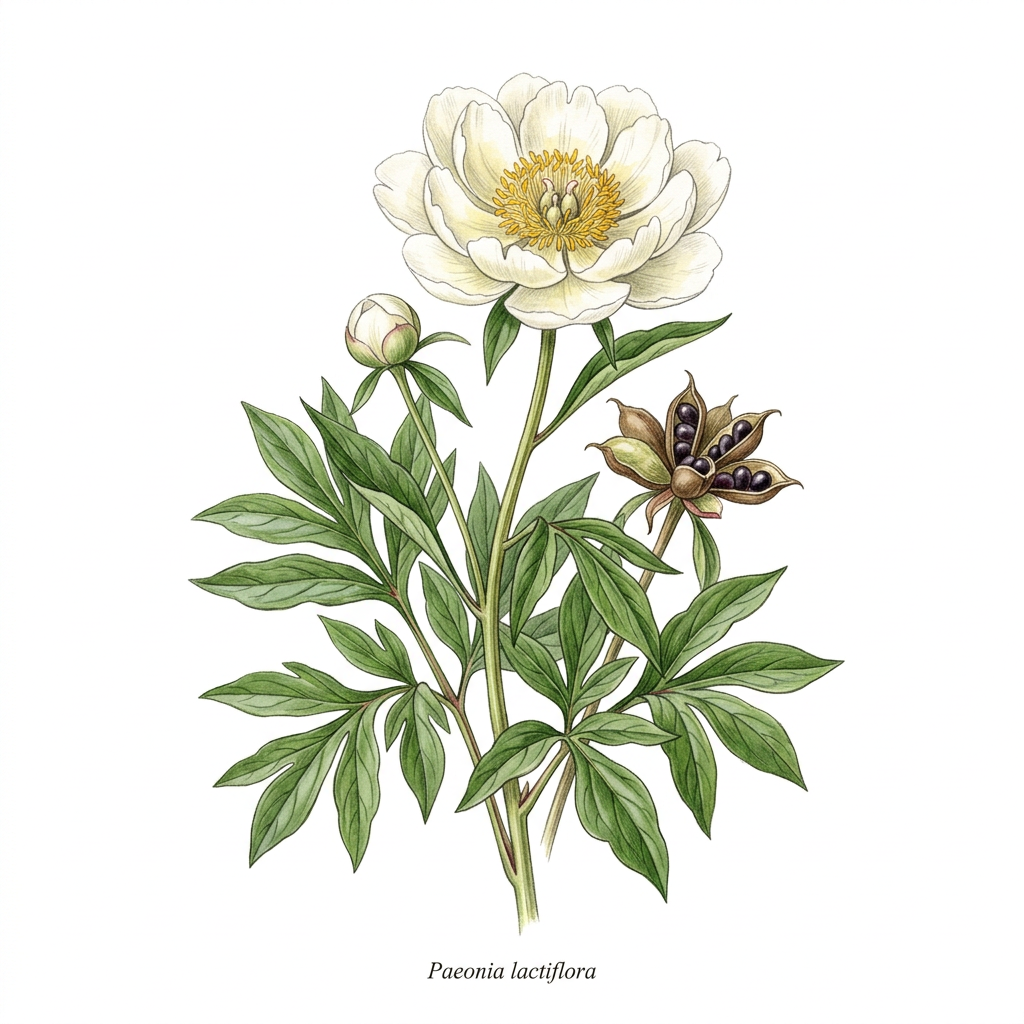
White peony

White peony

Paeonia lactiflora

Hormonal Balance
Peony

Peony

Paeonia lactiflora

Hormone Balance
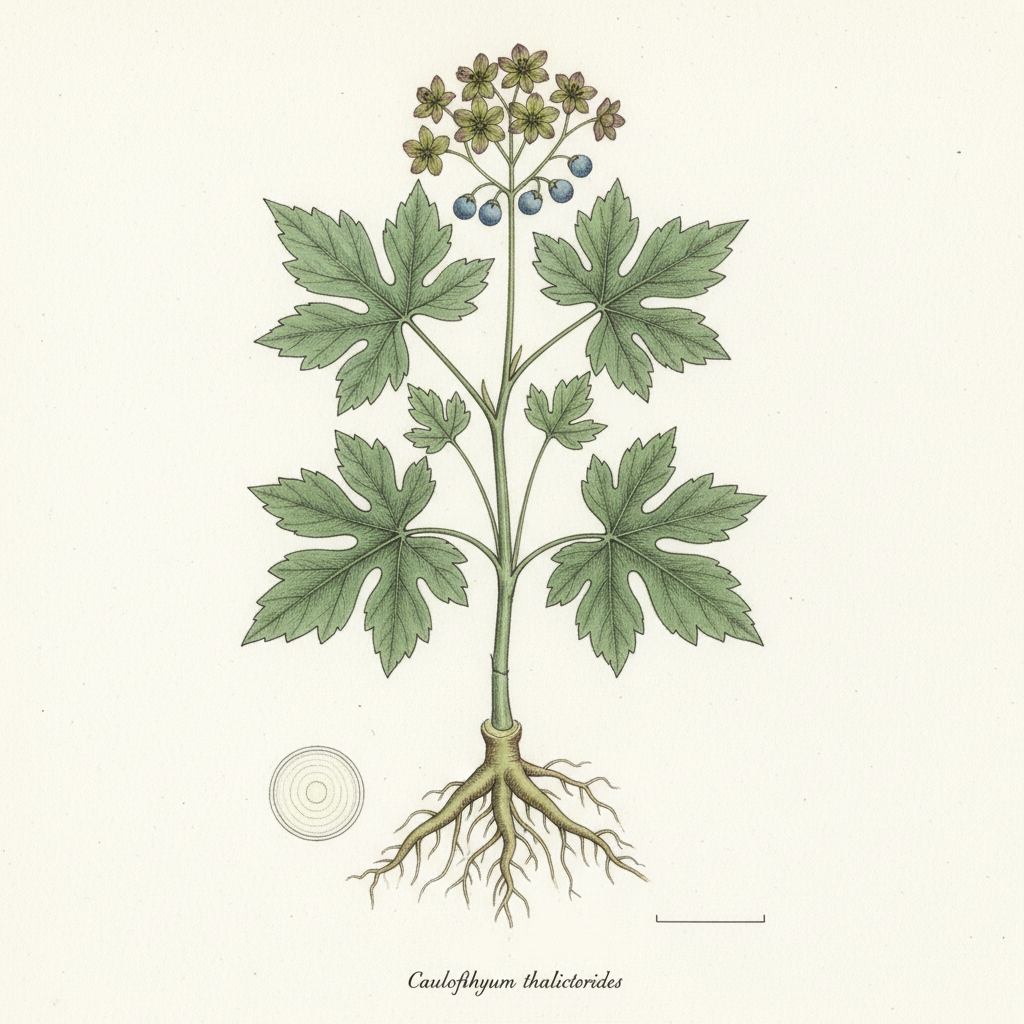
Blue Cohosh

Blue Cohosh

Caulophyllum thalictroides

Hormonal Balance