The Wild Sage logo
The Wild Sage Logo

Herbal Medicine at your fingertips

Comprehensive database of herbal remedies with detailed safety information and traditional uses

New to herbal terms? Read the glossary →
ADHD
Abcess
Acid Reflux Relief
Acinetobacter
Acne
Acne Vulgaris
Addisons
Adenomyosis
Adenovirus
Adrenal fatigue
Aging
Aids
Alcaligenes faecalis
Alcoholism
Allergic Rhinitis
Allergies
Allergy
Alopoecia
Alopoecia nervosa
Alzheimer's, Dementia & Cognitive Decline
420 herbs found
Important: This information is for educational purposes only. Always consult with qualified healthcare professionals before using herbal remedies, especially if you have existing health conditions or take medications.
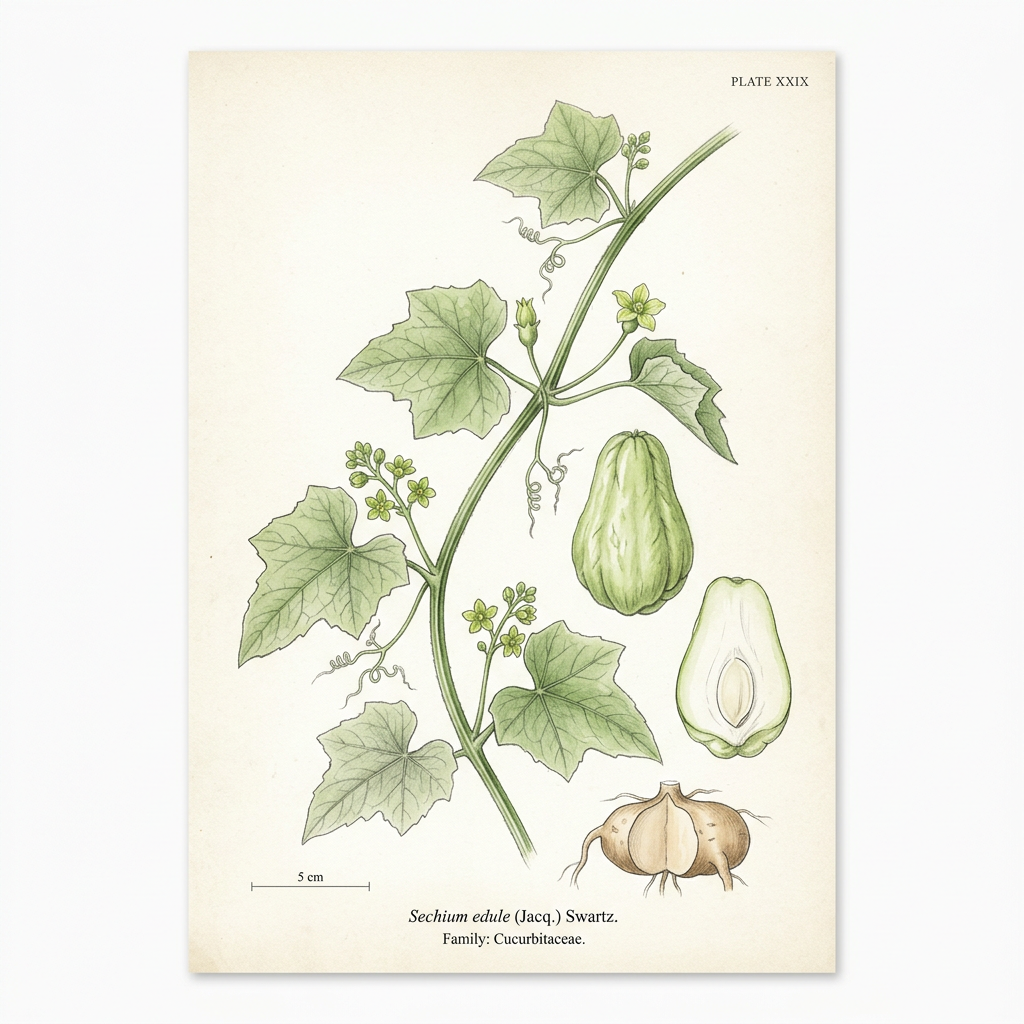
Chayote

Chayote

Sechium edule

low risk Risk
Cucurbitaceae
<p>**Herb Name:** Sechium edule **Scientific Name:** Sechium edule **Common Name:** Chayote **Description:** Sechium edule, commonly known as chayote, is a perennial vine belonging to the Cucurbitaceae family, which includes squashes and cucumbers. Native to Mesoamerica, particularly parts of Mexico and Central America, chayote has been cultivated and consumed for centuries, revered not just for its culinary uses but also for its traditional medicinal applications. Indigenous peoples historically used chayote for its nutritional benefits and as a remedy for various ailments, lending the vegetable a prominent place in folk medicine. Today, it is widely grown across tropical and subtropical regions around the world, celebrated for its versatility in meals and its health-imparting properties. In terms of therapeutic benefits, chayote is noted for its rich nutritional profile, providing an abundant source of vitamins C and B, dietary fiber, and essential minerals like potassium and magnesium. Its low-calorie count and high fiber content make it an excellent choice for supporting digestion and promoting satiety, making it a staple in weight management diets. Furthermore, the plant is recognized for its antioxidant properties, primarily due to the presence of various phytochemicals, which help combat oxidative stress and may lower the risk of chronic diseases, including cardiovascular conditions. Chayote has also been associated with anti-inflammatory properties, making it a beneficial addition for those seeking to support their overall health and well-being. Chayote's benefits extend beyond mere nutrition; the way it interacts with the body is equally compelling. It has been suggested that chayote's high levels of fiber enhance gastrointestinal motility, promoting regular bowel movements and contributing to gut health. The vegetable's potassium content may also support cardiovascular health by helping to regulate blood pressure levels, thereby potentially reducing strain on the heart. Moreover, its bioactive compounds can influence insulin sensitivity, supporting metabolic health and making it a favorable inclusion for those monitoring their blood sugar levels. As modern science continues to explore the diverse applications of Sechium edule, its longstanding historical use and current status in dietary practices highlight its significance as both a food source and a natural health ally.</p>

Uses & Conditions

Weight Management
Digestive Support
Nutritional Support
Metabolic Health Support
Obesity
Aspergillus

Actions

Antioxidant
Anti-inflammatory

Parts Used

Fruit
Leaves
Root

Native Countries

Mexico
Central America
South America
United States (southern)
Caribbean

USDA Hardiness Zones

7
8
9
10

Contraindications

  • Pregnancy and breastfeeding
  • Known allergy to the Cucurbitaceae family
  • Scheduled surgery
  • Hypotension

Potential Side Effects

  • Mild gastrointestinal discomfort
  • Bloating
  • Contact dermatitis
  • Temporary skin numbing sensation

Interactions

  • Diuretics
  • Antihypertensive medication
  • Hypoglycaemic agents
  • Potent prescription medicines

Dosages, tincture ratios & research — members only

Unlock Garreth's dosing guidance, tincture ratios, the dosage calculator and the research studies for Chayote.

Your assessment and results stay saved — upgrading only unlocks more of them.

See membership plans

Community Photos

No community photos yet. Sign in to upload photos.

Reviews & Ratings

Sign in to leave a review.

No reviews yet. Be the first!

GF

Garreth Falls — B.Th., Dip. H.M., MNIMH

Content curated and reviewed by Garreth Falls, Consultant Medical Herbalist · The Wild Sage

Medical Disclaimer: This information is for educational purposes only and is not intended as medical advice. Always consult with qualified healthcare professionals before starting any herbal treatment.
Western tradition

Sustainability & quality

Abundant

Commonly cultivated; supply is secure and does not pose ecological risks.

Key constituents

Flavonoids, - Saponins, - Alkaloids, Vitamins (e.g., Vitamin C), - Minerals (e.g., Calcium, Iron), - Dietary fiber

References

  1. Herbal Reality. Herb monographs. herbalreality.com

Reviewed by Garreth, Medical Herbalist (MNIMH) · October 2026

Related conditions

Explore conditions where Chayote is traditionally used.

Related Herbs
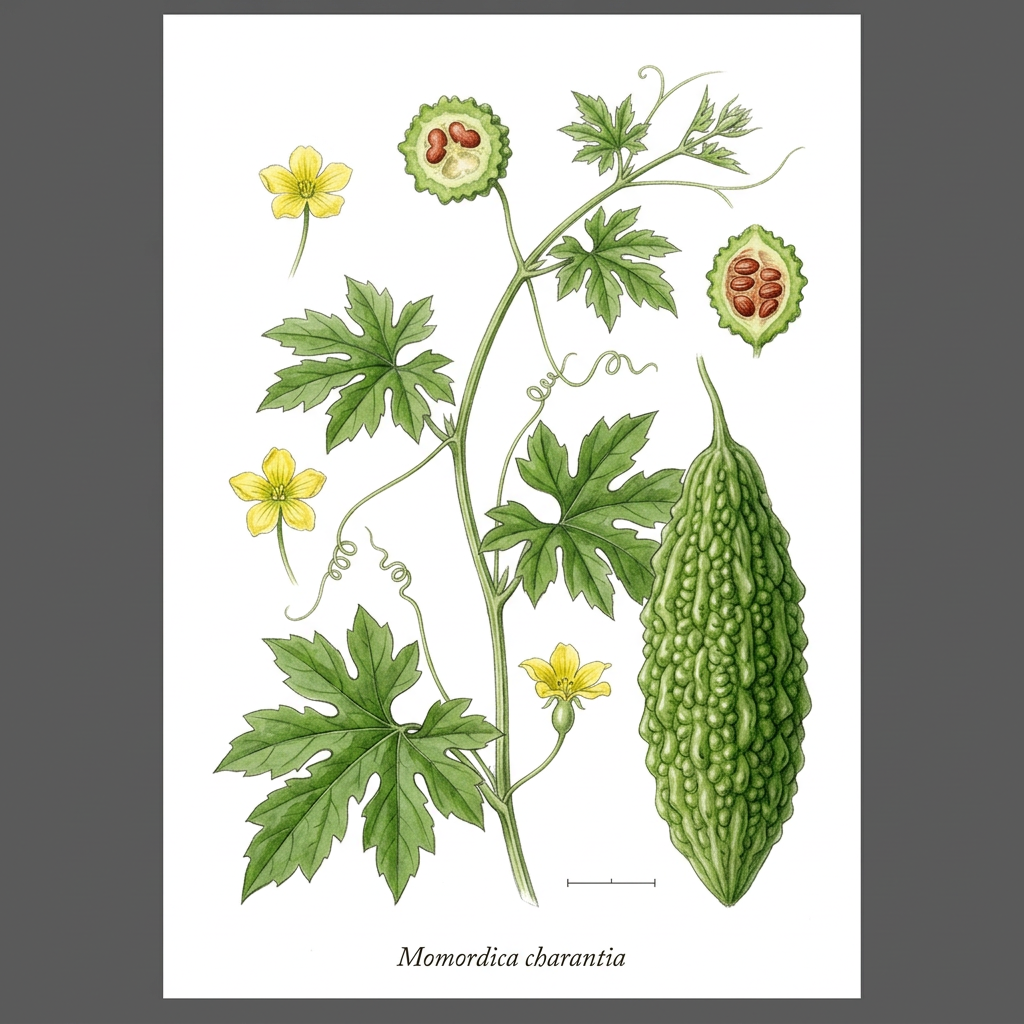
Bitter Melon

Bitter Melon

Momordica charantia

Blood Sugar Support
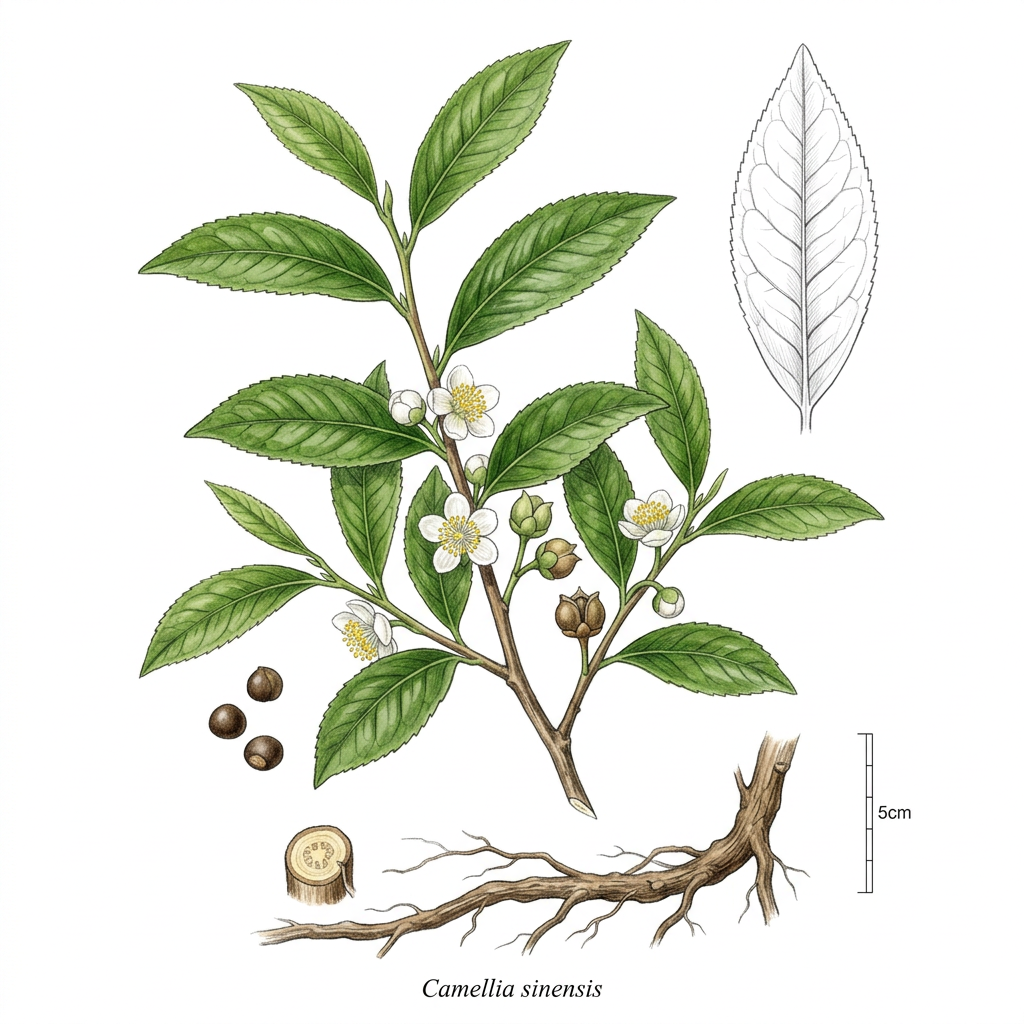
Green Tea

Green Tea

Camellia sinensis

Hypertension
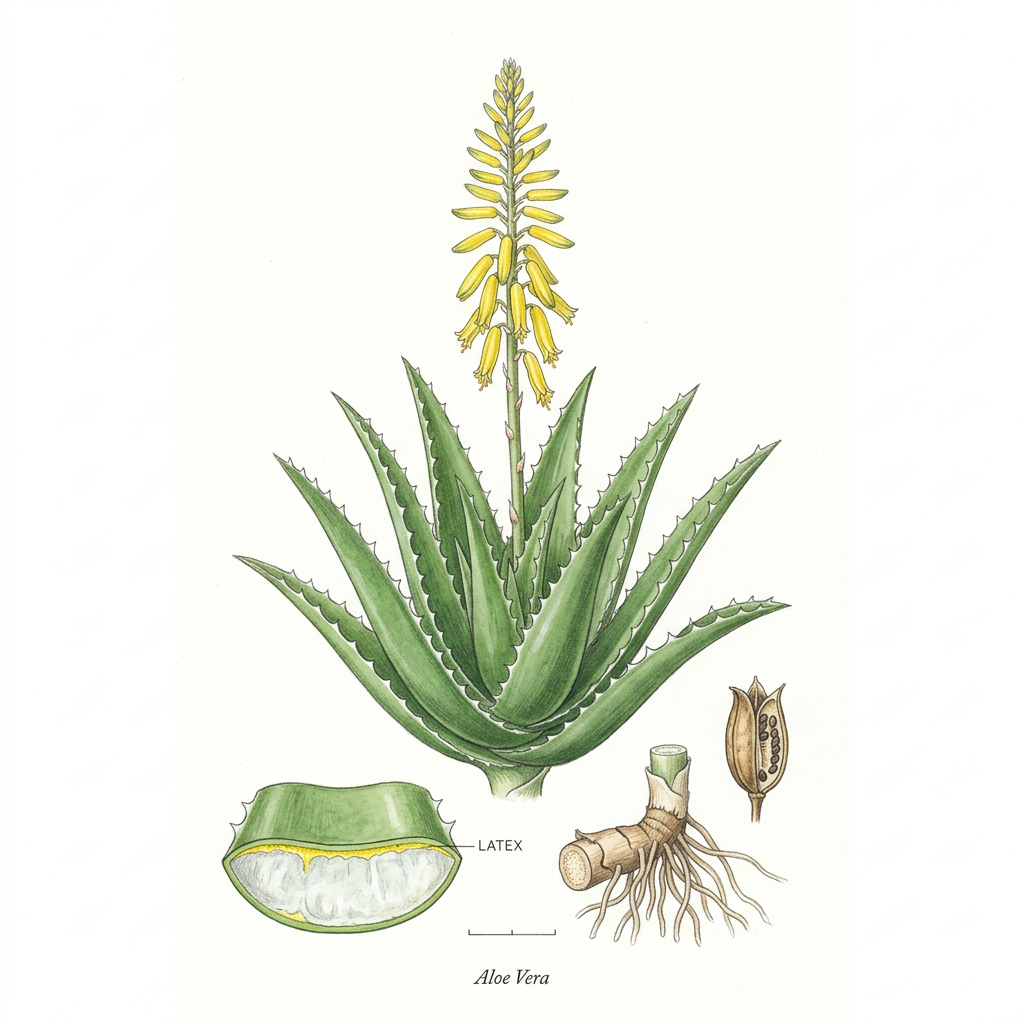
Aloe Vera

Aloe Vera

Aloe vera

Digestive Support
Blackberry

Blackberry

Rubus fruticosus

Cardiovascular support