The Wild Sage logo
The Wild Sage Logo

Herbal Medicine at your fingertips

Comprehensive database of herbal remedies with detailed safety information and traditional uses

New to herbal terms? Read the glossary →
ADHD
Abcess
Acid Reflux Relief
Acinetobacter
Acne
Acne Vulgaris
Addisons
Adenomyosis
Adenovirus
Adrenal fatigue
Aging
Aids
Alcaligenes faecalis
Alcoholism
Allergic Rhinitis
Allergies
Allergy
Alopoecia
Alopoecia nervosa
Alzheimer's, Dementia & Cognitive Decline
420 herbs found
Important: This information is for educational purposes only. Always consult with qualified healthcare professionals before using herbal remedies, especially if you have existing health conditions or take medications.
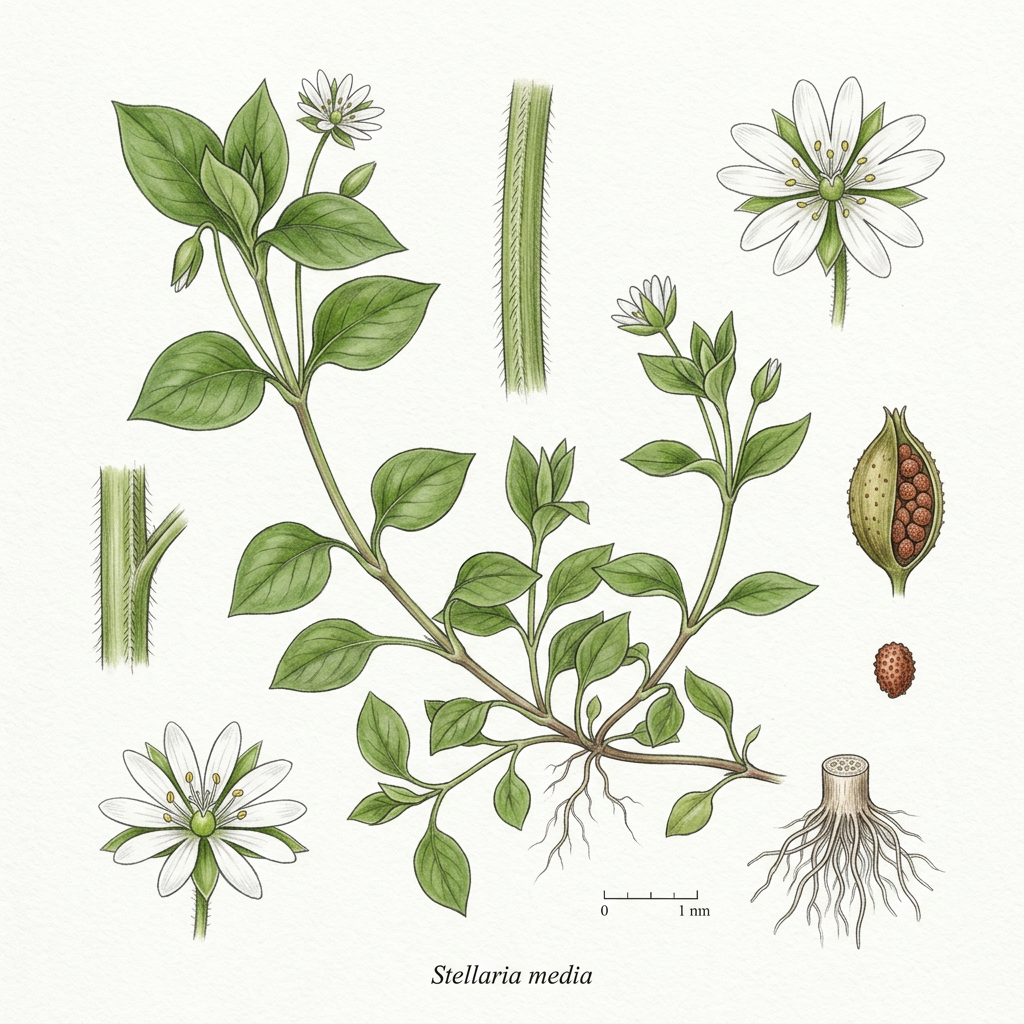
Chickweed

Chickweed

Stellaria media

low risk Risk
Caryophyllaceae
<p>Chickweed, scientifically known as Stellaria media, is a versatile herb that has been utilized in traditional medicine for centuries. Commonly found in temperate regions throughout Europe, Asia, and North America, this resilient annual plant is characterized by its small white flowers and sprawling green leaves. Historically, chickweed was a staple in folk herbalism, valued for its soothing properties. Herbalists and practitioners of traditional medicine often classified it as a cooling herb, making it particularly popular during warmer months for addressing heat-related ailments. Its edible leaves have also made it a favorite among foragers and culinary enthusiasts, praised for their mild flavor and rich nutritional content. Chickweed is renowned for its key therapeutic properties, particularly its ability to soothe and relieve symptoms associated with itchy skin conditions such as eczema and allergic reactions. Rich in vitamins A and C, as well as minerals like iron and calcium, chickweed serves as a nutritive herb that supports overall health and vitality. Its topical applications, often in the form of ointments or poultices, harness its anti-inflammatory and soothing qualities to alleviate skin irritation, promote healing, and reduce redness. Internally, chickweed is consumed as an infusion or tincture, where it is believed to nourish the body, support digestive health, and boost the immune system. The therapeutic effects of chickweed can be attributed to its rich phytochemical profile. The herb contains saponins, flavonoids, and phenolic acids, which collectively exhibit anti-inflammatory, antioxidant, and demulcent properties. These compounds play a crucial role in modulating the body's inflammatory responses and promoting skin regeneration. When applied topically, chickweed is known to provide a cooling sensation that eases discomfort, while its nutritive components help to rejuvenate the skin from within. Internally, its gentle diuretic effects may aid in detoxification, while its abundance of nutrients nourishes and fortifies the body, making it a valuable addition to both topical and internal herbal formulations. This dual action highlights chickweed's role as an exemplary herb for promoting both skin health and overall well-being.</p>

Uses & Conditions

Nutritive
Nourishing
Detoxification
Immune Support
Itchy Skin
Eczema
Indigestion
Ulcers
Wound Healing
Rheumatism
Bronchitis
Burns
Dermatitis
Allergic Reactions
Ulcerative Colitis
Digestive Issues
Rheumatoid Arthritis

Actions

Anti-inflammatory
Antimicrobial
Digestive Aid

Parts Used

Aerial parts.

Native Countries

Europe

USDA Hardiness Zones

USDA 3-7

Contraindications

  • Pregnancy: Use with caution as safety data is limited; avoid therapeutic doses.
  • Breastfeeding: Safety not established; consult a qualified medical herbalist.
  • Known hypersensitivity to Caryophyllaceae family plants.
  • Severe electrolyte imbalances: Monitor usage closely if underlying conditions exist.

Potential Side Effects

  • Mild gastrointestinal upset if consumed in excessive quantities.
  • Rare skin sensitivity or contact dermatitis in highly allergic individuals when applied topically.

Interactions

  • Exercise caution when taking concurrently with prescription diuretics due to potential electrolyte shifts.
  • Potentially additive effects with other cooling or demulcent herbs; monitor closely if combining.

Dosages, tincture ratios & research — members only

Unlock Garreth's dosing guidance, tincture ratios, the dosage calculator and the research studies for Chickweed.

Your assessment and results stay saved — upgrading only unlocks more of them.

See membership plans

Community Photos

No community photos yet. Sign in to upload photos.

Reviews & Ratings

Sign in to leave a review.

No reviews yet. Be the first!

GF

Garreth Falls — B.Th., Dip. H.M., MNIMH

Content curated and reviewed by Garreth Falls, Consultant Medical Herbalist · The Wild Sage

Medical Disclaimer: This information is for educational purposes only and is not intended as medical advice. Always consult with qualified healthcare professionals before starting any herbal treatment.
Western tradition

Sustainability & quality

Abundant

A common annual weed. Best used fresh as the dried herb loses efficacy rapidly.

Key constituents

Anti-inflammatory, Antimicrobial, Digestive enzymes, Coumarin (odema modifyer), flavonoids, Triterpenoids, Saponins, Vitamins

References

  1. British Herbal Pharmacopoeia 1983
  2. Herbal Reality. Herb monographs. herbalreality.com

Reviewed by Garreth, Medical Herbalist (MNIMH) · October 2026

Related conditions

Explore conditions where Chickweed is traditionally used.

Related Herbs
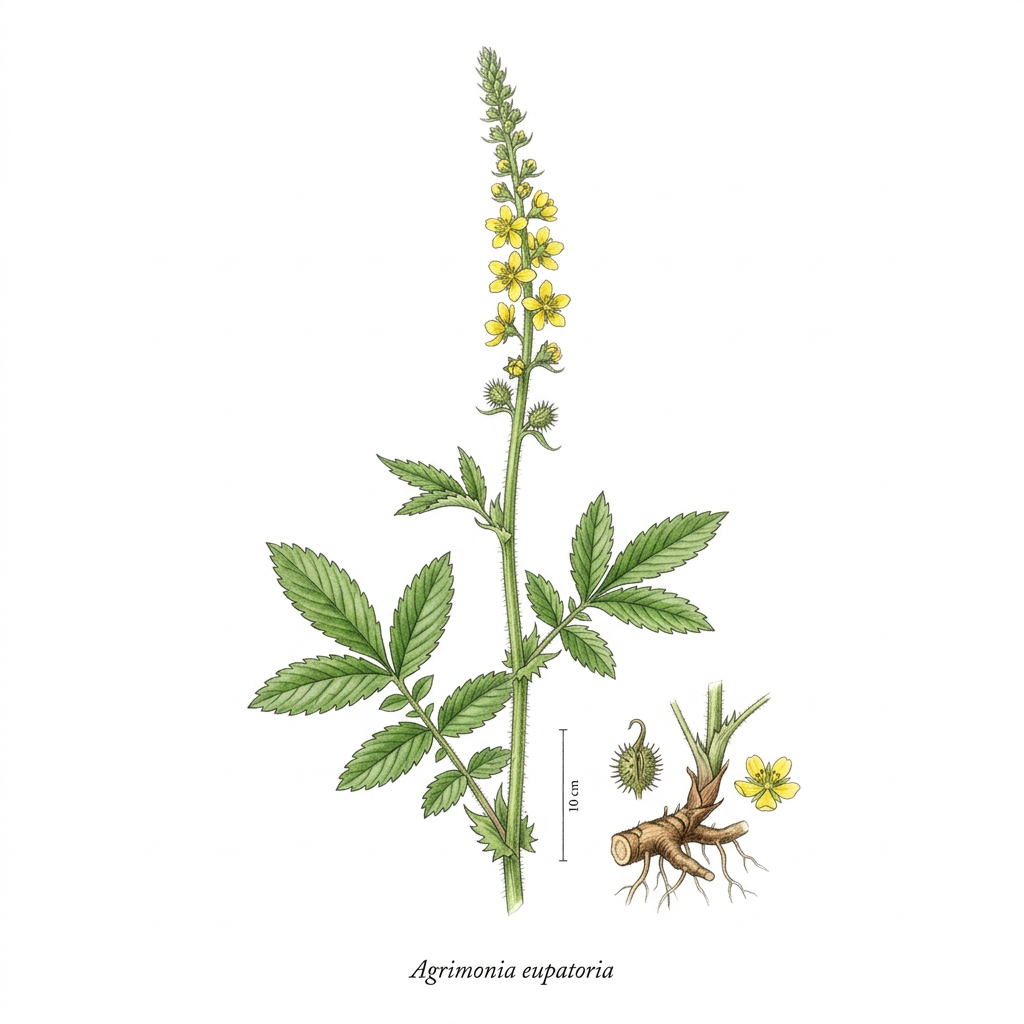
Agrimony

Agrimony

Agrimonia eupatoria

Digestive Aid
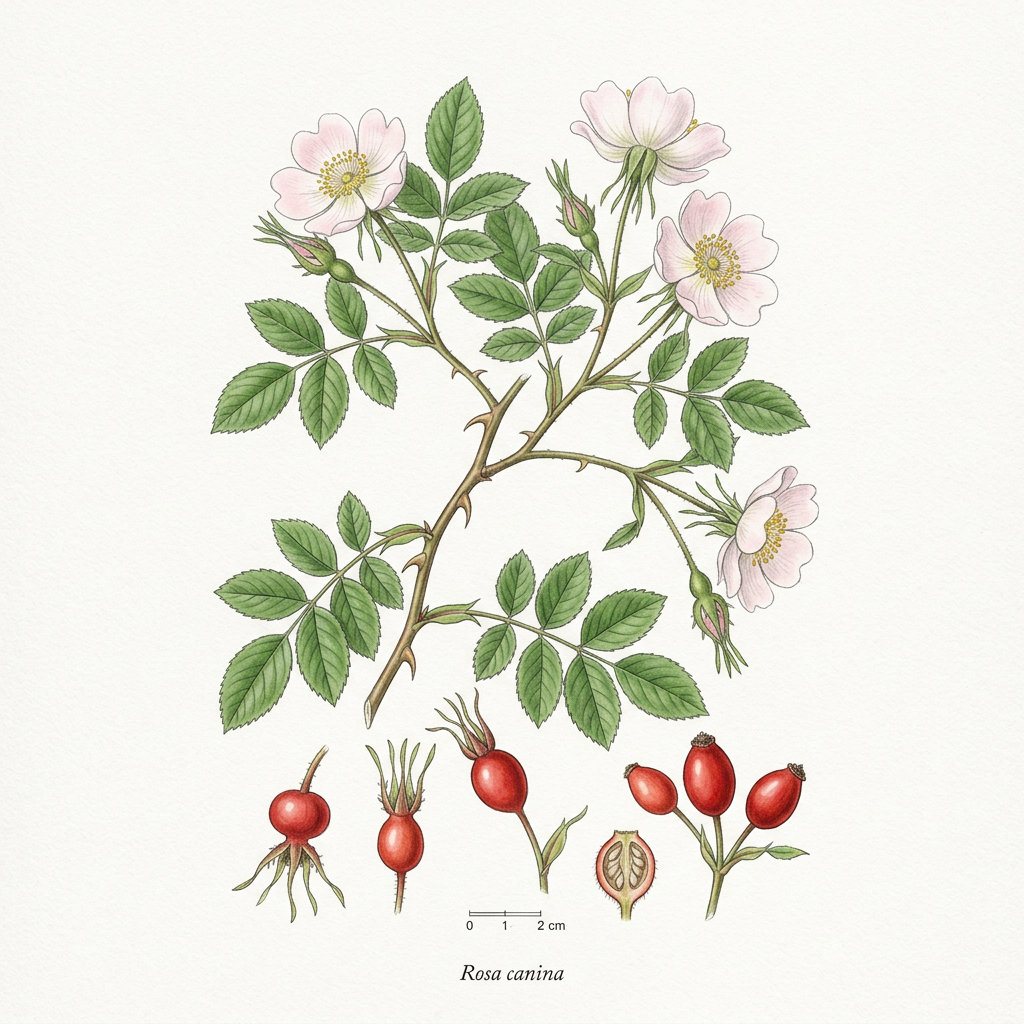
Dog rose

Dog rose

Rosa canina

Immune Support
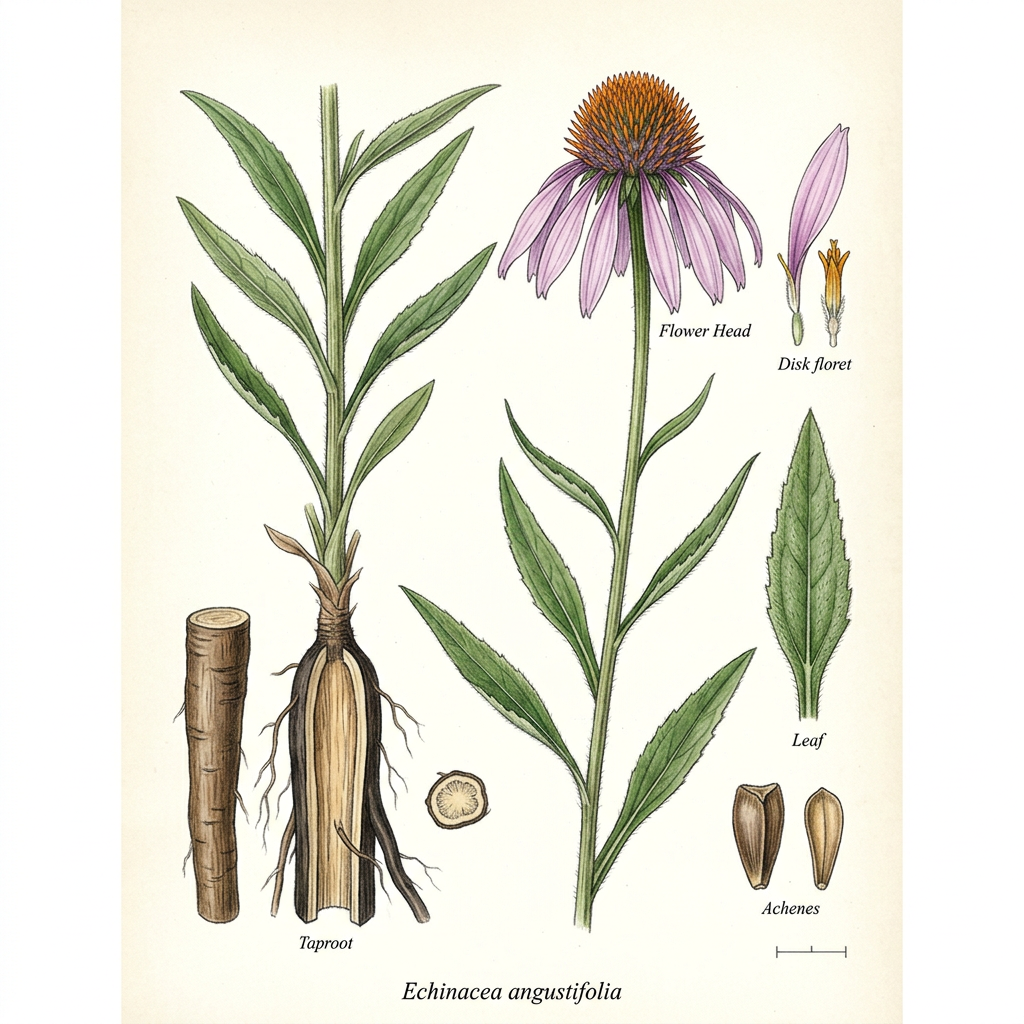
Echinacea angustifolia

Echinacea angustifolia
Echinacea angustifolia

Immune System Support
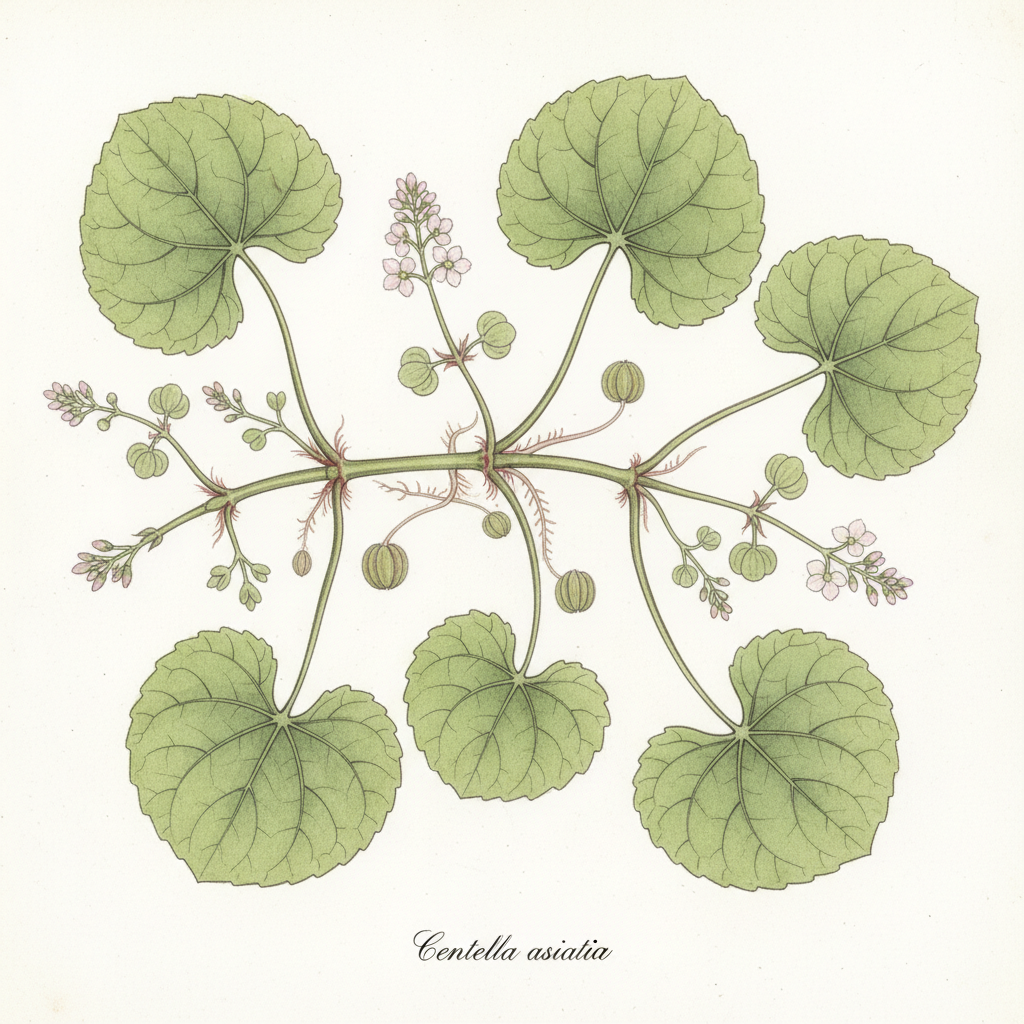
Gotu Kola

Gotu Kola

Centella asiatica

Cognitive Support