The Wild Sage logo
The Wild Sage Logo

Herbal Medicine at your fingertips

Comprehensive database of herbal remedies with detailed safety information and traditional uses

New to herbal terms? Read the glossary →
ADHD
Abcess
Acid Reflux Relief
Acinetobacter
Acne
Acne Vulgaris
Addisons
Adenomyosis
Adenovirus
Adrenal fatigue
Aging
Aids
Alcaligenes faecalis
Alcoholism
Allergic Rhinitis
Allergies
Allergy
Alopoecia
Alopoecia nervosa
Alzheimer's, Dementia & Cognitive Decline
420 herbs found
Important: This information is for educational purposes only. Always consult with qualified healthcare professionals before using herbal remedies, especially if you have existing health conditions or take medications.
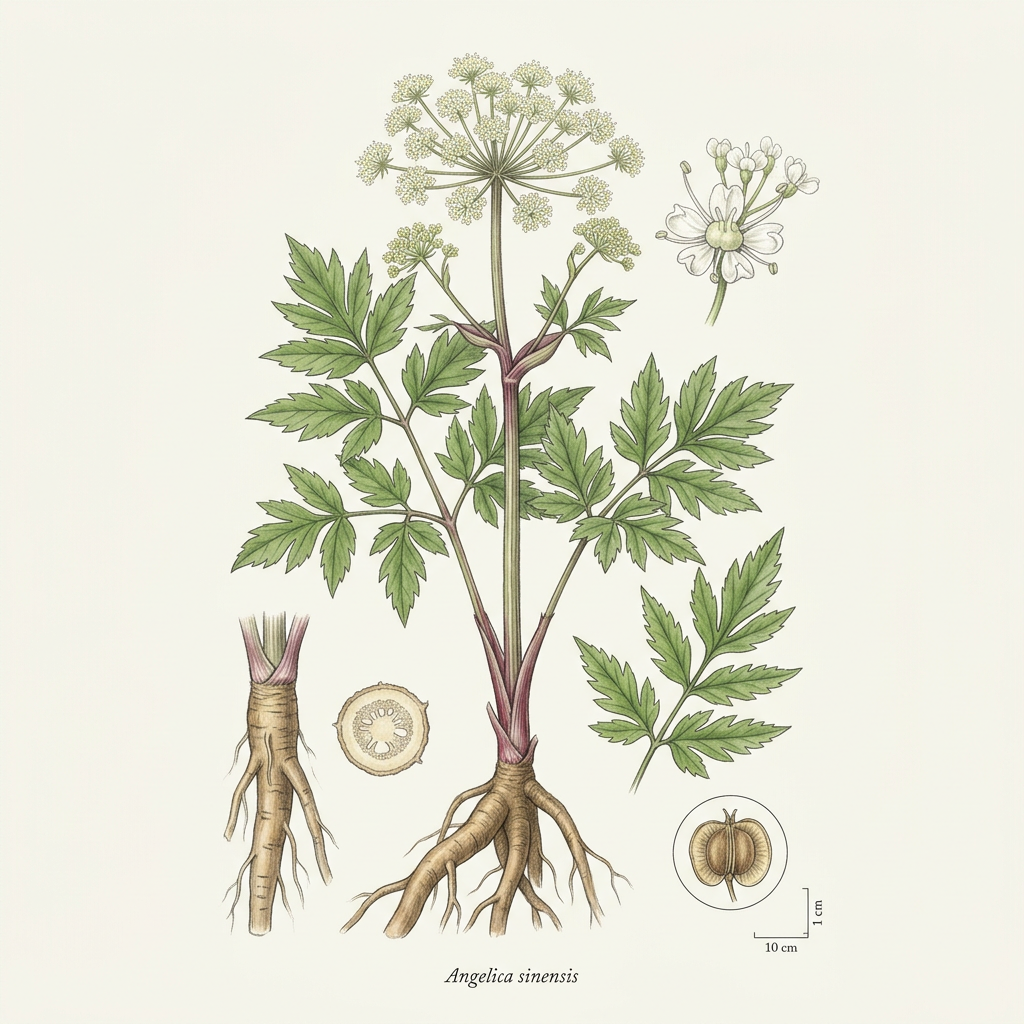
Chinese angelica

Chinese angelica

Angelica sinensis

moderate risk Risk
Apiaceae
Known for its warming and tonifying properties, it is often used to invigorate the blood and support reproductive health.
<p>Angelica sinensis, known as Dang Gui, belongs to the Apiaceae family. It is a perennial herb native to the high-altitude, cool-moist mountains of China. The plant features finely divided, tripinnate leaves and clusters of small white-to-greenish flowers. The medicinally prized part is the thick, fleshy, aromatic taproot, which is harvested after three years, typically sliced and sun-dried before use.</p><p>Traditionally used for the regulation of female reproductive health, Dang Gui has been a cornerstone of East Asian herbal medicine for centuries. It is frequently termed the 'female ginseng' and has been traditionally used for supporting healthy menstrual cycles, managing symptoms of menopause, and nourishing the blood. Historically, it is categorised as a blood tonic, often incorporated into warming soups and tonics to restore vitality and improve circulation.</p><p>Modern research into Angelica sinensis has identified several bioactive constituents, including ligustilide and various ferulic acid derivatives. These compounds are studied for their potential antispasmodic, anti-inflammatory, and circulatory-stimulating properties. While scientific evidence is still emerging regarding its efficacy in western clinical contexts, it remains a heavily researched herb for its potential to modulate blood flow and support systemic health.</p><p>In contemporary clinical practice, herbalists often prescribe this root in combination with other herbs rather than as a single remedy. It is typically employed to nourish blood and move stagnation within the pelvic region. Due to its potent nature, practitioners generally exercise caution, ensuring that the patient's constitution is assessed thoroughly before introduction to avoid overheating or disrupting digestive function.</p>

Uses & Conditions

Blood Tonic
Female Tonic
Convalescence
GIT Tonic
Adenomyosis
Adrenal Fatigue
Allergy
Amenorrhoea
Anaemia
Angina
Arrhythmia
Beuger's Disease
Bruising
Catarrah States
Cerebrovascular Disease
Cirrhosis
Constipation
COPD
Deep Vein Thrombosis
Dysmenorrhoea
Endometriosis
Hormonal Imbalance
Hot Flushes
Hydrocele
Incompetant Cervix
Infertility
Kidney Disease
Menopause
Menorrhagia
PMT

Actions

Anti-anaemic
Anti-arrythmic
Anti-coagulant
Anti-inflammatory
Anti-platelet
Antiseptic
Cardiotonic
Immunomodulatory
Laxative
NFkB Inhibitor
Spasmolytic
TNF-a Reduction

Parts Used

Dried taproot

USDA Hardiness Zones

5
6
7
8

Contraindications

  • Pregnancy: avoid use as it may stimulate uterine contractions
  • Breastfeeding: lack of safety data suggests avoiding regular use
  • Heavy menstrual bleeding: may exacerbate blood flow due to its vasodilatory effects
  • Active haemorrhagic disorders: contra-indicated due to potential antiplatelet activity
  • Diarrhoea or abdominal bloating: the herb may worsen damp or stagnation-related digestive issues

Potential Side Effects

  • Gastrointestinal discomfort or loose stools in sensitive individuals
  • Photosensitivity in rare cases following high consumption
  • Dizziness or headaches if taken in excessive quantities

Interactions

  • Anticoagulants such as warfarin: may increase the risk of bleeding
  • Antiplatelet medications: additive effects may occur, potentially prolonging bleeding time
  • Hormone replacement therapy: may interact with oestrogenic compounds present in the root
  • NSAIDs: combined use might increase the risk of bruising or gastrointestinal bleeding

Dosages, tincture ratios & research — members only

Unlock Garreth's dosing guidance, tincture ratios, the dosage calculator and the research studies for Chinese angelica.

Your assessment and results stay saved — upgrading only unlocks more of them.

See membership plans

Community Photos

No community photos yet. Sign in to upload photos.

Reviews & Ratings

Sign in to leave a review.

No reviews yet. Be the first!

GF

Garreth Falls — B.Th., Dip. H.M., MNIMH

Content curated and reviewed by Garreth Falls, Consultant Medical Herbalist · The Wild Sage

Medical Disclaimer: This information is for educational purposes only and is not intended as medical advice. Always consult with qualified healthcare professionals before starting any herbal treatment.
Chinese tradition

Sustainability & quality

Cultivated

Extensively cultivated. Sourcing should prioritise organic growers to avoid pesticide residues commonly found in conventionally farmed Angelica.

Key constituents

Angelica, Anti-inflammatory, Coumarin (odema modifyer), Phytohormones, Volatile Oils

References

  1. Bone & Mills "Principles and Practice of Phytotherapy" 2nd ed. 2013
  2. Bensky "Chinese Herbal Medicine: Materia Medica" 3rd ed. 2004
  3. Herbal Reality. Herb monographs. herbalreality.com

Reviewed by Garreth, Medical Herbalist (MNIMH) · October 2026

Related conditions

Explore conditions where Chinese angelica is traditionally used.

Related Herbs
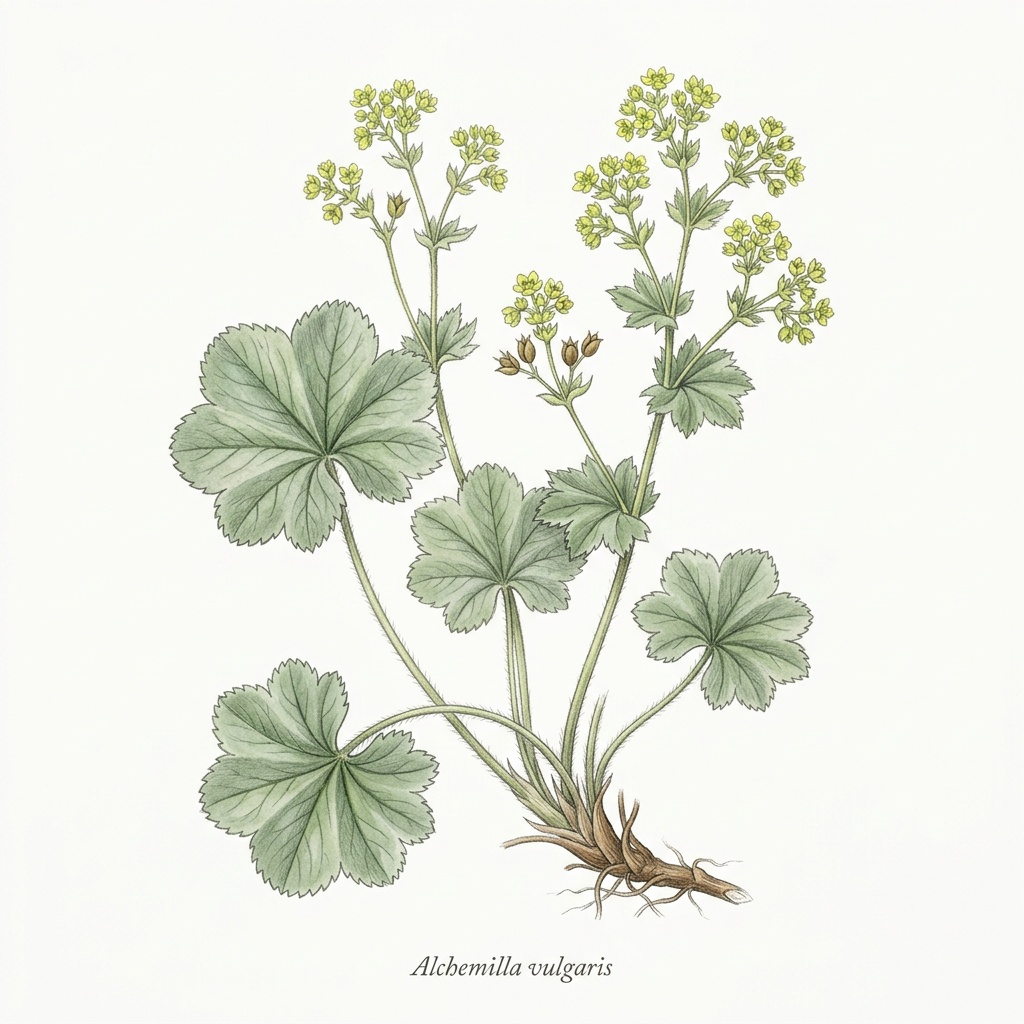
Lady's Mantle

Lady's Mantle

Alchemilla vulgaris

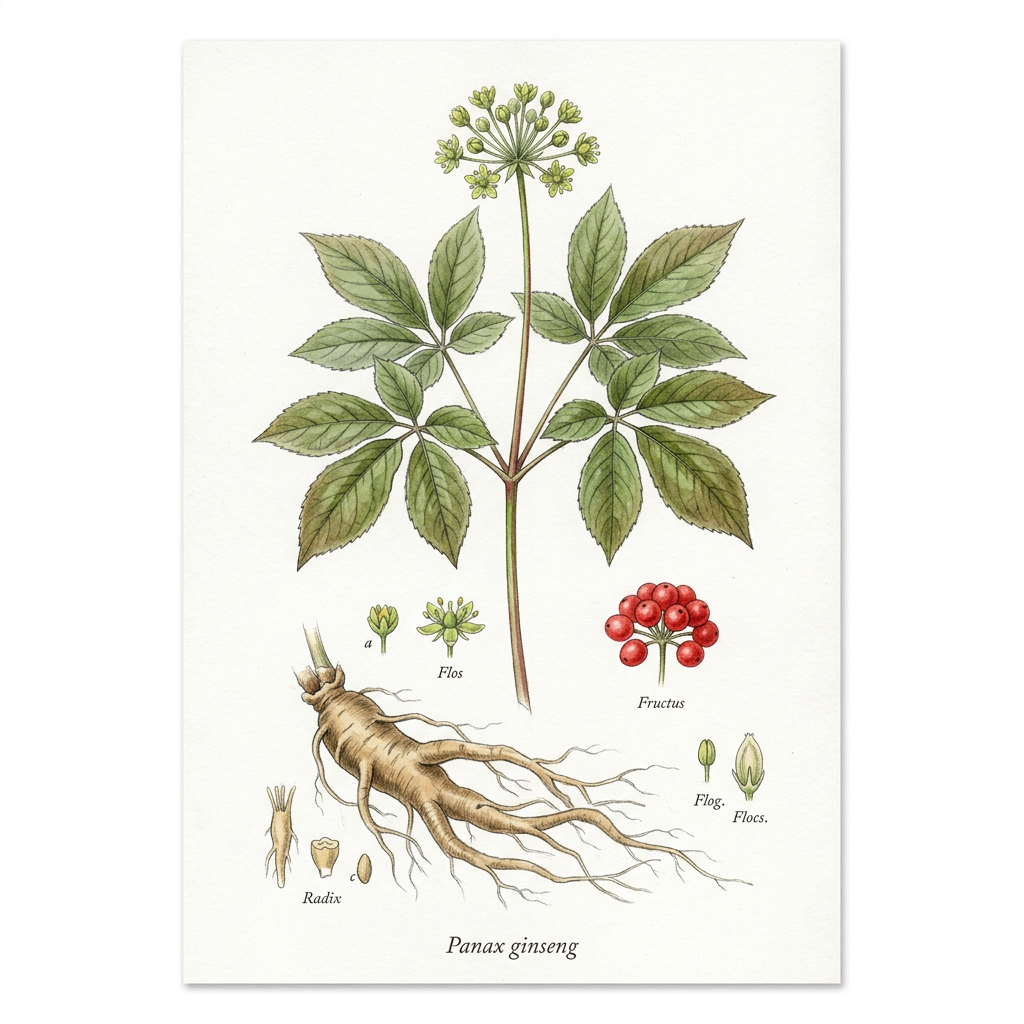
Panax ginseng

Panax ginseng
Panax ginseng

Energy Booster
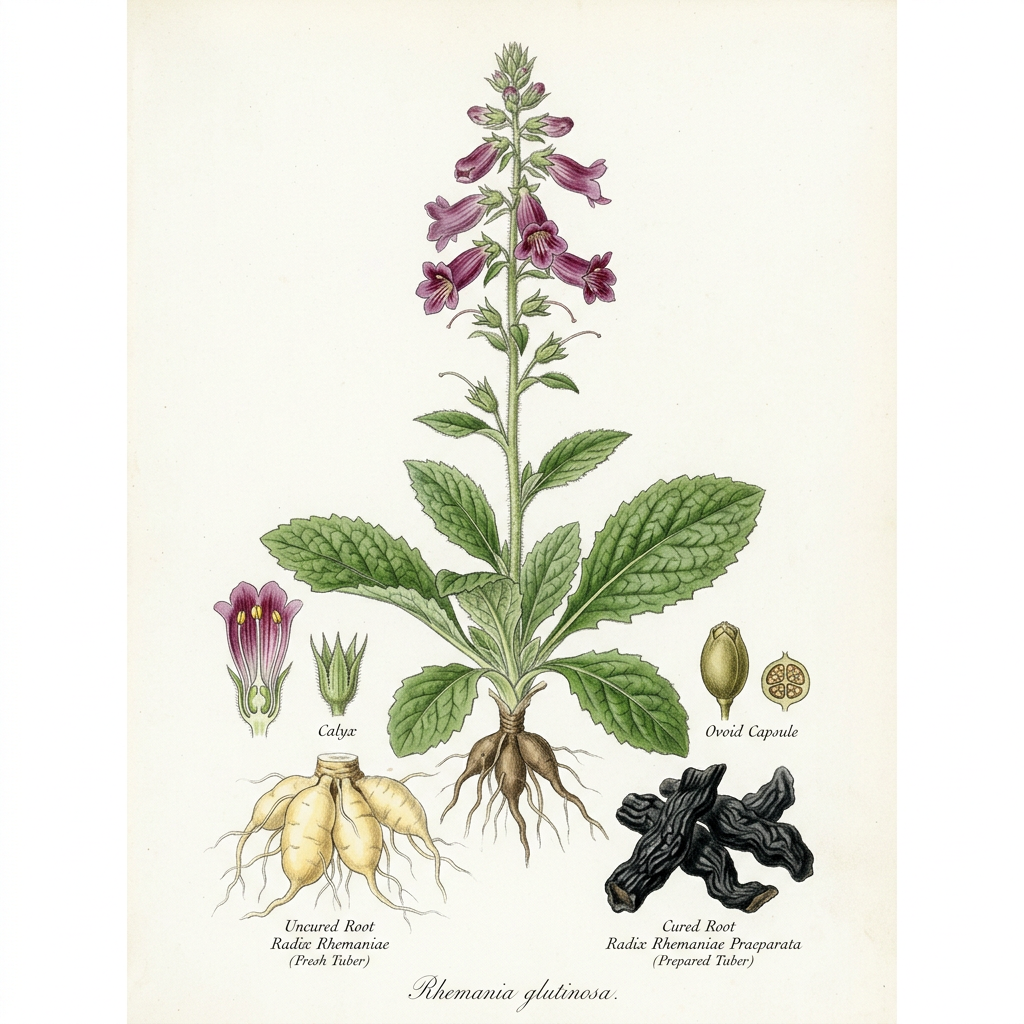
Rhemania glutinosa

Rhemania glutinosa
Rhemania glutinosa

Blood Tonic
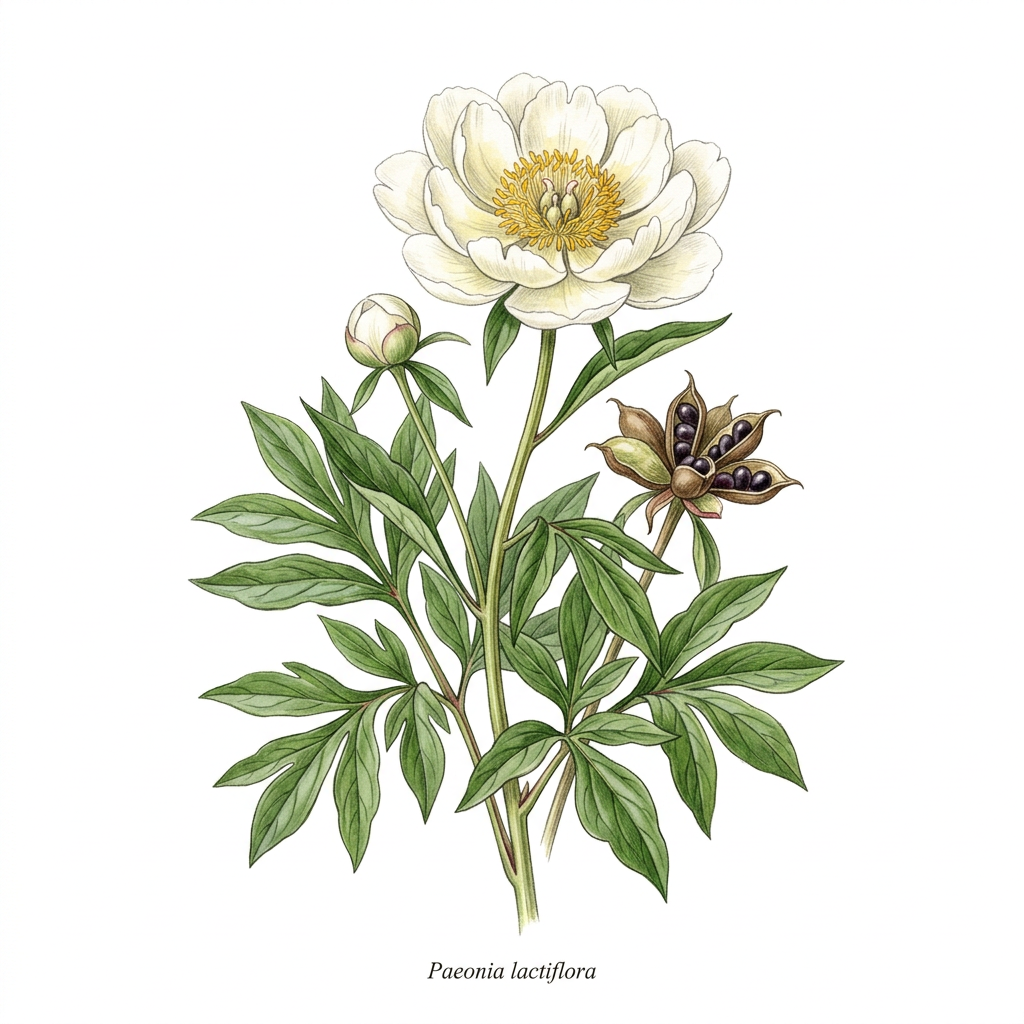
White peony

White peony

Paeonia lactiflora

Hormonal Balance