The Wild Sage logo
The Wild Sage Logo

Herbal Medicine at your fingertips

Comprehensive database of herbal remedies with detailed safety information and traditional uses

New to herbal terms? Read the glossary →
ADHD
Abcess
Acid Reflux Relief
Acinetobacter
Acne
Acne Vulgaris
Addisons
Adenomyosis
Adenovirus
Adrenal fatigue
Aging
Aids
Alcaligenes faecalis
Alcoholism
Allergic Rhinitis
Allergies
Allergy
Alopoecia
Alopoecia nervosa
Alzheimer's, Dementia & Cognitive Decline
420 herbs found
Important: This information is for educational purposes only. Always consult with qualified healthcare professionals before using herbal remedies, especially if you have existing health conditions or take medications.
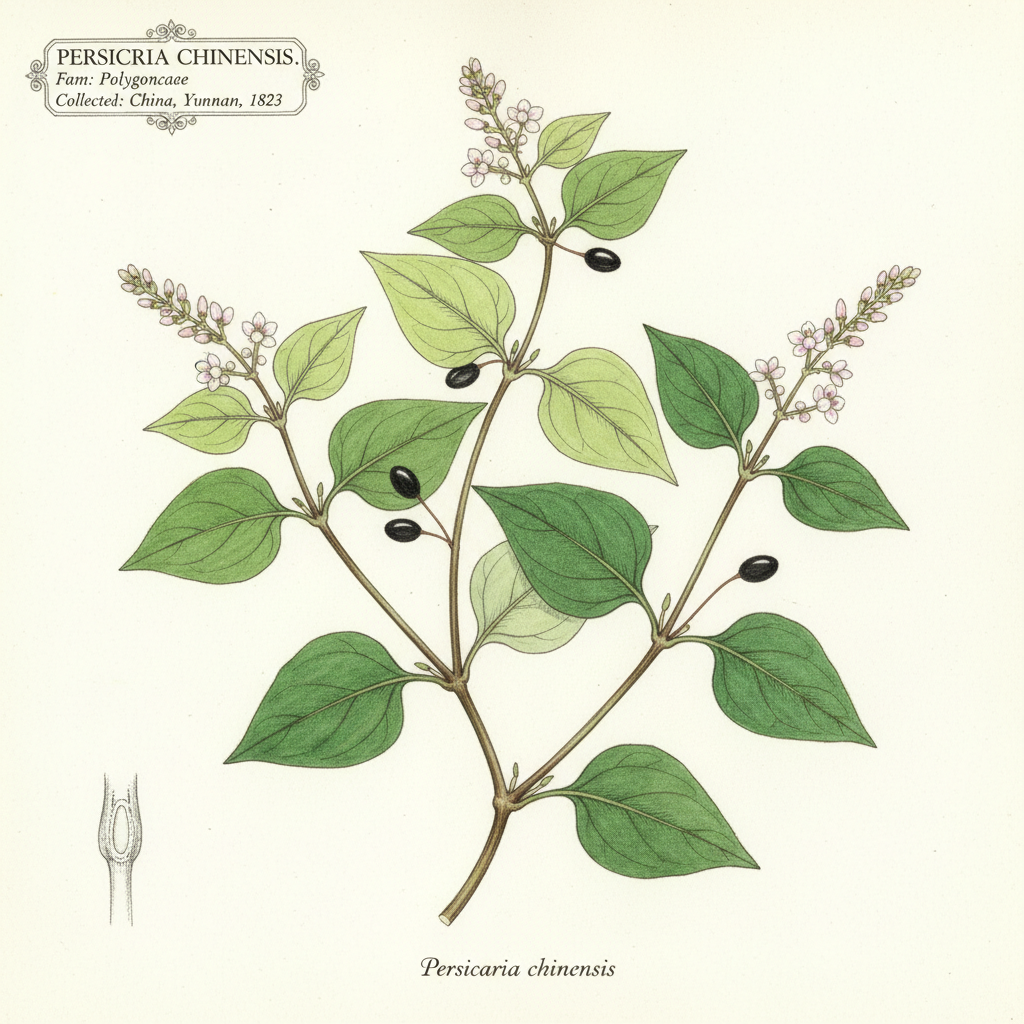
Chinese knotweed

Chinese knotweed

Persicaria chinensis

moderate risk Risk
Polygonaceae
<p>Persicaria chinensis, commonly known as Chinese knotweed, is a perennial herbaceous plant that belongs to the Polygonaceae family. Traditionally, this versatile herb has been used in East Asian medicine, particularly within Traditional Chinese Medicine (TCM) and Korean herbal practices. Historically, it has been prized for its ability to promote overall vitality and well-being, with applications dating back centuries. Its leaves, young shoots, and roots have been harnessed to support various bodily functions, making it an integral component of herbal formulations aimed at enhancing health and longevity. Recent research has highlighted Persicaria chinensis as an adaptogen, reflecting its remarkable capacity to assist the body in managing stress and maintaining homeostasis. Its key therapeutic properties include its role as an anti-aging agent, blood tonic, and a notable inhibitor of NFkB, a protein complex that plays a crucial role in regulating inflammation and immune response. The herb is also recognized for its antibacterial and hepatic properties, suggesting its potential to combat infections and support liver health. The presence of active compounds, including flavonoids and phenolic acids, contributes to these benefits, providing a rich source of antioxidants that protect cells from oxidative damage and may enhance overall health and resilience. At the biochemical level, Persicaria chinensis acts on various pathways within the body. As an NFkB inhibitor, it helps modulate inflammatory responses, thereby reducing chronic inflammation, which is often linked to age-related diseases. Its adaptogenic qualities support adrenal function, promoting a balanced response to environmental stressors. Furthermore, the herb’s blood-tonic effects enhance circulation and promote optimal nutrient transport throughout the body, while its hepatoprotective properties aid in detoxification processes, thereby contributing to overall metabolic health. As more research unfolds, Persicaria chinensis continues to garner interest for its multifaceted benefits, positioning it as a profound ally in the arena of herbal medicine.</p>

Uses & Conditions

Blood tonic
Immune support
Liver health
Adrenal support
Circulation enhancement
Metabolic health
Homeostasis maintenance
Resilience enhancement
Anti-ageing
Premature greying of hair
Ehlers-Danlos syndrome
Connective tissue disorders
Male pattern baldness
Myeloma
Osteoarthritis
Dizziness

Actions

Adaptogen
Anti-ageing
Blood tonic
NFkB inhibitor
Antibacterial
Hepatic

Parts Used

Leaves
Young shoots
Roots

Native Countries

China
Japan
Korea
India
Vietnam

USDA Hardiness Zones

6
7
8
9

Contraindications

  • Pregnancy and breastfeeding
  • Pre-existing liver disease
  • Scheduled surgery
  • Known allergy to the Polygonaceae family

Potential Side Effects

  • Mild gastrointestinal upset
  • Nausea
  • Loose stools
  • Allergic skin reactions from topical application
  • Potential hepatotoxicity with long-term use

Interactions

  • Anticoagulant and antiplatelet drugs
  • Hepatotoxic medications
  • Immunosuppressants

Dosages, tincture ratios & research — members only

Unlock Garreth's dosing guidance, tincture ratios, the dosage calculator and the research studies for Chinese knotweed.

Your assessment and results stay saved — upgrading only unlocks more of them.

See membership plans

Community Photos

No community photos yet. Sign in to upload photos.

Reviews & Ratings

Sign in to leave a review.

No reviews yet. Be the first!

GF

Garreth Falls — B.Th., Dip. H.M., MNIMH

Content curated and reviewed by Garreth Falls, Consultant Medical Herbalist · The Wild Sage

Medical Disclaimer: This information is for educational purposes only and is not intended as medical advice. Always consult with qualified healthcare professionals before starting any herbal treatment.
Chinese tradition

Sustainability & quality

Abundant

Common in its native range; practice careful identification to avoid confusion with similar species.

Key constituents

Antrones, Rhein, Senoside, Trans-resveratrol, Anthraquinones

References

  1. Herbal Reality. Herb monographs. herbalreality.com

Reviewed by Garreth, Medical Herbalist (MNIMH) · October 2026

Related conditions

Explore conditions where Chinese knotweed is traditionally used.

Related Herbs
He Shou Wu (Fo-Ti)

He Shou Wu (Fo-Ti)

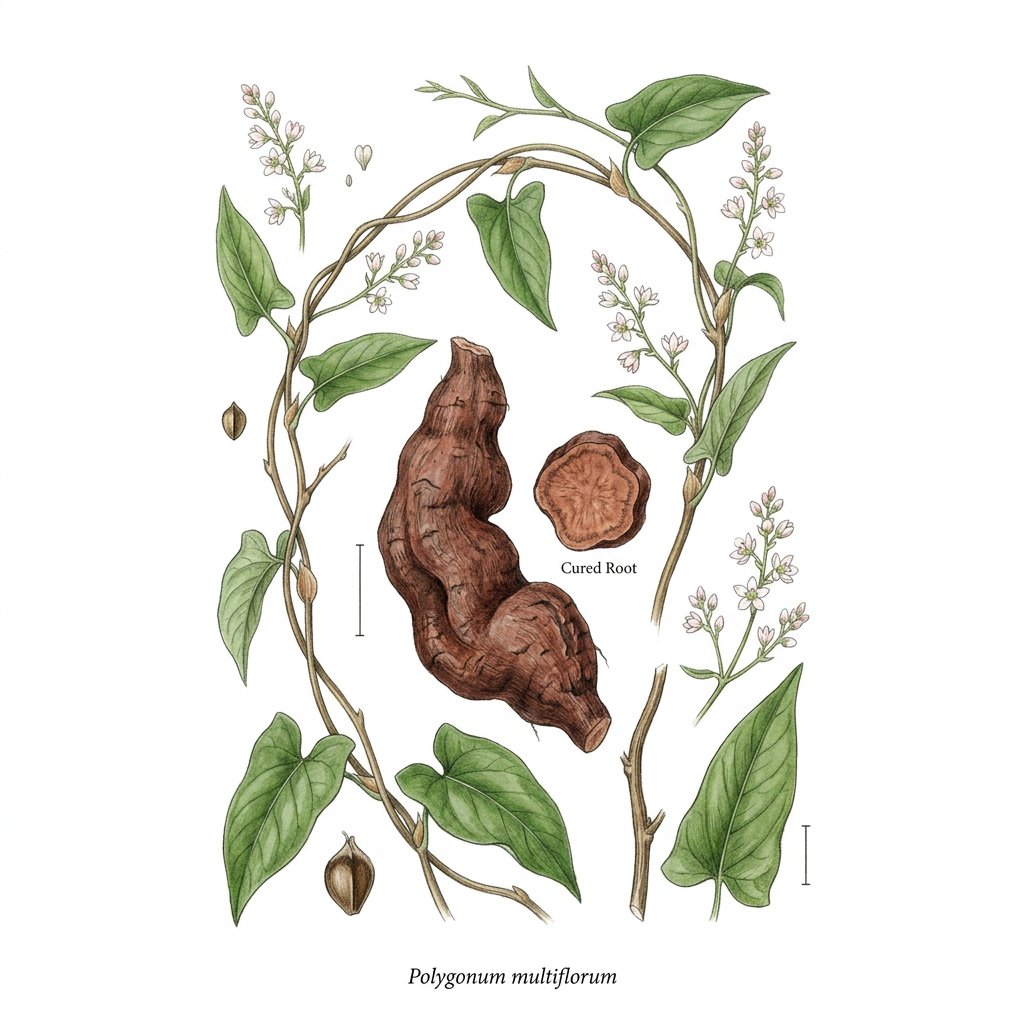
Polygonum multiflorum
Anti-ageing
Japanese Knotweed

Japanese Knotweed

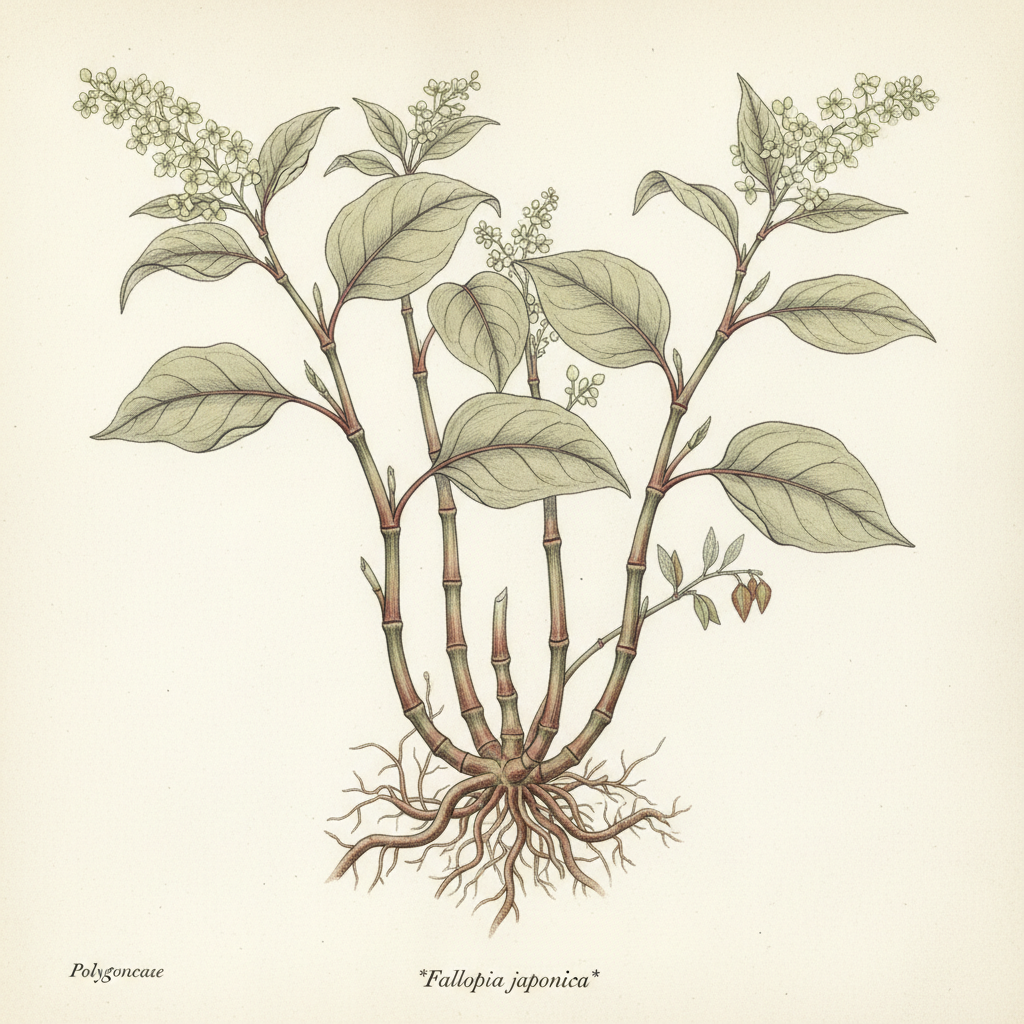
Fallopia japonica

Immune Support
Yellow Dock

Yellow Dock

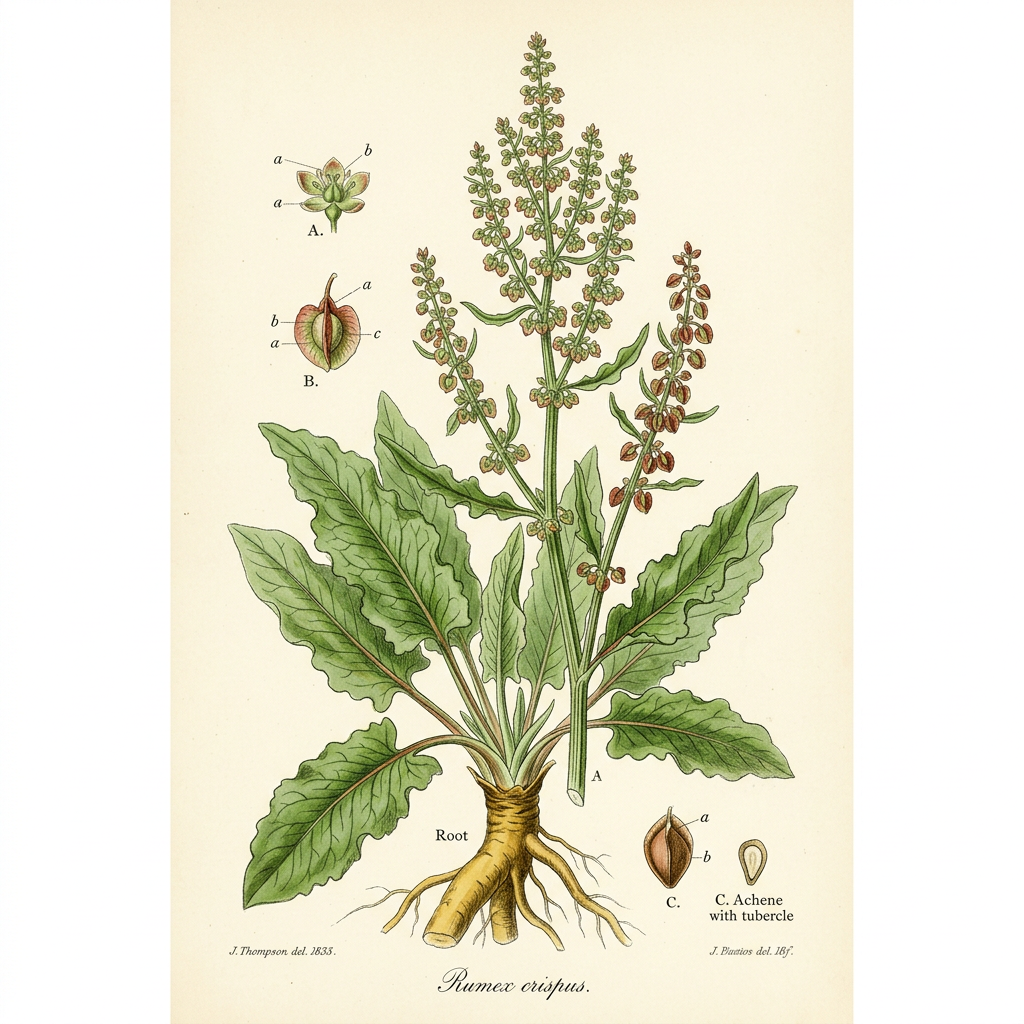
Rumex crispus

Blood Purification
Horsetail

Horsetail

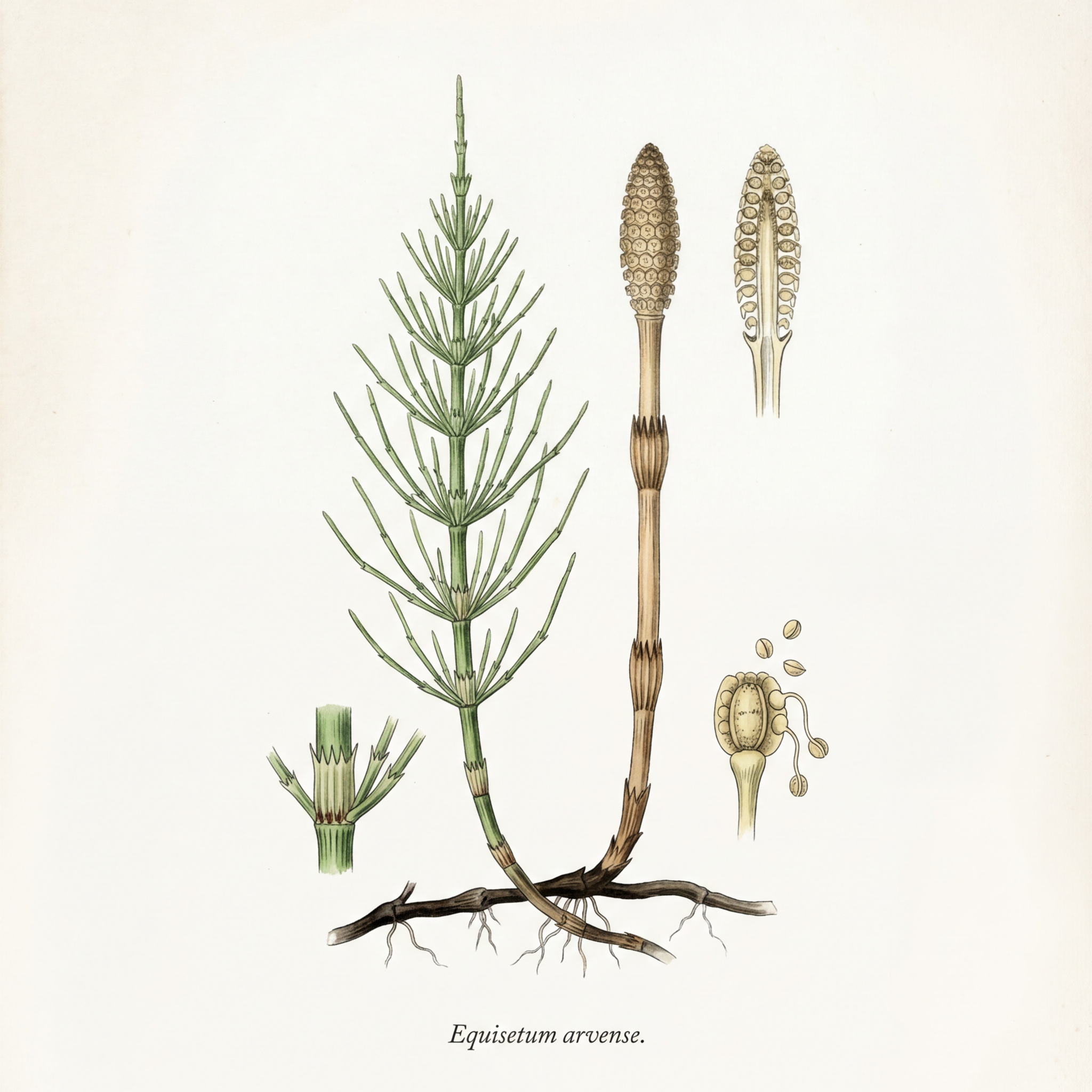
Equisetum arvense

Connective tissue support