The Wild Sage logo
The Wild Sage Logo

Herbal Medicine at your fingertips

Comprehensive database of herbal remedies with detailed safety information and traditional uses

New to herbal terms? Read the glossary →
ADHD
Abcess
Acid Reflux Relief
Acinetobacter
Acne
Acne Vulgaris
Addisons
Adenomyosis
Adenovirus
Adrenal fatigue
Aging
Aids
Alcaligenes faecalis
Alcoholism
Allergic Rhinitis
Allergies
Allergy
Alopoecia
Alopoecia nervosa
Alzheimer's, Dementia & Cognitive Decline
420 herbs found
Important: This information is for educational purposes only. Always consult with qualified healthcare professionals before using herbal remedies, especially if you have existing health conditions or take medications.
Chinese rhubarb

Chinese rhubarb

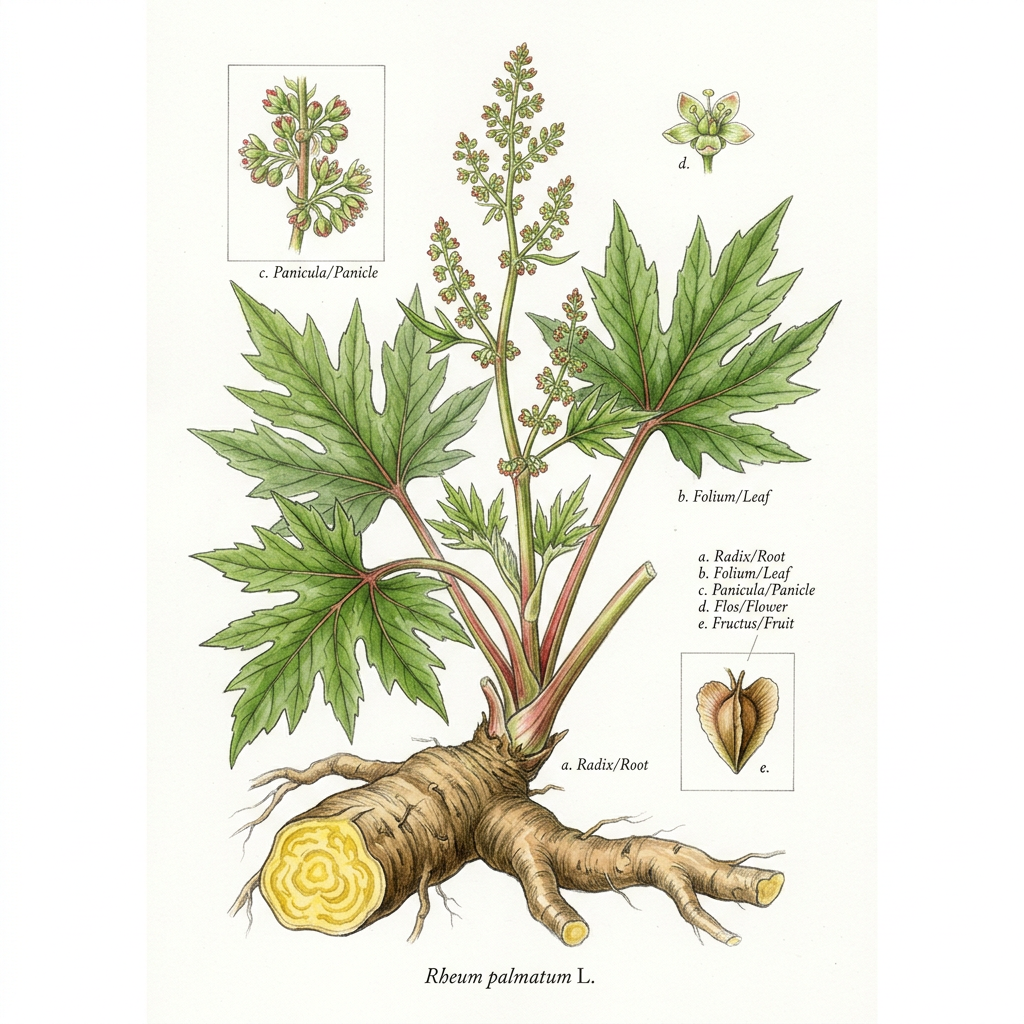
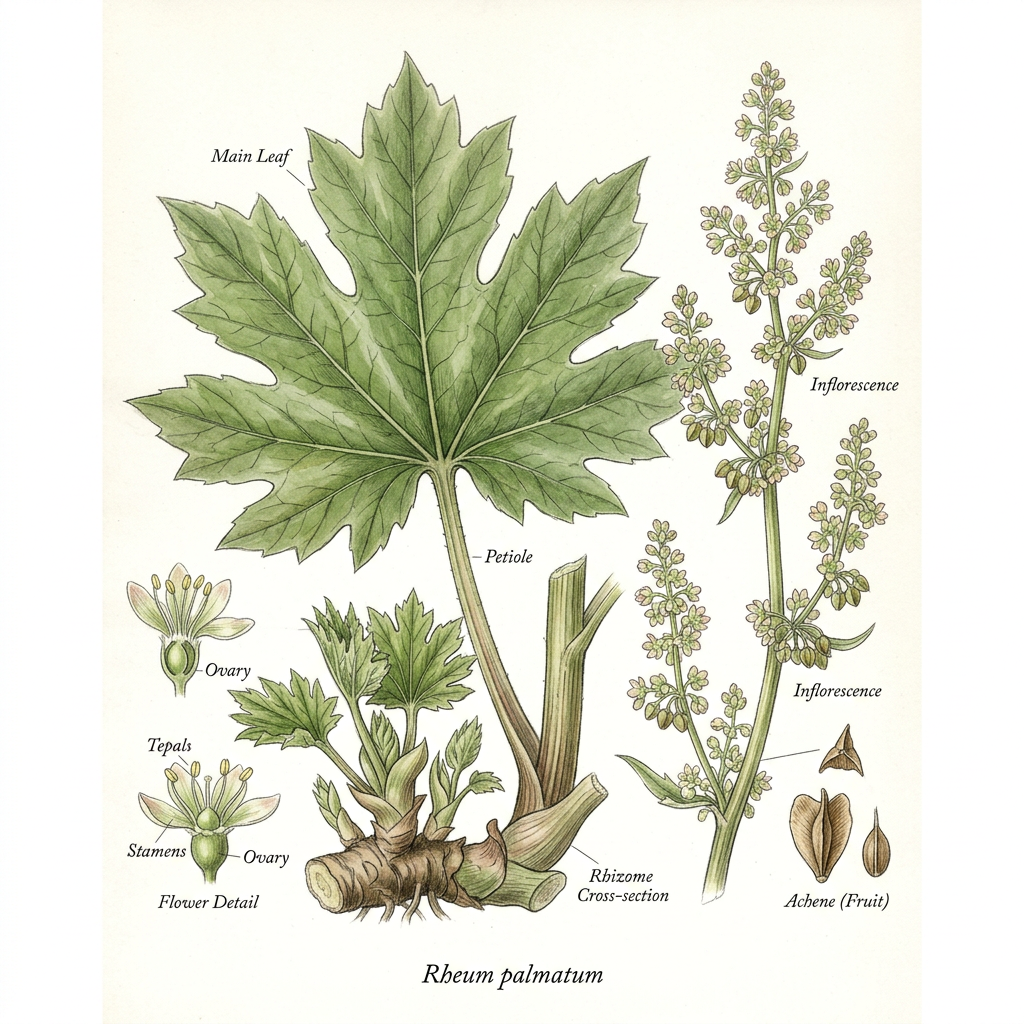
Rheum palmatum

moderate risk Risk
Polygonaceae
<p>Rheum palmatum, commonly known as Chinese rhubarb or Da Huang, is a perennial herbaceous plant indigenous to the mountainous regions of China and Mongolia. Historically, Rheum palmatum has been celebrated in traditional Chinese medicine (TCM) for its multifaceted therapeutic applications, particularly in promoting digestive health and serving as a powerful laxative. Its roots have been utilized for centuries, often prepared in decoctions or powdered form to support a variety of ailments. Beyond its use in TCM, Rheum palmatum has made its way into various herbal practices around the globe, revered for its efficacy and rich profile of bioactive compounds. The primary therapeutic properties of Rheum palmatum include its potent digestive aid capabilities, which facilitate the efficient functioning of the gastrointestinal tract. This powerful herb promotes the movement of food through the digestive system, alleviating symptoms such as constipation and enhancing overall digestive health. Additionally, Rheum palmatum is recognized for its anti-inflammatory and antimicrobial properties, which contribute to its effectiveness in treating digestive disorders and maintaining gut flora balance. The herb is also rich in anthraquinones, compounds that impart its distinctive laxative effect by stimulating peristalsis and increasing stool bulk. Upon ingestion, Rheum palmatum interacts with the body by modulating various physiological processes. The anthraquinones, such as emodin and rhein, act on the intestinal mucosa, enhancing secretion and motility while reducing symptoms of inflammation in the gut. By promoting bile flow, it aids in the emulsification of fats and supports liver function, further contributing to digestive wellness. Additionally, its polyphenolic compounds exhibit antioxidant activity, helping to neutralize free radicals and prevent oxidative stress, which is beneficial for overall health. Rheum palmatum stands as a pillar of both traditional and contemporary herbal medicine, embodying a rich legacy and a multitude of health benefits.</p>

Uses & Conditions

Digestive Aid
Bile Flow Support
Liver Function Support
Nutrient Absorption
Constipation
Stomach Discomfort
Intestinal Obstruction
Acute Intestinal Inflammation
Crohn's Disease
Ulcerative Colitis
Appendicitis

Actions

Anti-inflammatory
Antimicrobial
Antioxidant
Hepatic
Laxative

Parts Used

Root

Native Countries

Asia

USDA Hardiness Zones

USDA 3-8

Contraindications

  • Intestinal obstruction
  • Acute intestinal inflammation
  • Crohn's disease
  • Ulcerative colitis
  • Appendicitis
  • Abdominal pain of unknown origin
  • Children under 12 years of age
  • Pregnancy

Potential Side Effects

  • Electrolyte balance disturbances, especially potassium deficiency
  • Albuminuria
  • Hematuria
  • Pseudomelanosis coli (harmless pigment implantation in the intestinal mucosa)
  • Cardiac function disorders from chronic potassium deficiency
  • Muscular weakness from chronic potassium deficiency

Interactions

  • Diuretics: potential additive effect leading to hypokalaemia
  • Cardiac glycosides like digoxin: increased risk of toxicity due to potassium depletion
  • Corticosteroids: potential exacerbation of potassium loss
  • Anticoagulants such as warfarin: theoretical risk of interaction
  • Oral medications: potential reduced absorption due to increased intestinal motility; separate doses by at least two hours

Dosages, tincture ratios & research — members only

Unlock Garreth's dosing guidance, tincture ratios, the dosage calculator and the research studies for Chinese rhubarb.

Your assessment and results stay saved — upgrading only unlocks more of them.

See membership plans

Community Photos

No community photos yet. Sign in to upload photos.

Reviews & Ratings

Sign in to leave a review.

No reviews yet. Be the first!

GF

Garreth Falls — B.Th., Dip. H.M., MNIMH

Content curated and reviewed by Garreth Falls, Consultant Medical Herbalist · The Wild Sage

Medical Disclaimer: This information is for educational purposes only and is not intended as medical advice. Always consult with qualified healthcare professionals before starting any herbal treatment.
Chinese tradition
Western tradition

Sustainability & quality

Cultivated

Extensively farmed; ensure strict quality control for heavy metal testing.

Key constituents

Hydroxyanthraquinone glycosides (sennosides A-F), Free anthraquinones (emodin, rhein, aloe-emodin), Tannins (gallotannins and catechins), Stilbenoids (rhaponticin), Flavonoids (rutin, quercetin), Organic acids (oxalic acid)

References

  1. Bensky "Chinese Herbal Medicine: Materia Medica" 3rd ed. 2004
  2. ESCOP Monographs 2nd ed. 2003
  3. British Herbal Pharmacopoeia 1983
  4. Herbal Reality. Herb monographs. herbalreality.com

Related conditions

Explore conditions where Chinese rhubarb is traditionally used.

Related Herbs
Rheum

Rheum

Rheum palmatum

Digestive Aid
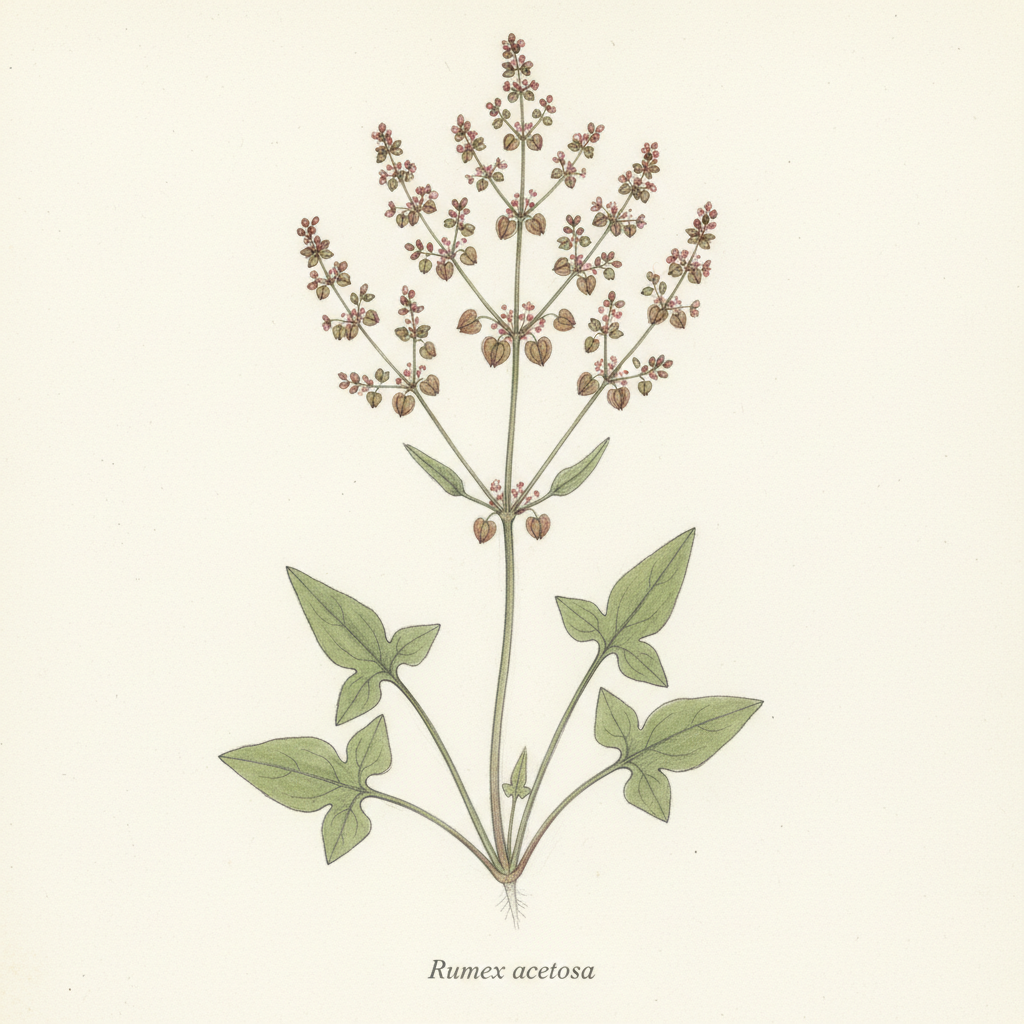
Sorrel

Sorrel

Rumex acetosa

Antioxidant support
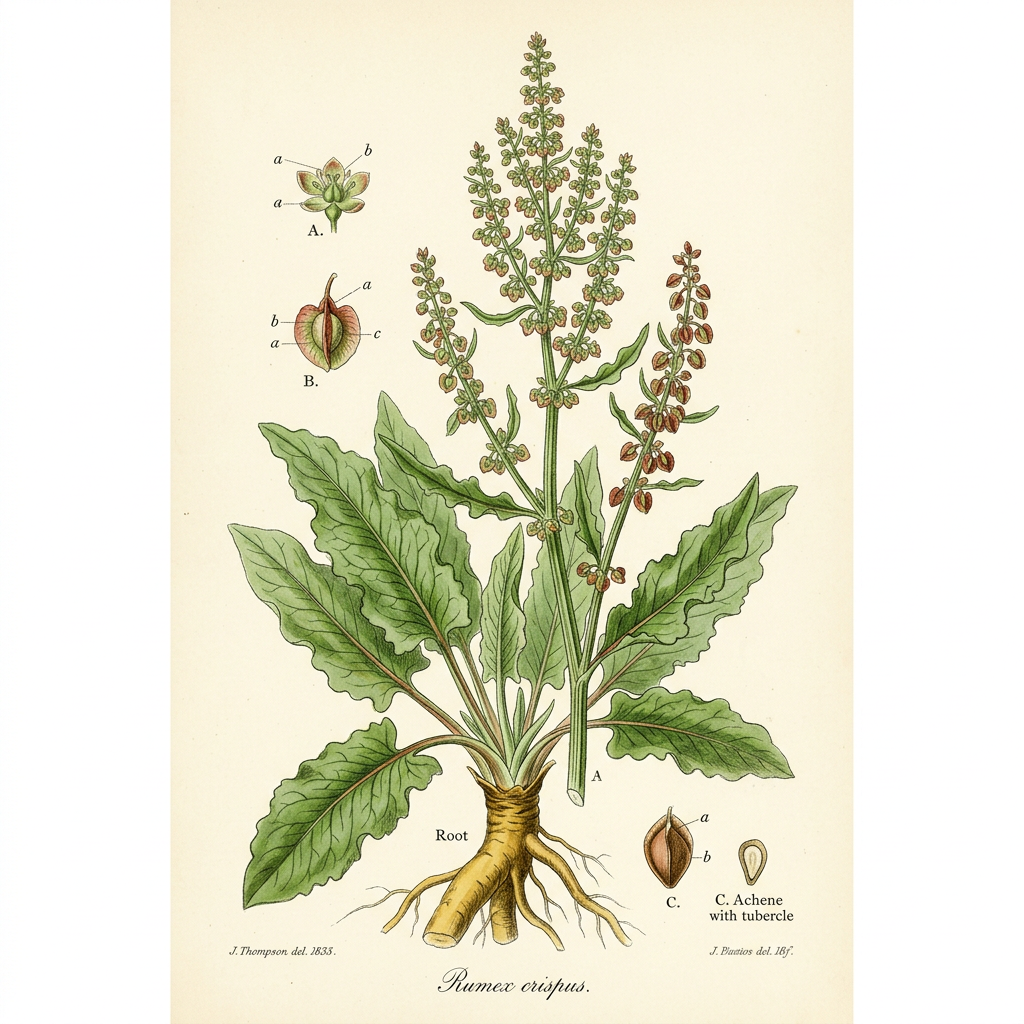
Yellow Dock

Yellow Dock

Rumex crispus

Blood Purification
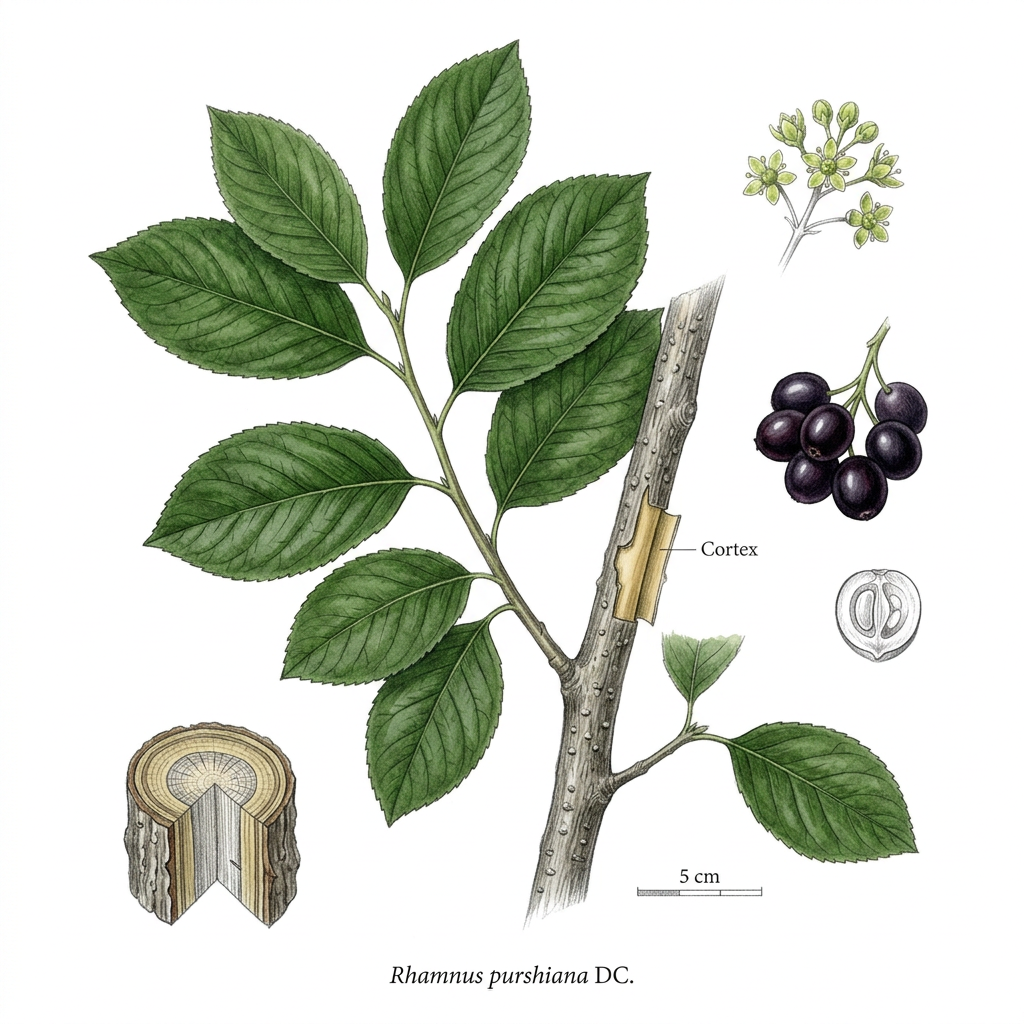
Cascara Sagrada

Cascara Sagrada

Rhamnus purshiana

Digestive Tonification