The Wild Sage logo
The Wild Sage Logo

Herbal Medicine at your fingertips

Comprehensive database of herbal remedies with detailed safety information and traditional uses

New to herbal terms? Read the glossary →
ADHD
Abcess
Acid Reflux Relief
Acinetobacter
Acne
Acne Vulgaris
Addisons
Adenomyosis
Adenovirus
Adrenal fatigue
Aging
Aids
Alcaligenes faecalis
Alcoholism
Allergic Rhinitis
Allergies
Allergy
Alopoecia
Alopoecia nervosa
Alzheimer's, Dementia & Cognitive Decline
420 herbs found
Important: This information is for educational purposes only. Always consult with qualified healthcare professionals before using herbal remedies, especially if you have existing health conditions or take medications.
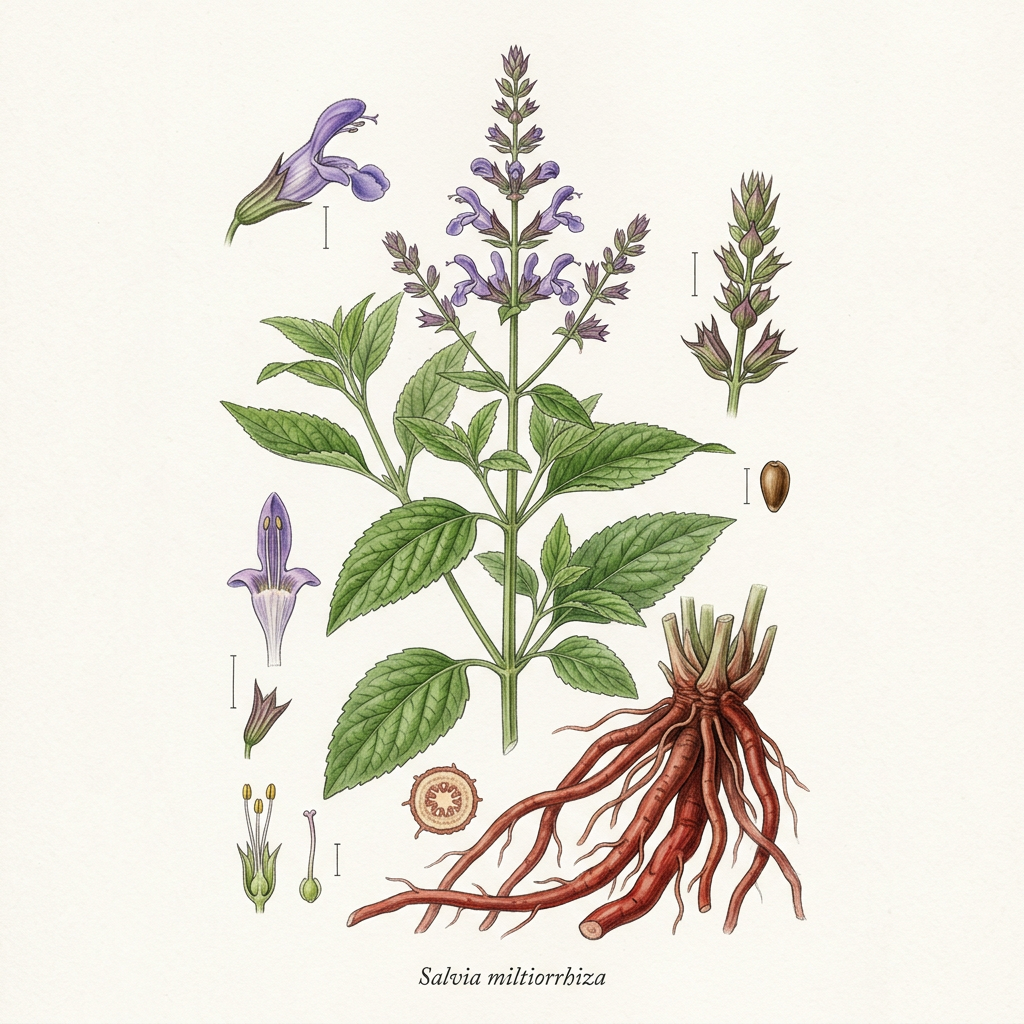
Chinese sage

Chinese sage

Salvia miltiorrhiza

moderate risk Risk
Lamiaceae
Promotes circulation, supports heart health, calms the mind, and enhances mental clarity.
<p>Chinese Sage, known scientifically as Salvia miltiorrhiza, has been revered in Traditional Chinese Medicine (TCM) for centuries, often referred to as Danshen or Dan Shen. Historically, this herb has been utilized for its wide-ranging therapeutic properties, particularly in promoting cardiovascular health and addressing various ailments related to blood circulation, detoxification, and reproductive health. Its use dates back over 1,000 years where it was documented in ancient texts for its ability to replenish the heart and relieve symptoms of anxiety and palpitations. The root of this perennial plant is the primary component used, celebrated not only for its medicinal aspects but also for its significance in maintaining overall well-being within traditional herbal practices. The active compounds in Salvia miltiorrhiza impart a myriad of health benefits, making it a valuable addition to contemporary herbal medicine. Primarily, it exhibits cardio-protective actions through its ability to improve blood flow, reduce blood pressure, and exhibit anti-inflammatory effects, thereby supporting cardiovascular health. Additionally, it has diuretic qualities and is beneficial in the management of prostatic health—potentially lowering PSA levels and aiding in conditions related to the prostate. Chinese Sage also holds promise as a natural aid for erectile dysfunction due to its testosterone-modulating properties, enhancing sexual health and vitality. Moreover, it functions as a digestive aid, assisting in the breakdown of food and alleviating gastrointestinal discomfort. Mechanistically, the therapeutic effects of Chinese Sage are attributed to its rich phytochemical profile, particularly the active constituents known as tanshinones. These compounds exhibit antioxidant and anti-inflammatory properties, which help to mitigate oxidative stress and promote vascular health. By enhancing nitric oxide production, Salvia miltiorrhiza facilitates vasodilation, leading to improved blood circulation. Furthermore, its hormonal effects aid in the modulation of testosterone levels, contributing not only to sexual health but also to overall endocrine balance. Overall, Chinese Sage stands as a powerful herbal ally, seamlessly bridging ancient wisdom with modern therapeutic applications, making it a key herb for those seeking to enhance their health holistically.</p>

Uses & Conditions

Cardiovascular Health Support
Endothelial Support
Stress Management
Angina
Benign Prostatic Hyperplasia
Lower Urinary Tract Symptoms
Poor Circulation
Erectile Dysfunction
Diabetes Management
Acne
Viral Infections
Autoimmune Conditions
Deep Vein Thrombosis
Cardiomyopathy
Blood Stasis

Actions

Cardioprotective
Digestive Aid
Prostate Support
Testosterone Modulator
Diuretic
NFkB Inhibitor
TNF-a Antagonist

Parts Used

Root.

Native Countries

Asia

USDA Hardiness Zones

USDA 6-9

Preparations & Dosage

  • Decoction: 9-15g of dried root per day, simmered in water for 20-40 minutes and consumed in divided doses
  • Tincture: 1:3, 50% alcohol, 2-5ml taken three times daily, diluted in a small amount of warm water

Maximum weekly dose: 105ml

Contraindications

  • Pregnancy: avoid due to potential to stimulate uterine blood flow
  • Breastfeeding: insufficient safety data available
  • Pre-operative: discontinue at least two weeks before surgery to avoid interference with coagulation
  • Bleeding disorders: individuals with haemophilia or other clotting conditions should avoid
  • Hypersensitivity: contraindicated in those with a known allergy to Lamiaceae species

Potential Side Effects

  • Mild gastrointestinal distress
  • Abdominal pain
  • Loss of appetite
  • Dizziness or lightheadedness
  • Skin rashes
  • Allergic reactions

Interactions

  • Anticoagulants and antiplatelet drugs: may increase risk of spontaneous bleeding
  • Digoxin: may interfere with serum assays and alter therapeutic profile
  • Antihypertensive medications: potential additive effect leading to excessive hypotension
  • Cytochrome P450 substrates: potential for pharmacokinetic interactions

Dosage Calculator

Community Photos

No community photos yet. Sign in to upload photos.

Reviews & Ratings

Sign in to leave a review.

No reviews yet. Be the first!

GF

Garreth Falls — B.Th., Dip. H.M., MNIMH

Content curated and reviewed by Garreth Falls, Consultant Medical Herbalist · The Wild Sage

Medical Disclaimer: This information is for educational purposes only and is not intended as medical advice. Always consult with qualified healthcare professionals before starting any herbal treatment.
Chinese tradition

Sustainability & quality

Cultivated

Extensively farmed; ensure supply chain transparency to check for potential adulterants.

Key constituents

Tanshinone I, Tanshinone IIA, Cryptotanshinone, Salvianolic acids (including Salvianolic acid B), Danshensu, Protocatechuic aldehyde, Triterpenoids, Phytosterols

References

  1. Bensky "Chinese Herbal Medicine: Materia Medica" 3rd ed. 2004
  2. EMA/HMPC Community Herbal Monograph
  3. Herbal Reality. Herb monographs. herbalreality.com

Reviewed by Garreth, Medical Herbalist (MNIMH) · October 2026

Related conditions

Explore conditions where Chinese sage is traditionally used.

Related Herbs
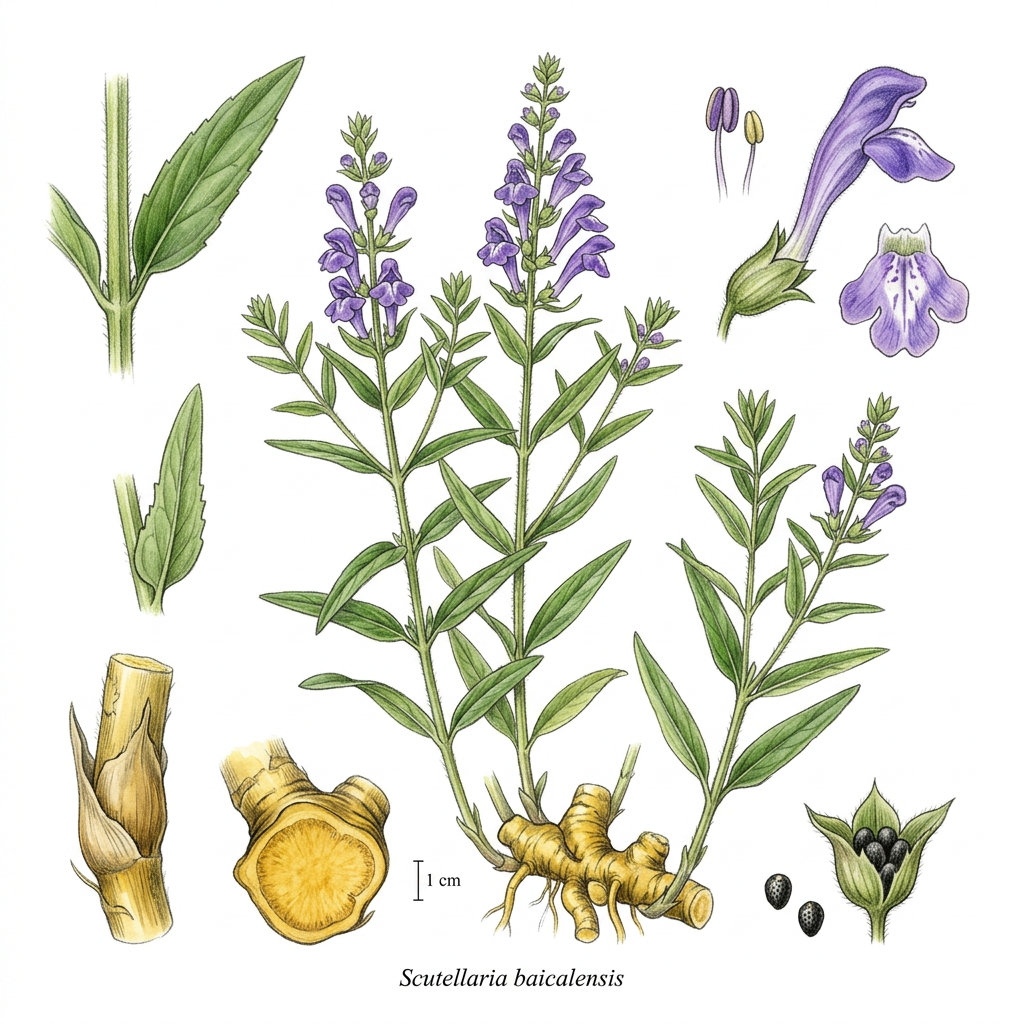
Chinese Skullcap

Chinese Skullcap

Scutellaria baicalensis
Immune Support
Coleus

Coleus

Coleus forskohlii

Weight Management
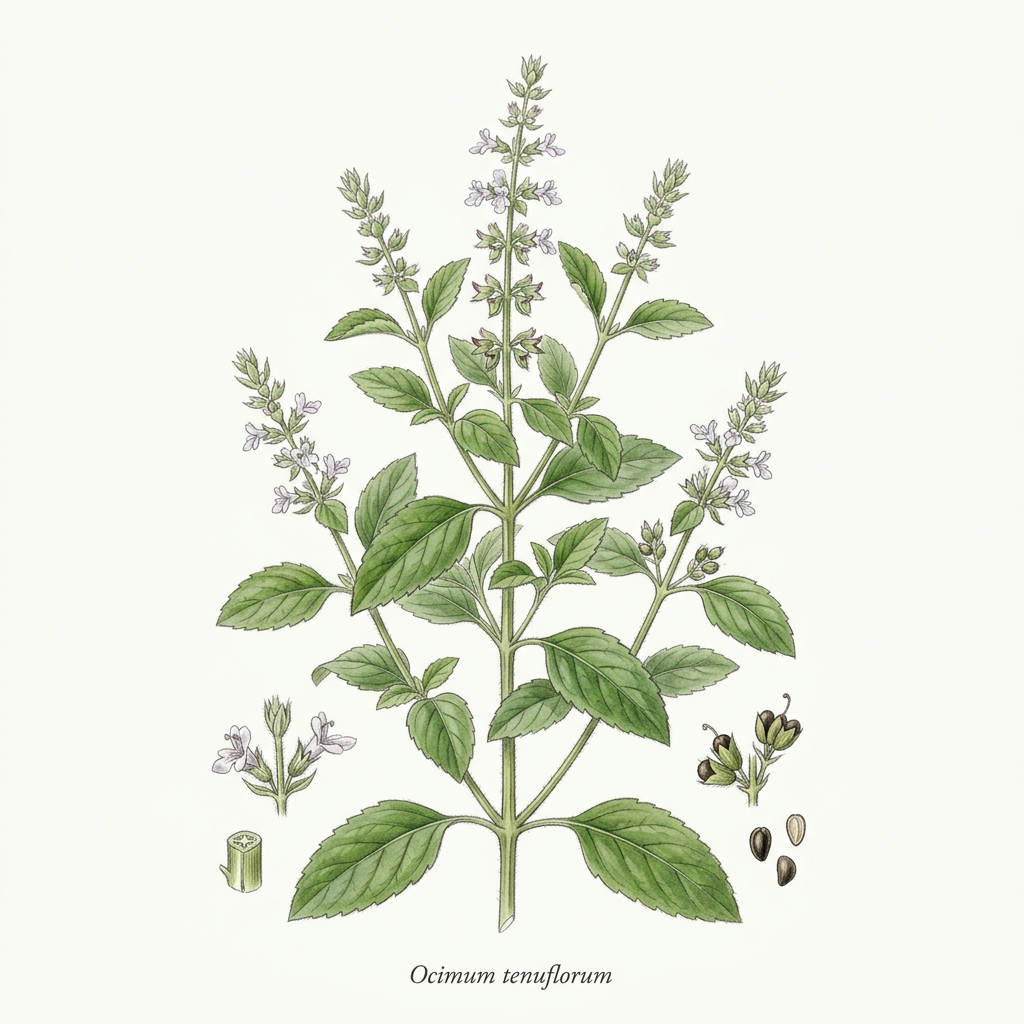
Tulsi

Tulsi

Ocimum tenuiflorum

Stress Management
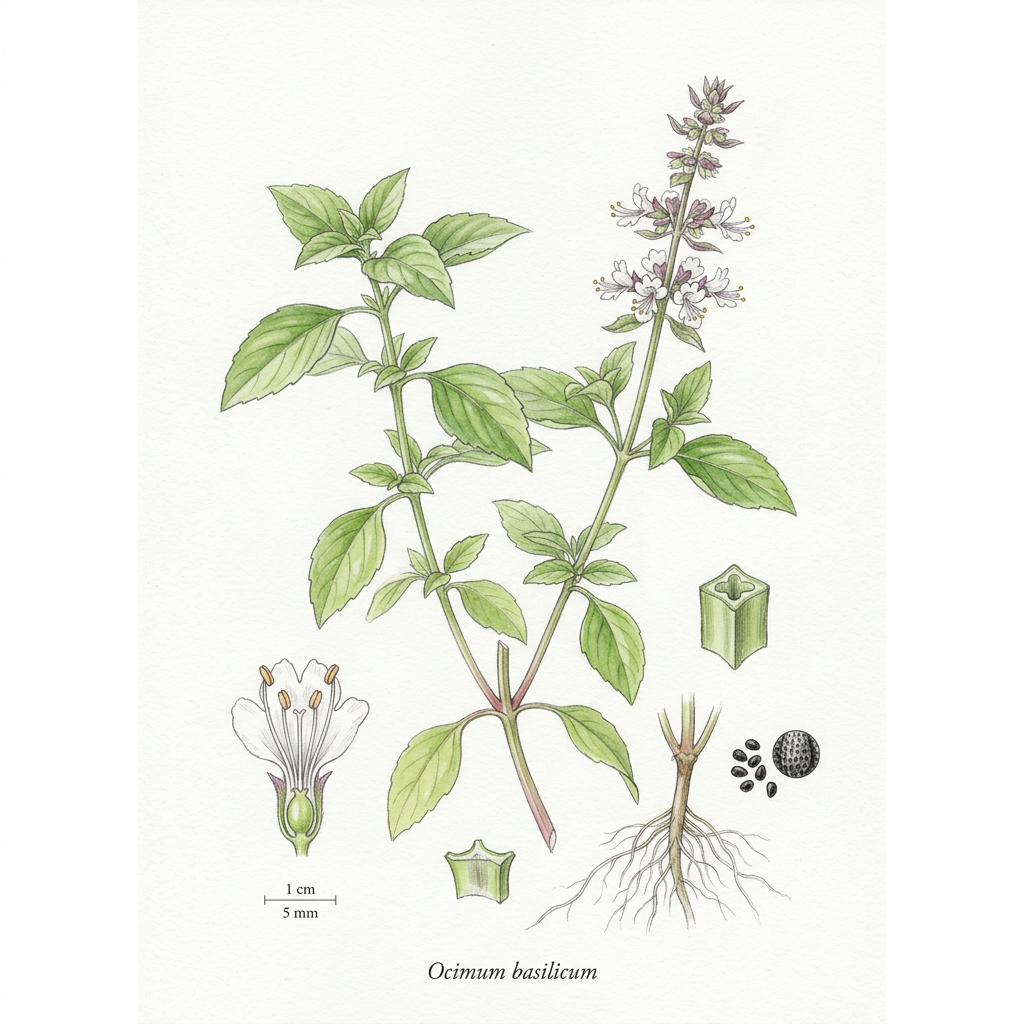
Basil

Basil

Ocimum basilicum

Convalescence