The Wild Sage logo
The Wild Sage Logo

Herbal Medicine at your fingertips

Comprehensive database of herbal remedies with detailed safety information and traditional uses

New to herbal terms? Read the glossary →
ADHD
Abcess
Acid Reflux Relief
Acinetobacter
Acne
Acne Vulgaris
Addisons
Adenomyosis
Adenovirus
Adrenal fatigue
Aging
Aids
Alcaligenes faecalis
Alcoholism
Allergic Rhinitis
Allergies
Allergy
Alopoecia
Alopoecia nervosa
Alzheimer's, Dementia & Cognitive Decline
420 herbs found
Important: This information is for educational purposes only. Always consult with qualified healthcare professionals before using herbal remedies, especially if you have existing health conditions or take medications.
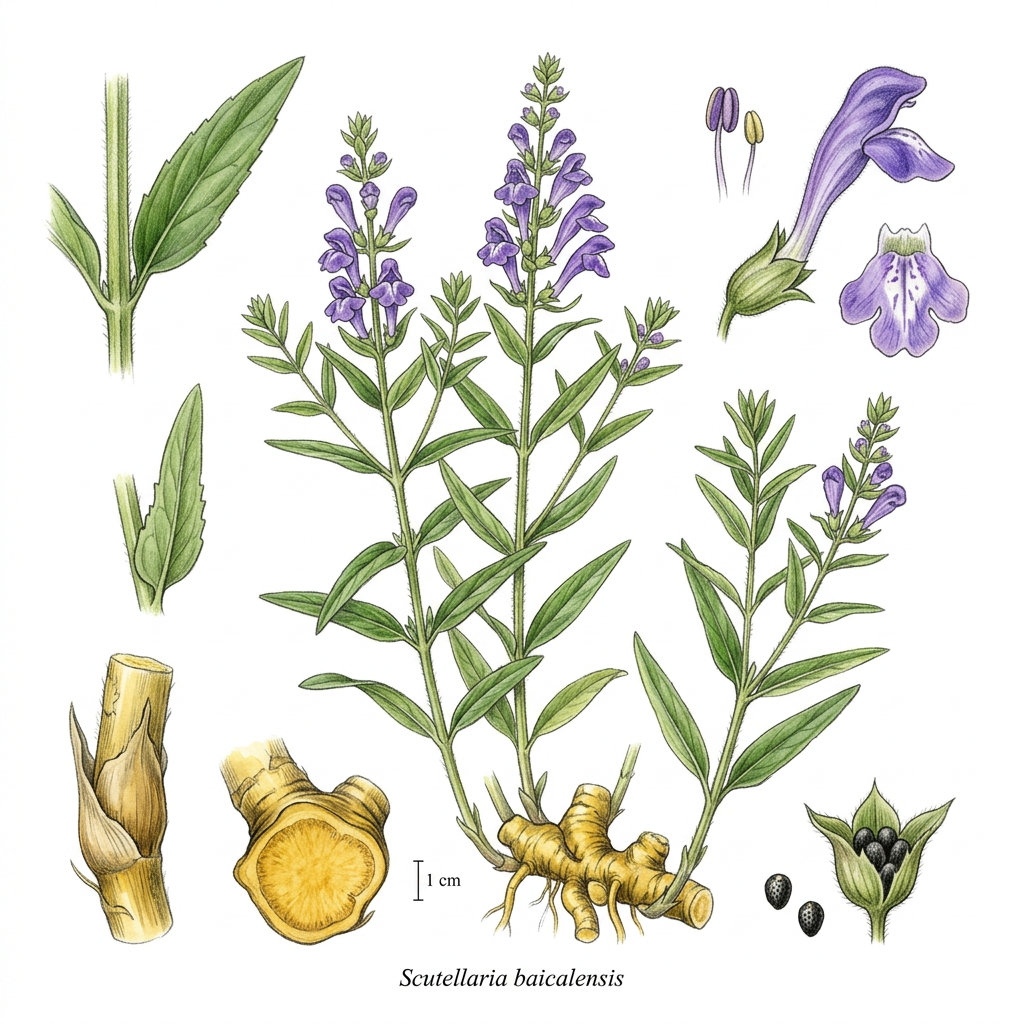
Chinese Skullcap

Chinese Skullcap

Scutellaria baicalensis

low risk Risk
Lamiaceae
Often used to clear heat and reduce inflammation in the body.
<p>Chinese Skullcap, known scientifically as Scutellaria baicalensis, is a perennial herb belonging to the mint family (Lamiaceae) that has been revered in traditional Chinese medicine (TCM) for centuries. Historically, this herb is celebrated for its ability to clear heat and purge toxins, making it especially valuable in treating conditions characterized by heat-related symptoms. Its roots, commonly harvested in the late summer and autumn months, are utilized in various herbal formulations, often incorporated into remedies aimed at addressing infections, inflammation, and allergic responses. In TCM, Chinese Skullcap is traditionally used to alleviate symptoms of respiratory illnesses, skin disorders, and digestive complaints, reflecting its broad-spectrum therapeutic potential. The key therapeutic properties of Chinese Skullcap are attributed to its rich chemical composition, which includes flavonoids such as baicalin, baicalein, and wogonin. These compounds confer pronounced antimicrobial and anti-inflammatory effects, making the herb an effective natural option for managing infections and reducing inflammation within the body. Additionally, its antiviral properties aid in inhibiting viral replication, thereby supporting the immune system in combating various viral pathogens. Chinese Skullcap is also noted for its role in alleviating allergic reactions, as it modulates the body’s response to allergens and reduces histamine release. As a result, it is frequently used in treating conditions like allergies, hay fever, and other respiratory ailments, providing relief from associated symptoms such as congestion, irritation, and discomfort. Mechanistically, Chinese Skullcap exerts its effects through a multitude of pathways. The flavonoids present in the herb are potent antioxidants, scouring the body for harmful free radicals and oxidative stress that contribute to inflammation and chronic disease. Additionally, these compounds have demonstrated the ability to inhibit key enzymes involved in inflammatory pathways, such as cyclooxygenase and lipoxygenase, leading to reduced inflammation and pain. By enhancing the activity of immune cells and suppressing the overactive immune response associated with allergic reactions, Chinese Skullcap exemplifies the intricate balance of supporting health while alleviating discomfort. Its multifaceted actions make it a valuable ally in holistic health, drawing on centuries of traditional wisdom while being validated by modern pharmacognosy.</p>

Uses & Conditions

Immune Support
Hepatic Support
Toxin Clearance
Infections
Inflammation
Allergies
Acne
Viral Infections
Asthma
Autoimmune Conditions
Boils (Furunculosis)
Cough
Dermatitis
Eczema
Diabetic Neuropathy
Endometriosis
Hay Fever
Respiratory Illnesses
Digestive Complaints
Adrenal Fatigue
Biliary Dyskinesia

Actions

Hepatic
Antiviral
Immunomodulatory
Antimicrobial
Antioxidant
Analgesic

Synonyms

Chinese skullcap
Baikal skullcap

Parts Used

Leaves
Whole plant

Native Countries

China

USDA Hardiness Zones

USDA 3-9
USDA 4-9
USDA 5-9

Contraindications

  • Pregnancy: avoid due to lack of safety data and potential uterine stimulant effects.
  • Breastfeeding: not recommended due to insufficient evidence of safety for the infant.
  • Spleen or Stomach deficiency: traditionally contraindicated in patients presenting with cold-type digestive symptoms.
  • Surgery: discontinue at least two weeks before elective surgery due to potential influence on blood clotting.
  • Known allergy to plants in the Lamiaceae family.

Potential Side Effects

  • Rare gastrointestinal tract reactions

Interactions

  • Anticoagulants or antiplatelet drugs: theoretical risk of additive effects.
  • Antidiabetic medications: may potentiate blood glucose lowering effects.
  • Hepatotoxic drugs: theoretically may impact liver enzymes.
  • CNS depressants: potential for additive sedative effects when taken in high doses.

Dosages, tincture ratios & research — members only

Unlock Garreth's dosing guidance, tincture ratios, the dosage calculator and the research studies for Chinese Skullcap.

Your assessment and results stay saved — upgrading only unlocks more of them.

See membership plans

Community Photos

No community photos yet. Sign in to upload photos.

Reviews & Ratings

Sign in to leave a review.

No reviews yet. Be the first!

GF

Garreth Falls — B.Th., Dip. H.M., MNIMH

Content curated and reviewed by Garreth Falls, Consultant Medical Herbalist · The Wild Sage

Medical Disclaimer: This information is for educational purposes only and is not intended as medical advice. Always consult with qualified healthcare professionals before starting any herbal treatment.
Chinese tradition

Sustainability & quality

Cultivated

Cultivation is the standard and helps preserve remaining wild stands. Ensure purity as adulteration is a risk in dried root products.

Key constituents

Baicalin, Baicalein, Wogonin, Wogonoside, Flavones, Phenolic acids, Essential oils

References

  1. Bensky "Chinese Herbal Medicine: Materia Medica" 3rd ed. 2004
  2. Herbal Reality. Herb monographs. herbalreality.com

Reviewed by Garreth, Medical Herbalist (MNIMH) · October 2026

Related conditions

Explore conditions where Chinese Skullcap is traditionally used.

Related Herbs
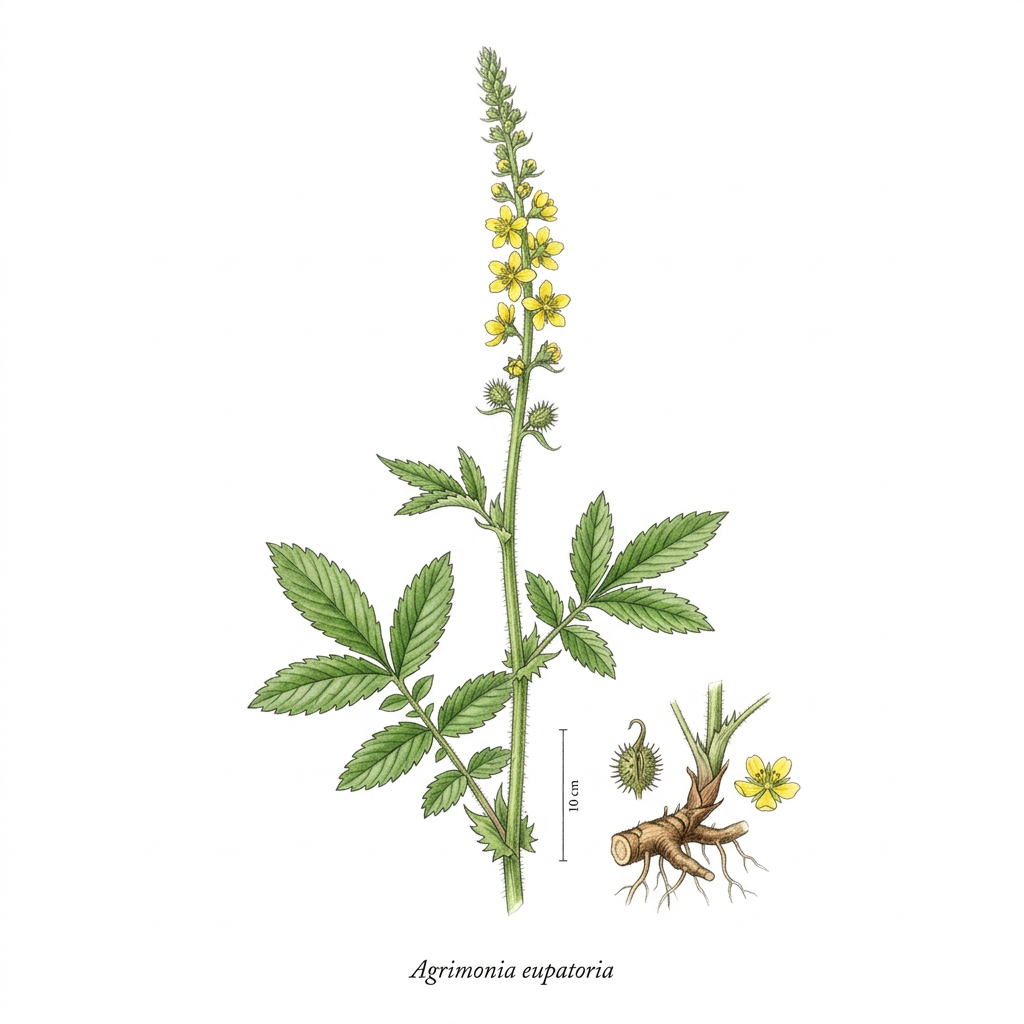
Agrimony

Agrimony

Agrimonia eupatoria

Digestive Aid
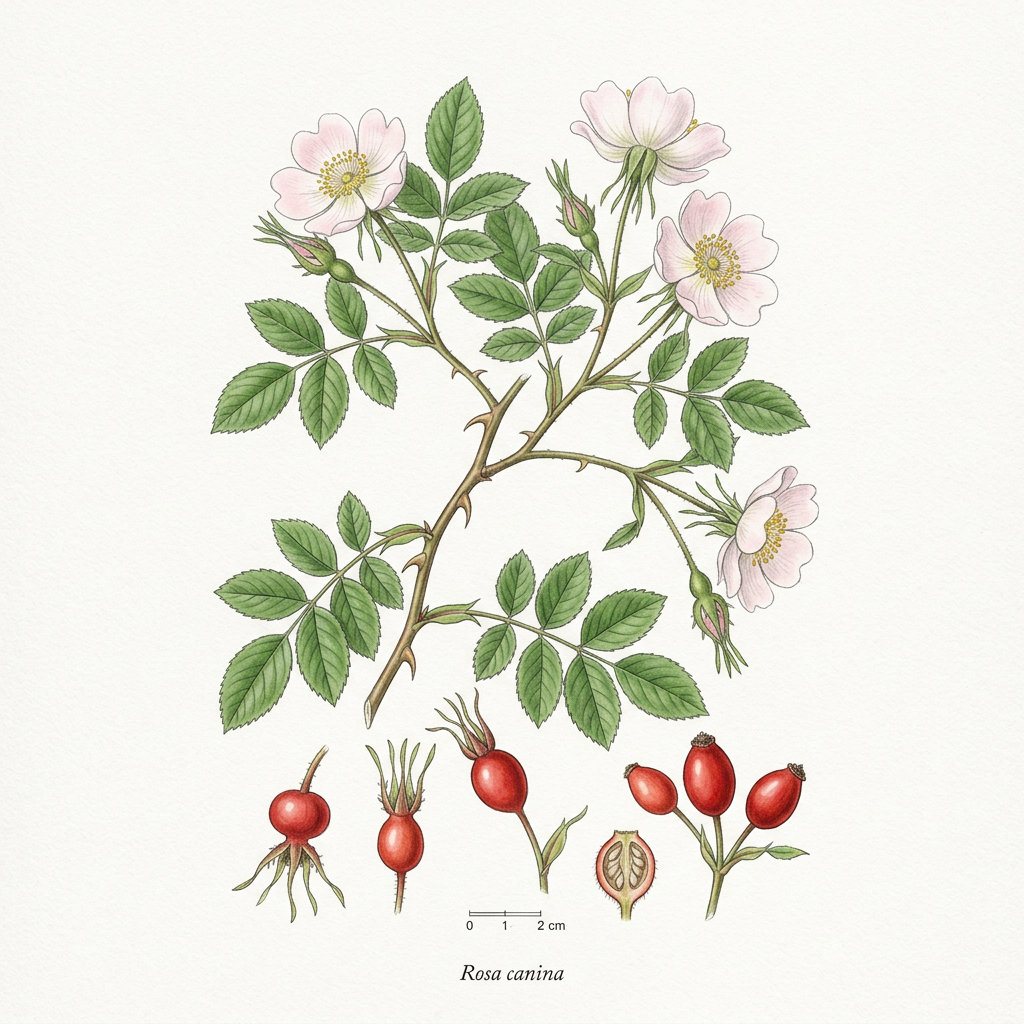
Dog rose

Dog rose

Rosa canina

Immune Support
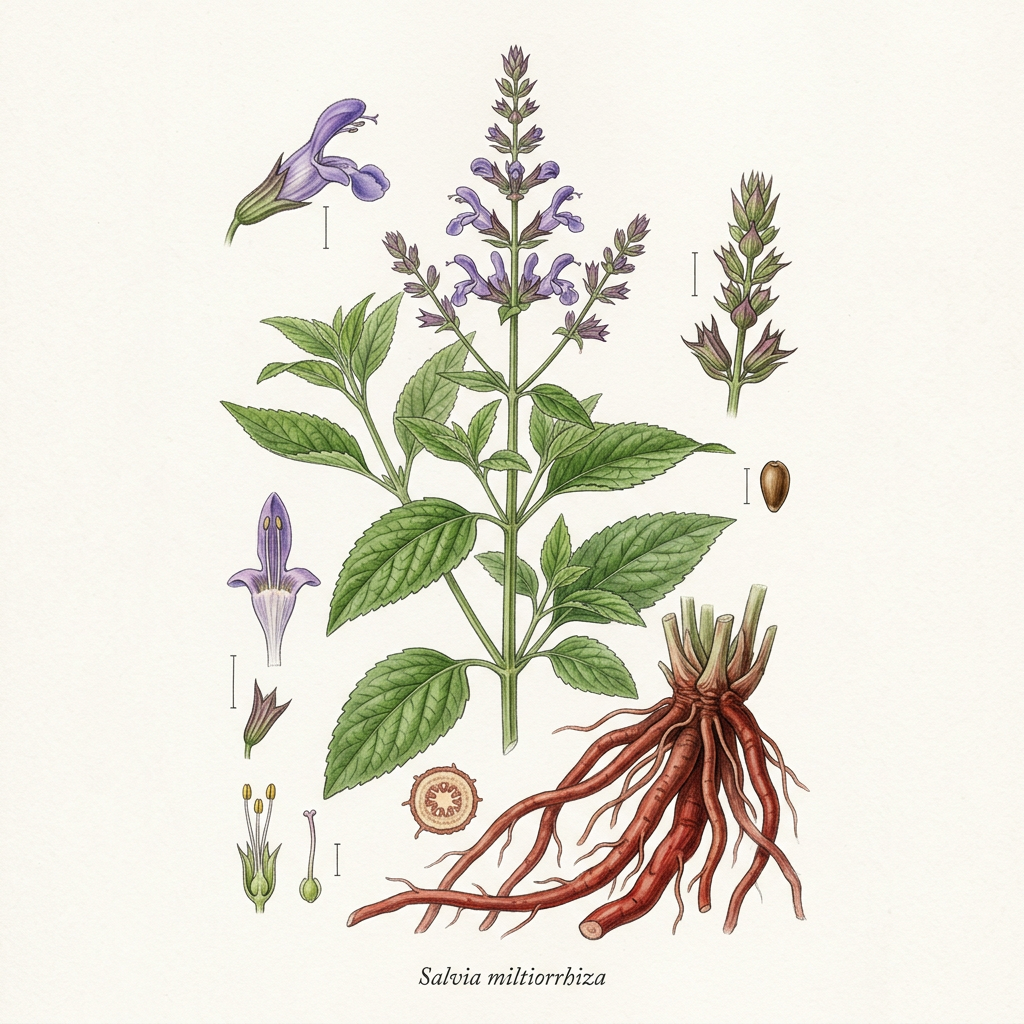
Chinese sage

Chinese sage

Salvia miltiorrhiza

Cardiovascular Health Support
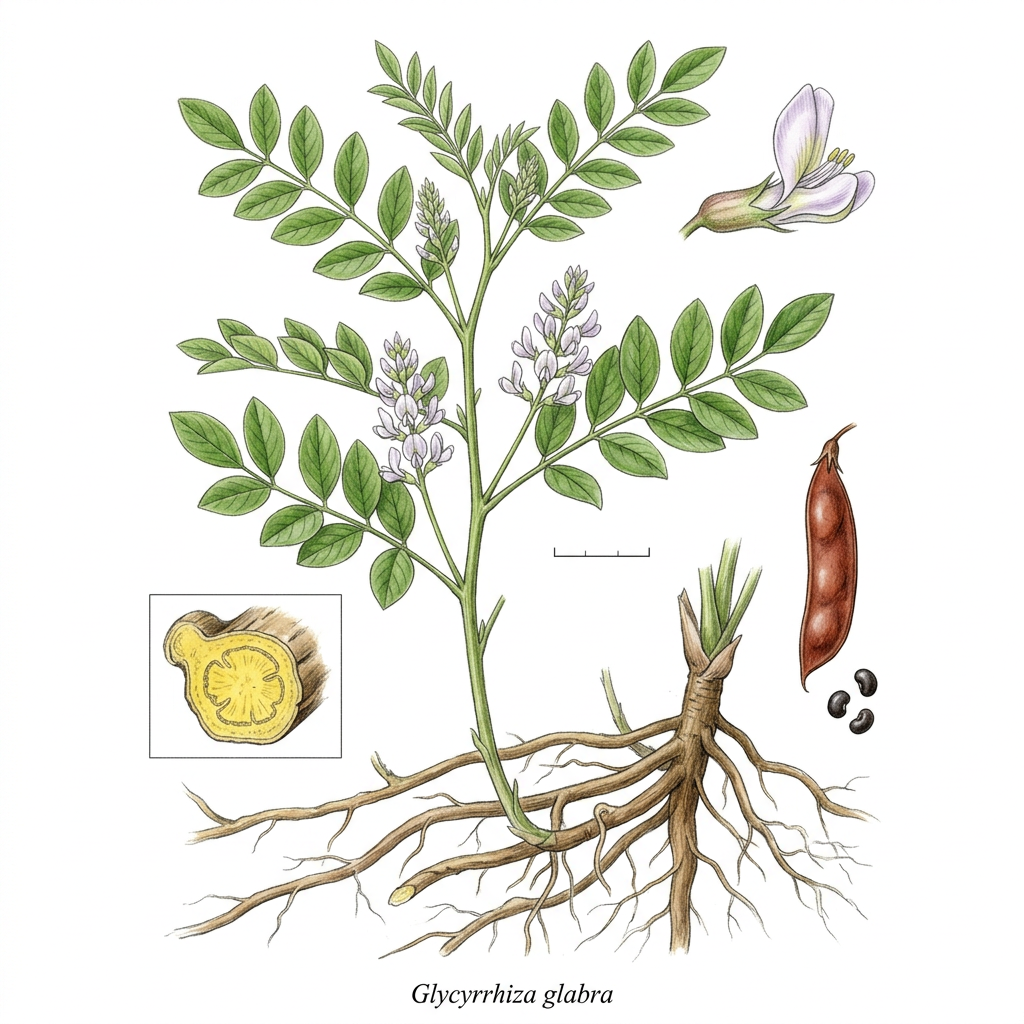
Licorice

Licorice

Glycyrrhiza glabra

Adrenal support