The Wild Sage logo
The Wild Sage Logo

Herbal Medicine at your fingertips

Comprehensive database of herbal remedies with detailed safety information and traditional uses

New to herbal terms? Read the glossary →
ADHD
Abcess
Acid Reflux Relief
Acinetobacter
Acne
Acne Vulgaris
Addisons
Adenomyosis
Adenovirus
Adrenal fatigue
Aging
Aids
Alcaligenes faecalis
Alcoholism
Allergic Rhinitis
Allergies
Allergy
Alopoecia
Alopoecia nervosa
Alzheimer's, Dementia & Cognitive Decline
420 herbs found
Important: This information is for educational purposes only. Always consult with qualified healthcare professionals before using herbal remedies, especially if you have existing health conditions or take medications.
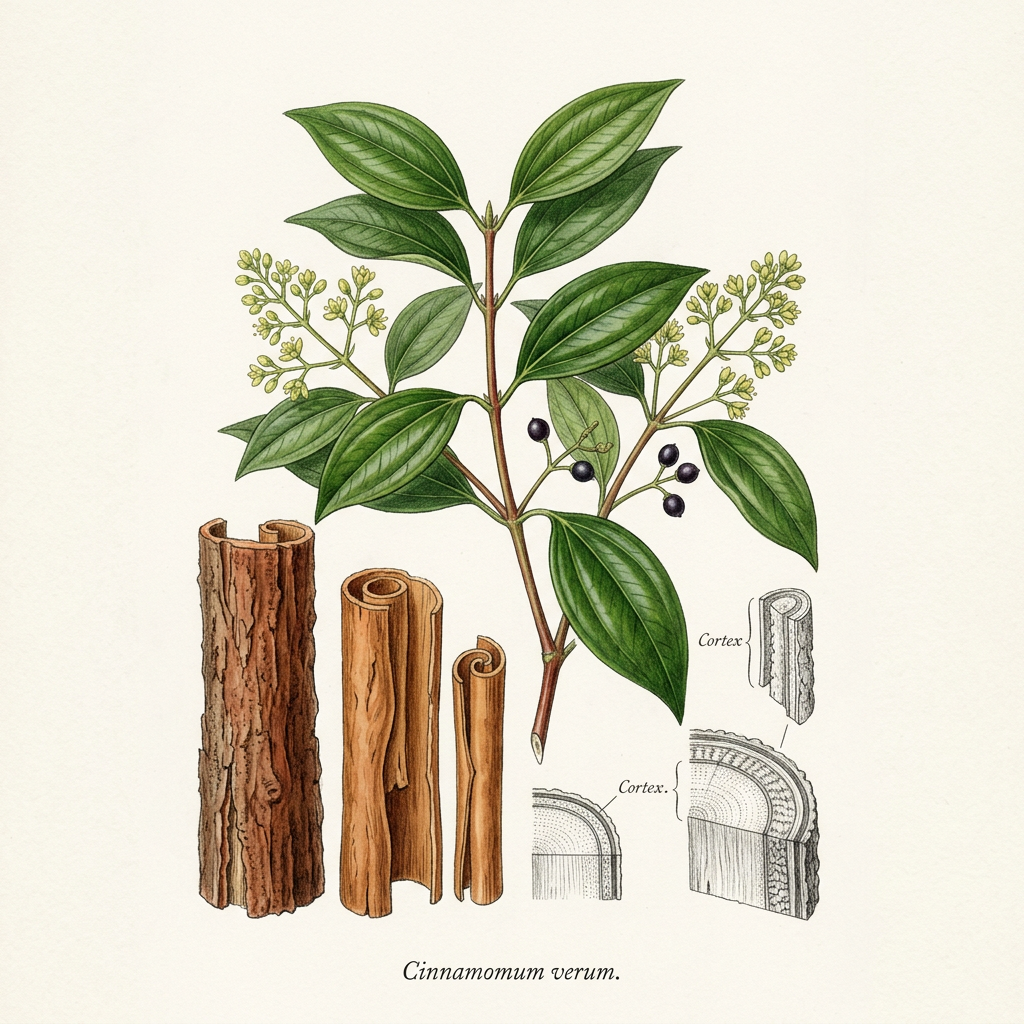
Cinnamomum verum

Cinnamomum verum

Cinnamomum verum

low risk Risk
Laruaceae
Warming, stimulating, and uplifting; known to promote circulation and enhance mood.
<p>Cinnamomum verum, commonly known as true cinnamon or Ceylon cinnamon, is an evergreen tree belonging to the Lauraceae family, native to Sri Lanka, India, and Southeast Asia. Renowned since antiquity, this aromatic herb has been esteemed not only for its culinary applications but also for its medicinal properties, deeply rooted in traditional practices. Historically, Ceylon cinnamon was prized for its fragrance and flavor, often used as a valuable trade commodity and a symbol of luxury. Ancient texts from various cultures recognize its health benefits, including digestive support and anti-inflammatory effects, making it a staple in traditional medicine systems, such as Ayurveda and Traditional Chinese Medicine. The therapeutic potential of Cinnamomum verum is broad and multifaceted, encompassing a range of actions that benefit overall health. It is widely recognized for its anti-inflammatory, antimicrobial, and antioxidant properties, which contribute to its role in supporting a healthy immune system and fighting oxidative stress. Moreover, Ceylon cinnamon has been shown to possess antidiabetic properties, helping to regulate blood sugar levels by enhancing insulin sensitivity. Its warming characteristics make it particularly suitable for promoting circulation, while its hepatoprotective and lipid-modifying actions support liver health and maintain healthy cholesterol levels. Additionally, its aromatic digestive qualities help alleviate gastrointestinal discomfort, making it an effective carminative and anti-diarrheal agent. The efficacy of Cinnamomum verum in the body can be attributed to its active compounds, including cinnamaldehyde, cinnamic acid, and eugenol. These bioactive constituents work synergistically to modulate various biochemical pathways, such as reducing inflammation by inhibiting the production of pro-inflammatory cytokines and enzymes. The antimicrobial properties stem from its ability to disrupt bacterial cell membranes, providing a natural defense against infections. By enhancing metabolic functions, Ceylon cinnamon assists in glucose metabolism and lipid regulation, rendering it a valuable ally for those managing diabetes and metabolic syndrome. Furthermore, its astringent and hypotensive effects contribute to cardiovascular health, emphasizing the herb’s potent role in holistic wellness. Through these mechanisms, Cinnamomum verum showcases its exceptional versatility as both a culinary spice and a powerful therapeutic agent.</p>

Uses & Conditions

Digestive Support
Amenorrhoea
Anorexia
Bulimia
Cancer
Colds
Colic
Diabetes
Diarrhoea
Dyslipidemia
Dyspepsia
Fungal Infections
Hypertension
Infertility
Irritable Bowel Syndrome
Menorrhagia
Metabolic Syndrome
Microbial Infection
Myleoma
Nausea
Osteoarthritis
Oxidant Stress
PCOS

Actions

Anti-diabetic
Anti-diarrhoeal
Anti-fungal
Anti-hyperlipidaemic
Anti-inflammatory
Antimicrobial
Antioxidant
Aromatic Digestive
Astringent
Carminative
Hepatoprotective
Hypotensive
Immune Stimulant
NFkB Inhibitor
TNF-a Reduction
Warming

Parts Used

Bark

Native Countries

Asia
Sri lanka
India

USDA Hardiness Zones

USDA 9-11

Contraindications

  • Pregnancy: avoid medicinal doses due to potential uterine stimulant effects
  • Liver disease: consult a professional due to potential high-coumarin exposure from related species
  • Surgery: discontinue use at least two weeks prior to surgery due to potential influence on blood glucose and coagulation
  • Allergy: avoid if there is a known sensitivity to the Lauraceae family

Potential Side Effects

  • High doses can irritate skin and mucous membranes

Interactions

  • Antidiabetic medications: potential for additive hypoglycaemic effects
  • Anticoagulant and antiplatelet drugs: theoretical risk of increased bleeding
  • Hepatotoxic drugs: use with caution due to strain on the liver

Dosages, tincture ratios & research — members only

Unlock Garreth's dosing guidance, tincture ratios, the dosage calculator and the research studies for Cinnamomum verum.

Your assessment and results stay saved — upgrading only unlocks more of them.

See membership plans

Community Photos

No community photos yet. Sign in to upload photos.

Reviews & Ratings

Sign in to leave a review.

No reviews yet. Be the first!

GF

Garreth Falls — B.Th., Dip. H.M., MNIMH

Content curated and reviewed by Garreth Falls, Consultant Medical Herbalist · The Wild Sage

Medical Disclaimer: This information is for educational purposes only and is not intended as medical advice. Always consult with qualified healthcare professionals before starting any herbal treatment.
Western tradition
Ayurvedic tradition
Chinese tradition

Sustainability & quality

At risk

High demand leads to concerns regarding overharvesting; ensure CITES-compliant sourcing for genuine cinnamon.

Key constituents

Anti-inflammatory, Antimicrobial, Antioxidant, Coumarin (odema modifyer), Cinnzelanin, Cinzelanol, Caryophylene, Tannin, Volatile Oils, Cinnamaldehyde, Cuminaaldehyde, Eugenol, Phellandrene, Terpenes

References

  1. ESCOP Monographs 2nd ed. 2003
  2. Bensky "Chinese Herbal Medicine: Materia Medica" 3rd ed. 2004
  3. Pole "Ayurvedic Medicine" 2006
  4. Herbal Reality. Herb monographs. herbalreality.com

Reviewed by Garreth, Medical Herbalist (MNIMH) · October 2026

Related conditions

Explore conditions where Cinnamomum verum is traditionally used.

Related Herbs
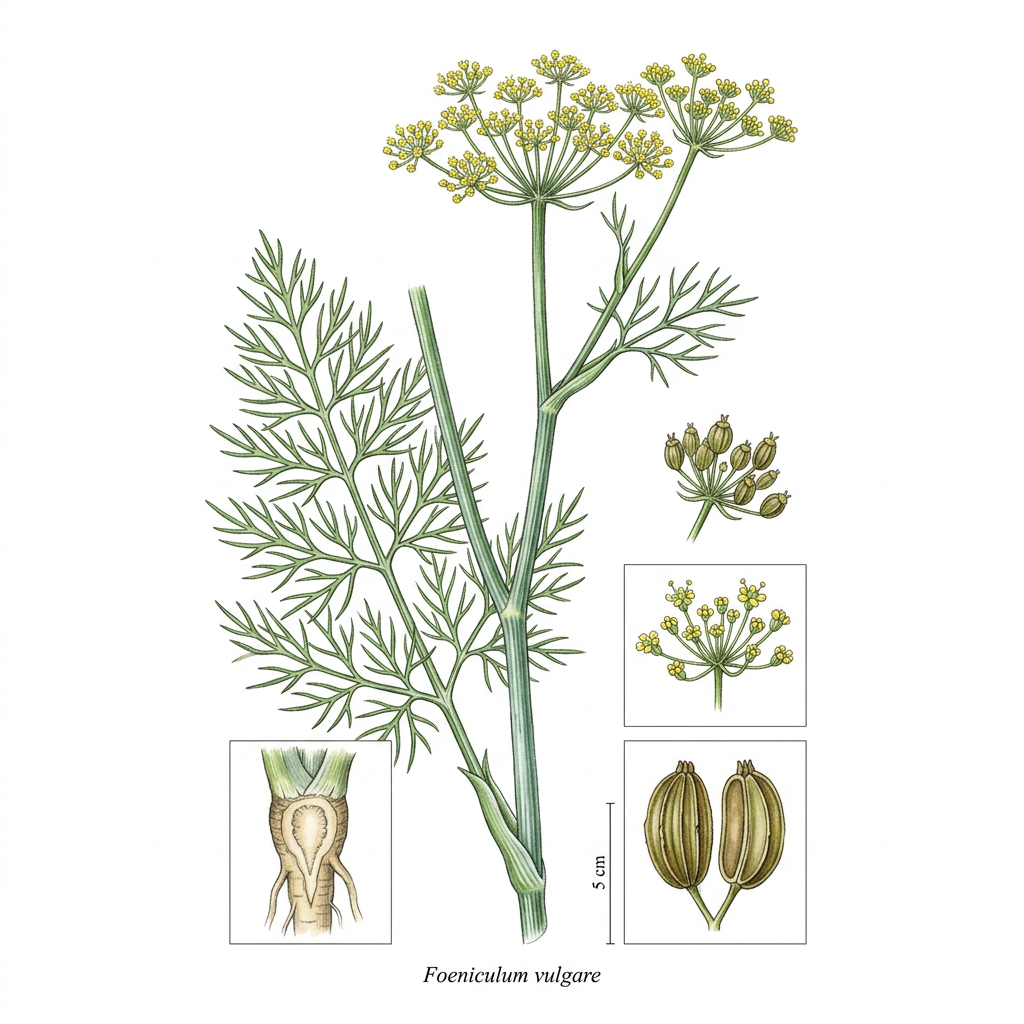
Fennel

Fennel

Foeniculum vulgare

Digestive Aid
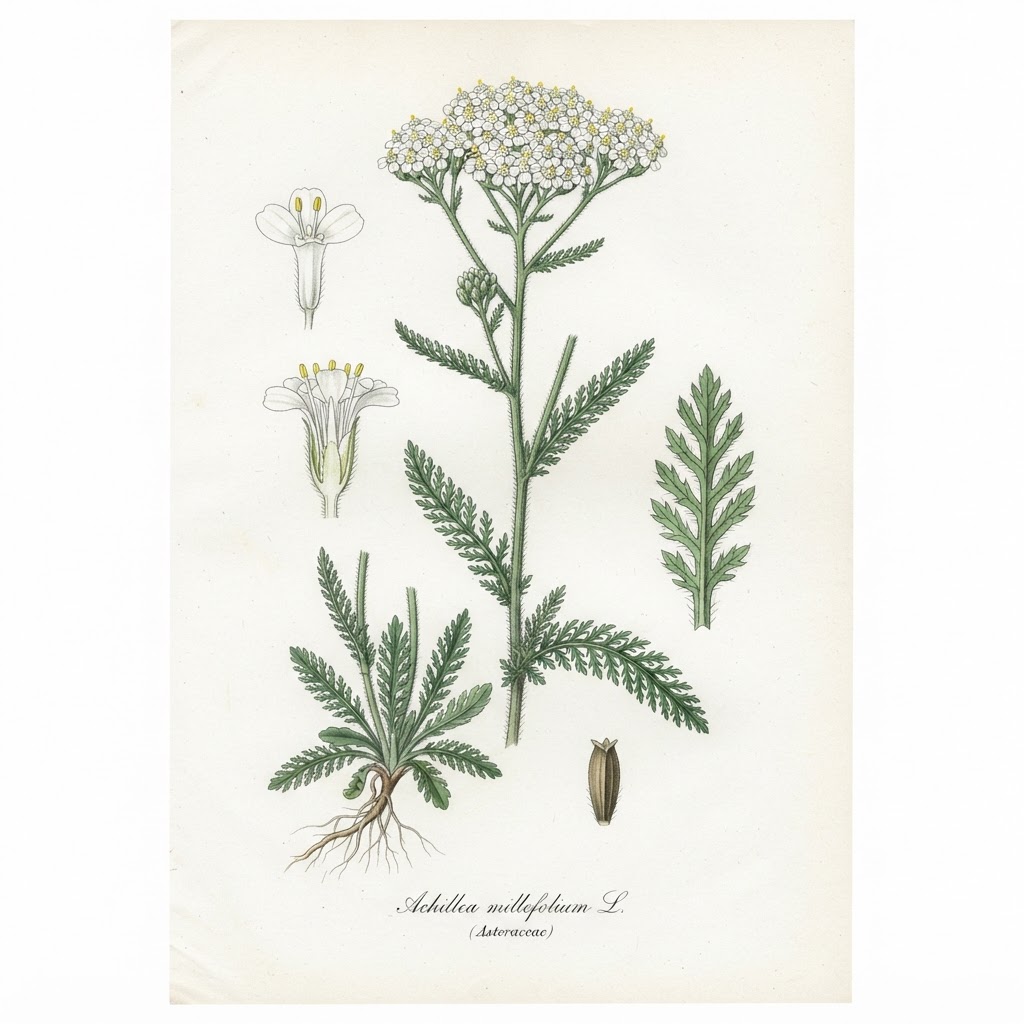
Yarrow

Yarrow

Achillea millefolium

Digestive Tonic
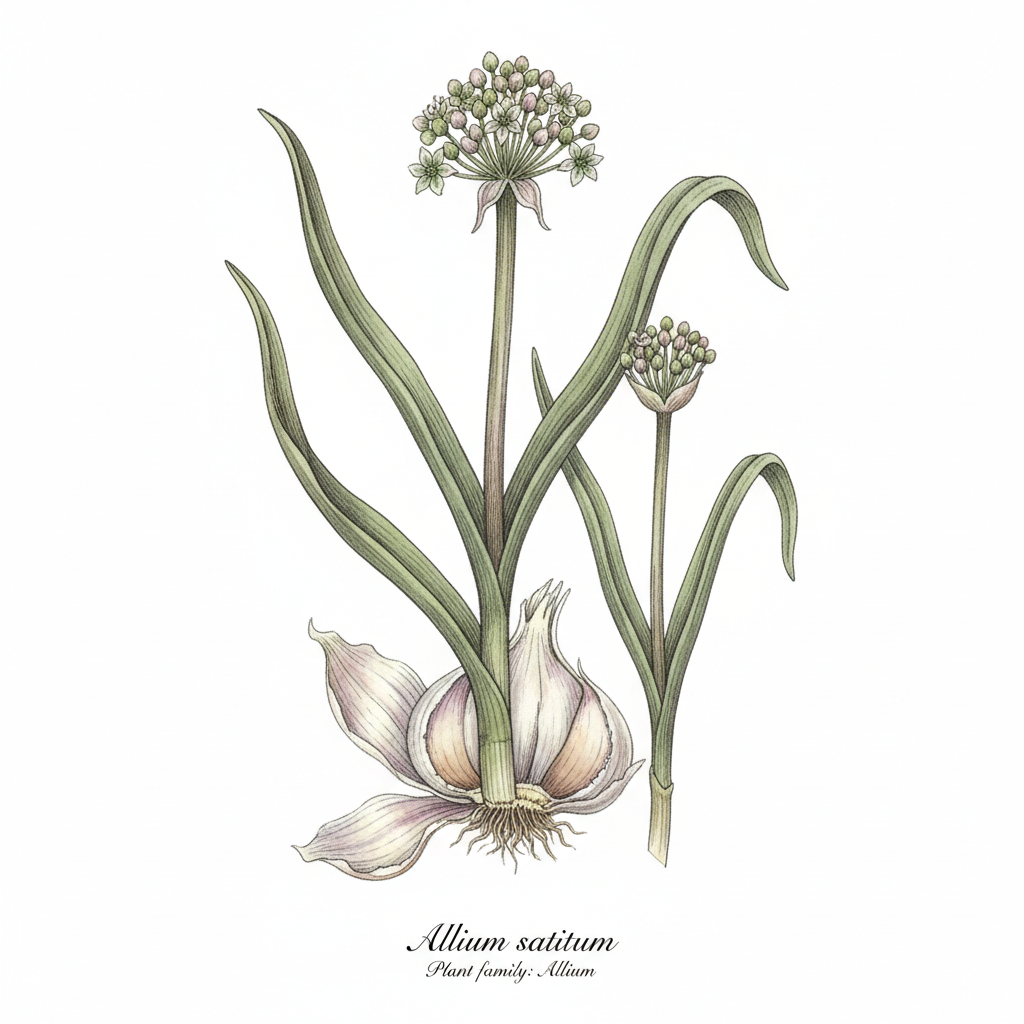
Garlic

Garlic

Allium sativum

Immune Support
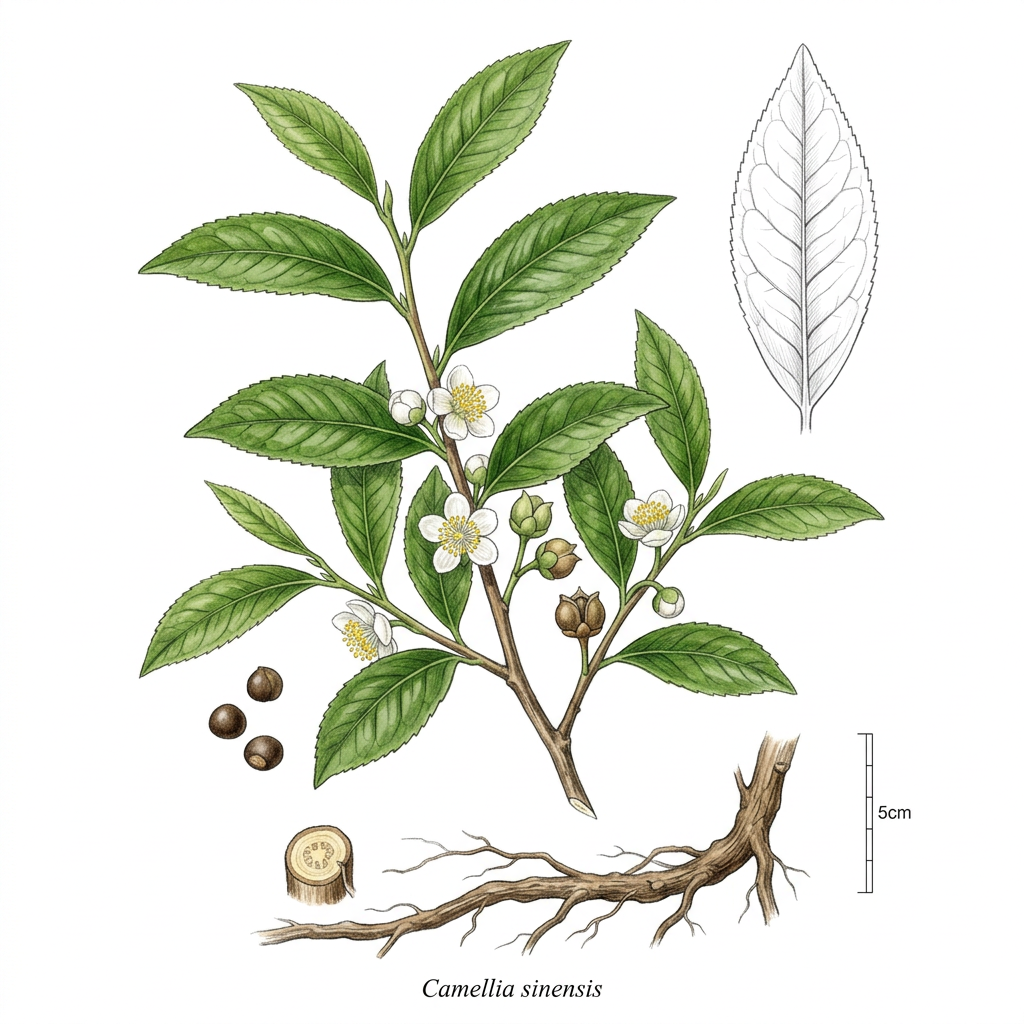
Green Tea

Green Tea

Camellia sinensis

Hypertension