

Herbal Medicine at your fingertips
Comprehensive database of herbal remedies with detailed safety information and traditional uses
New to herbal terms? Read the glossary →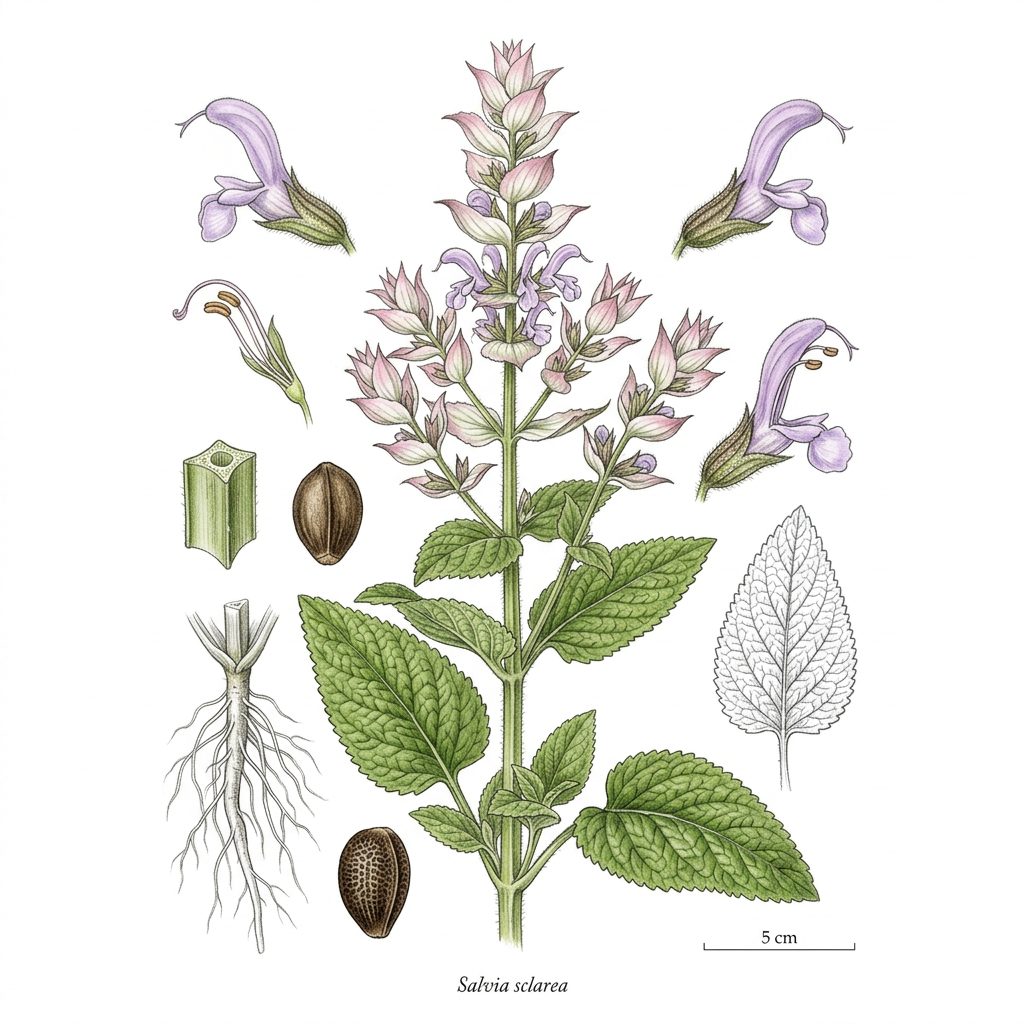
Clary sage
Salvia sclarea
Uses & Conditions
Actions
Parts Used
Native Countries
USDA Hardiness Zones
Preparations & Dosage
- Infusion: 1 teaspoon of dried herb in 250-300ml of hot water, steeped for 10 minutes
- Diffuser blend: 5 drops in 50ml of water
- Massage oil: Diluted up to 2% in a base oil
- Liniment: Diluted up to 10% in a base oil
Contraindications
- Pregnancy
- Individuals with epilepsy
Potential Side Effects
- Drowsiness or lethargy from excessive quantities
- Contact dermatitis or skin irritation from undiluted essential oils
- Headache or dizziness from prolonged high-concentration inhalation
Interactions
- Sedatives and CNS depressants: potential for additive sedative effects with alcohol, benzodiazepines, or sleep aids
- Hormone-sensitive conditions: theoretical interaction with hormonal therapies or birth control
- Anticoagulant medications: potential impact on clotting time from large doses of volatile oils
Dosage Calculator
Community Photos
No community photos yet. Sign in to upload photos.
Scientific Studies & Sources
Differential effects of clary sage (Salvia sclarea L.) oil and linalyl acetate on depression levels in diabetic foot ulcer patients with T2DM: a randomized blinded controlled trial
Changes in 5-hydroxytryptamine and cortisol plasma levels in menopausal women after inhalation of clary sage oil
Randomized controlled trial for Salvia sclarea or Lavandula angustifolia: differential effects on blood pressure in female patients with urinary incontinence undergoing urodynamic examination
Reviews & Ratings
Sign in to leave a review.
No reviews yet. Be the first!
Garreth Falls — B.Th., Dip. H.M., MNIMH
Content curated and reviewed by Garreth Falls, Consultant Medical Herbalist · The Wild Sage
Sustainability & quality
CultivatedEasily grown in Mediterranean climates; cultivate in-house or source from local organic herb growers.
Key constituents
Essential oil, calming compounds, Aromatic compounds, Sesquiterpine lactones, Caryophyllane, Sclareol
References
- EMA/HMPC Community Herbal Monograph
- ESCOP Monographs 2nd ed. 2003
- Herbal Reality. Herb monographs. herbalreality.com
Reviewed by Garreth, Medical Herbalist (MNIMH) · October 2026
Related conditions
Explore conditions where Clary sage is traditionally used.
Related Herbs
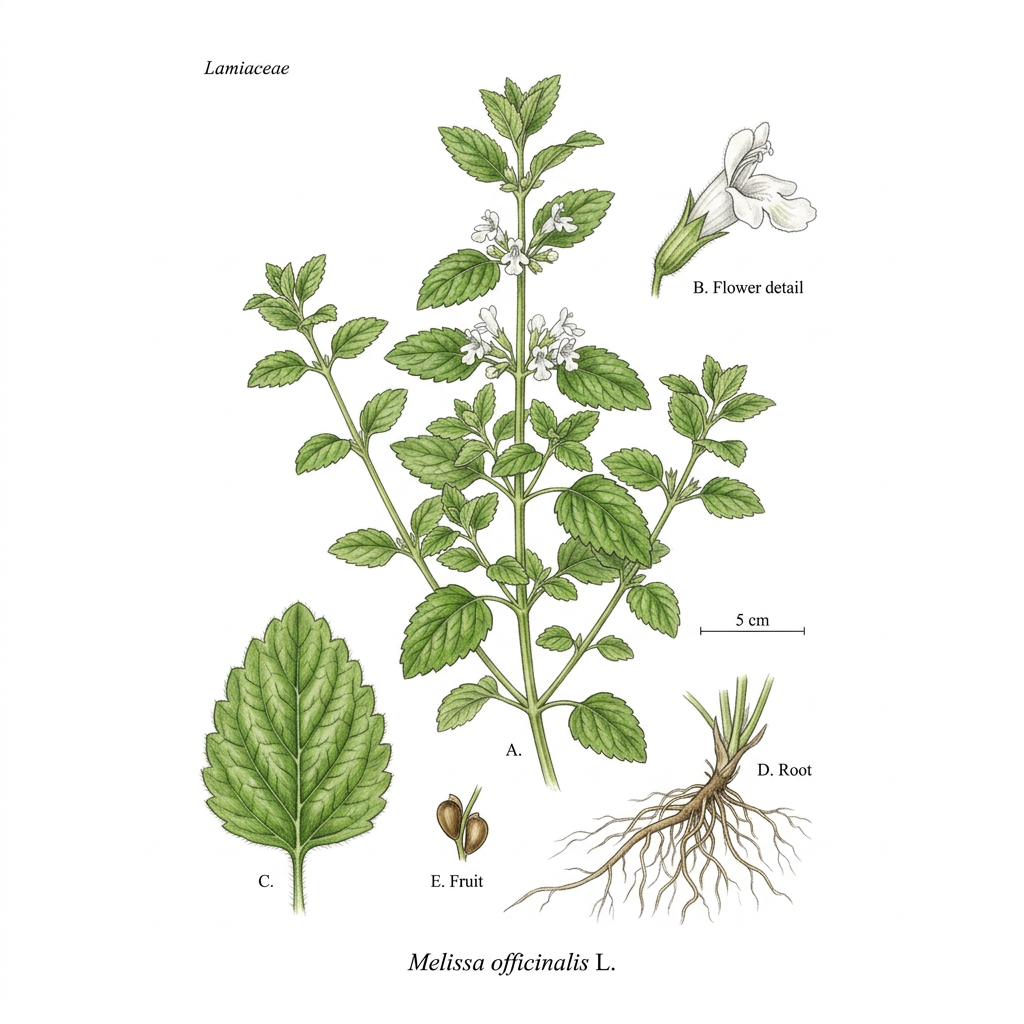
Lemon Balm
Melissa officinalis
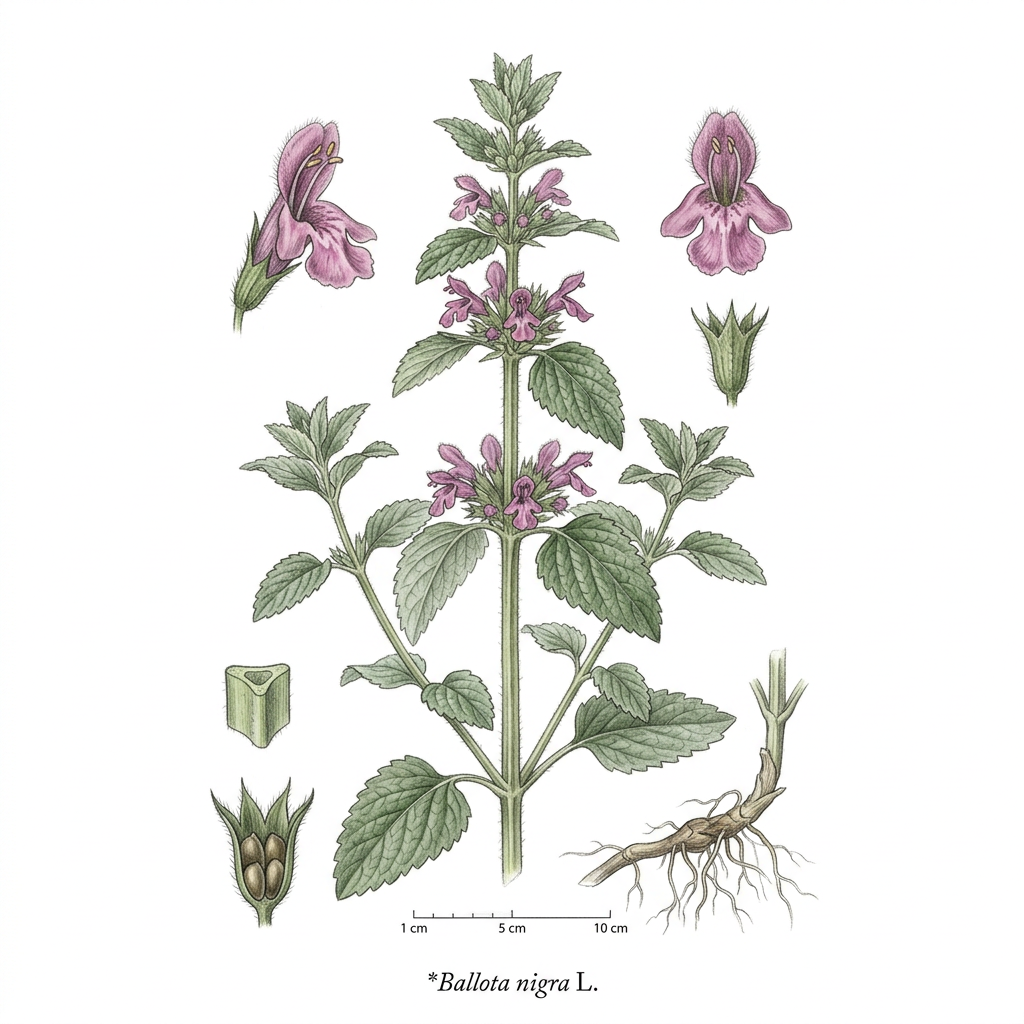
Black Horehound
Ballota nigra
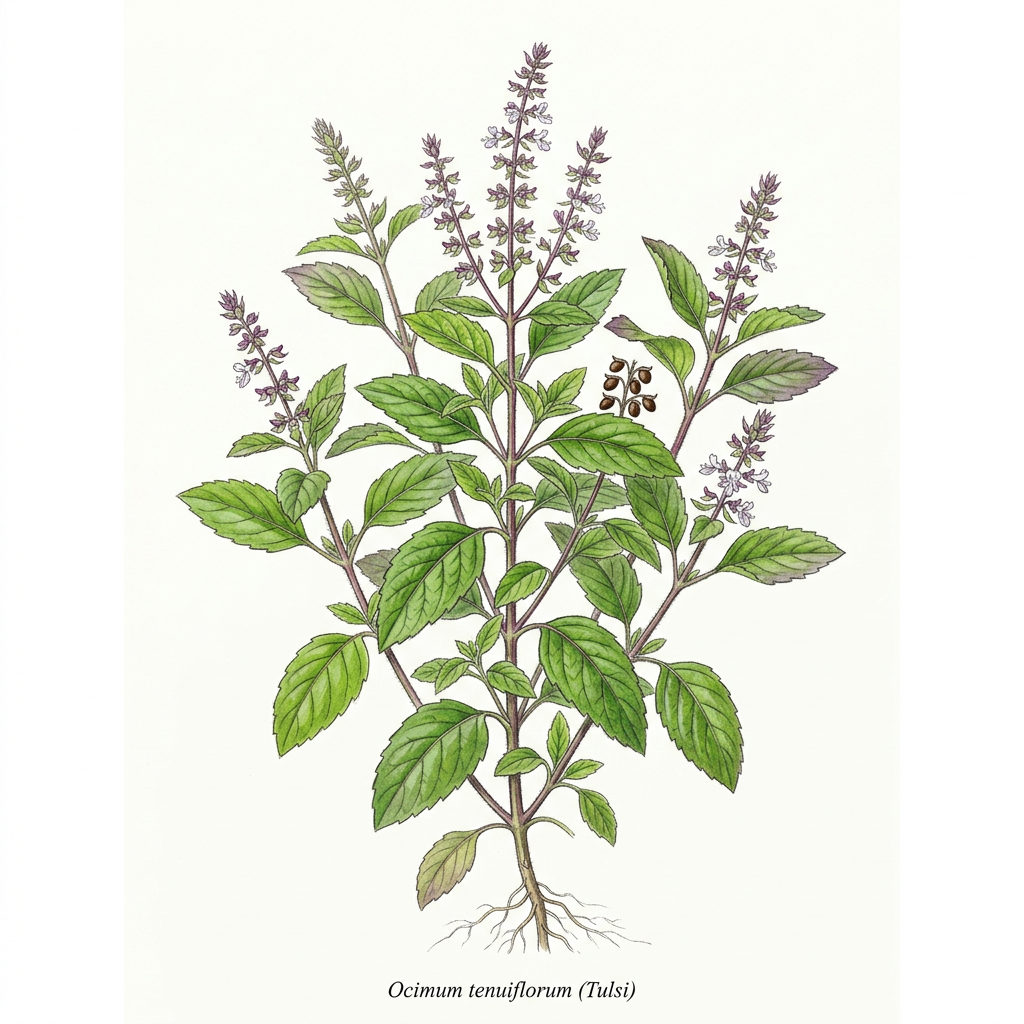
Holy Basil (Tulsi)
Ocimum tenuiflorum
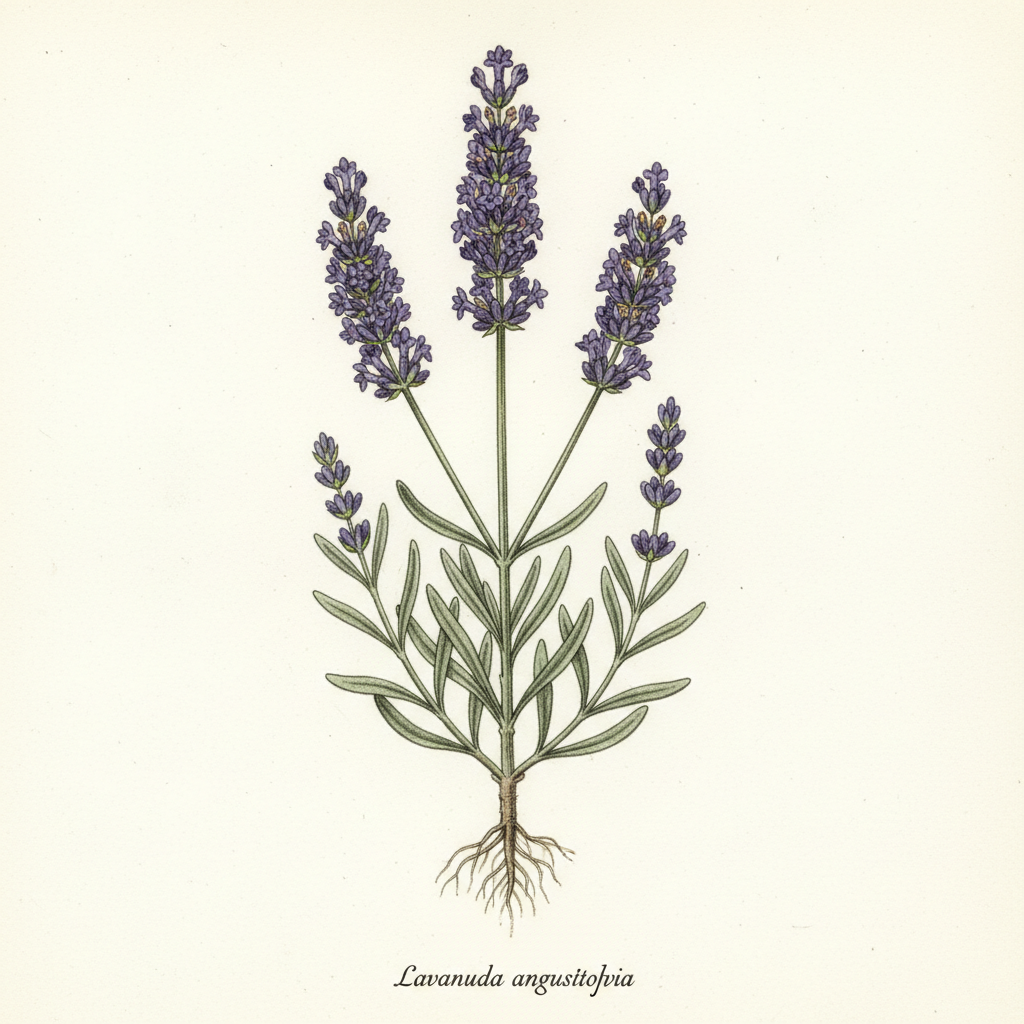
Lavender
Lavandula angustifolia