The Wild Sage logo
The Wild Sage Logo

Herbal Medicine at your fingertips

Comprehensive database of herbal remedies with detailed safety information and traditional uses

New to herbal terms? Read the glossary →
ADHD
Abcess
Acid Reflux Relief
Acinetobacter
Acne
Acne Vulgaris
Addisons
Adenomyosis
Adenovirus
Adrenal fatigue
Aging
Aids
Alcaligenes faecalis
Alcoholism
Allergic Rhinitis
Allergies
Allergy
Alopoecia
Alopoecia nervosa
Alzheimer's, Dementia & Cognitive Decline
420 herbs found
Important: This information is for educational purposes only. Always consult with qualified healthcare professionals before using herbal remedies, especially if you have existing health conditions or take medications.
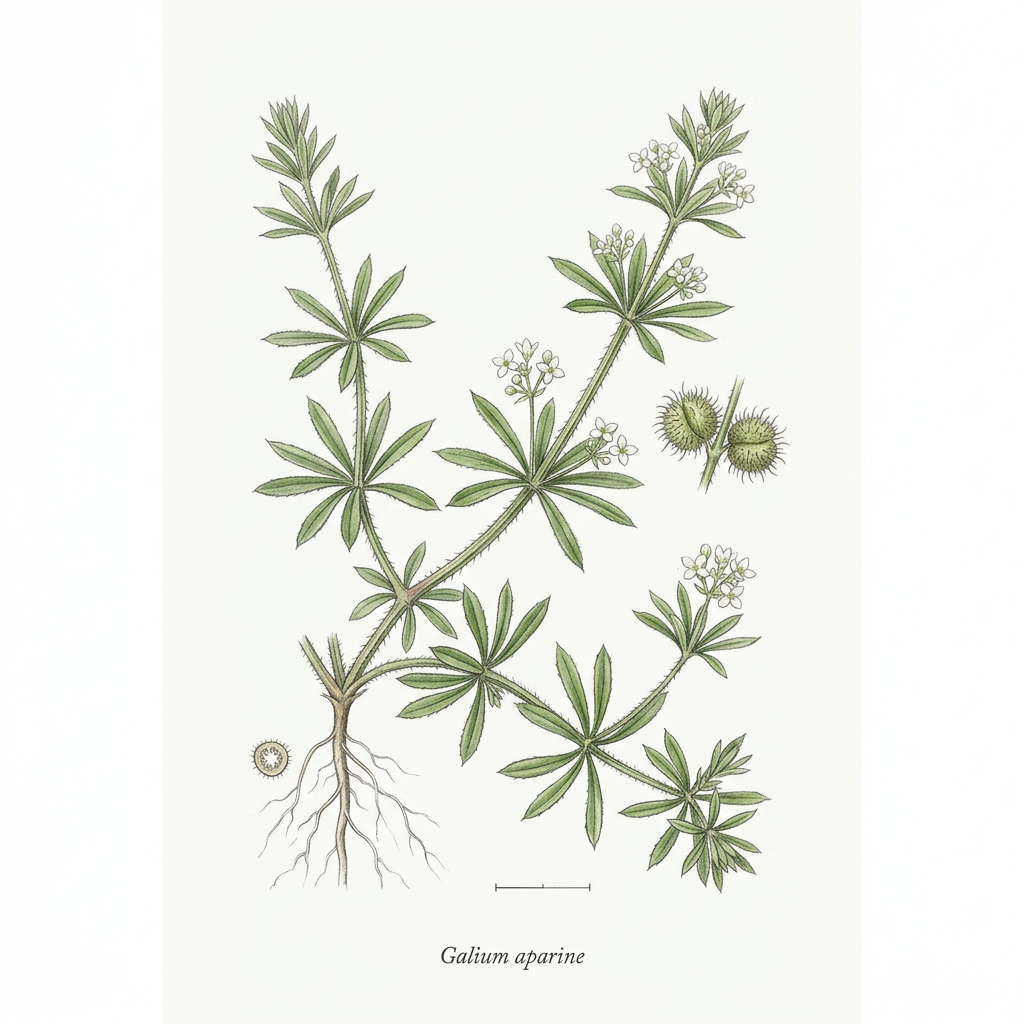
Cleavers

Cleavers

Galium aparine

low risk Risk
Rubiaceae
cooling and moistening
<p>Cleavers, known scientifically as Galium aparine, is a herbaceous annual plant belonging to the Rubiaceae family. Renowned for its distinctive whorled leaves and soft, sticky stems, this humble weed traditionally flourished in hedgerows, gardens, and waste ground throughout Europe and North America. Historically valued for its medicinal properties, cleavers has been employed in herbal medicine for centuries. Ancient herbalists routinely harnessed its potential to promote lymphatic health, and it was often used as a gentle yet effective remedy for various conditions related to lymphatic congestion and detoxification. In folk traditions, cleavers were even utilized as a food source, with young leaves being consumed in salads or made into herbal infusions, emphasizing its longstanding connection to human wellness. The therapeutic properties of cleavers are primarily recognized for their cooling, diuretic, and lymphatic effects. This herb acts as a natural diuretic, promoting the excretion of excess fluids and thereby alleviating conditions characterized by impaired lymphatic drainage, such as swollen lymph nodes and congested tissue. Its lymphatic action is integral in supporting the body's detoxification processes, aiding in the removal of waste and toxins through the lymphatic system. Cleavers is also celebrated for its high mucilage content, which provides soothing and demulcent properties, making it particularly beneficial for inflammatory conditions or skin issues. Cleavers' gentle yet effective approach makes it an excellent choice for those seeking to enhance their overall health without the harsh effects associated with more potent diuretics. In the body, cleavers works primarily by stimulating lymphatic circulation and promoting the filtration and excretion of excess fluids. This action helps to reduce swelling and inflammation in the lymphatic system while fostering an environment conducive to detoxification. By enhancing lymphatic flow, cleavers supports the immune system, thereby contributing to improved overall health and resilience against illness. Its cooling properties make it particularly advantageous during warmer months or for individuals experiencing heat-related discomfort. Whether consumed as a tea, tincture, or infused oil, cleavers continues to hold a vital place in the repertoire of modern herbalism, bridging ancient wisdom with contemporary health practices.</p>

Uses & Conditions

Detoxification
Heat-related discomfort
Acne
Asthma
Bladder inflammation
Cancer
Cystic irritation
Cystitis
Dermatitis
Dysuria
Eczema
Fluid retention
Lymphedema
Menorrhagia
Osteoarthritis
Pyelonephritis
Swollen lymph nodes
Urinary tract infection

Actions

Anti-inflammatory
Cooling
Diuretic
Lymphatic
Oxidant modulator

Parts Used

Aerial parts

Native Countries

Europe

USDA Hardiness Zones

USDA 3-9

Preparations & Dosage

  • Succus: 5–15 ml per day
  • Tincture: 1:5, 25% alcohol, 4–8 ml three times a day
  • Fluid extract: 1:1, 2–4 ml three times a day
  • Infusion/decoction: 2–3 tsp of dried herb or a handful of fresh herb in a pint of water, steep 15 min hot or 24–48 hours cold

Maximum weekly dose: 30–100 ml

Contraindications

  • Pregnancy: avoid due to lack of safety data in early gestation
  • Breastfeeding: caution advised until safety is confirmed
  • Chronic Kidney Disease: use caution due to potential increased renal workload
  • Diabetes: monitor blood glucose levels closely

Potential Side Effects

  • May initially exacerbate skin conditions if the dose is too high

Interactions

  • Diuretics: may have an additive effect increasing electrolyte imbalance risk
  • Anticoagulants: potential interaction with coumarin derivatives
  • Lithium: may decrease excretion rate and increase serum levels

Dosage Calculator

Community Photos

No community photos yet. Sign in to upload photos.

Reviews & Ratings

Sign in to leave a review.

No reviews yet. Be the first!

GF

Garreth Falls — B.Th., Dip. H.M., MNIMH

Content curated and reviewed by Garreth Falls, Consultant Medical Herbalist · The Wild Sage

Medical Disclaimer: This information is for educational purposes only and is not intended as medical advice. Always consult with qualified healthcare professionals before starting any herbal treatment.
Western tradition

Sustainability & quality

Abundant

Considered a common garden weed. Abundant in the wild and easy to forage ethically.

Key constituents

Anti-inflammatory, Antioxidant, Galiosen, Tannin, Anethole

References

  1. Herbal Reality. Herb monographs. herbalreality.com

Reviewed by Garreth, Medical Herbalist (MNIMH) · October 2026

Related conditions

Explore conditions where Cleavers is traditionally used.

Related Herbs
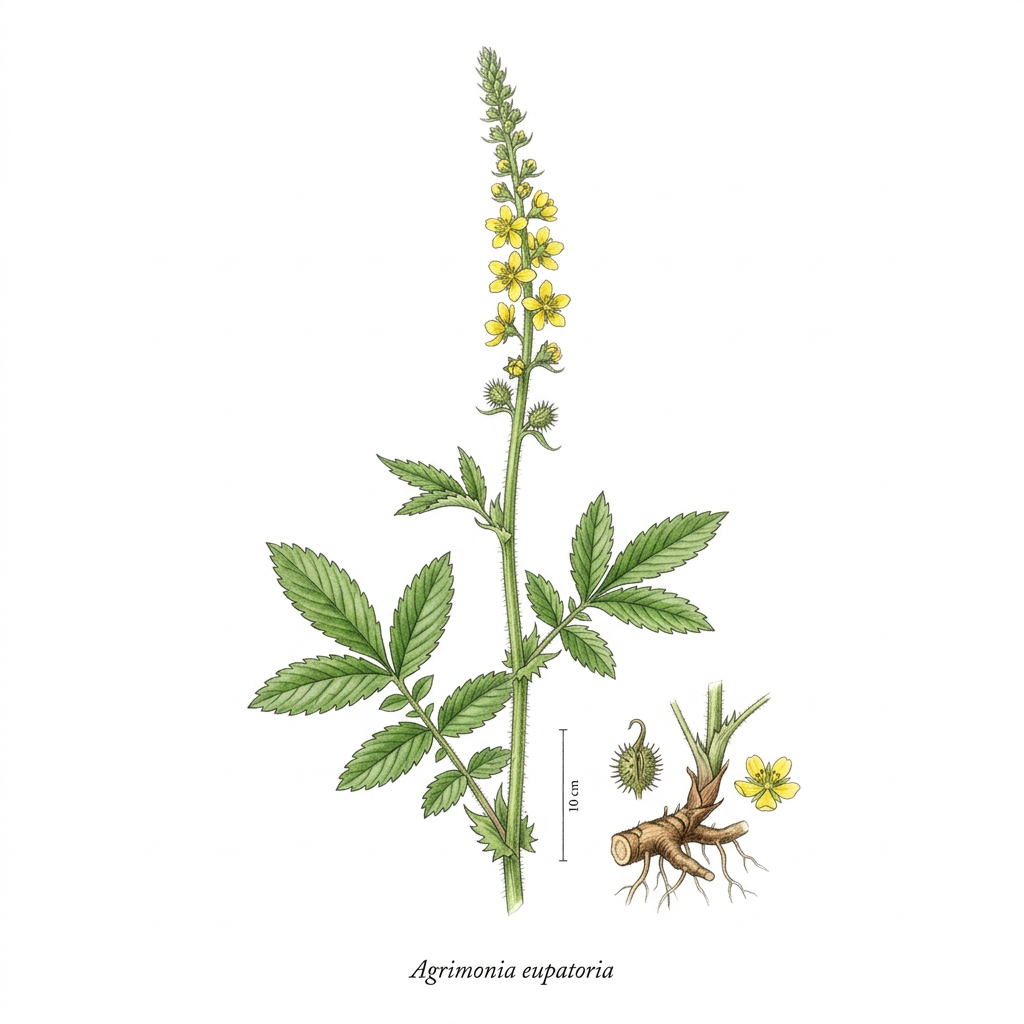
Agrimony

Agrimony

Agrimonia eupatoria

Digestive Aid
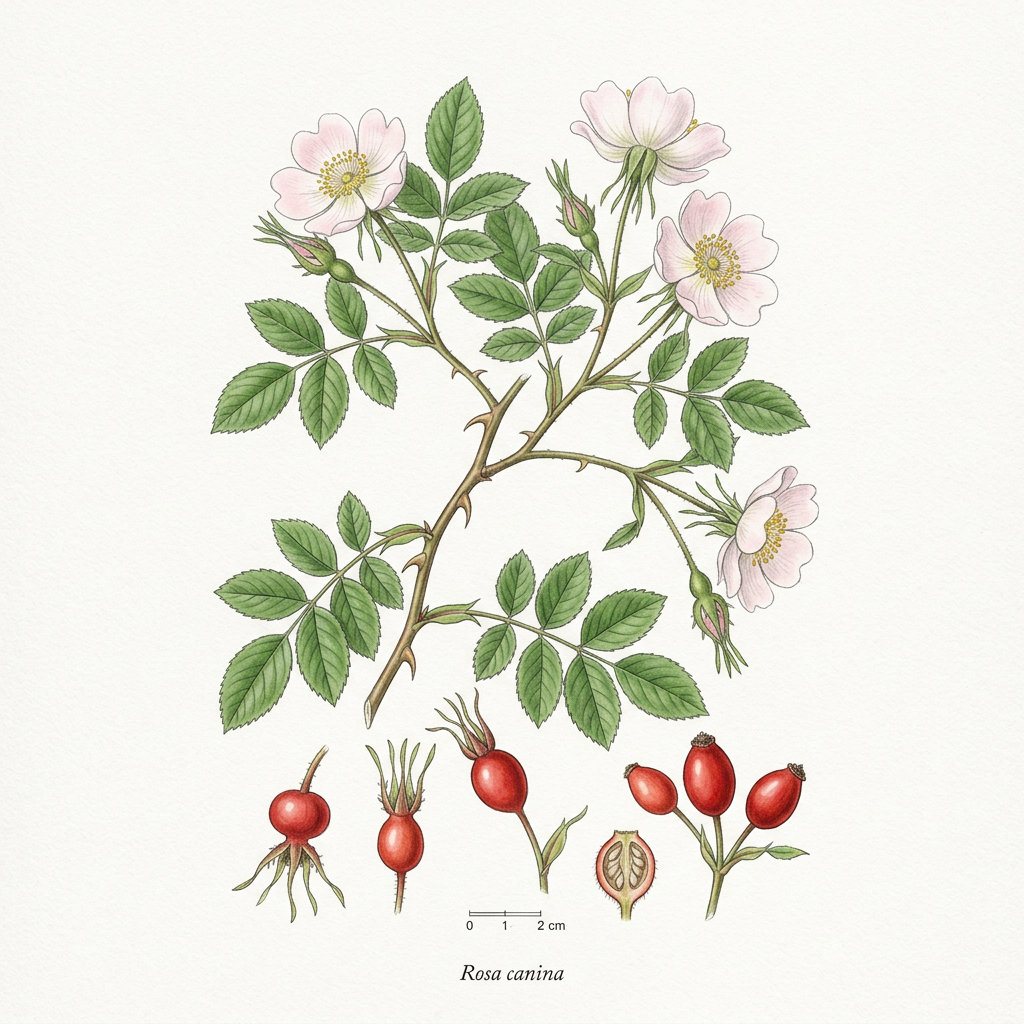
Dog rose

Dog rose

Rosa canina

Immune Support
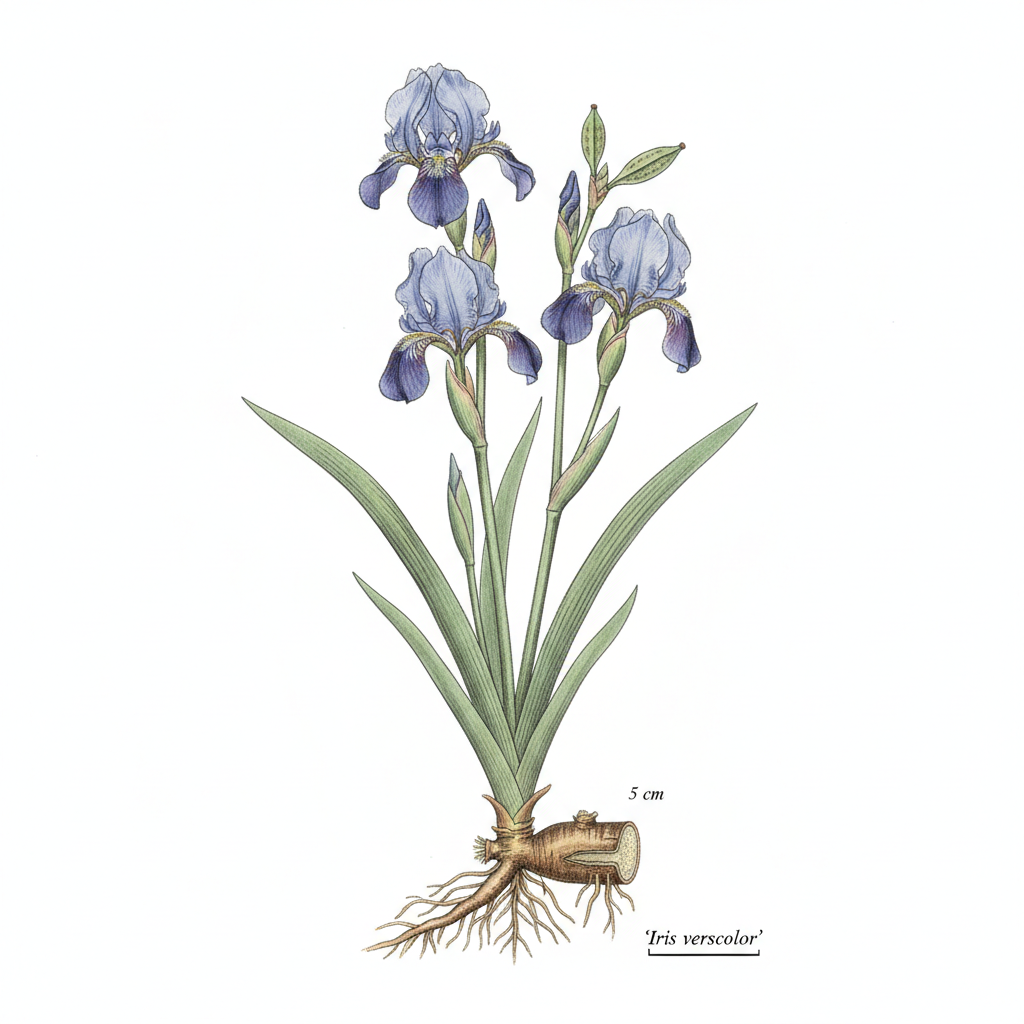
Blue flag

Blue flag

Iris versicolor

Detoxification
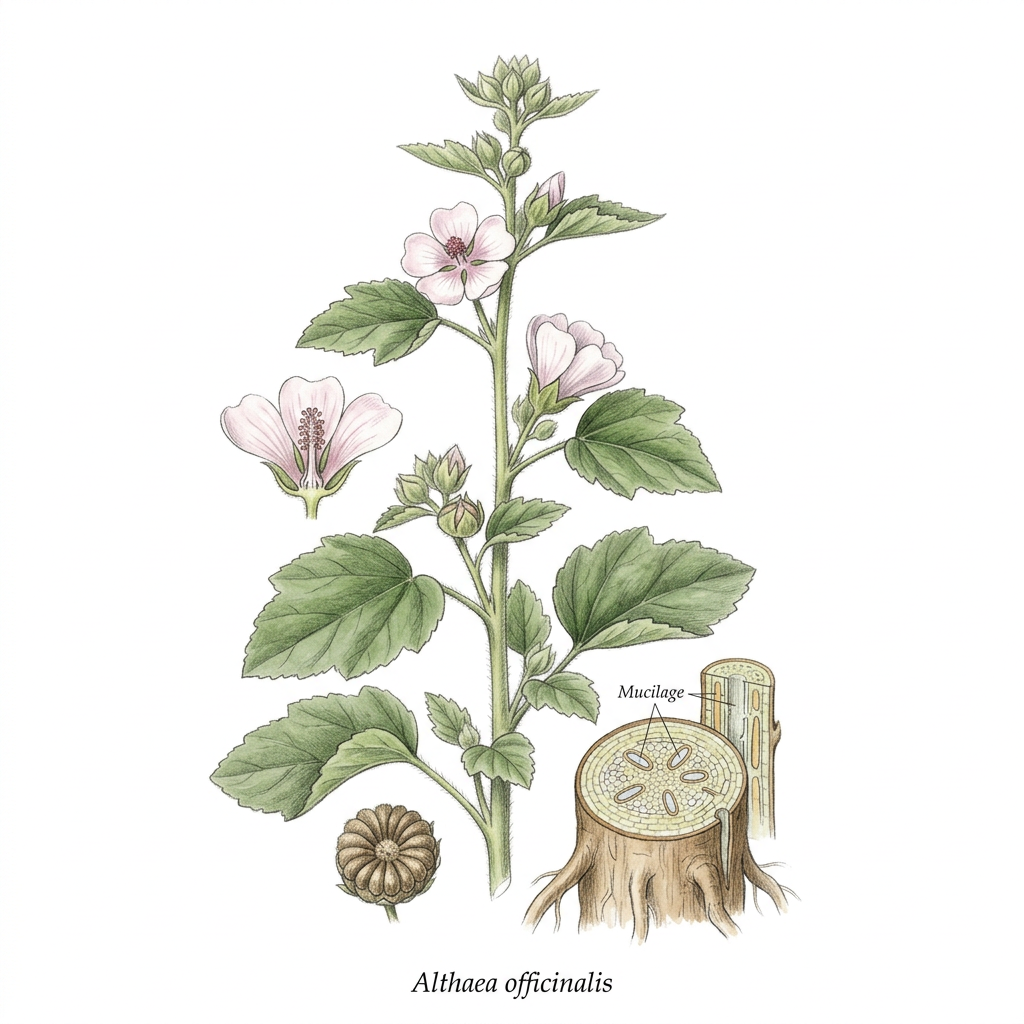
Marshmallow

Marshmallow

Althaea officinalis

Digestive Aid