The Wild Sage logo
The Wild Sage Logo

Herbal Medicine at your fingertips

Comprehensive database of herbal remedies with detailed safety information and traditional uses

New to herbal terms? Read the glossary →
ADHD
Abcess
Acid Reflux Relief
Acinetobacter
Acne
Acne Vulgaris
Addisons
Adenomyosis
Adenovirus
Adrenal fatigue
Aging
Aids
Alcaligenes faecalis
Alcoholism
Allergic Rhinitis
Allergies
Allergy
Alopoecia
Alopoecia nervosa
Alzheimer's, Dementia & Cognitive Decline
420 herbs found
Important: This information is for educational purposes only. Always consult with qualified healthcare professionals before using herbal remedies, especially if you have existing health conditions or take medications.
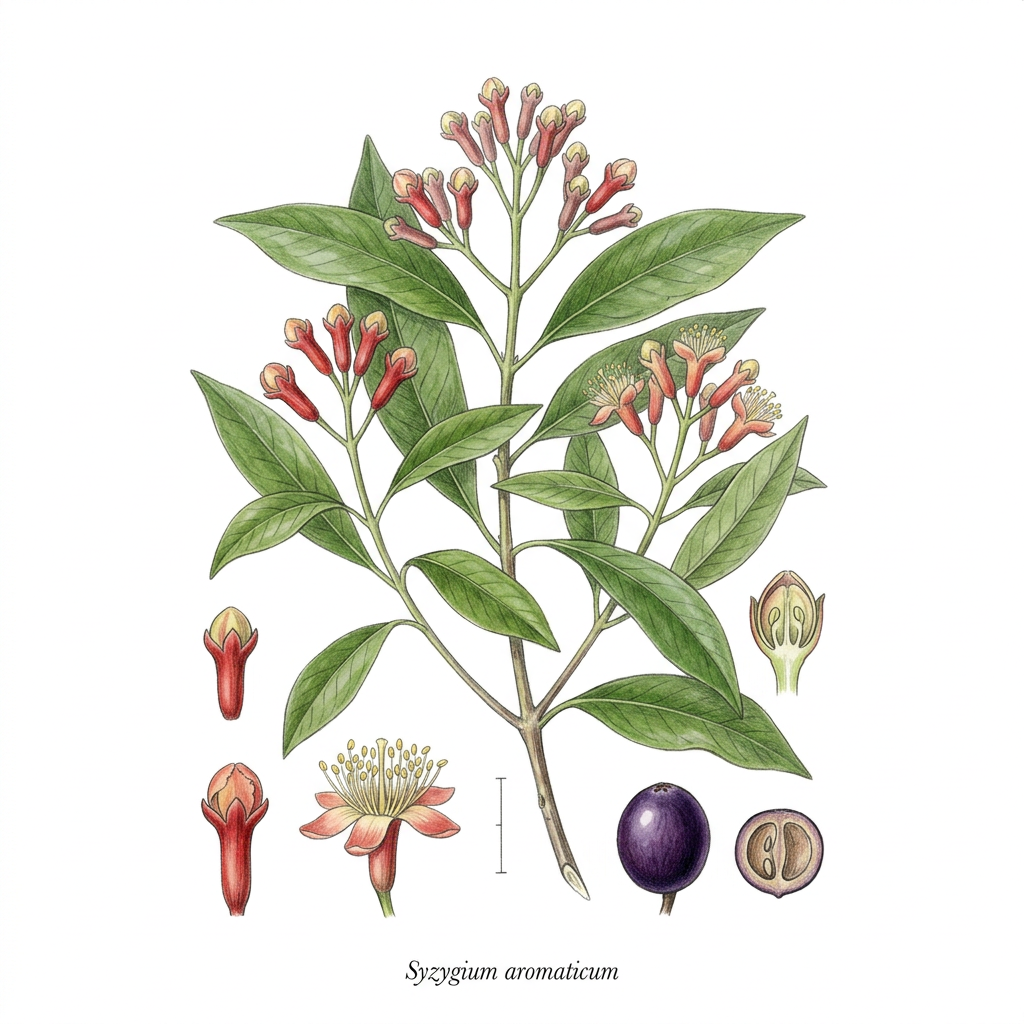
Clove

Clove

Syzygium aromaticum

low risk Risk
Myrtaceae
Often used to promote clarity and focus while providing comfort and relief from tension.
<p>Clove, scientifically known as Syzygium aromaticum, is a highly aromatic flower bud native to the Maluku Islands of Indonesia, traditionally referred to as the Spice Islands. This spice has been revered for centuries, dating back to ancient times, where it was a sought-after commodity in international trade. Cloves featured prominently in traditional Ayurvedic practices, where they were utilized not only for their flavor-enhancing properties in culinary applications but also for their remarkable therapeutic benefits. In traditional Chinese medicine, cloves were used to stimulate digestion and alleviate nausea. The unique blend of warmth and sweetness in their flavor profile has elevated cloves to a revered status in various cultures, making them indispensable both as a culinary delight and a medicinal herb. Clove boasts an impressive array of therapeutic properties, making it a versatile addition to both herbal medicine and wellness practices. Renowned for its potent analgesic and anti-inflammatory effects, it has been traditionally used to relieve toothache and muscle pain. The active compound, eugenol, found abundantly in clove oil not only provides its characteristic flavor and aroma but also offers significant antimicrobial properties, helping combat infections. Additionally, clove demonstrates cytokine modulation and acts as an inhibitor of nuclear factor kappa B (NFkB), contributing to its efficacy in reducing inflammation and promoting overall immune system health. Its anxiolytic properties further enhance its therapeutic profile, promoting relaxation and reducing anxiety, often making it a natural choice for holistic approaches to stress relief. When consumed or applied topically, cloves work synergistically within the body by targeting multiple physiological pathways. Eugenol interacts with pain receptors to provide immediate analgesic effects while simultaneously preventing excessive production of pro-inflammatory cytokines, thus yielding long-lasting relief and wellness benefits. The antimicrobial action of clove also supports oral health by inhibiting the growth of bacteria that contribute to dental issues. As a natural antifungal, clove oil is effective against certain yeast and fungal infections, showcasing its multifaceted role in supporting health. With its rich history and potent therapeutic properties, clove remains a cornerstone of herbal medicine, celebrated for its ability to enhance both flavor and function in health routines.</p>

Uses & Conditions

Immune System Support
Digestive Support
Relaxation
Toothaches
Dental Caries
Premature Ejaculation
Dyspepsia
Colic
Bloating
Inflammation
Pain
Osteoarthritis
Bacterial Infections
Yeast Infections

Actions

Analgesic
Anti-inflammatory
Antimicrobial
Cytokine Modulation
NFkB Inhibitor
Anti-fungal
Anxiolytic

Synonyms

Eugenia caryophyllus
Eugenia caryophyllata

Parts Used

Dried flower buds
Essential oil derived from the buds

USDA Hardiness Zones

10
11
12

Contraindications

  • Pregnancy and breastfeeding: Avoid medicinal doses due to insufficient safety data and the risk of uterine stimulation.
  • Surgery: Discontinue use at least two weeks prior to any surgical procedure due to potential effects on blood clotting.
  • Children: Do not administer clove oil internally or undiluted topically to children to avoid mucosal irritation or systemic toxicity.
  • Bleeding disorders: Use with caution if you have a known history of coagulopathy.

Potential Side Effects

  • Oral or mucosal irritation: Concentrated clove oil can cause burning sensations or blistering of the mouth and tongue.
  • Gastrointestinal upset: High doses may result in nausea, vomiting, or stomach discomfort.
  • Dermatitis: Topical application of undiluted oil can cause skin sensitisation or contact dermatitis.

Interactions

  • Anticoagulants and antiplatelet drugs: Eugenol may potentiate the effect of blood-thinning agents, increasing the risk of bruising or bleeding.
  • Antidiabetic medication: Clove may influence blood glucose levels, potentially leading to hypoglycaemia if used concurrently with insulin or oral hypoglycaemic drugs.
  • Hepatotoxic substances: Caution is advised when used alongside medications processed by the liver due to potential metabolic load.

Dosages, tincture ratios & research — members only

Unlock Garreth's dosing guidance, tincture ratios, the dosage calculator and the research studies for Clove.

Your assessment and results stay saved — upgrading only unlocks more of them.

See membership plans

Community Photos

No community photos yet. Sign in to upload photos.

Reviews & Ratings

Sign in to leave a review.

No reviews yet. Be the first!

GF

Garreth Falls — B.Th., Dip. H.M., MNIMH

Content curated and reviewed by Garreth Falls, Consultant Medical Herbalist · The Wild Sage

Medical Disclaimer: This information is for educational purposes only and is not intended as medical advice. Always consult with qualified healthcare professionals before starting any herbal treatment.
Western tradition
Ayurvedic tradition
Chinese tradition

Sustainability & quality

Cultivated

Major agricultural commodity; always verify fair-trade and sustainable farming practices at the origin.

Key constituents

Antimicrobial, Anti-inflammatory, Eugenol, flavonoids, Volatile Oils, Sterols, Caryophylene

References

  1. Bone & Mills "Principles and Practice of Phytotherapy" 2nd ed. 2013
  2. Bensky "Chinese Herbal Medicine: Materia Medica" 3rd ed. 2004
  3. Pole "Ayurvedic Medicine" 2006
  4. Herbal Reality. Herb monographs. herbalreality.com

Reviewed by Garreth, Medical Herbalist (MNIMH) · October 2026

Related conditions

Explore conditions where Clove is traditionally used.

Related Herbs
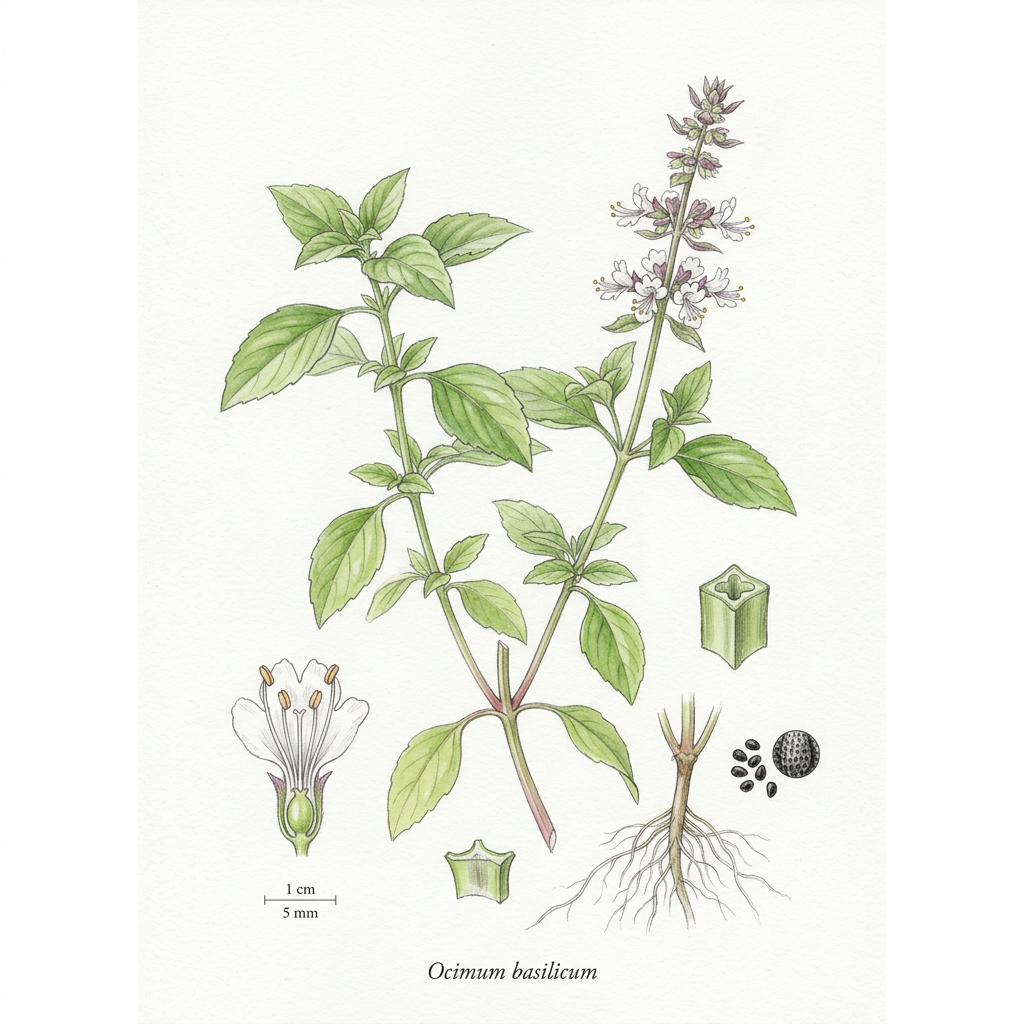
Basil

Basil

Ocimum basilicum

Convalescence
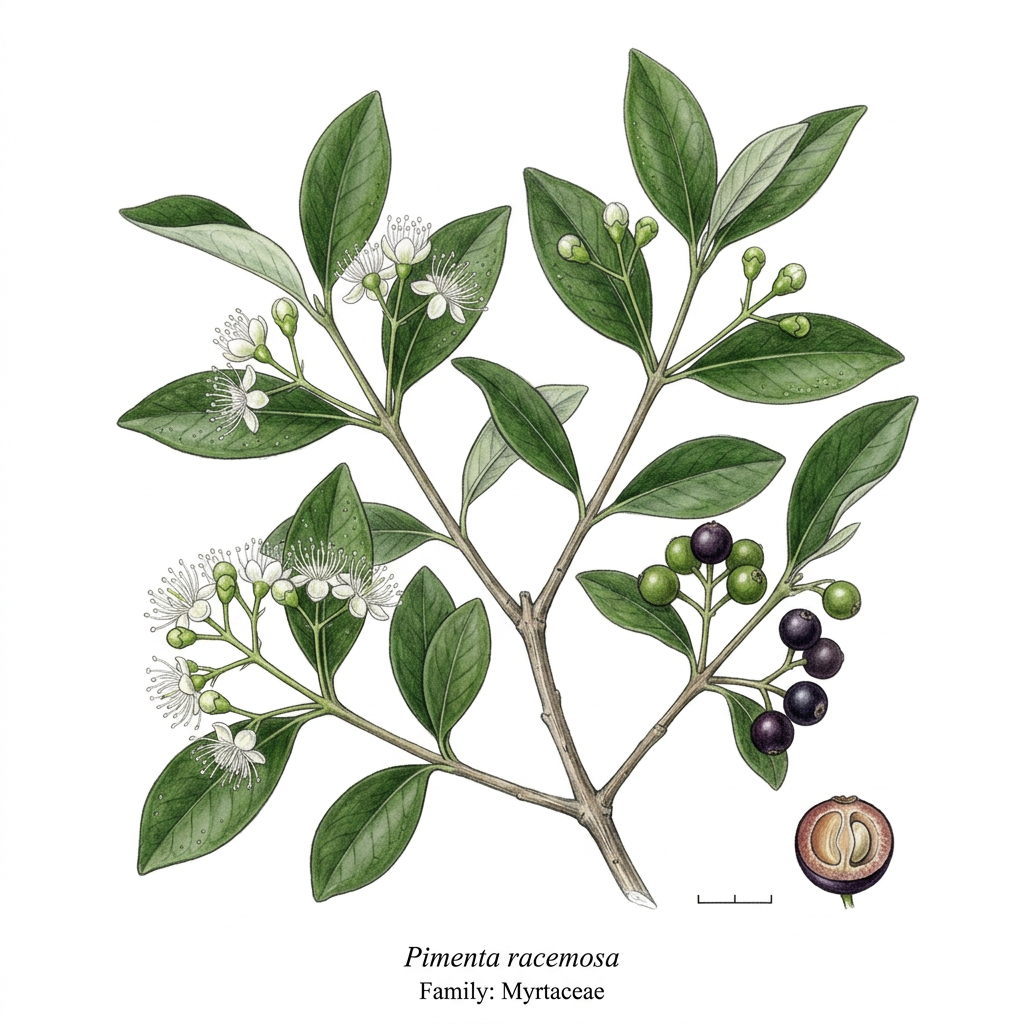
Bay rum

Bay rum

Pimenta racemosa

Appetite stimulation
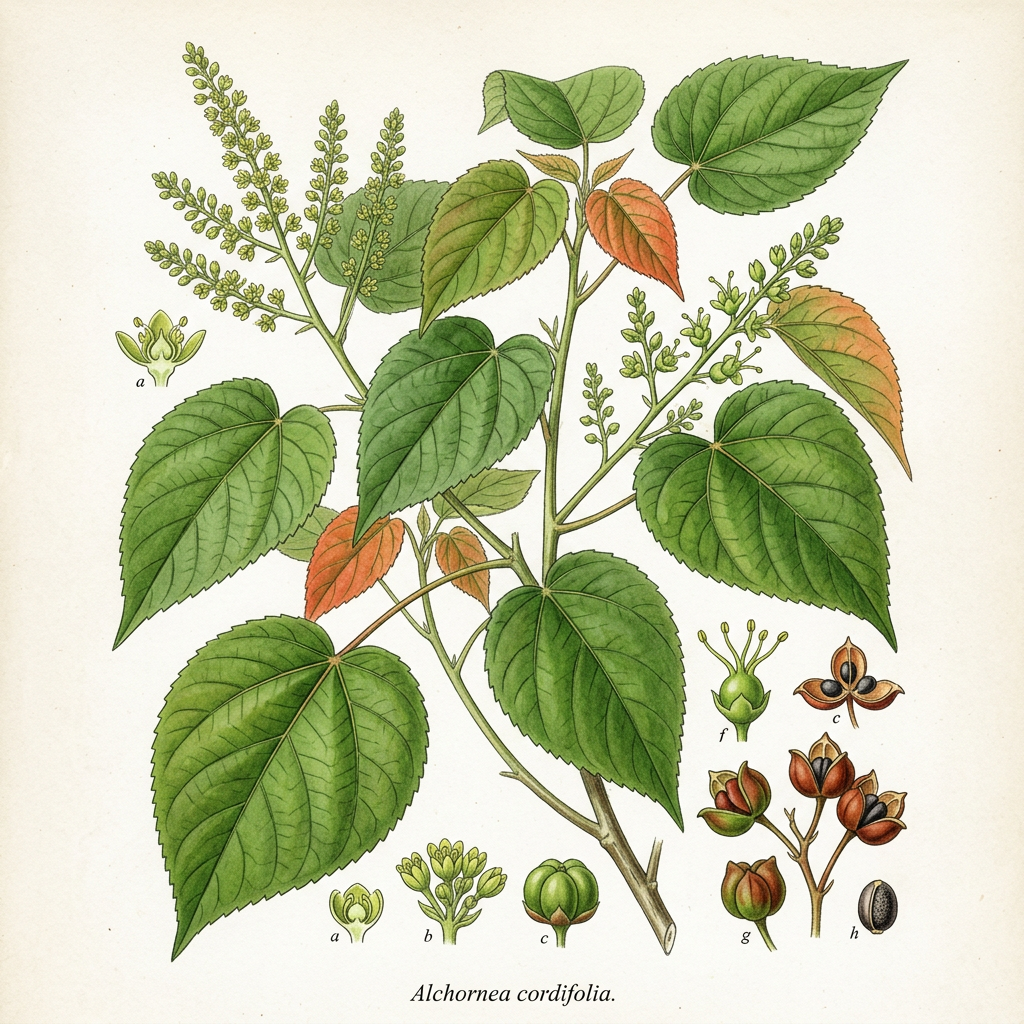
Christmas Bush

Christmas Bush

Alchornea cordifolia

Cardiovascular Support
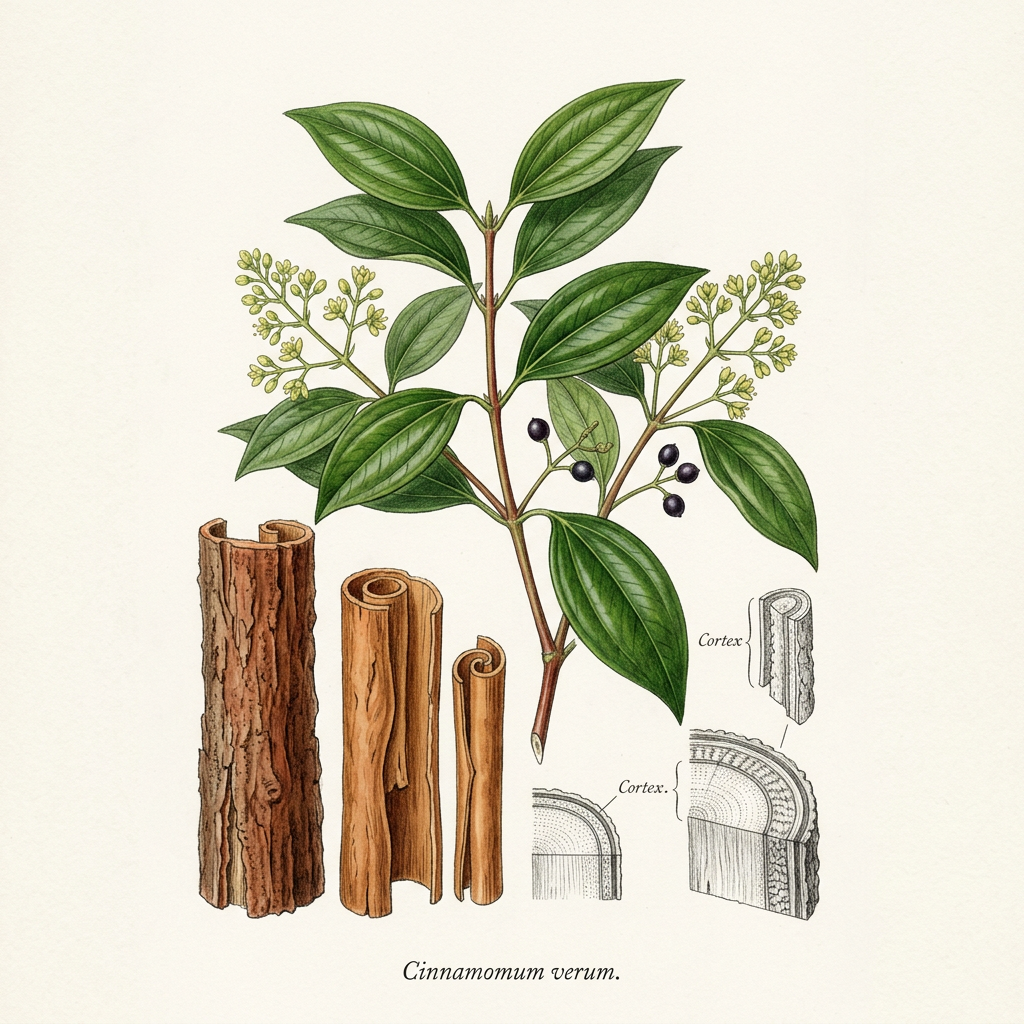
Cinnamomum verum

Cinnamomum verum

Cinnamomum verum

Digestive Support