The Wild Sage logo
The Wild Sage Logo

Herbal Medicine at your fingertips

Comprehensive database of herbal remedies with detailed safety information and traditional uses

New to herbal terms? Read the glossary →
ADHD
Abcess
Acid Reflux Relief
Acinetobacter
Acne
Acne Vulgaris
Addisons
Adenomyosis
Adenovirus
Adrenal fatigue
Aging
Aids
Alcaligenes faecalis
Alcoholism
Allergic Rhinitis
Allergies
Allergy
Alopoecia
Alopoecia nervosa
Alzheimer's, Dementia & Cognitive Decline
420 herbs found
Important: This information is for educational purposes only. Always consult with qualified healthcare professionals before using herbal remedies, especially if you have existing health conditions or take medications.
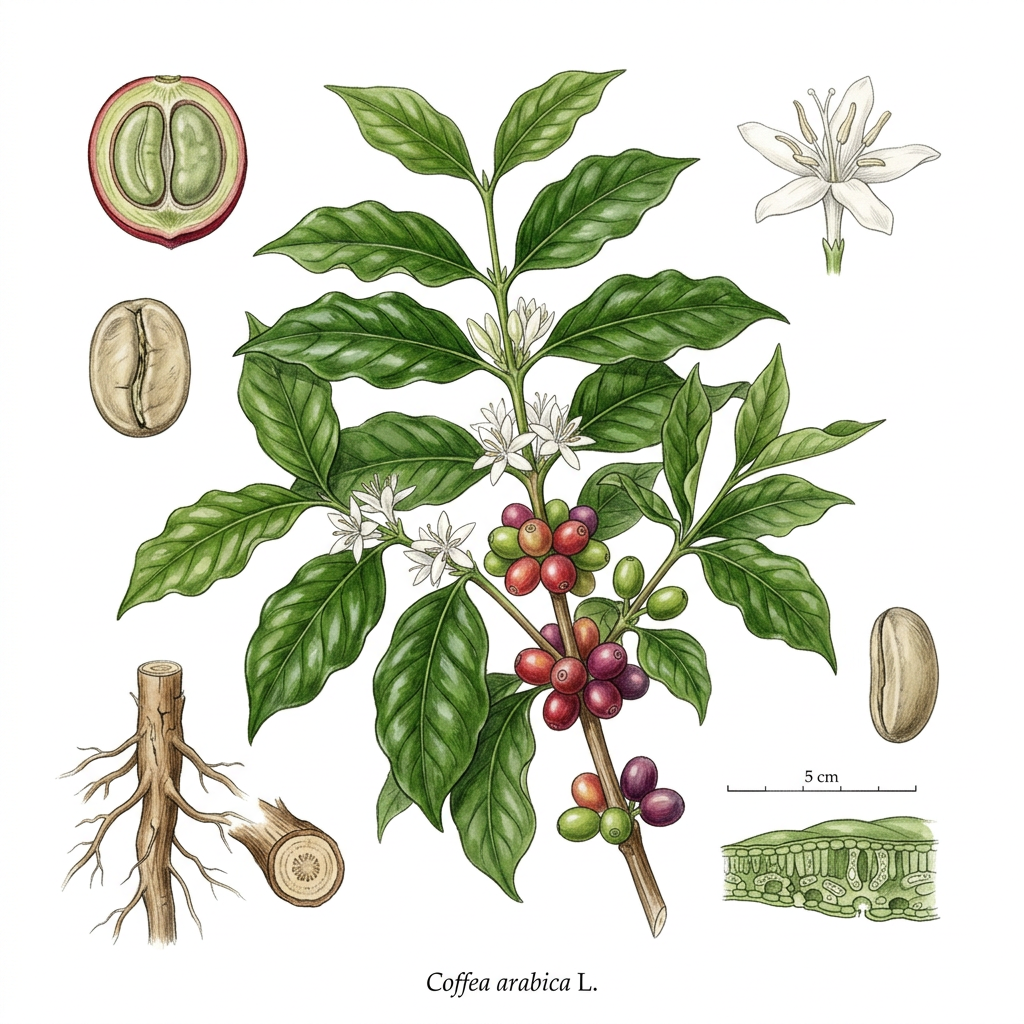
Coffee

Coffee

Coffea spp.

low risk Risk
Rubiaceae
<p>Coffee, derived from the seeds of the Coffea plant, has a rich historical and cultural significance that extends back centuries. Originating in Ethiopia, coffee's stimulating properties were first discovered by local shepherds, who observed their goats displaying increased energy after consuming the plant's berries. By the 15th century, coffee spread to the Arabian Peninsula, where it gained popularity as a social beverage in coffeehouses that became hubs of intellectual discourse. Today, coffee is one of the most widely consumed beverages globally, not just for its rich flavor but also for its pronounced effects on alertness and mood. The primary therapeutic properties of coffee stem from its high caffeine content, which acts as a central nervous system stimulant, enhancing alertness and reducing fatigue. In addition to caffeine, coffee contains a variety of bioactive compounds, including antioxidants such as chlorogenic acids, which may contribute to cardiovascular health by modulating blood pressure and improving endothelial function. Research has also suggested that regular coffee consumption may be associated with a lower risk of certain neurological diseases, including Parkinson's and Alzheimer's, as well as a protective effect against type 2 diabetes. Beyond its physiological benefits, coffee also plays a significant role in mood regulation, with moderate intake linked to improved cognitive function and a reduced incidence of depression. When consumed, caffeine is rapidly absorbed into the bloodstream, allowing it to exert its effects within 30 to 60 minutes. The effects of caffeine primarily manifest through its antagonistic action on adenosine receptors in the brain, which enhances neurotransmitter release and results in increased neuronal excitability. This mechanism not only boosts alertness but also enhances mood and cognitive performance. Moreover, coffee's rich array of antioxidants helps combat oxidative stress in the body, further contributing to its health benefits. However, it is important to note that while coffee has numerous advantages, moderation is key, as excessive consumption can lead to adverse effects such as anxiety and disrupted sleep patterns. Overall, coffee, when consumed mindfully, offers not only a delightful sensory experience but also a plethora of potential health benefits, warranting further exploration within the realm of herbal medicine.</p>

Uses & Conditions

Fatigue Reduction
Cognitive Function Improvement
Mood Enhancement
Cardiovascular Health Support
Type 2 Diabetes Protection
Oxidative Stress Reduction
Weight Management
Alzheimer's Disease
Parkinson's Disease

Actions

Stimulant

Parts Used

Bean

Native Countries

South America
Central America
Africa
Asia & Pacific

USDA Hardiness Zones

USDA 10-11

Contraindications

  • Pregnancy and breastfeeding
  • Anxiety and panic disorders
  • Gastric or duodenal ulcers
  • Cardiac arrhythmias
  • Insomnia

Potential Side Effects

  • Jitters
  • Hyperarousal
  • Palpitations

Interactions

  • Adenosine receptor antagonists: Caffeine may antagonise therapeutic effects of adenosine
  • CNS stimulants: Concomitant use with prescription stimulants may increase risk of tachycardia and nervousness
  • Theophylline: Coffee may reduce clearance, increasing toxicity risk
  • Iron supplements: Tannin content inhibits non-heme iron absorption; space by two hours
  • Antihypertensives: High intake may transiently raise blood pressure, countering medication efficacy

Dosages, tincture ratios & research — members only

Unlock Garreth's dosing guidance, tincture ratios, the dosage calculator and the research studies for Coffee.

Your assessment and results stay saved — upgrading only unlocks more of them.

See membership plans

Community Photos

No community photos yet. Sign in to upload photos.

Reviews & Ratings

Sign in to leave a review.

No reviews yet. Be the first!

GF

Garreth Falls — B.Th., Dip. H.M., MNIMH

Content curated and reviewed by Garreth Falls, Consultant Medical Herbalist · The Wild Sage

Medical Disclaimer: This information is for educational purposes only and is not intended as medical advice. Always consult with qualified healthcare professionals before starting any herbal treatment.
Western tradition

Sustainability & quality

Cultivated

Extensively farmed globally; look for shade-grown or bird-friendly certifications to ensure higher biodiversity standards.

Key constituents

Key Constituents, - Caffeine, - Chlorogenic acids, - Lipids, - Carbohydrates, - Proteins, Trigonelline, - Diterpenes (cafestol and kahweol), - Minerals (potassium, magnesium).

References

  1. Mills & Bone "The Essential Guide to Herbal Safety" 2005
  2. Herbal Reality. Herb monographs. herbalreality.com

Reviewed by Garreth, Medical Herbalist (MNIMH) · October 2026

Related Herbs
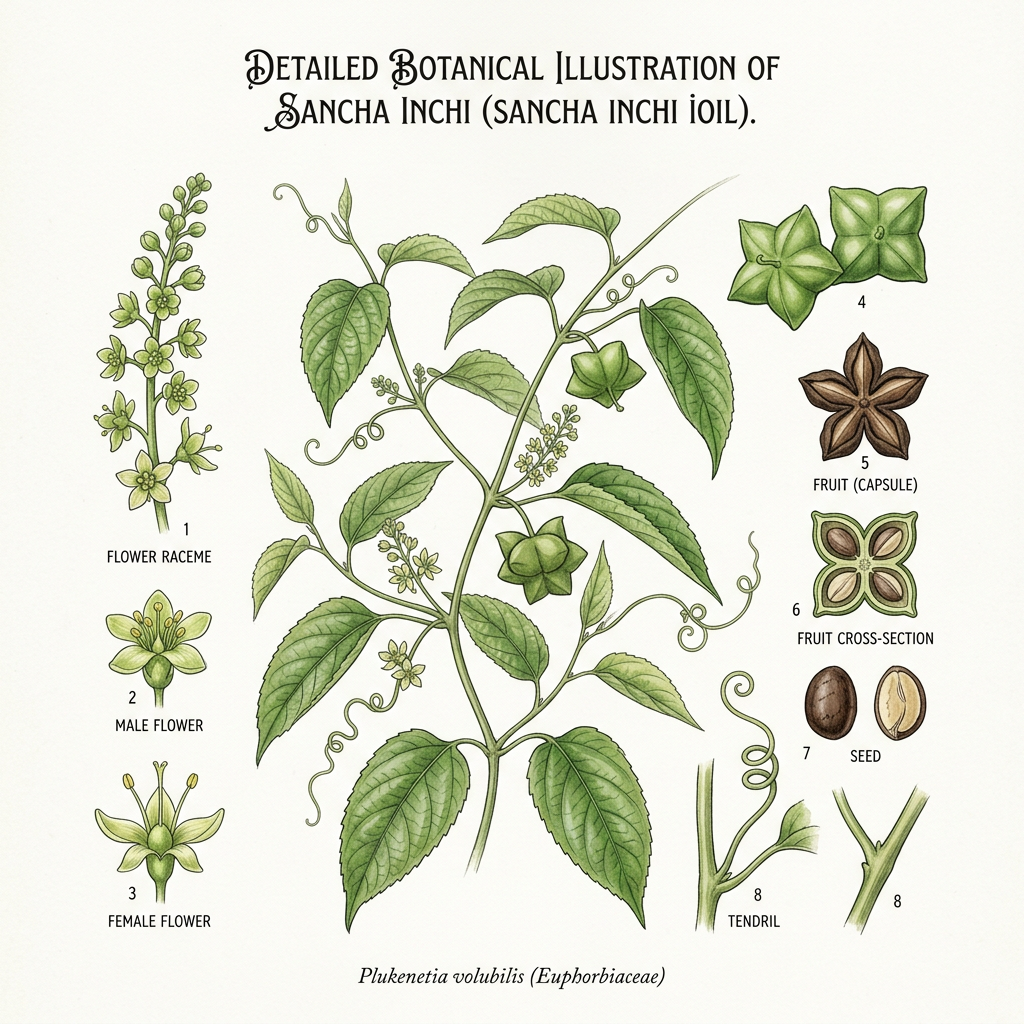
Sancha Inchi iOIl

Sancha Inchi iOIl
Sancha Inchi iOIl

Nutritional Supplementation
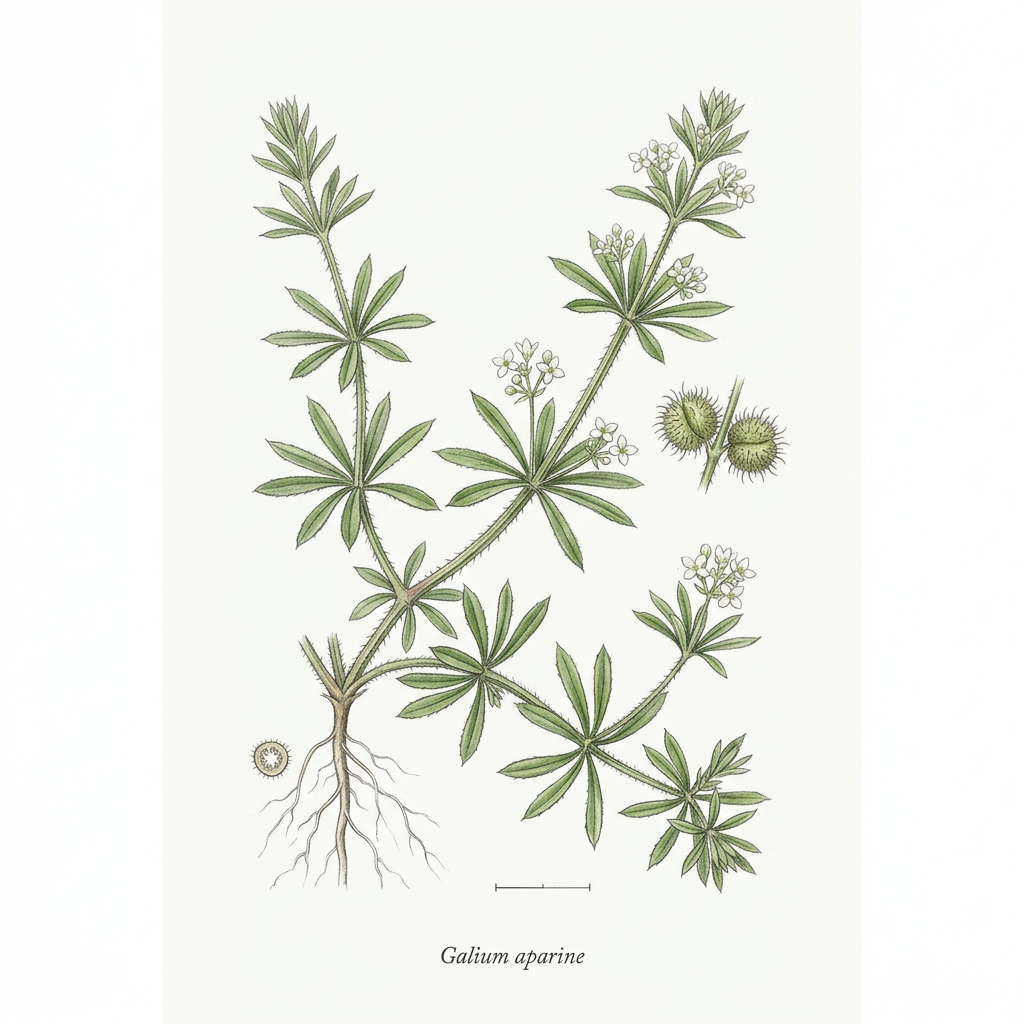
Cleavers

Cleavers

Galium aparine

Detoxification
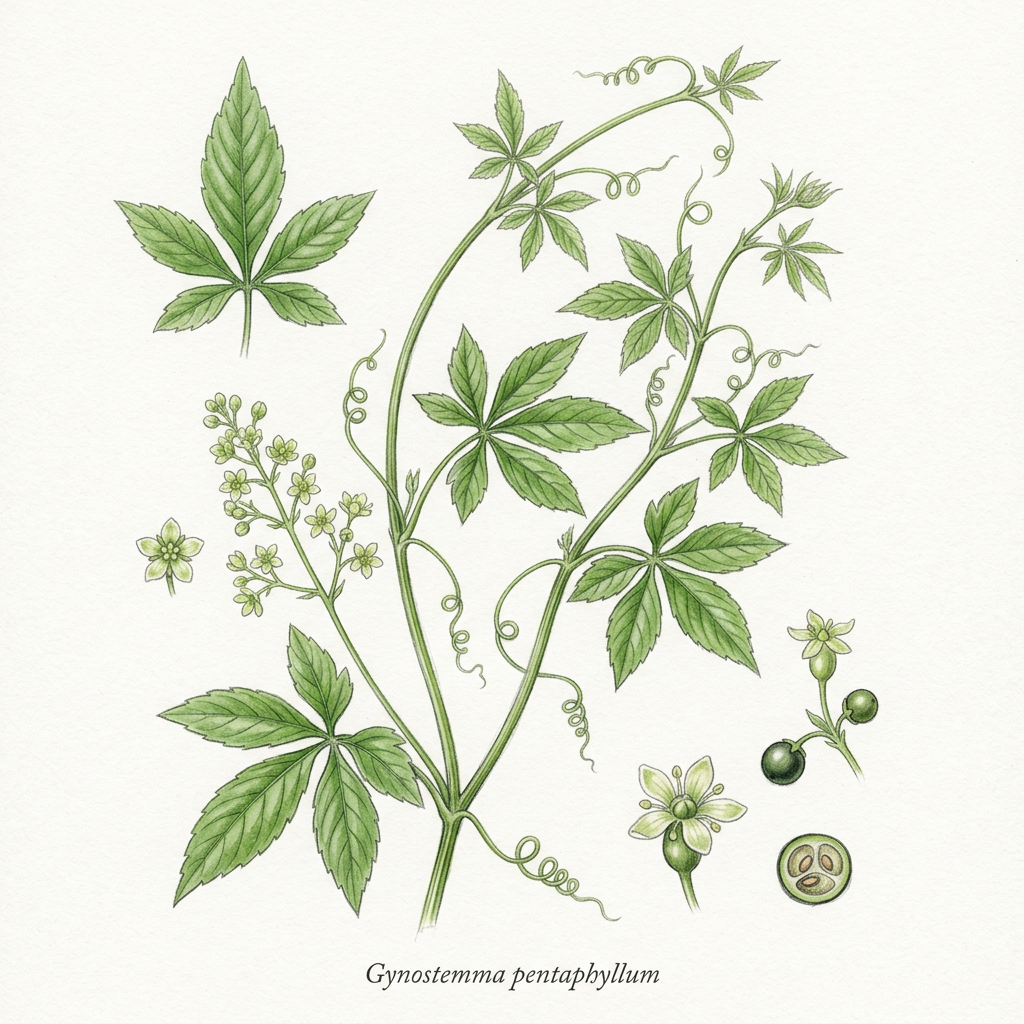
Gynostemma

Gynostemma

Gynostemma pentaphyllum

Adaptogen
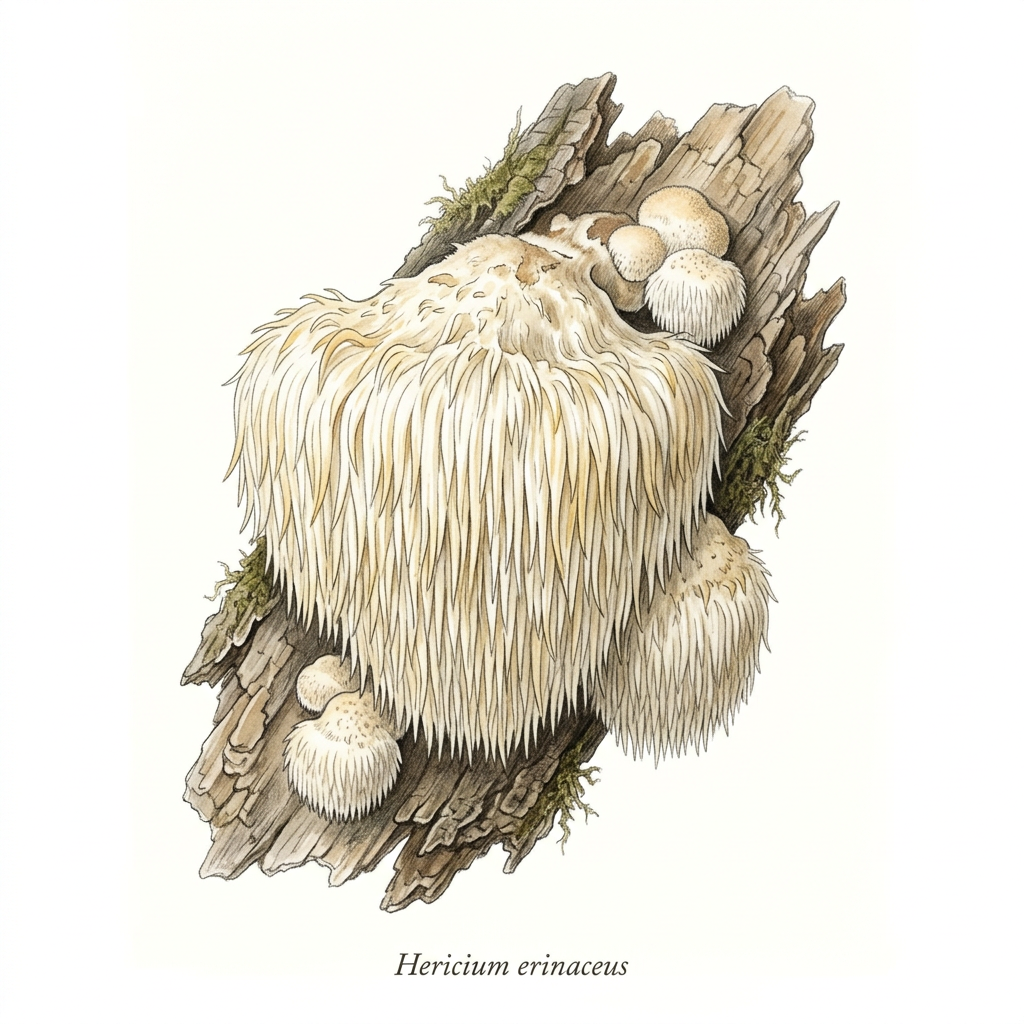
Lion's Mane

Lion's Mane

Hericium erinaceus

Cognitive Support