The Wild Sage logo
The Wild Sage Logo

Herbal Medicine at your fingertips

Comprehensive database of herbal remedies with detailed safety information and traditional uses

New to herbal terms? Read the glossary →
ADHD
Abcess
Acid Reflux Relief
Acinetobacter
Acne
Acne Vulgaris
Addisons
Adenomyosis
Adenovirus
Adrenal fatigue
Aging
Aids
Alcaligenes faecalis
Alcoholism
Allergic Rhinitis
Allergies
Allergy
Alopoecia
Alopoecia nervosa
Alzheimer's, Dementia & Cognitive Decline
420 herbs found
Important: This information is for educational purposes only. Always consult with qualified healthcare professionals before using herbal remedies, especially if you have existing health conditions or take medications.
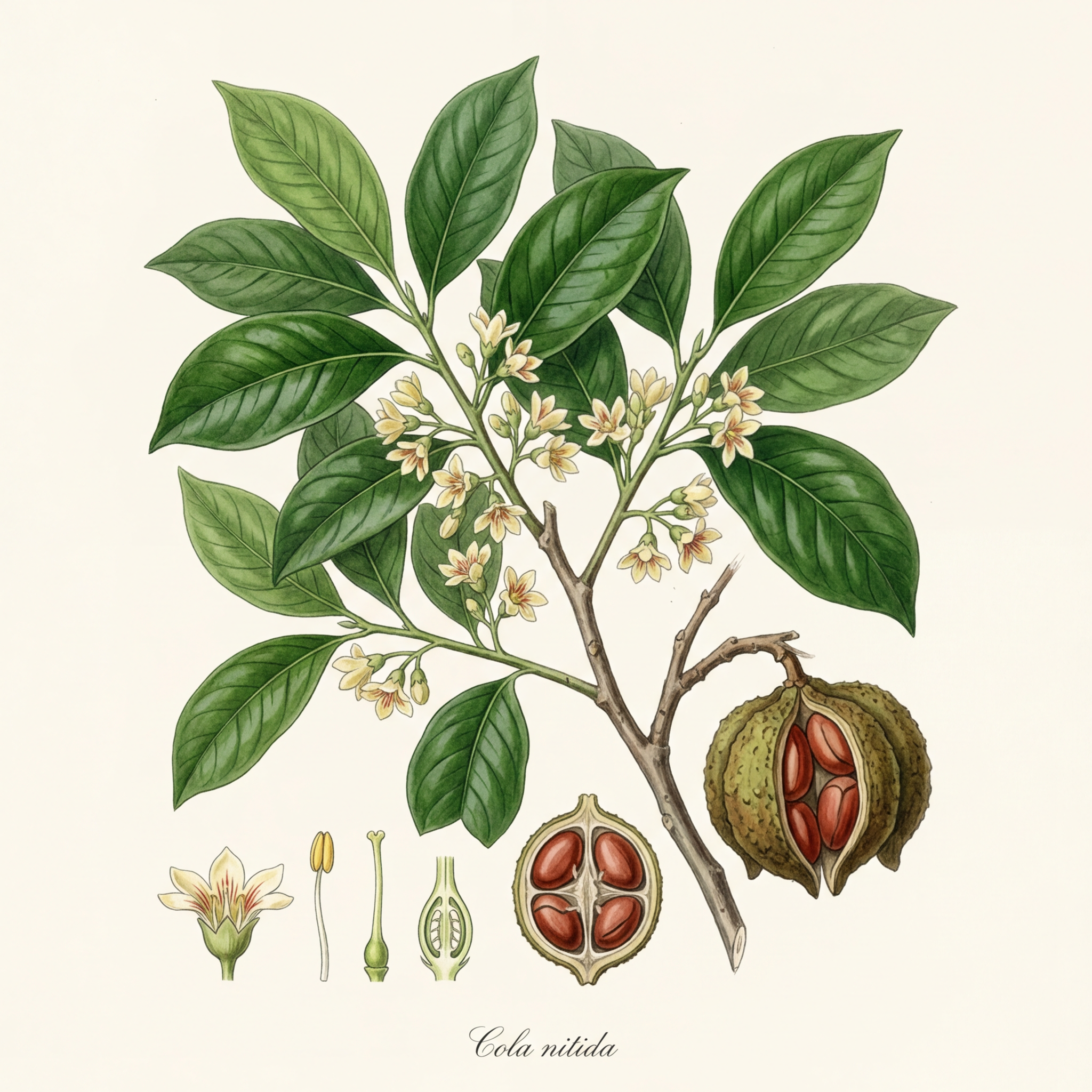
Cola nitida

Cola nitida

Cola nitida

low risk Risk
Malvaceae
Slightly warming and moistening, helps with energy flow and diuresis.
<p>Cola nitida, commonly known as the kola nut, is a tropical evergreen tree belonging to the Malvaceae family, native to the rainforests of West Africa. Historically, the kola nut has held significant cultural importance among West African communities, where it has been chewed during social and religious ceremonies as a symbol of hospitality and respect. Beyond its cultural context, Cola nitida has been utilized in traditional herbal medicine for centuries. The nuts of this tree, known for their distinctive brown color and bitter taste, have served as a natural stimulant and traditional remedy for various ailments. This remarkable herb is primarily recognized for its diuretic properties, which promote increased urination and aid in detoxification by facilitating the elimination of waste products from the body. Additionally, Cola nitida is renowned for its energizing effects, attributed to the presence of caffeine and other alkaloids, providing a natural boost in alertness and mental clarity. Its therapeutic profile extends to its potential role in enhancing mood, reducing fatigue, and improving overall stamina. Moreover, the kola nut has been studied for its potential to support digestive health, stimulate appetite, and ease minor digestive distress. The mechanisms through which Cola nitida exerts its effects are largely linked to its active constituents, notably caffeine, theobromine, and catechins. Caffeine serves as a central nervous system stimulant, increasing the release of neurotransmitters like dopamine, which can improve mood and cognitive function. The diuretic action facilitates kidney function and fluid balance, helping to regulate blood pressure. Additionally, theobromine, a compound also found in chocolate, contributes to the relaxing of smooth muscles and vasodilation, enhancing circulation. Through these combined effects, Cola nitida emerges as a versatile herb with a rich history and a promising range of health benefits. Whether incorporated into traditional practices or explored through modern scientific inquiry, the kola nut remains a fascinating subject of interest for herbalists and health enthusiasts alike.</p>

Uses & Conditions

Cognitive Performance
Energy Boosting
Mental Clarity
Stamina Improvement
Detoxification
Fatigue
Headaches
Migraine
Tension-Type Headache
Obesity
Minor Digestive Distress

Actions

Diuretic
COX-2 Inhibitor
TNF-a Reducer
Cardiometabolic Agent

Parts Used

Seeds (Kola nuts)

Native Countries

W. Africa

USDA Hardiness Zones

USDA 11-12

Contraindications

  • Pregnancy and breastfeeding
  • Hypertension
  • Cardiac arrhythmias
  • Anxiety or sleep disorders
  • Peptic ulcer disease

Potential Side Effects

  • Tachycardia
  • Palpitations
  • Insomnia
  • Disrupted sleep patterns
  • Nervousness
  • Jitters
  • Anxiety
  • Gastric irritation
  • Increased acidity

Interactions

  • CNS stimulants: potential additive effects with caffeine, ephedra, or synephrine
  • Monoamine oxidase inhibitors: potential risk of hypertensive crisis
  • Anticoagulants and antiplatelet drugs: theoretical risk of increased bleeding
  • Lithium: potential reduction of therapeutic efficacy due to increased renal excretion
  • Theophylline and related bronchodilators: increased risk of cardiac and neurological side effects

Dosages, tincture ratios & research — members only

Unlock Garreth's dosing guidance, tincture ratios, the dosage calculator and the research studies for Cola nitida.

Your assessment and results stay saved — upgrading only unlocks more of them.

See membership plans

Community Photos

No community photos yet. Sign in to upload photos.

Reviews & Ratings

Sign in to leave a review.

No reviews yet. Be the first!

GF

Garreth Falls — B.Th., Dip. H.M., MNIMH

Content curated and reviewed by Garreth Falls, Consultant Medical Herbalist · The Wild Sage

Medical Disclaimer: This information is for educational purposes only and is not intended as medical advice. Always consult with qualified healthcare professionals before starting any herbal treatment.
Western tradition

Sustainability & quality

Cultivated

Mainly produced in West Africa; support producers participating in sustainable agroforestry programs.

Key constituents

Caffeine, Theobromine, Catechins (epicatechin), Phlobaphenes, Tannins, Volatile oils

References

  1. British Herbal Pharmacopoeia 1983
  2. Herbal Reality. Herb monographs. herbalreality.com

Reviewed by Garreth, Medical Herbalist (MNIMH) · October 2026

Related conditions

Explore conditions where Cola nitida is traditionally used.

Related Herbs
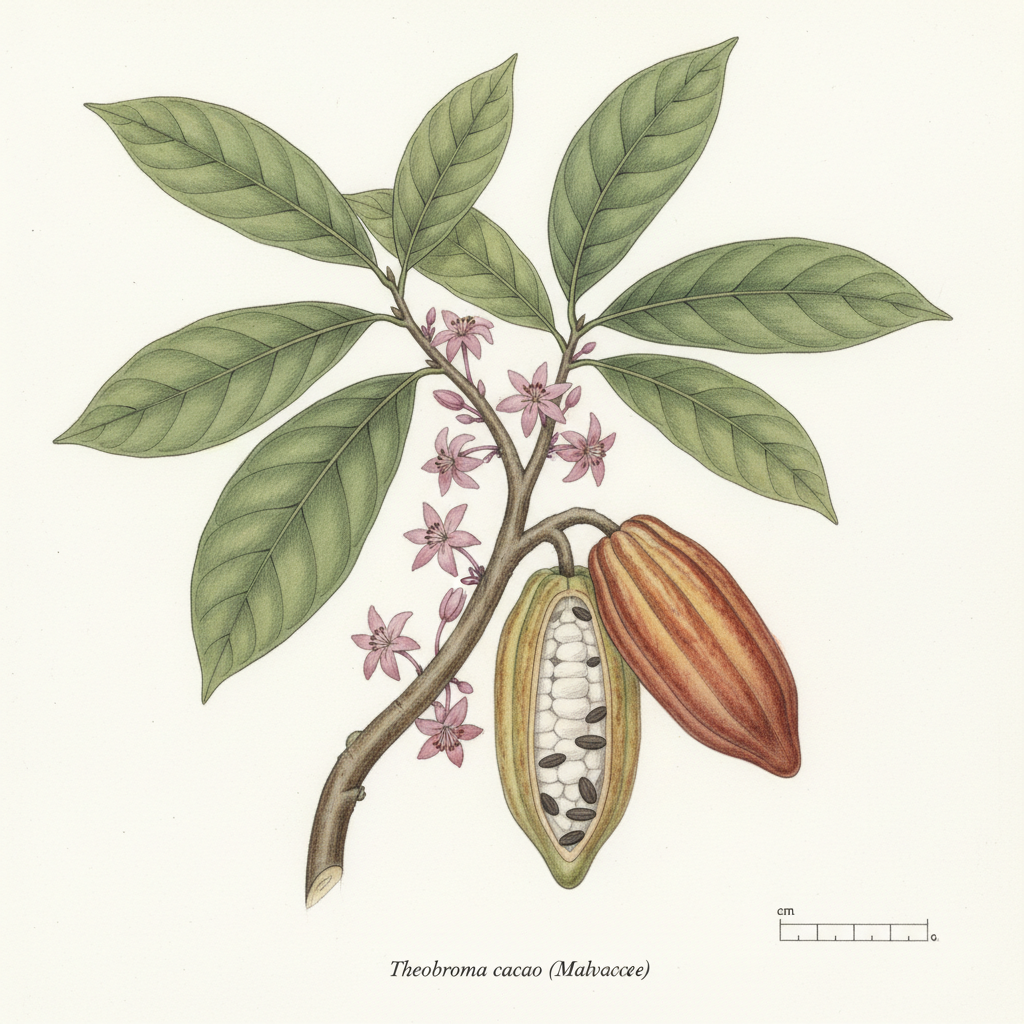
Cacao

Cacao

Theobroma cacao

Cognitive Enhancement
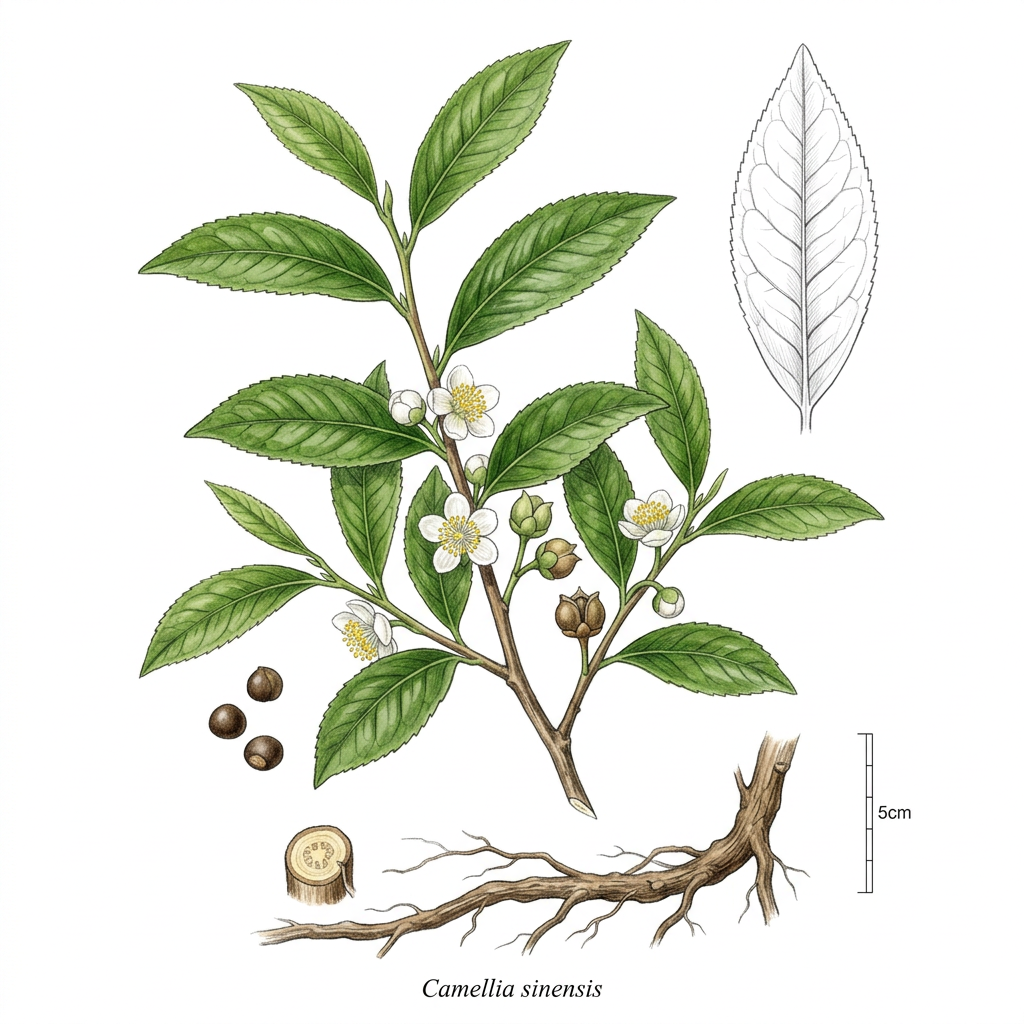
Green Tea

Green Tea

Camellia sinensis

Hypertension
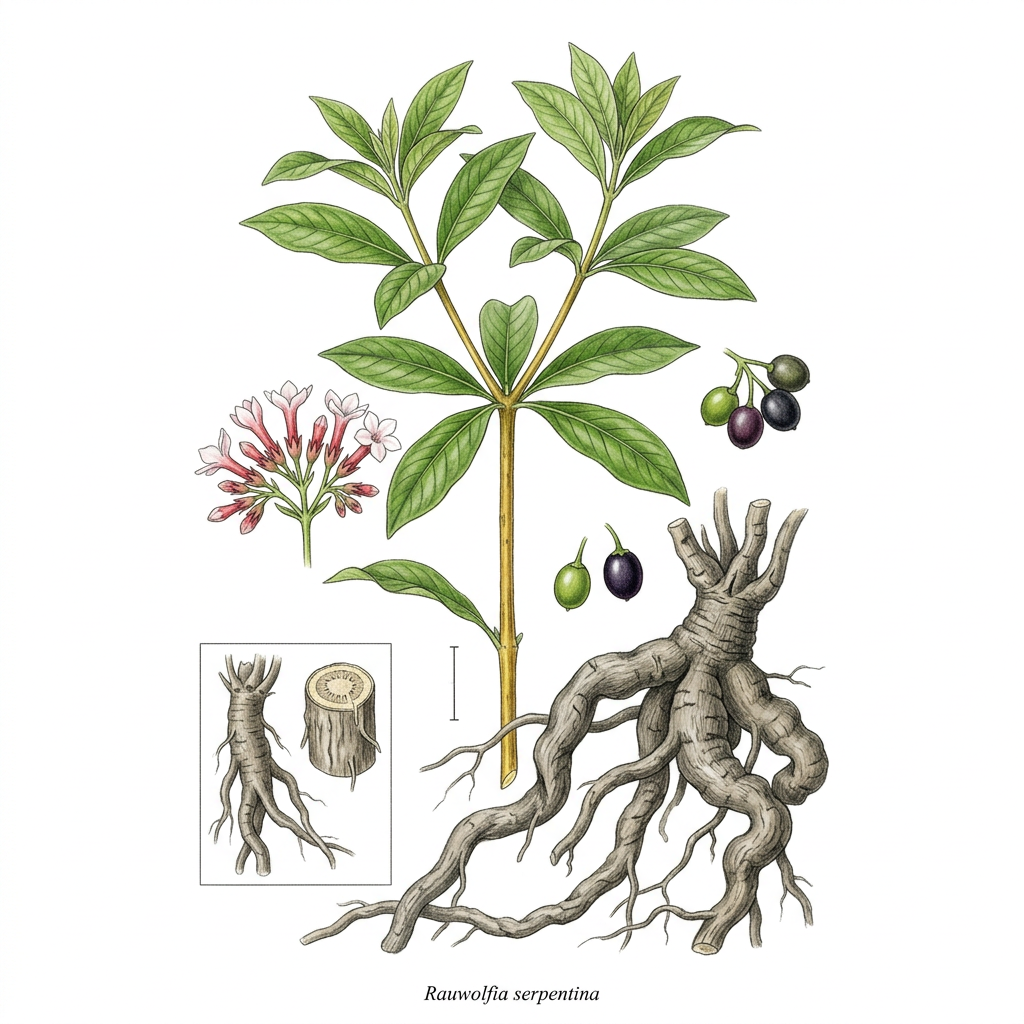
Indian Snakeroot

Indian Snakeroot

Rauwolfia serpentina
Mental clarity
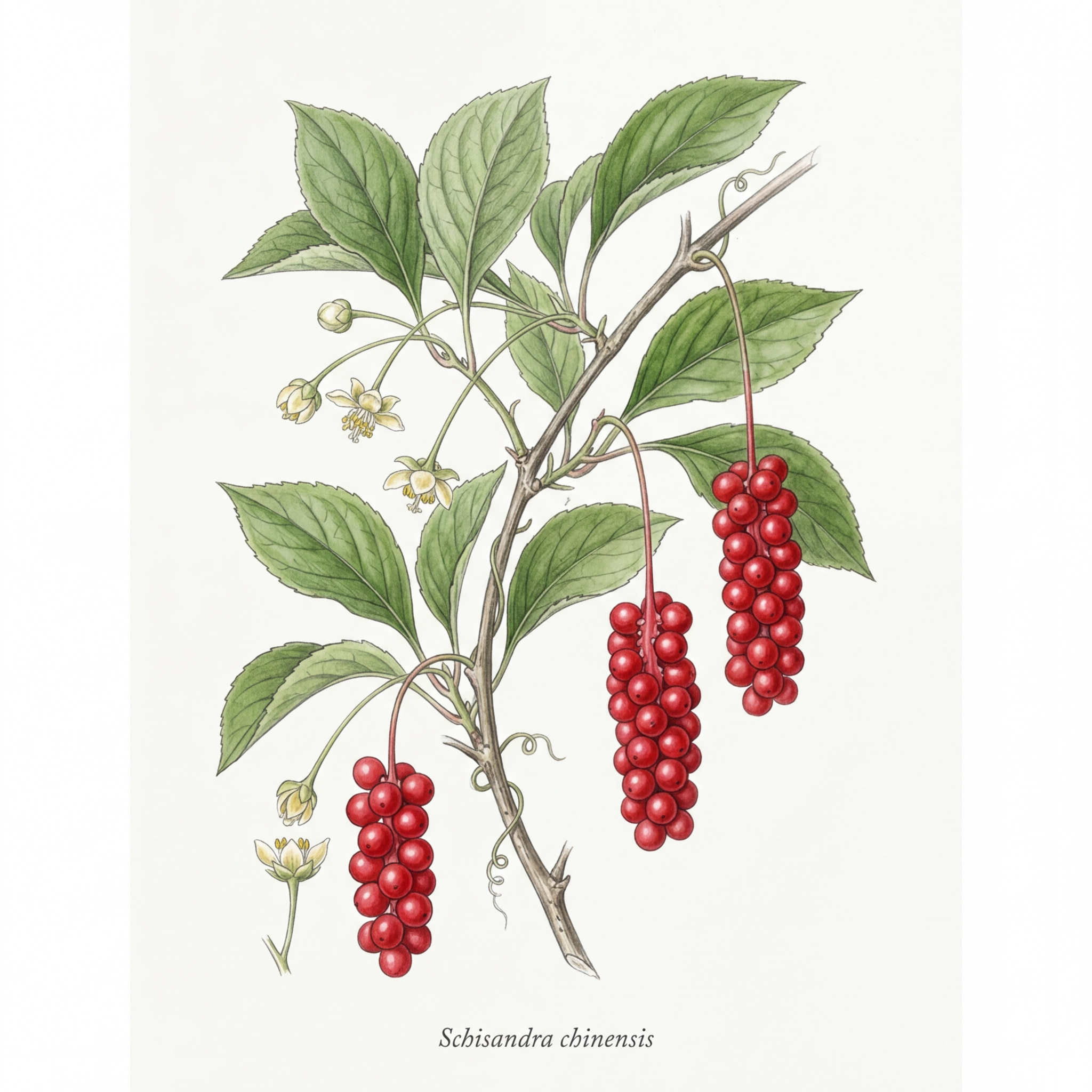
Schisandra

Schisandra

Schisandra chinensis

Adaptogen