The Wild Sage logo
The Wild Sage Logo

Herbal Medicine at your fingertips

Comprehensive database of herbal remedies with detailed safety information and traditional uses

New to herbal terms? Read the glossary →
ADHD
Abcess
Acid Reflux Relief
Acinetobacter
Acne
Acne Vulgaris
Addisons
Adenomyosis
Adenovirus
Adrenal fatigue
Aging
Aids
Alcaligenes faecalis
Alcoholism
Allergic Rhinitis
Allergies
Allergy
Alopoecia
Alopoecia nervosa
Alzheimer's, Dementia & Cognitive Decline
420 herbs found
Important: This information is for educational purposes only. Always consult with qualified healthcare professionals before using herbal remedies, especially if you have existing health conditions or take medications.
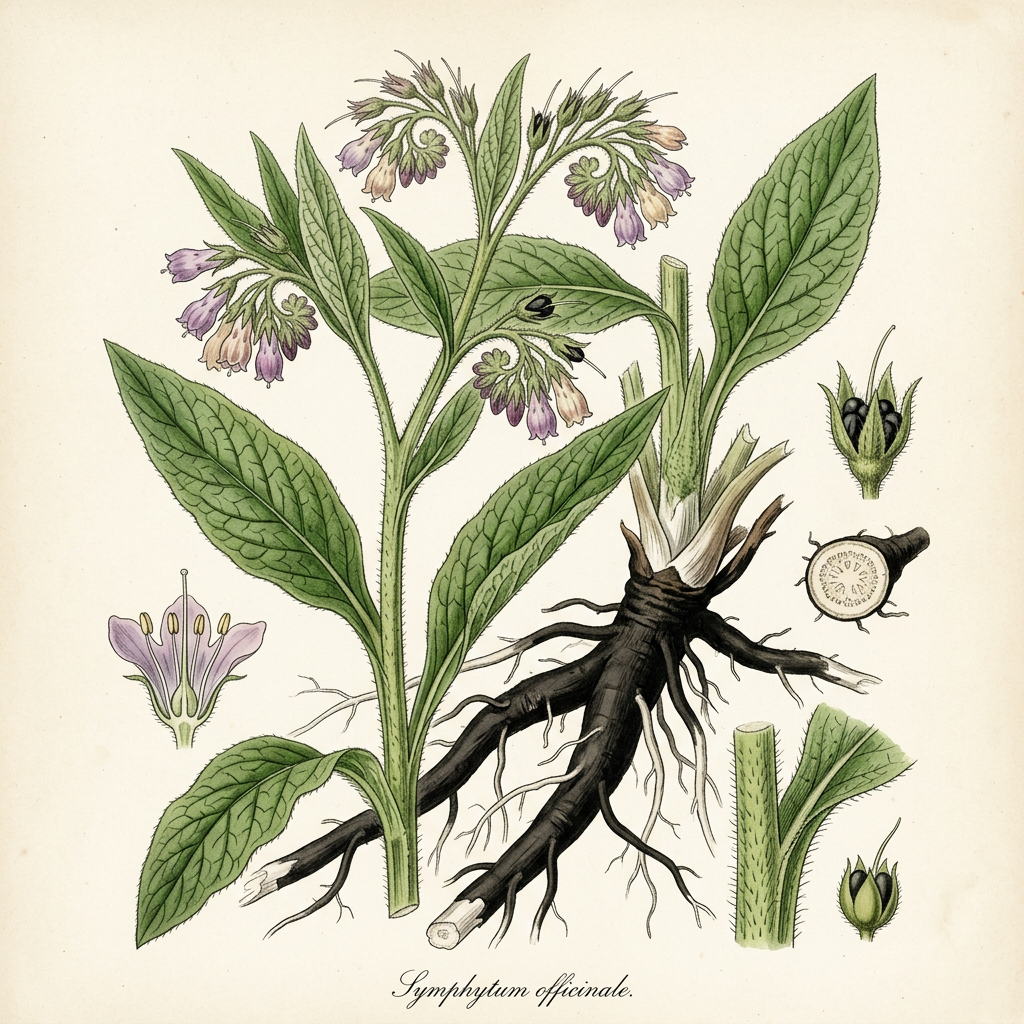
Comfrey

Comfrey

Symphytum officinale

moderate risk Risk
Boraginaceae
Grounding and stabilising.
<p>Comfrey, a perennial herb native to Europe and parts of Asia, has garnered attention for its remarkable healing properties since ancient times. Traditionally, it has been employed by herbalists and healers for its rejuvenating effects on skin and tissues. The name "comfrey" derives from the Latin term *conferre*, meaning "to bring together," which aptly reflects its longstanding reputation as a potent remedy for wounds and fractures. Recorded uses date back to Hippocrates and Galen, who endorsed its application for treating injuries, and it was also used in medieval herbal medicine, where it was prized for its ability to speed the healing of broken bones and sprains. The primary therapeutic properties of comfrey can be attributed to its rich content of allantoin, a compound known for its cell-proliferating effects, which promotes tissue regeneration and accelerates wound healing. Comfrey also possesses significant anti-inflammatory and analgesic properties, making it effective for alleviating discomfort associated with sprains, strains, and various types of musculoskeletal injuries. Many herbal practitioners utilize comfrey in topical applications, such as ointments or poultices, directly targeting affected areas to facilitate healing. However, the internal use of comfrey remains a subject of debate due to concerns about potential liver toxicity when consumed over extended periods, necessitating caution among those considering its use. When applied topically, comfrey’s beneficial compounds penetrate the skin, sparking a cascade of biological responses that enhance tissue repair and reduce inflammation. Allantoin is thought to stimulate cell division and promote the growth of new tissue, while its anti-inflammatory action diminishes swelling and pain associated with injuries. Furthermore, comfrey is rich in mucilage and tannins, which lend additional soothing properties, aiding in the formation of protective barriers over wounds. This comprehensive range of actions positions comfrey as a valuable ally in natural medicine, particularly in its role as a topical remedy for acute and chronic wounds, thus upholding its esteemed legacy in herbal healing.</p>

Uses & Conditions

Tissue Regeneration
Cell Proliferation
Protective Barrier Formation
Wound Healing
Fractures
Sprains
Dermatitis
Cough
Bronchitis
Broken Bones
Torn Ligaments
Arthritis
Tendinitis
Bursitis
Musculoskeletal Injuries
Leaky Gut

Actions

Anti-inflammatory

Synonyms

Knitbone

Parts Used

Leaf & Root

Native Countries

Europe

USDA Hardiness Zones

USDA 3-10

Contraindications

  • Pregnancy: Internal or extensive topical use is strictly contraindicated
  • Breastfeeding: Avoidance is advised
  • Broken skin: Do not apply to open wounds, deep lacerations, or ulcers
  • Pre-existing liver conditions: Avoid in hepatitis, cirrhosis, or impaired liver function
  • Prolonged application: Avoid continuous use exceeding 4-6 weeks per year

Potential Side Effects

  • Hepatotoxicity due to pyrrolizidine alkaloids
  • Unsuitable for people with epilepsy

Interactions

  • Hepatotoxic drugs: Concurrent use with paracetamol, methotrexate, or statins may increase liver stress
  • Warfarin and anticoagulants: Theoretical risk of altered clotting times through skin absorption
  • Alcohol: Concurrent consumption may exacerbate hepatotoxic risk

Dosages, tincture ratios & research — members only

Unlock Garreth's dosing guidance, tincture ratios, the dosage calculator and the research studies for Comfrey.

Your assessment and results stay saved — upgrading only unlocks more of them.

See membership plans

Community Photos

No community photos yet. Sign in to upload photos.

Reviews & Ratings

Sign in to leave a review.

No reviews yet. Be the first!

GF

Garreth Falls — B.Th., Dip. H.M., MNIMH

Content curated and reviewed by Garreth Falls, Consultant Medical Herbalist · The Wild Sage

Medical Disclaimer: This information is for educational purposes only and is not intended as medical advice. Always consult with qualified healthcare professionals before starting any herbal treatment.
Western tradition

Sustainability & quality

Abundant

Fast growing, but can be toxic; ensure proper identification. Use restricted to external applications is advised.

Key constituents

Alkaloids, Anti-inflammatory, Allantoin, Pyrrolizidine alkaloids, rosemarinic acid, Triterpenoids, Sterols, Tannin

References

  1. ESCOP Monographs 2nd ed. 2003
  2. British Herbal Pharmacopoeia 1983
  3. Mills & Bone "The Essential Guide to Herbal Safety" 2005
  4. Herbal Reality. Herb monographs. herbalreality.com

Reviewed by Garreth, Medical Herbalist (MNIMH) · October 2026

Related conditions

Explore conditions where Comfrey is traditionally used.

Related Herbs
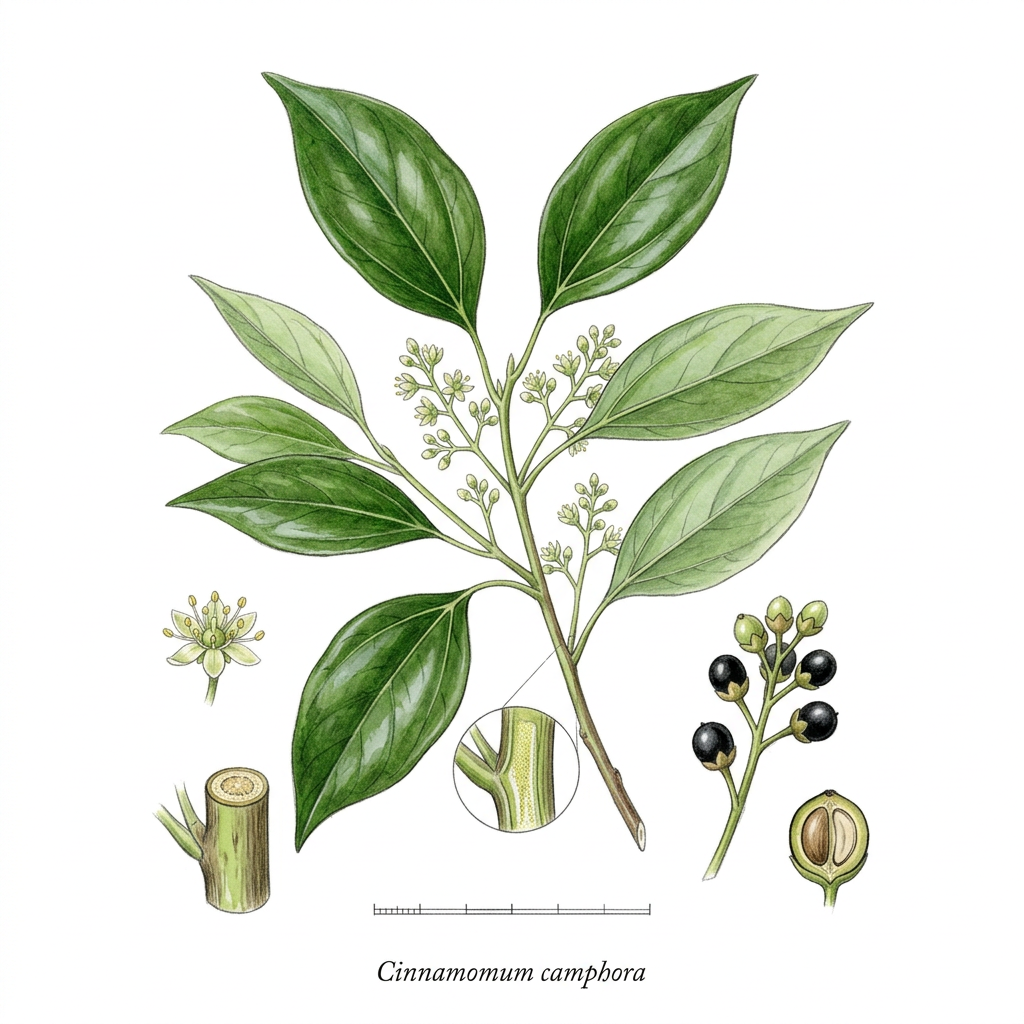
Camphor

Camphor

Cinnamomum camphora

Purification
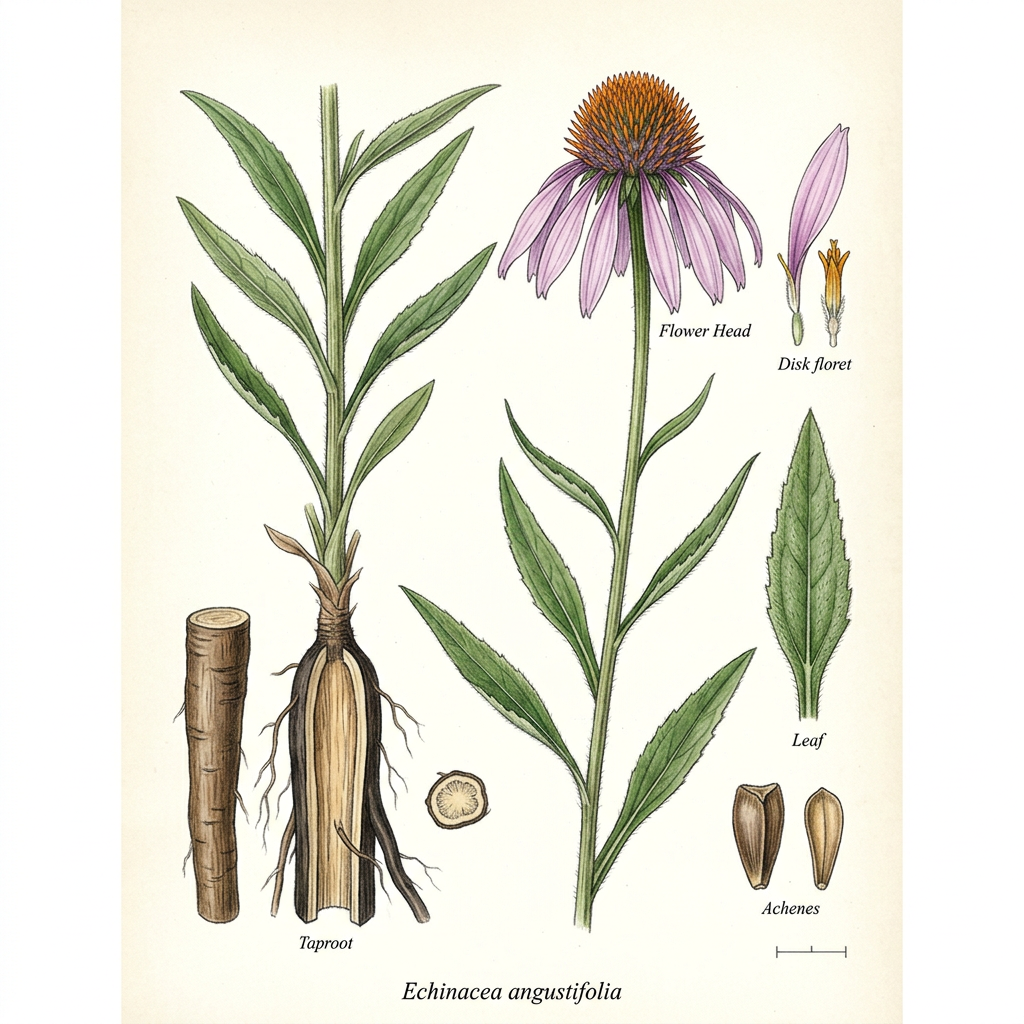
Echinacea angustifolia

Echinacea angustifolia
Echinacea angustifolia

Immune System Support
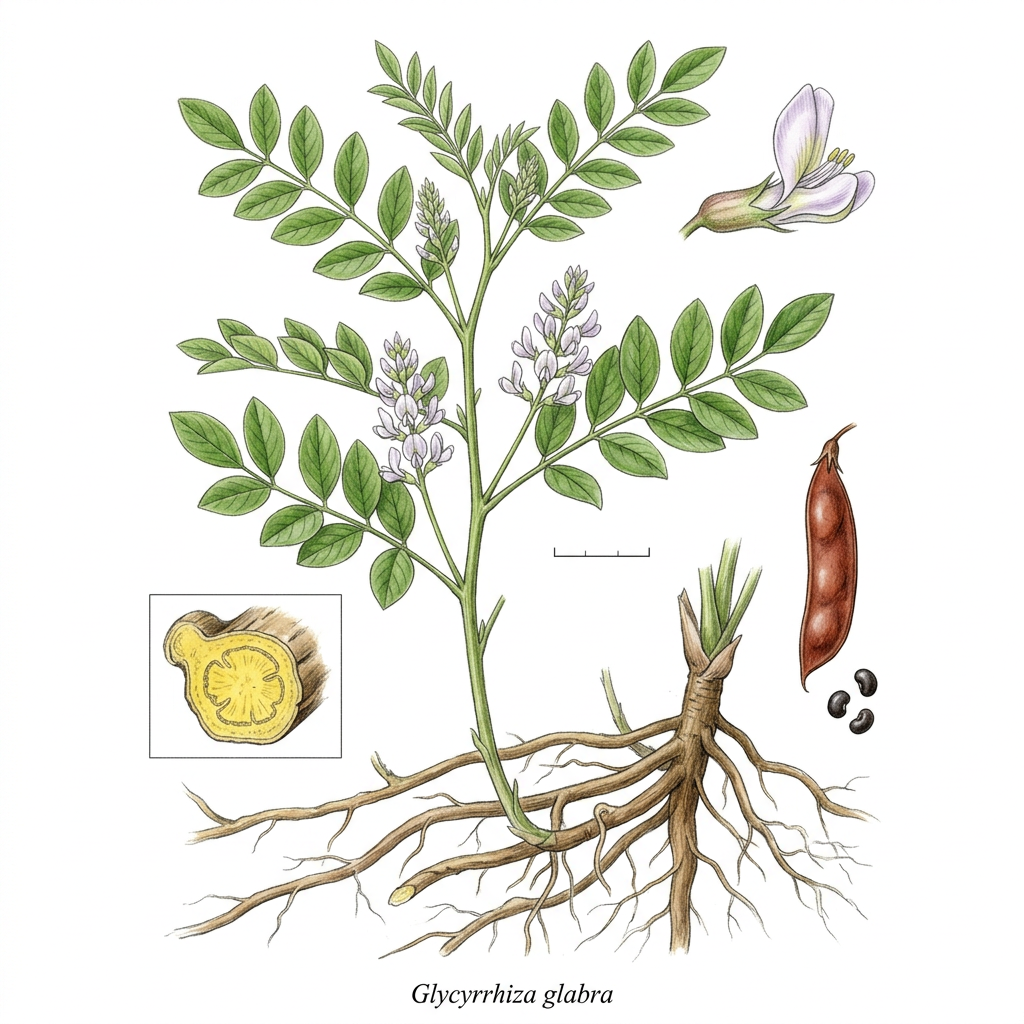
Licorice

Licorice

Glycyrrhiza glabra

Adrenal support
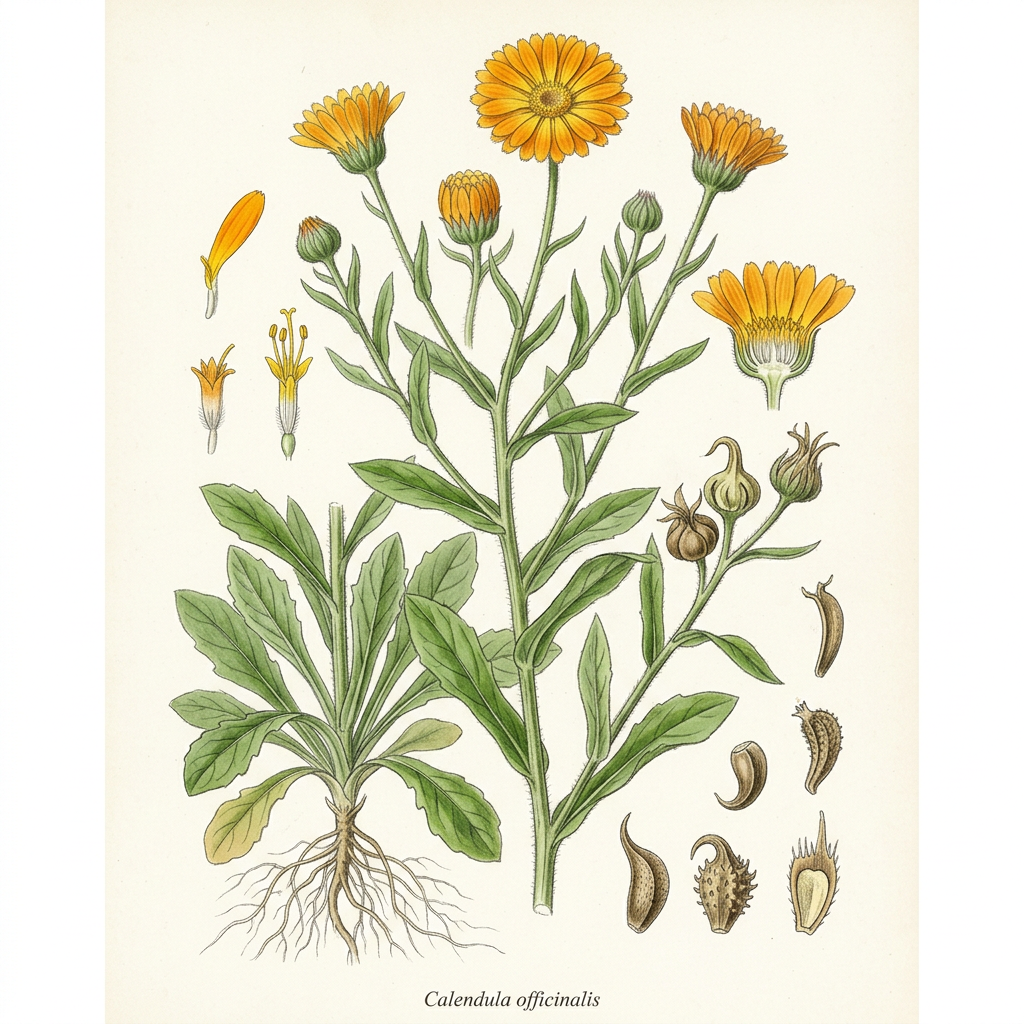
Marigold

Marigold

Calendula officinalis

Lymphatic Support