The Wild Sage logo
The Wild Sage Logo

Herbal Medicine at your fingertips

Comprehensive database of herbal remedies with detailed safety information and traditional uses

New to herbal terms? Read the glossary →
ADHD
Abcess
Acid Reflux Relief
Acinetobacter
Acne
Acne Vulgaris
Addisons
Adenomyosis
Adenovirus
Adrenal fatigue
Aging
Aids
Alcaligenes faecalis
Alcoholism
Allergic Rhinitis
Allergies
Allergy
Alopoecia
Alopoecia nervosa
Alzheimer's, Dementia & Cognitive Decline
420 herbs found
Important: This information is for educational purposes only. Always consult with qualified healthcare professionals before using herbal remedies, especially if you have existing health conditions or take medications.
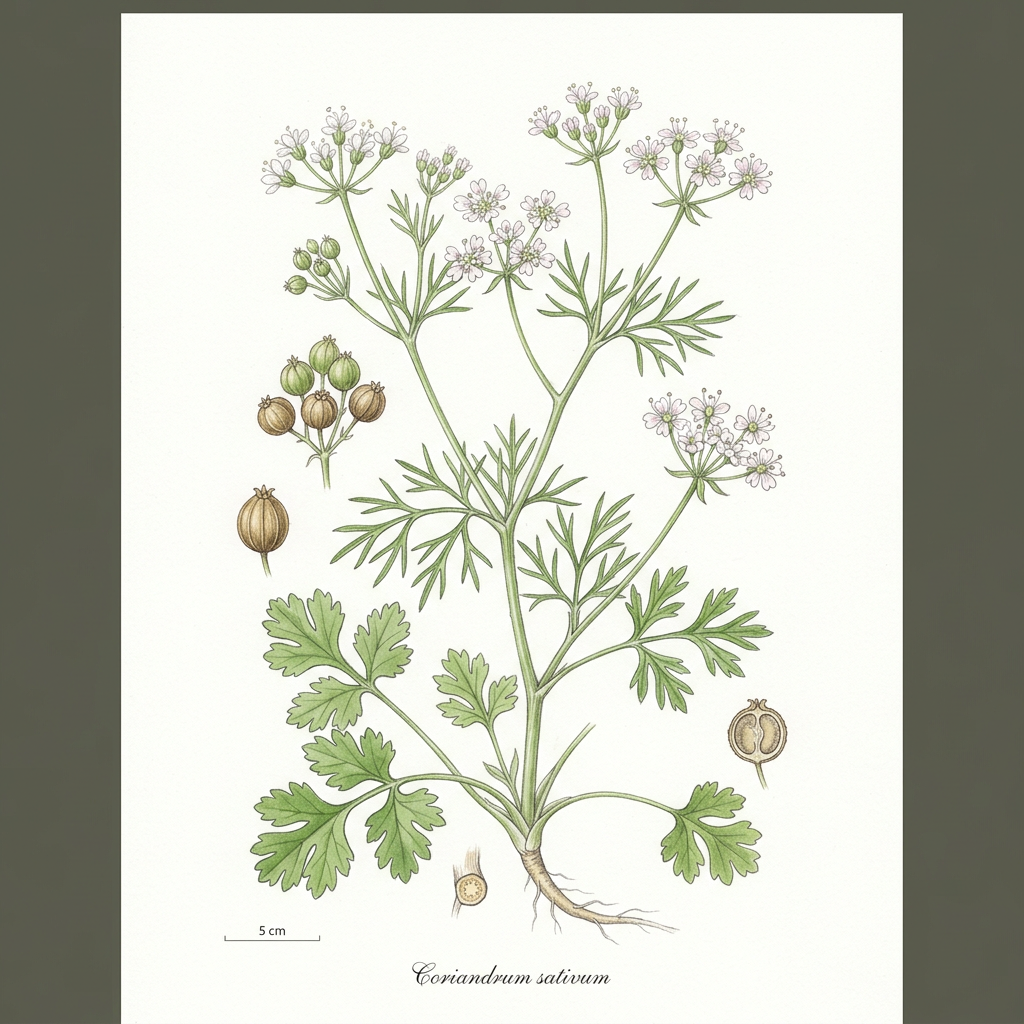
Coriander

Coriander

Coriandrum sativum

low risk Risk
Apiaceae
cooling and aromatic
<p>**Coriander** *Scientific Name: Coriandrum sativum* Coriander is a versatile herb native to regions spanning from southern Europe to northern Africa and western Asia. Known for its feathery green leaves and aromatic seeds, it has a rich history in traditional herbal medicine, dating back thousands of years. Ancient civilizations, including the Egyptians and Romans, utilized coriander not only as a culinary spice but also for its numerous health benefits. In traditional Ayurvedic and Chinese medicinal practices, coriander is revered for its ability to enhance digestion and support overall vitality, reflecting its significance in both culinary and therapeutic contexts. The key therapeutic properties of coriander are attributed primarily to its bioactive compounds, including essential oils, flavonoids, and polyphenols. Coriander is recognized as an AMPK-activator, which plays a vital role in regulating energy balance and metabolism. Its anti-inflammatory properties help combat oxidative stress, thereby promoting overall health. Additionally, coriander has garnered attention for its potential to support blood sugar regulation, making it a valuable addition for individuals seeking to manage their glucose levels. Furthermore, coriander serves as a digestive aid, helping to alleviate gastrointestinal discomfort and promote digestive health through its mild carminative effects. Mechanistically, coriander influences various pathways within the body, contributing to its broad range of benefits. By activating AMP-activated protein kinase (AMPK), it encourages the body’s cells to utilize glucose more effectively, which can be particularly advantageous for individuals dealing with insulin sensitivity. The anti-inflammatory actions of coriander are likely mediated through the modulation of inflammatory cytokines and enzymes, reducing the risk of chronic diseases associated with inflammation. Additionally, the herb’s essential oils aid in stimulating digestive enzymes and bile production, facilitating the breakdown of fats and enhancing nutrient absorption. Thus, coriander stands out not only as a flavorful culinary herb but also as a potent ally in holistic health practices.</p>

Uses & Conditions

Digestive Aid
Cognitive Support
Dyspepsia
Anxiety
Irritable Bowel Syndrome (IBS)
Bloating
Metabolic Syndrome
Inflammation

Actions

Anti-inflammatory
Antibacterial
Antifungal
AMPK Activator
NFkB Inhibitor
TNF-a Reduction

Parts Used

Aerial parts

Native Countries

Asia & Mediterranean

USDA Hardiness Zones

USDA 3-11

Contraindications

  • Known allergy or hypersensitivity to the Apiaceae family (e.g. anise, caraway, fennel, or celery)
  • Pregnancy: avoid high therapeutic doses
  • Breastfeeding: avoid use in amounts exceeding standard culinary intake
  • Scheduled surgery: discontinue use at least two weeks prior to surgery
  • Severe biliary obstruction: consult a professional before use

Potential Side Effects

  • High doses may lower blood pressure

Interactions

  • Antidiabetic medications: potential additive effect on blood glucose levels requiring monitoring
  • Antihypertensive drugs: theoretical risk of hypotension
  • Sedatives and CNS depressants: potential synergy with essential oil constituents
  • Anticoagulants and antiplatelet drugs: theoretical risk due to potential impact on blood clotting factors

Dosages, tincture ratios & research — members only

Unlock Garreth's dosing guidance, tincture ratios, the dosage calculator and the research studies for Coriander.

Your assessment and results stay saved — upgrading only unlocks more of them.

See membership plans

Community Photos

No community photos yet. Sign in to upload photos.

Reviews & Ratings

Sign in to leave a review.

No reviews yet. Be the first!

GF

Garreth Falls — B.Th., Dip. H.M., MNIMH

Content curated and reviewed by Garreth Falls, Consultant Medical Herbalist · The Wild Sage

Medical Disclaimer: This information is for educational purposes only and is not intended as medical advice. Always consult with qualified healthcare professionals before starting any herbal treatment.
Western tradition
Ayurvedic tradition
Chinese tradition

Sustainability & quality

Abundant

Widely available and easily grown; choose organic sources to avoid pesticide residues on seed or leaf harvests.

Key constituents

Anti-inflammatory, Essential oils, Digestive enzymes, Pinene

References

  1. EMA/HMPC Community Herbal Monograph
  2. Bensky "Chinese Herbal Medicine: Materia Medica" 3rd ed. 2004
  3. Pole "Ayurvedic Medicine" 2006
  4. Herbal Reality. Herb monographs. herbalreality.com

Reviewed by Garreth, Medical Herbalist (MNIMH) · October 2026

Related conditions

Explore conditions where Coriander is traditionally used.

Related Herbs
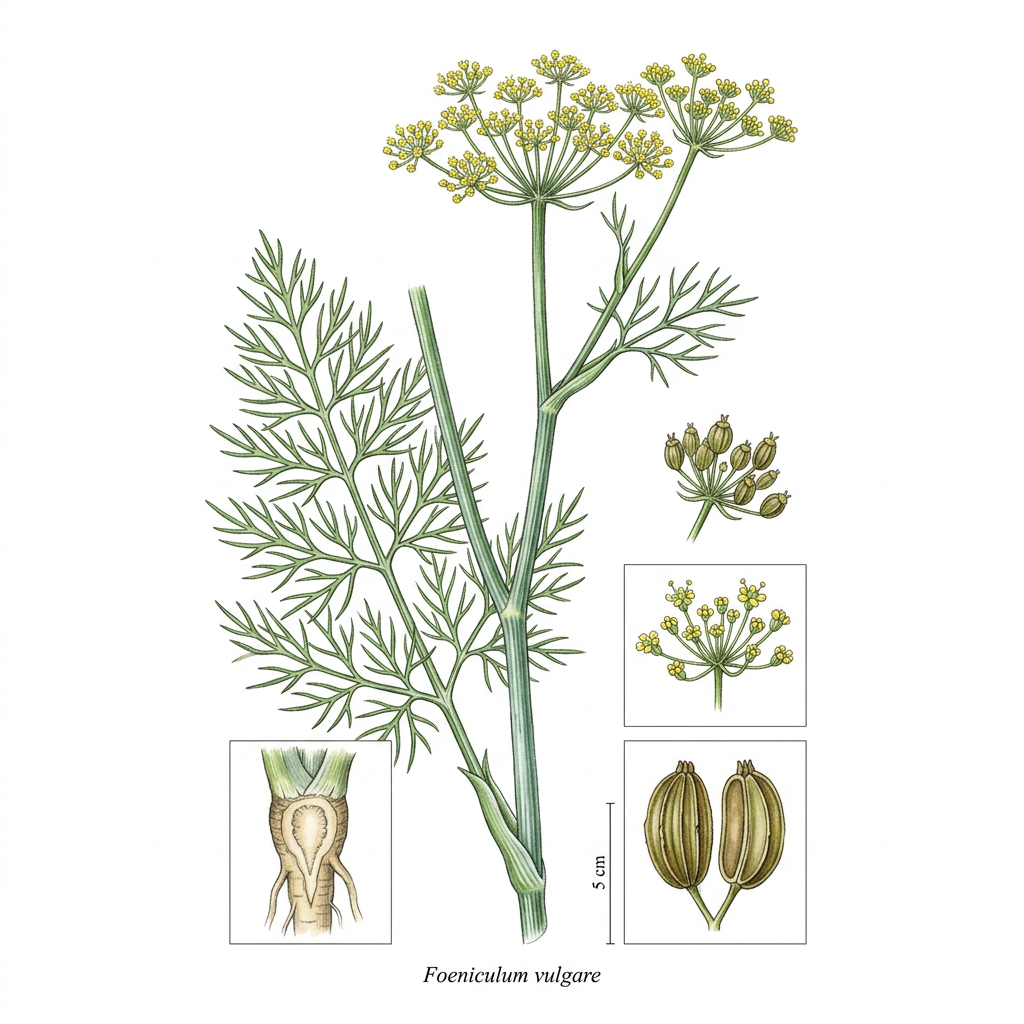
Fennel

Fennel

Foeniculum vulgare

Digestive Aid
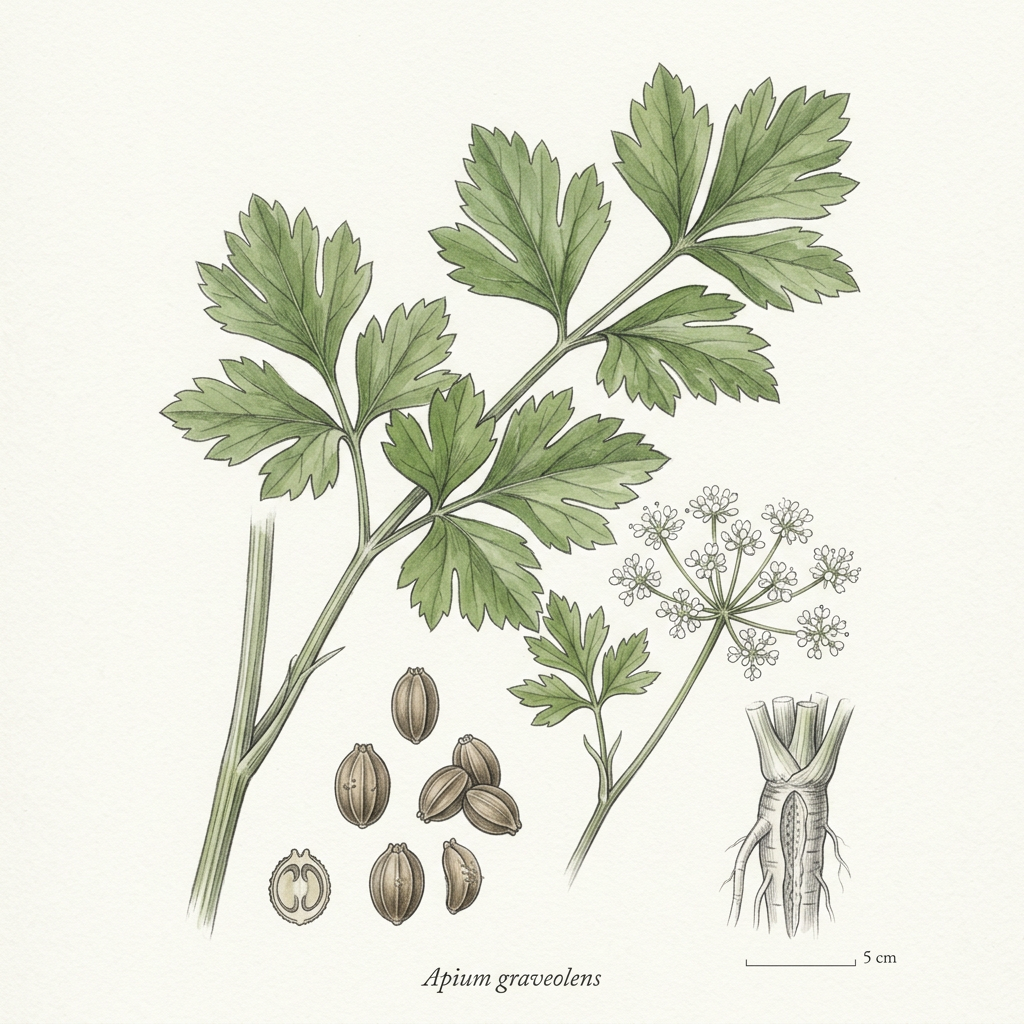
Celery Seed

Celery Seed

Apium graveolens

Digestive Aid
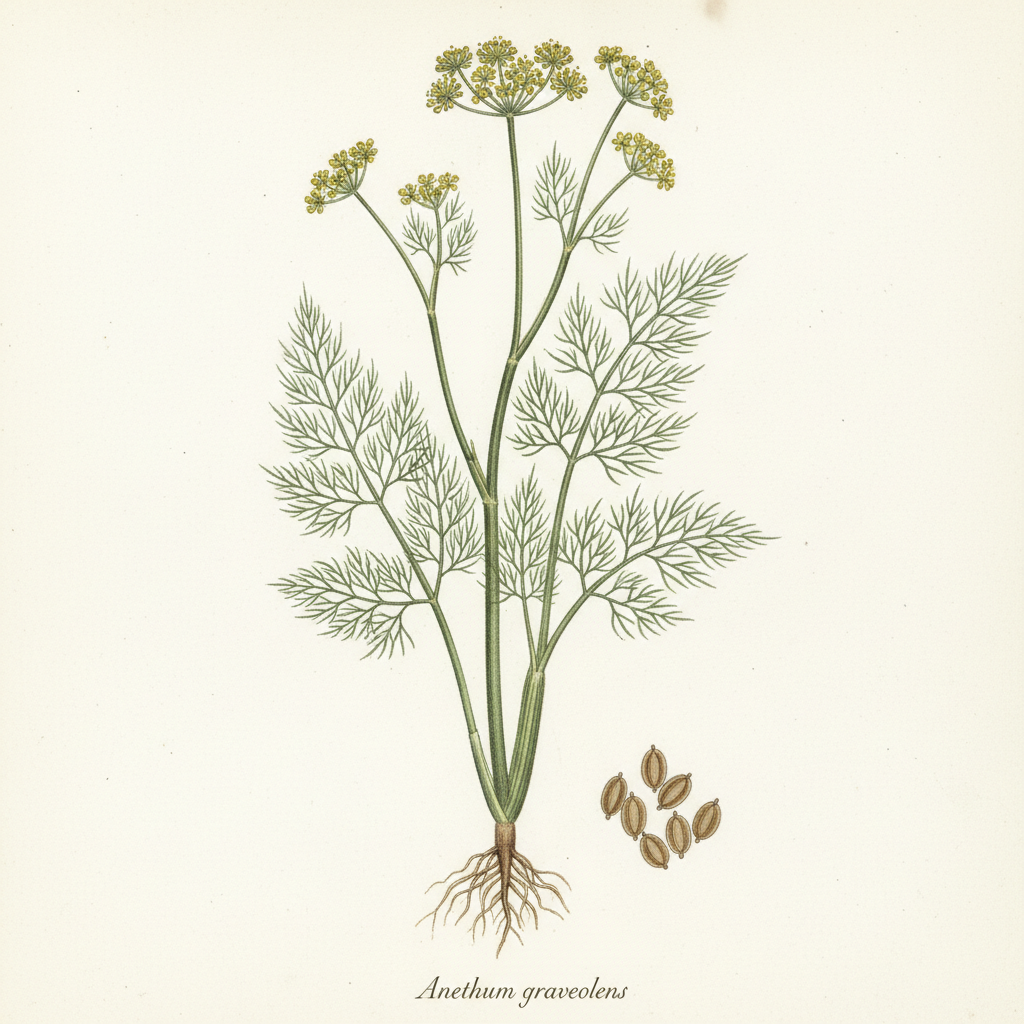
Dill

Dill

Anethum graveolens

Lactation Support
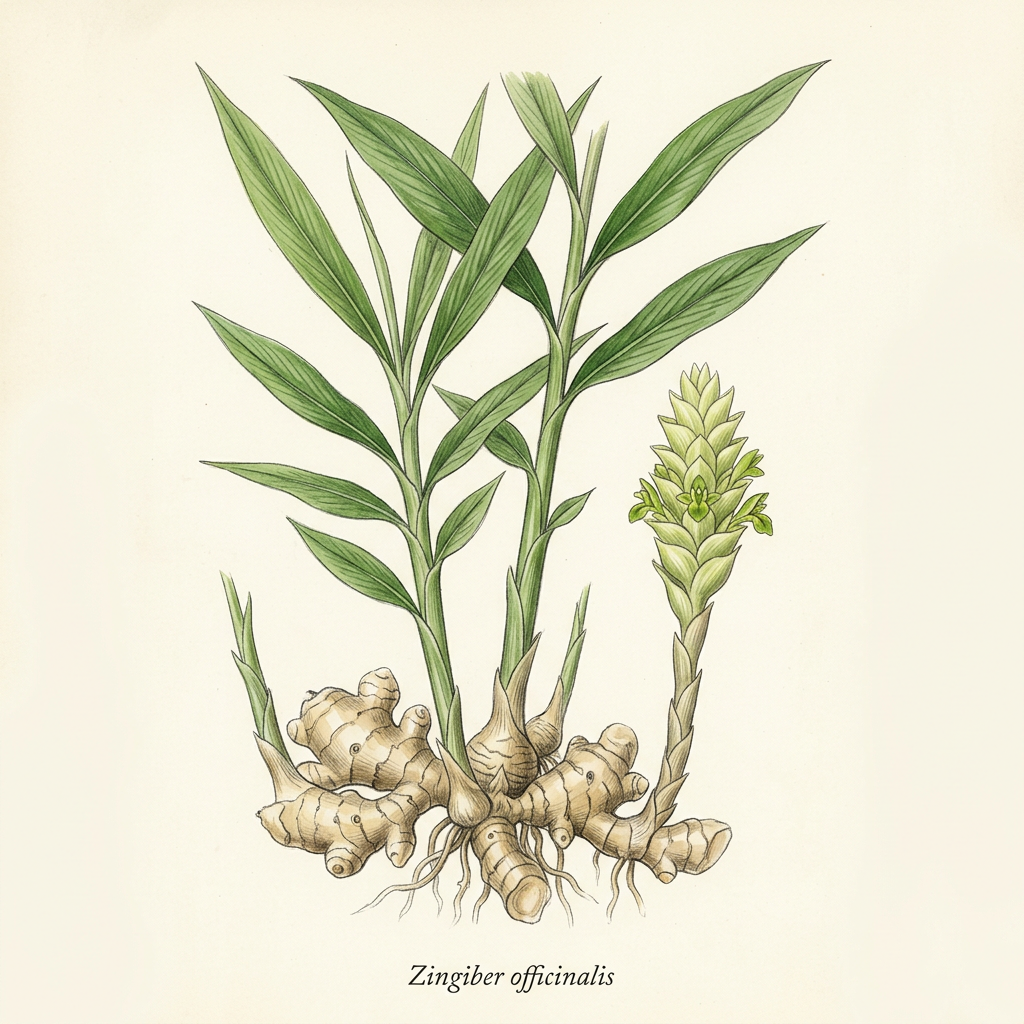
Ginger

Ginger

Zingiber officinale

Digestive Aid