The Wild Sage logo
The Wild Sage Logo

Herbal Medicine at your fingertips

Comprehensive database of herbal remedies with detailed safety information and traditional uses

New to herbal terms? Read the glossary →
ADHD
Abcess
Acid Reflux Relief
Acinetobacter
Acne
Acne Vulgaris
Addisons
Adenomyosis
Adenovirus
Adrenal fatigue
Aging
Aids
Alcaligenes faecalis
Alcoholism
Allergic Rhinitis
Allergies
Allergy
Alopoecia
Alopoecia nervosa
Alzheimer's, Dementia & Cognitive Decline
420 herbs found
Important: This information is for educational purposes only. Always consult with qualified healthcare professionals before using herbal remedies, especially if you have existing health conditions or take medications.
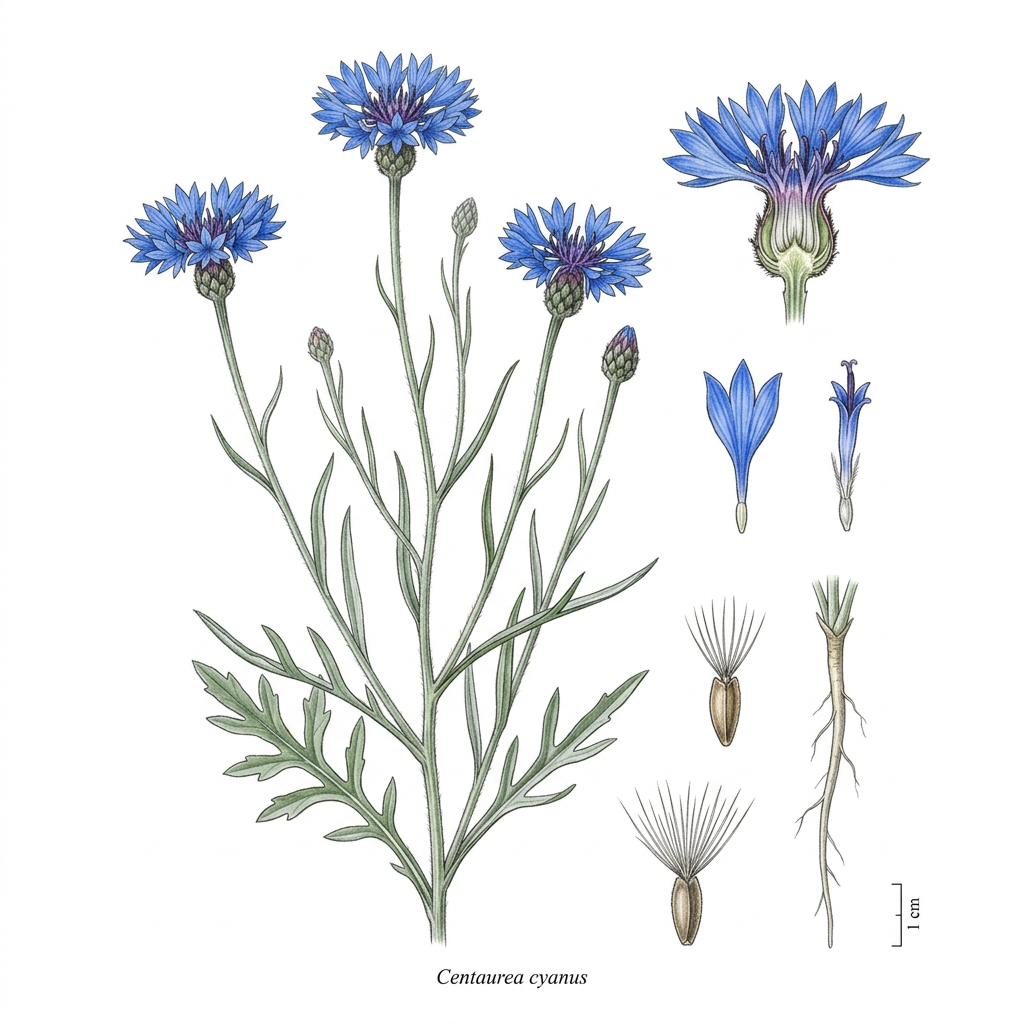
Cornflower

Cornflower

Centaurea cyanus

low risk Risk
Asteraceae
symbol of love and hope.
<p>Cornflower, scientifically known as Centaurea cyanus, is an enchanting flowering plant native to Europe and parts of Asia, often cherished for its vibrant blue blossoms. Historically, this herb has held a significant place in traditional herbal medicine, where it has been used for centuries to address a variety of health concerns. Known as a symbol of love and hope in folklore, its petals were often employed in herbal infusions and tinctures, valued not only for their aesthetic appeal but also for their therapeutic properties. In addition to its medicinal uses, cornflower has been a staple in traditional agriculture, where it was often sown among cereal crops to attract beneficial insects and mitigate pests. The therapeutic benefits of cornflower are manifold, making it a remarkable herb in both herbalist practices and modern herbal medicine. Its primary action is anti-inflammatory, which provides relief from conditions such as conjunctivitis and other inflammatory eye disorders. Cornflower is often utilized in herbal teas and topical preparations to soothe irritated skin and promote healing. Furthermore, it is known for its mild diuretic properties, which can aid in flushing out toxins and reducing water retention, thereby supporting overall kidney health. Its gentle sedative effects also lend themselves to promoting relaxation and aiding in mild digestive disturbances. Cornflower's therapeutic actions can be attributed to its rich array of bioactive compounds, including flavonoids, phenolic acids, and essential oils. These constituents work in harmony to modulate the body's inflammatory processes, suggesting a potential mechanism by which the herb alleviates discomfort and promotes healing. When consumed, the phytochemicals in cornflower may inhibit the production of pro-inflammatory cytokines, thereby reducing inflammation. Additionally, the flower’s soothing properties have been found to promote an overall sense of well-being, making it a versatile addition to any herbal apothecary. As research into its benefits continues to evolve, cornflower stands out not only for its traditional applications but also for emerging insights into its role in holistic health.</p>

Uses & Conditions

Digestive health
Skin irritation
Urinary tract infections
Edema
Renal calculi
Conjunctivitis
Menstrual support

Actions

Anti-inflammatory
Diuretic
Sedative
Antimicrobial
NFkB inhibitor
TNF-a reduction

Parts Used

Flower

Native Countries

Europe

USDA Hardiness Zones

USDA 3-10

Contraindications

  • Allergy to Asteraceae family
  • Pregnancy
  • Epilepsy

Potential Side Effects

  • Rare allergic reactions in individuals with hypersensitivity to the Asteraceae family
  • Mild gastrointestinal irritation if taken in excessive quantities
  • Potential skin sensitisation if used topically on broken or highly reactive skin

Interactions

  • Diuretics: may potentiate the effects of prescription diuretics, increasing the risk of electrolyte imbalance
  • Use caution if taking multiple prescription medications concurrently due to limited formal study

Dosages, tincture ratios & research — members only

Unlock Garreth's dosing guidance, tincture ratios, the dosage calculator and the research studies for Cornflower.

Your assessment and results stay saved — upgrading only unlocks more of them.

See membership plans

Community Photos

No community photos yet. Sign in to upload photos.

Reviews & Ratings

Sign in to leave a review.

No reviews yet. Be the first!

GF

Garreth Falls — B.Th., Dip. H.M., MNIMH

Content curated and reviewed by Garreth Falls, Consultant Medical Herbalist · The Wild Sage

Medical Disclaimer: This information is for educational purposes only and is not intended as medical advice. Always consult with qualified healthcare professionals before starting any herbal treatment.
Western tradition

Sustainability & quality

Abundant

Common wildflower; ensure wild-harvesting does not deplete local meadows and avoid pesticide-treated field margins.

Key constituents

Anti-inflammatory, flavonoids, Glycosides, phenolic acids

References

  1. British Herbal Pharmacopoeia 1983
  2. Herbal Reality. Herb monographs. herbalreality.com

Reviewed by Garreth, Medical Herbalist (MNIMH) · October 2026

Related conditions

Explore conditions where Cornflower is traditionally used.

Related Herbs
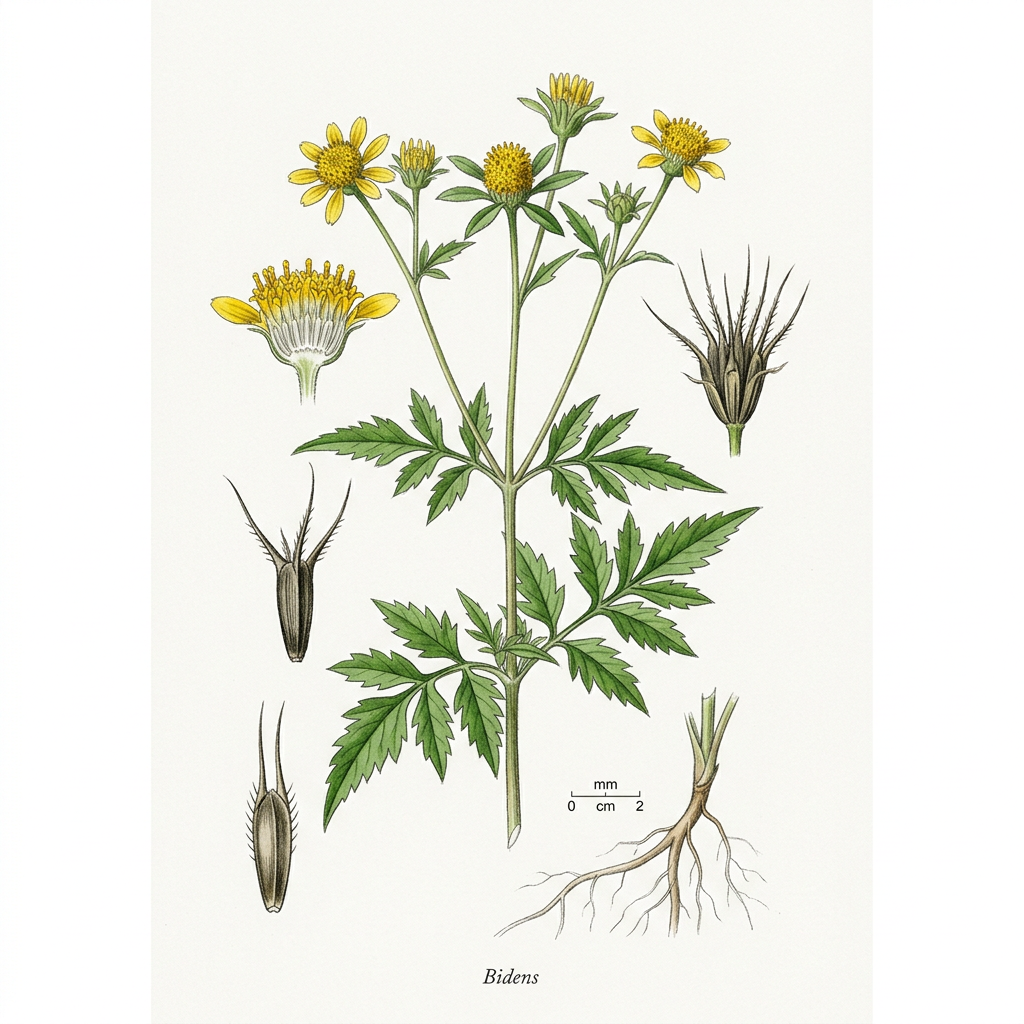
Bidens

Bidens

Bidens pilosa

Systemic Infection Support
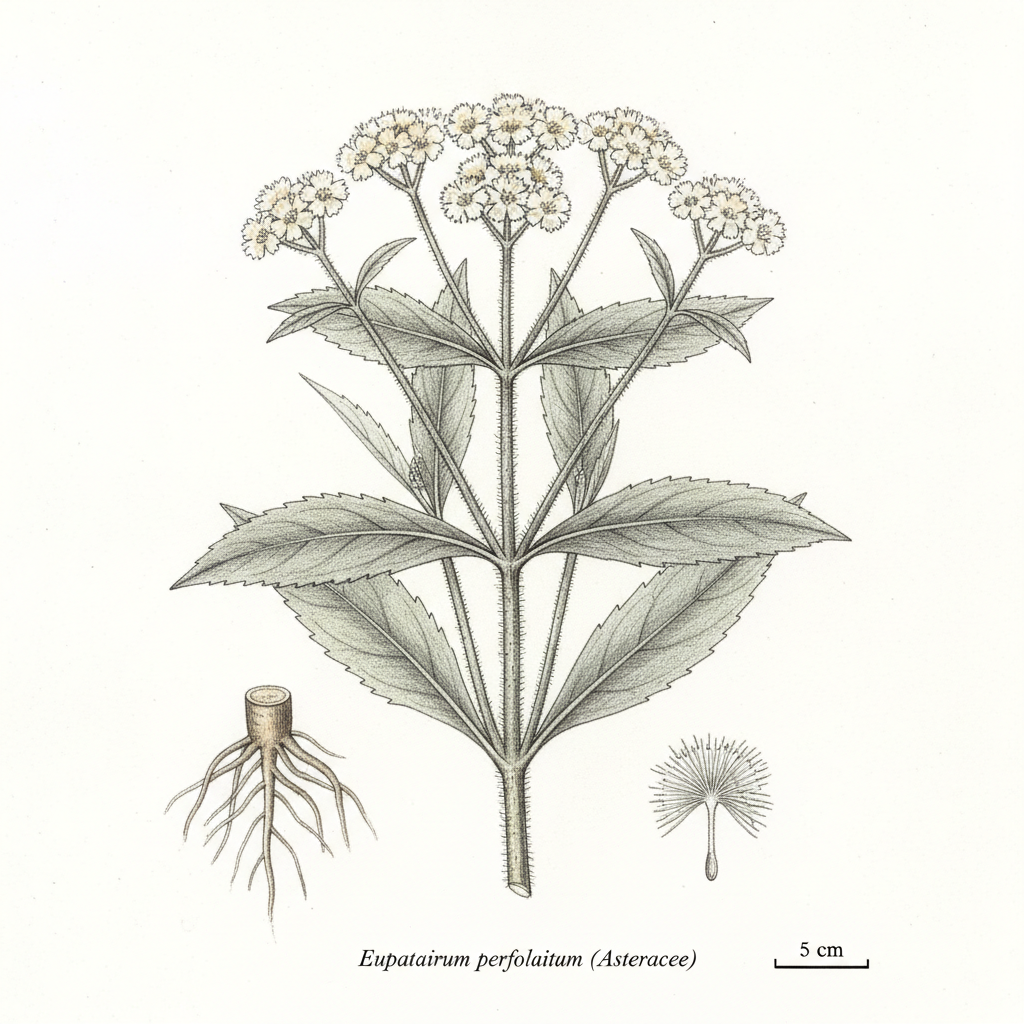
Boneset

Boneset

Eupatorium perfoliatum

Seasonal Sickness Support
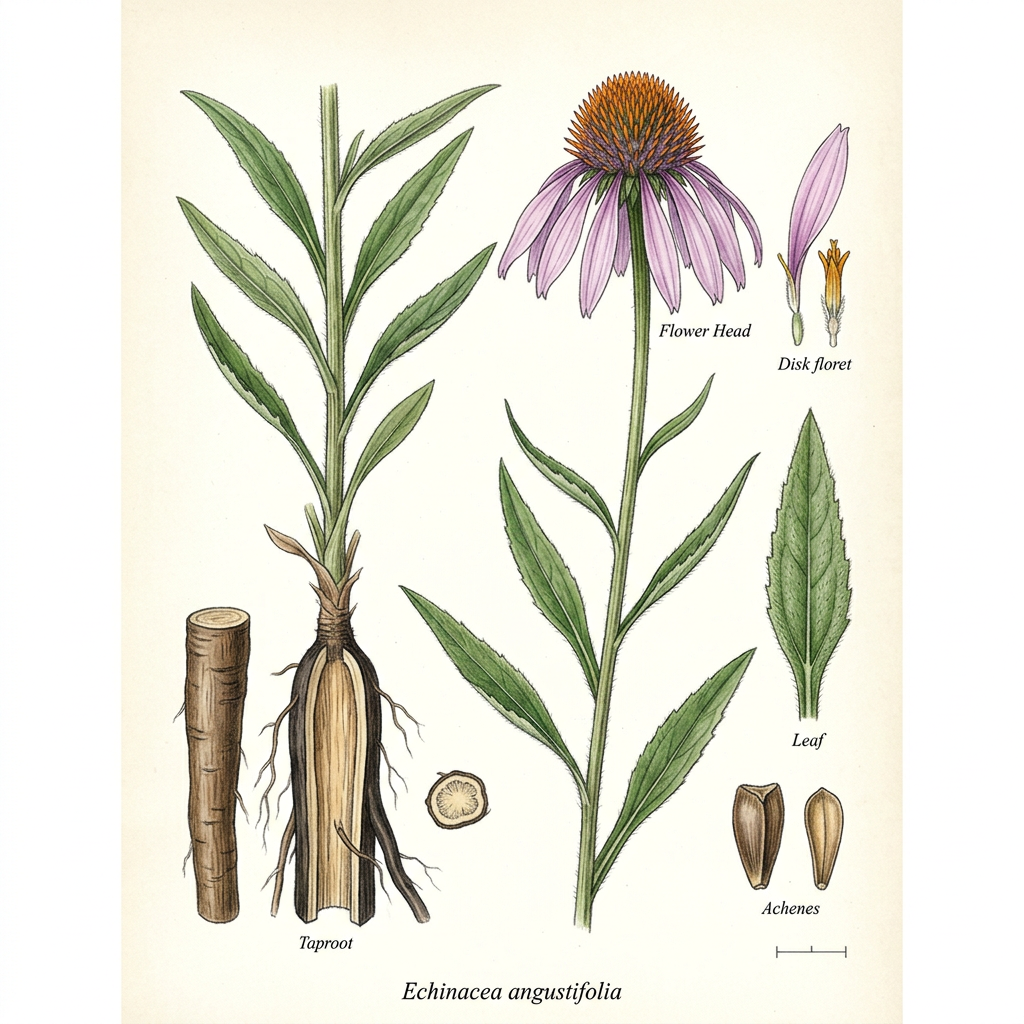
Echinacea angustifolia

Echinacea angustifolia
Echinacea angustifolia

Immune System Support
Marigold

Marigold

Calendula officinalis

Lymphatic Support