The Wild Sage logo
The Wild Sage Logo

Herbal Medicine at your fingertips

Comprehensive database of herbal remedies with detailed safety information and traditional uses

New to herbal terms? Read the glossary →
ADHD
Abcess
Acid Reflux Relief
Acinetobacter
Acne
Acne Vulgaris
Addisons
Adenomyosis
Adenovirus
Adrenal fatigue
Aging
Aids
Alcaligenes faecalis
Alcoholism
Allergic Rhinitis
Allergies
Allergy
Alopoecia
Alopoecia nervosa
Alzheimer's, Dementia & Cognitive Decline
420 herbs found
Important: This information is for educational purposes only. Always consult with qualified healthcare professionals before using herbal remedies, especially if you have existing health conditions or take medications.
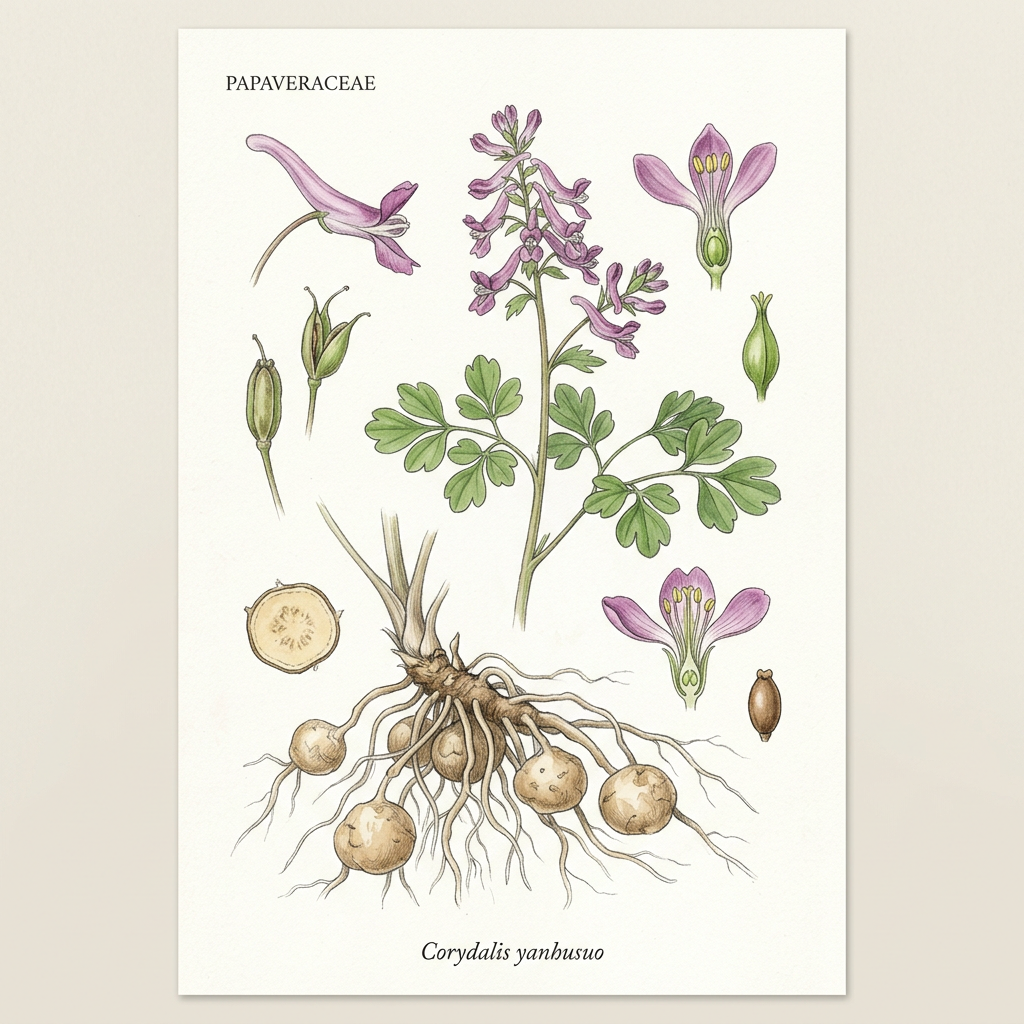
Corydalis

Corydalis

Corydalis yanhusuo

moderate risk Risk
Papaveraceae
<p>Corydalis (Corydalis yanhusuo) is a herb with a rich history in traditional Chinese medicine (TCM), where it has been utilized for centuries as a potent remedy for pain relief and other health concerns. Known for its striking yellowish flowers and delicate, fern-like leaves, Corydalis is native to the mountainous regions of East Asia, particularly China. In TCM, it is often referred to as “Yan Hu Suo” and is classified as a pain-relieving herb, traditionally employed to alleviate various forms of discomfort, such as abdominal pain, headaches, and menstrual cramps. Its notable reputation in ancient healing systems reflects a deep-rooted understanding of the plant’s therapeutic potential. The therapeutic properties of Corydalis are primarily attributed to its active compounds, including isoquinoline alkaloids such as dehydrocorybulbine (DHCB), which are believed to contribute significantly to its analgesic effects. Clinical studies have shown that Corydalis can modulate pain pathways, exhibiting both opioid-like effects and interactions with the body’s natural pain-relieving mechanisms. As a well-documented remedy for insomnia as well, its calming properties may stem from its ability to reduce pain and discomfort that can disrupt sleep. Additionally, Corydalis is thought to possess anti-inflammatory and antioxidant properties, making it a multi-faceted herb that could be beneficial in managing chronic pain conditions and enhancing overall well-being. Corydalis works in the body by influencing neurotransmitters and receptors involved in pain perception. Specifically, it has been shown to interact with the opioid receptors and inhibit the reuptake of certain neurotransmitters, promoting a state of relaxation and diminishing the sensation of pain. This dual action not only helps in alleviating physical discomfort but may also assist in alleviating the emotional stress associated with chronic pain, contributing to a more holistic approach to pain management. By harnessing the power of nature, Corydalis yanhusuo continues to be a valuable resource in modern herbal practices, offering a bridge between ancient wisdom and contemporary therapeutic applications.</p>

Uses & Conditions

Emotional Stress Relief
Pain Management
Pain
Dysmenorrhoea
Anxiety
Arrhythmia

Actions

Anodyne
Cardioprotective
Antispasmodic
Sedative
Circulatory Stimulant
Analgesic
Emmenagogue
Hypnotic
Antiviral
Nervine
Bitter
Antibacterial

Parts Used

Roots

Native Countries

Asia

USDA Hardiness Zones

USDA 3-9

Contraindications

  • Pregnancy and breastfeeding
  • Cardiac conditions including arrhythmias
  • Pre-operative care: discontinue at least two weeks prior to surgery
  • Existing liver or kidney impairment

Potential Side Effects

  • Mild gastrointestinal disturbances
  • Nausea
  • Abdominal discomfort
  • Dizziness
  • Lightheadedness
  • Transient sedation
  • Dry mouth
  • Altered taste perception

Interactions

  • Sedatives and CNS depressants: may potentiate benzodiazepines, barbiturates, or opioid analgesics
  • Anticoagulants and antiplatelet agents: theoretical risk of increased bleeding
  • Antihypertensive medication: may exert an additive hypotensive effect
  • Metabolized drugs: may influence CYP450 enzyme activity

Dosages, tincture ratios & research — members only

Unlock Garreth's dosing guidance, tincture ratios, the dosage calculator and the research studies for Corydalis.

Your assessment and results stay saved — upgrading only unlocks more of them.

See membership plans

Community Photos

No community photos yet. Sign in to upload photos.

Reviews & Ratings

Sign in to leave a review.

No reviews yet. Be the first!

GF

Garreth Falls — B.Th., Dip. H.M., MNIMH

Content curated and reviewed by Garreth Falls, Consultant Medical Herbalist · The Wild Sage

Medical Disclaimer: This information is for educational purposes only and is not intended as medical advice. Always consult with qualified healthcare professionals before starting any herbal treatment.
Chinese tradition

Sustainability & quality

At risk

Wild harvesting impacts sensitive habitats; cultivated material is preferred for conservation.

Key constituents

Corydalis alkaloids, Anti-inflammatory, Alkaloids, Berberine, Hydrastine

References

  1. Bensky "Chinese Herbal Medicine: Materia Medica" 3rd ed. 2004
  2. Herbal Reality. Herb monographs. herbalreality.com

Reviewed by Garreth, Medical Herbalist (MNIMH) · October 2026

Related conditions

Explore conditions where Corydalis is traditionally used.

Related Herbs
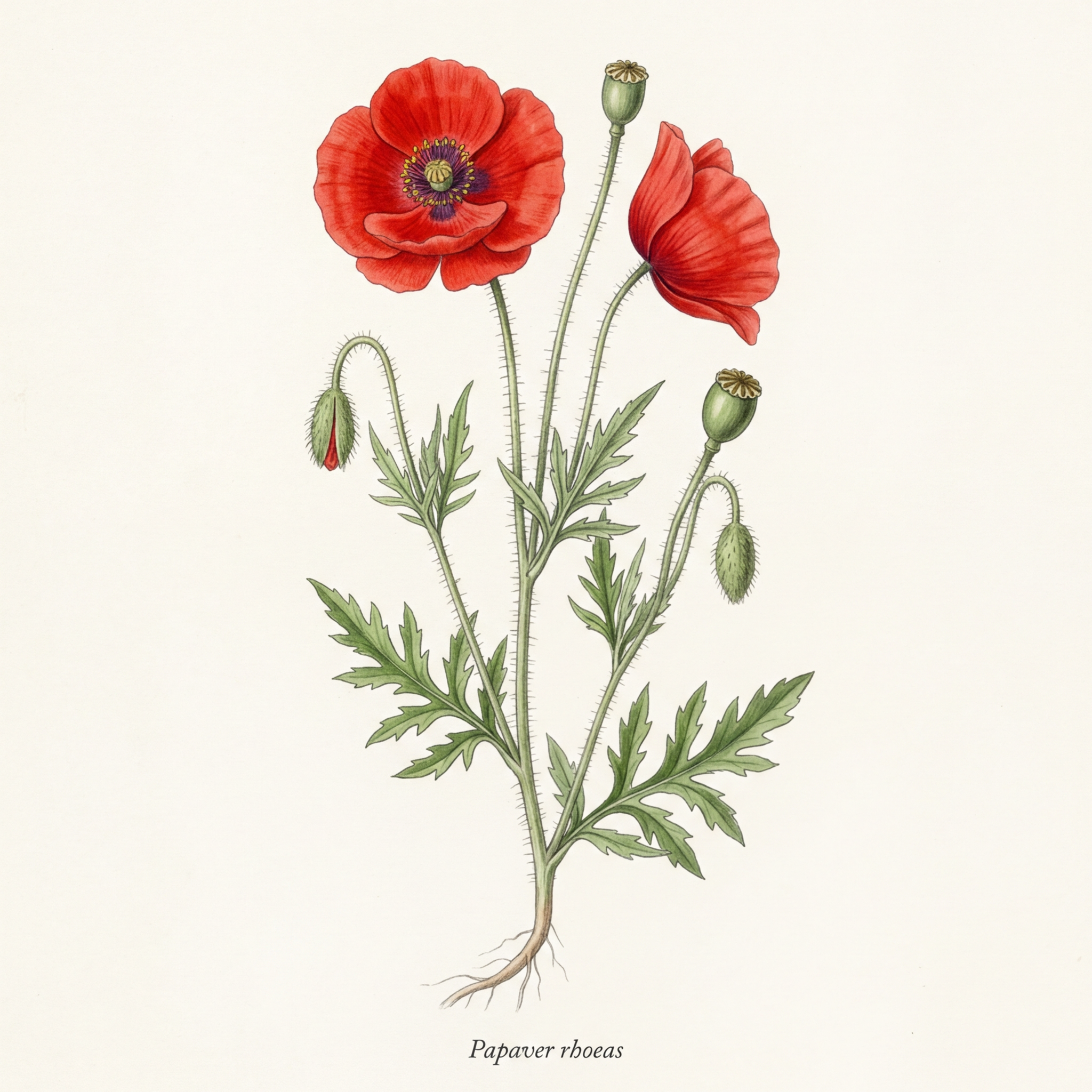
Red poppy

Red poppy

Papaver rhoeas

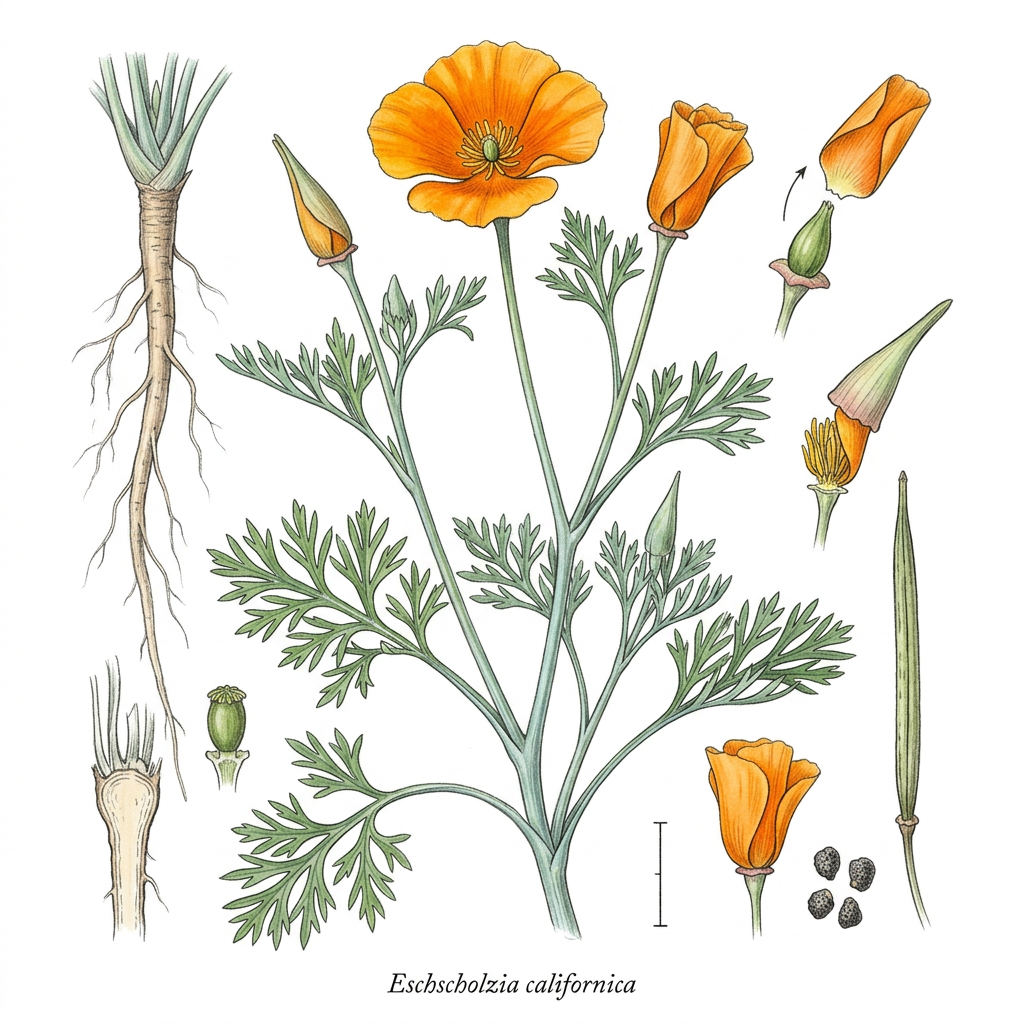
California Poppy

California Poppy

Eschscholzia californica
Nervous System Support
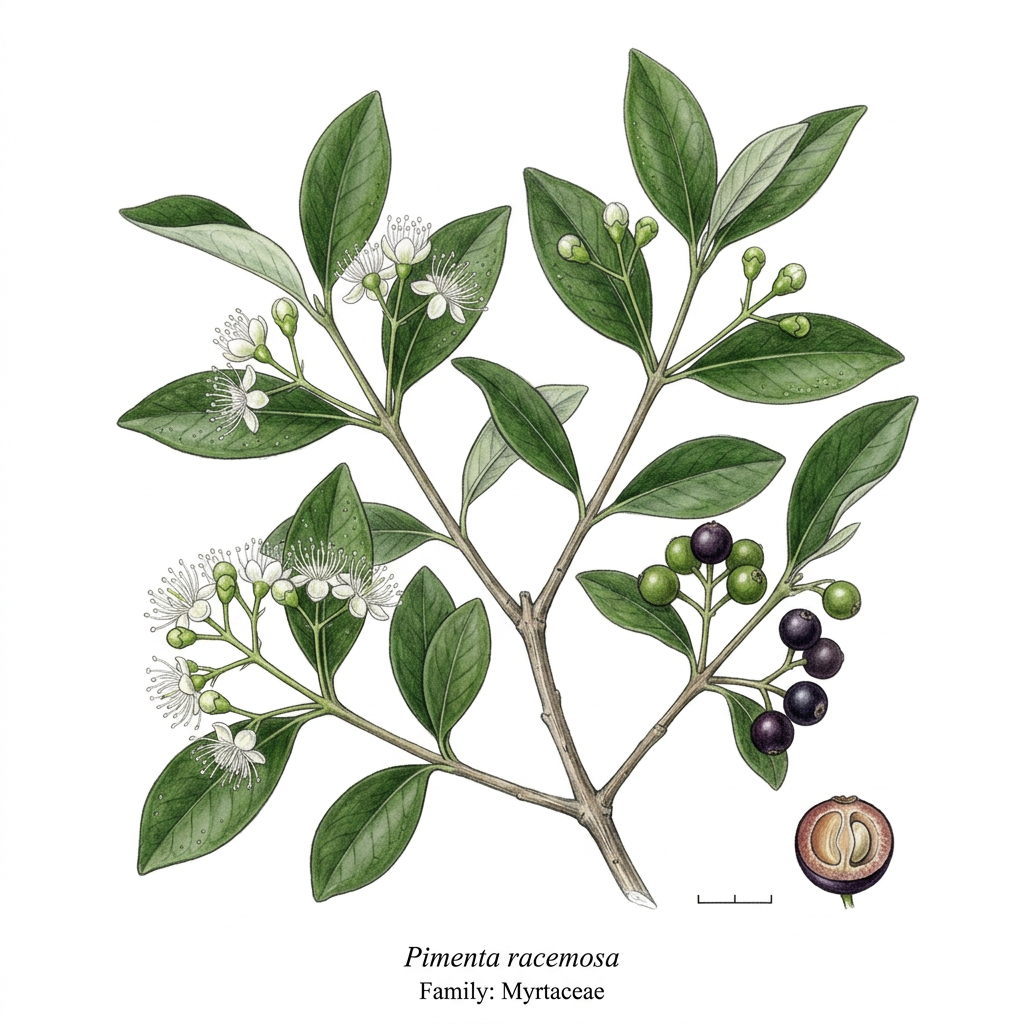
Bay rum

Bay rum

Pimenta racemosa

Appetite stimulation
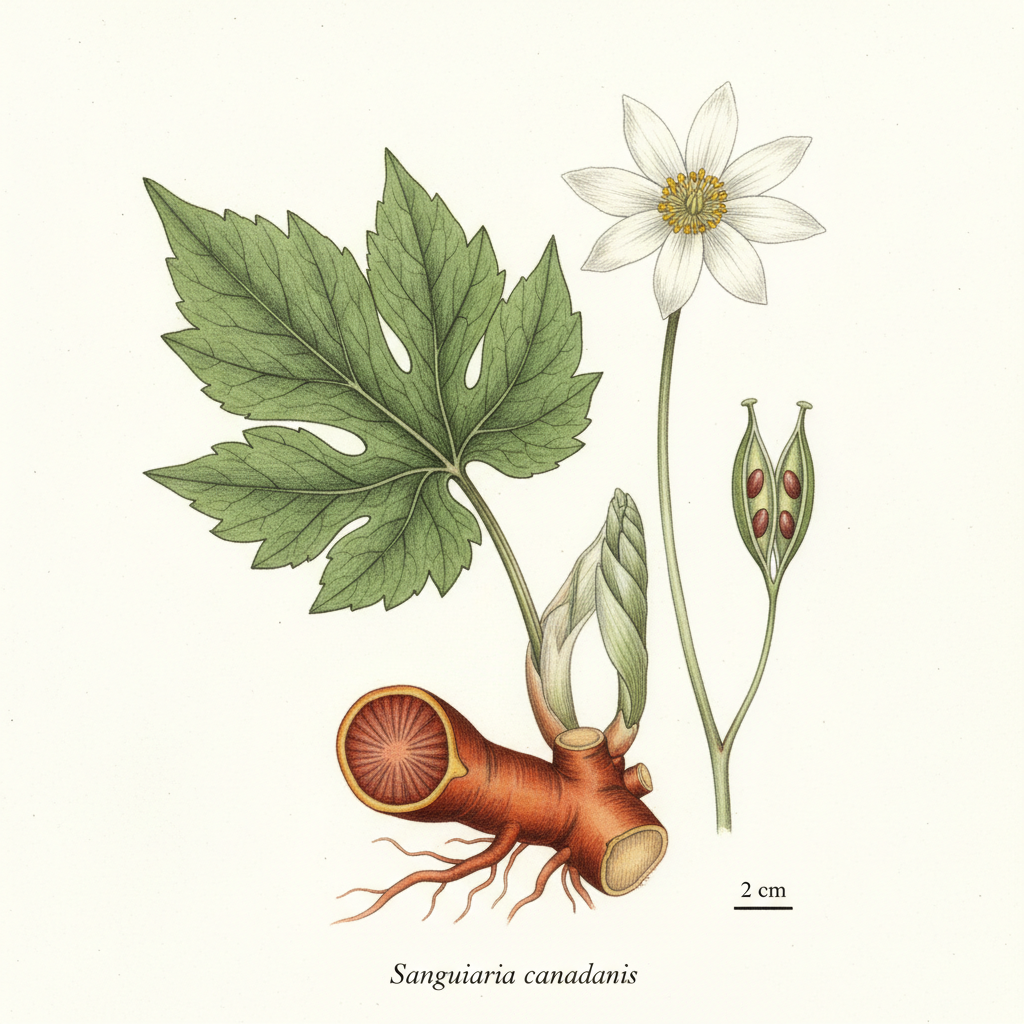
Blood root

Blood root

Sanguinaria canadensis

Immune Response Enhancement