The Wild Sage logo
The Wild Sage Logo

Herbal Medicine at your fingertips

Comprehensive database of herbal remedies with detailed safety information and traditional uses

New to herbal terms? Read the glossary →
ADHD
Abcess
Acid Reflux Relief
Acinetobacter
Acne
Acne Vulgaris
Addisons
Adenomyosis
Adenovirus
Adrenal fatigue
Aging
Aids
Alcaligenes faecalis
Alcoholism
Allergic Rhinitis
Allergies
Allergy
Alopoecia
Alopoecia nervosa
Alzheimer's, Dementia & Cognitive Decline
420 herbs found
Important: This information is for educational purposes only. Always consult with qualified healthcare professionals before using herbal remedies, especially if you have existing health conditions or take medications.
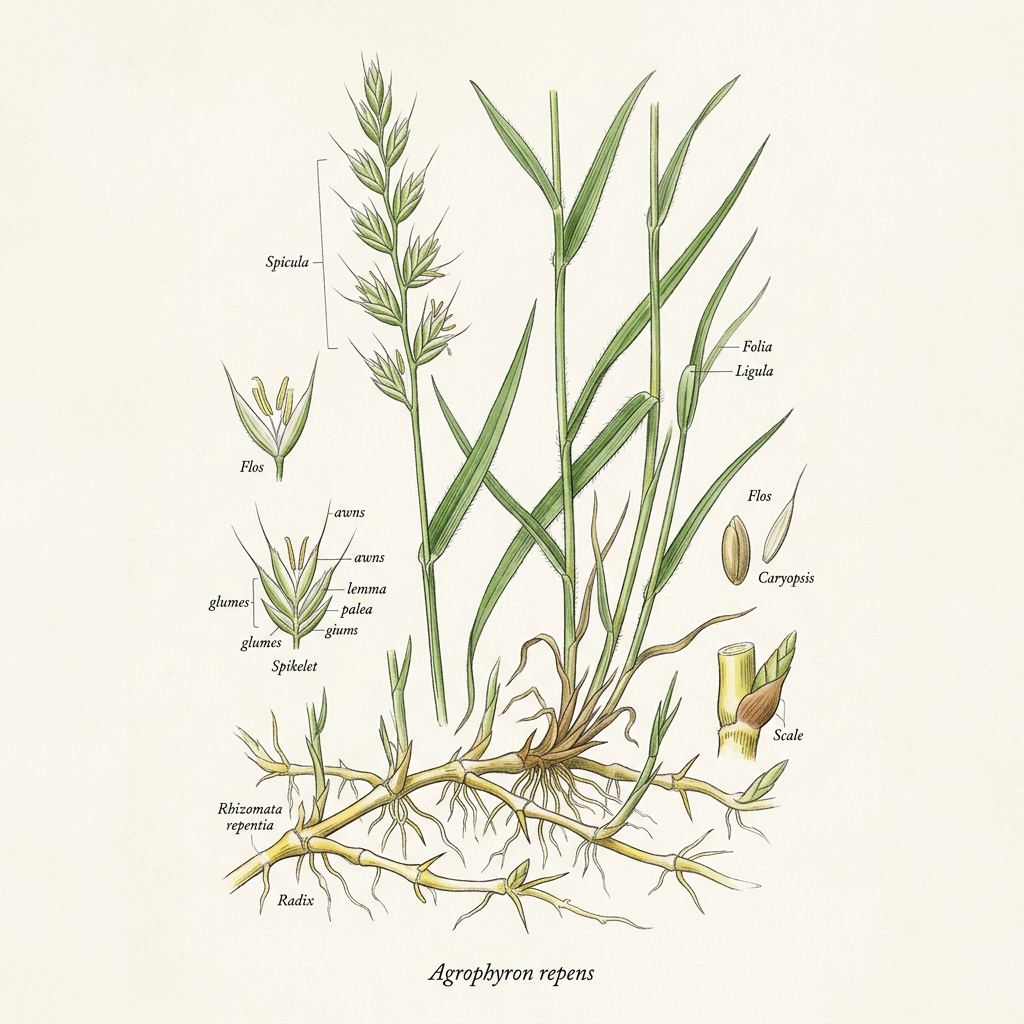
Couch Grass

Couch Grass

Elymus repens

low risk Risk
Poaceae
Cooling, moist and bitter
<p>Couch Grass, scientifically known as Agropyron repens, is a perennial herbaceous plant belonging to the Poaceae family, commonly found in temperate regions worldwide. Historically regarded as a valuable medicinal herb, Couch Grass has been utilized since ancient times for its therapeutic properties. Traditionally, it has been employed in various cultures for the treatment of urinary disorders, particularly for its soothing effects on the bladder and urinary tract. Folk medicine often highlighted its ability to manage kidney and bladder health, making it a staple in herbal remedies for those suffering from conditions such as cystitis and general urinary tract inflammation. The primary therapeutic attributes of Couch Grass stem from its prominent diuretic and anti-inflammatory actions. The herb contains a wealth of beneficial compounds, including polysaccharides, flavonoids, and organic acids, which contribute to its efficacy. By promoting urine production, Couch Grass assists in flushing out toxins and reducing inflammatory responses within the urinary system. Its mucilaginous qualities provide a soothing effect on the urinary tract lining, helping to alleviate irritation and discomfort associated with inflammation. Additionally, the herb is known for its potential to support kidney function, thus enhancing overall urinary health. Couch Grass operates within the body by interacting with the renal and urinary systems. Its diuretic effect encourages the kidneys to increase urine output, which not only aids in the removal of metabolic waste but also helps to dilute harmful pathogens that may be present in cases of infection. The anti-inflammatory properties help to reduce swelling and discomfort, providing relief from burning sensations commonly associated with urinary tract inflammation. This dual-action makes Couch Grass an essential herb in herbal medicine, particularly for individuals seeking a natural approach to support urinary health and alleviate irritation caused by cystitis and other related conditions.</p>

Uses & Conditions

Urinary Function Improvement
Pain Relief
Quality of Life Improvement
Urinary Tract Infections
Interstitial Cystitis
Chronic Pelvic Pain
Bladder Pain Syndrome
Cystitis
Kidney Health
Urinary Inflammation
Gout
Skin Complaints
Renal Congestion
Rheumatoid Arthritis
Renal Calculus
Kidney Stones
Haematuria

Actions

Urinary Anti-inflammatory
Diuretic

Synonyms

Couch grass
Elymus
Elytrigia rapens
Triticum repens
twitch-grass
Scotch Quelch
Quick grass
Dog-grass

Parts Used

Roots

Native Countries

Asia
Europe
North America

USDA Hardiness Zones

USDA 3-9

Contraindications

  • Pregnancy: Avoid due to lack of safety data
  • Breastfeeding: Avoid due to lack of safety data
  • Oedema: Do not use to treat swelling associated with impaired heart or kidney function without medical supervision
  • Severe kidney inflammation: Consult a medical practitioner before use if acute renal pathology is suspected

Potential Side Effects

  • Occasional mild gastrointestinal upset
  • Potential for electrolyte imbalance if used in excessive or prolonged doses

Interactions

  • Diuretic medications: May have an additive effect, potentially increasing potassium loss or dehydration
  • Lithium: Diuretic activity may alter renal clearance rates
  • Antihypertensive drugs: Potentially additive effects on blood pressure reduction

Dosages, tincture ratios & research — members only

Unlock Garreth's dosing guidance, tincture ratios, the dosage calculator and the research studies for Couch Grass.

Your assessment and results stay saved — upgrading only unlocks more of them.

See membership plans

Community Photos

No community photos yet. Sign in to upload photos.

Reviews & Ratings

Sign in to leave a review.

No reviews yet. Be the first!

GF

Garreth Falls — B.Th., Dip. H.M., MNIMH

Content curated and reviewed by Garreth Falls, Consultant Medical Herbalist · The Wild Sage

Medical Disclaimer: This information is for educational purposes only and is not intended as medical advice. Always consult with qualified healthcare professionals before starting any herbal treatment.
Western tradition

Sustainability & quality

Abundant

Regarded as a common garden weed. Easy to gather locally, ensuring it is collected away from chemical runoff.

Key constituents

Triticin (a fructosan), Mucilage, Agropyrene (a polyacetylene), Silicic acid, Mannitol, Inositol, Vanillic acid, Flavonoids

References

  1. ESCOP Monographs 2nd ed. 2003
  2. British Herbal Pharmacopoeia 1983
  3. Herbal Reality. Herb monographs. herbalreality.com

Reviewed by Garreth, Medical Herbalist (MNIMH) · October 2026

Related conditions

Explore conditions where Couch Grass is traditionally used.

Related Herbs
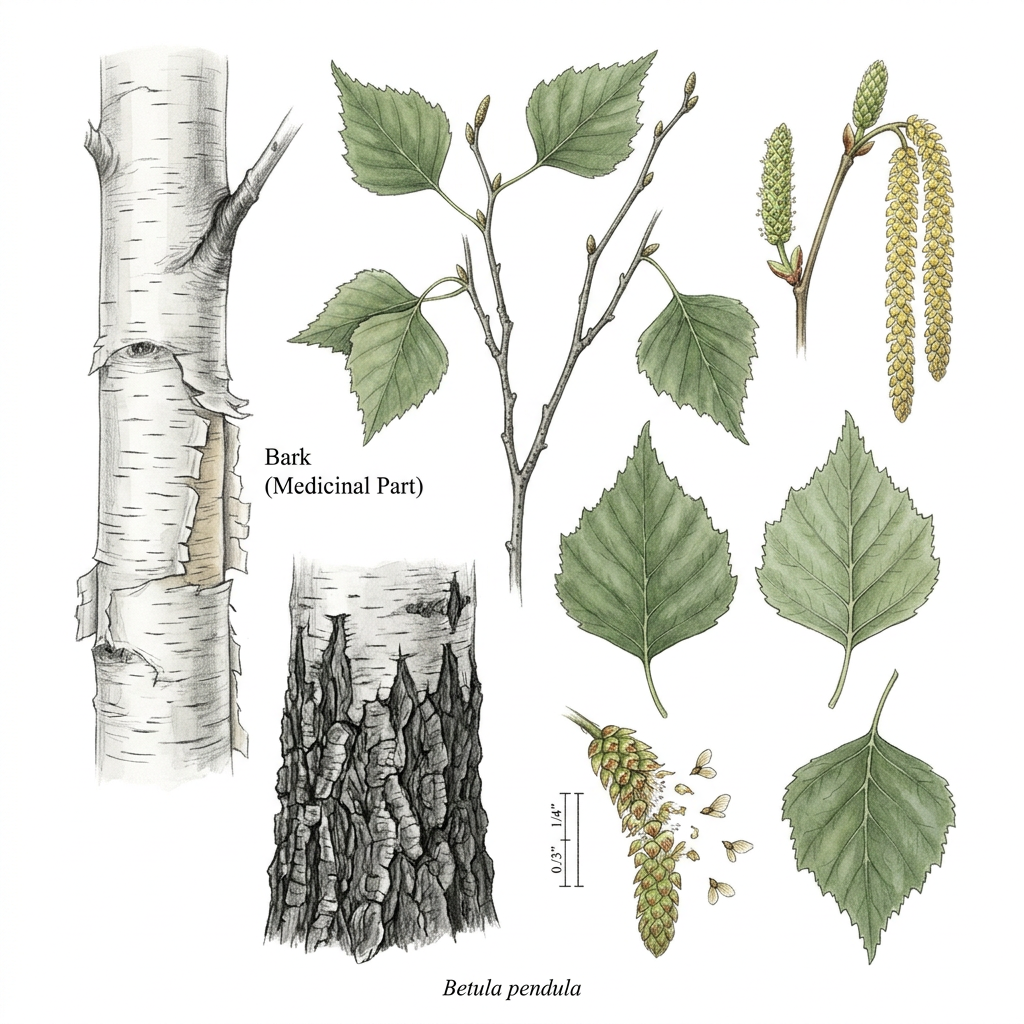
Birch

Birch

Betula pendula

Kidney Support
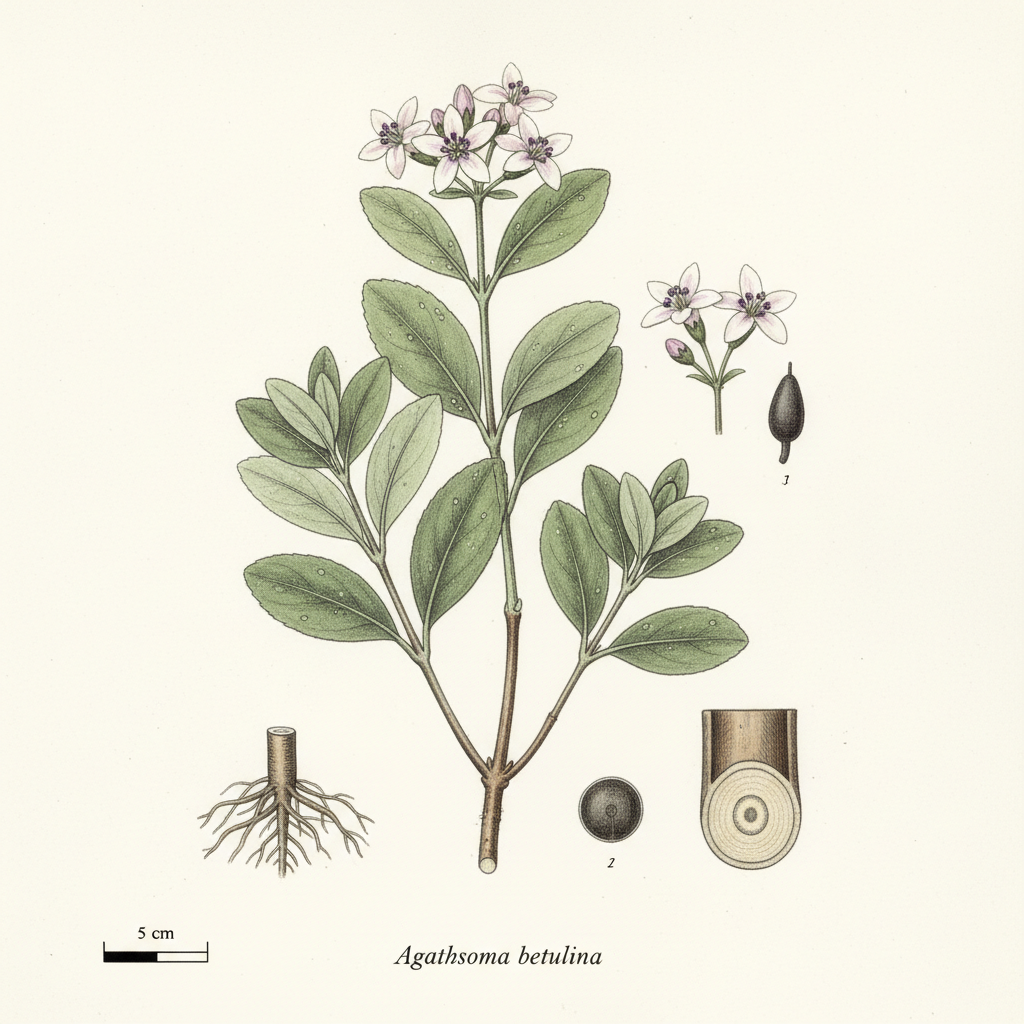
Buchu

Buchu

Agathosma betulina

Urinary Health Support
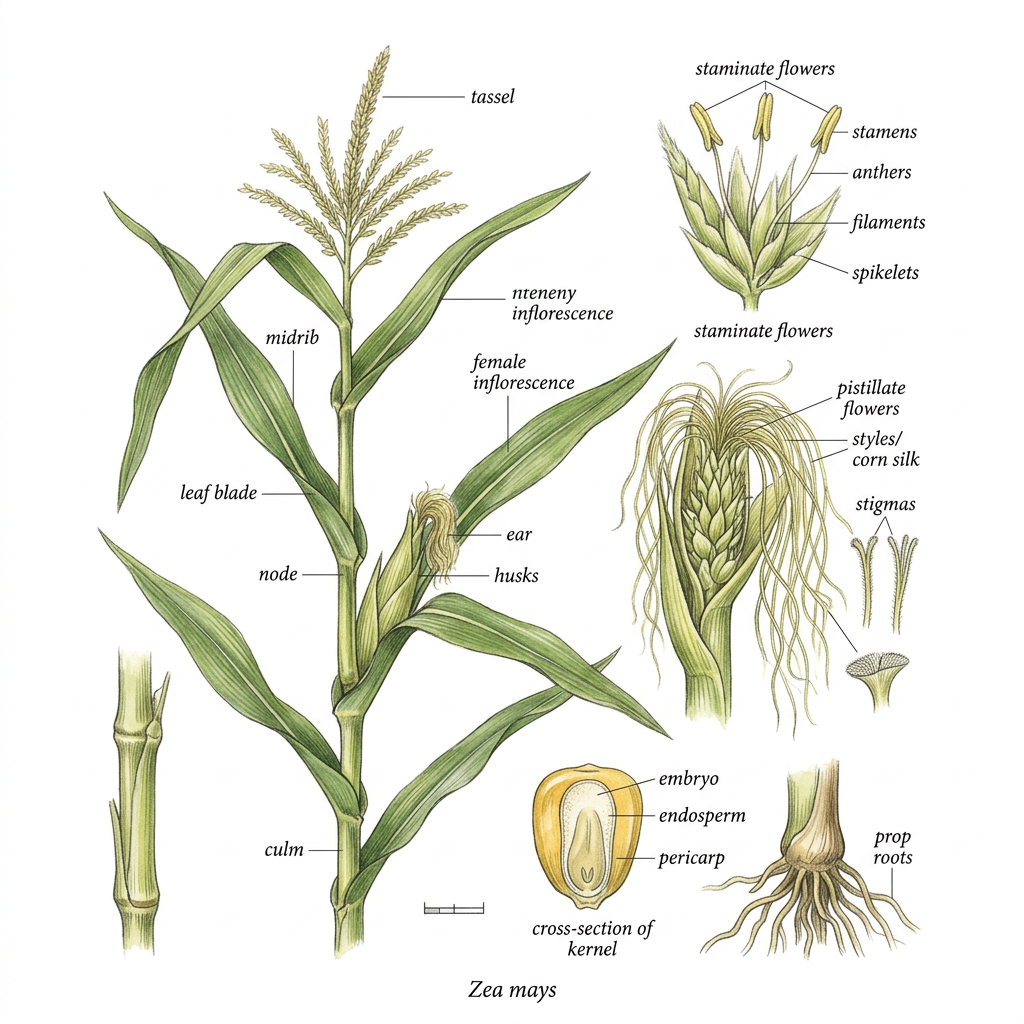
Corn Silk

Corn Silk

Zea mays

Fluid balance
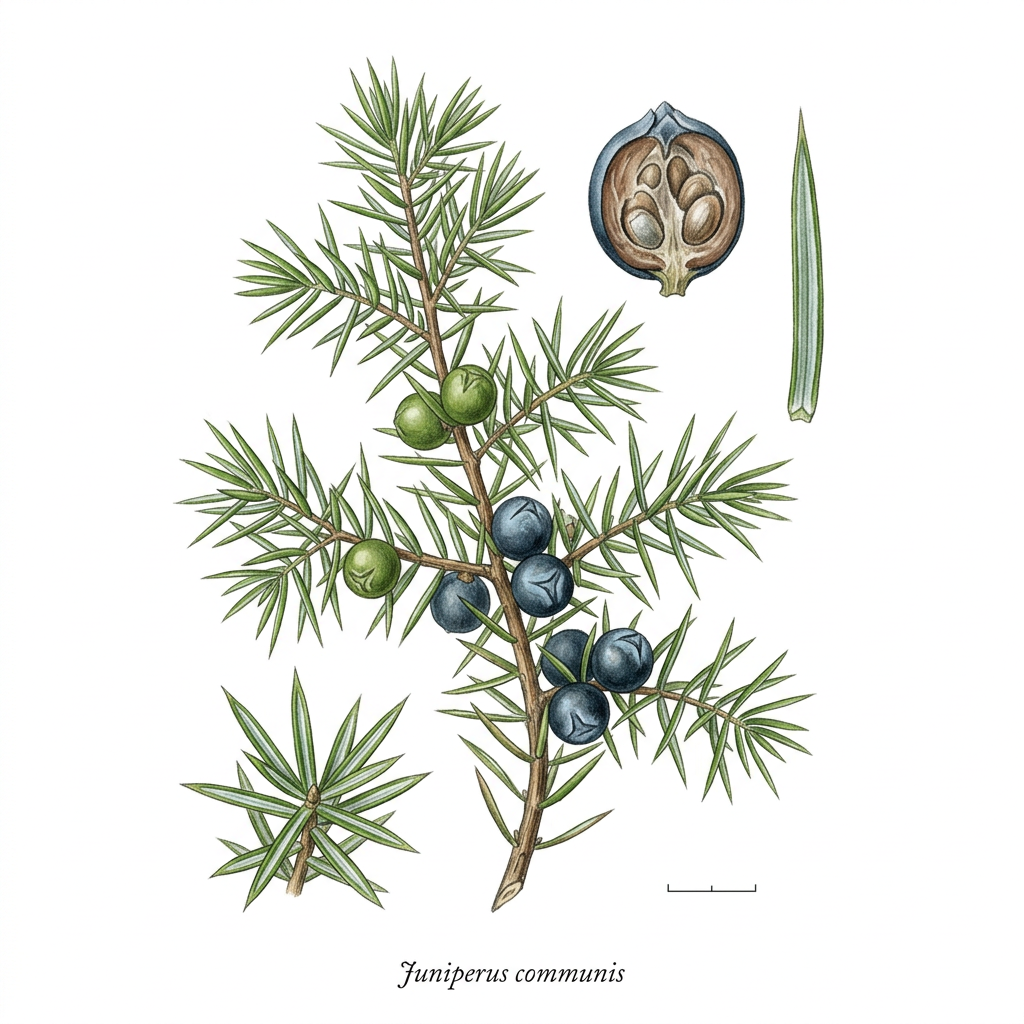
Juniper

Juniper

Juniperus communis

Urinary Tract Health