The Wild Sage logo
The Wild Sage Logo

Herbal Medicine at your fingertips

Comprehensive database of herbal remedies with detailed safety information and traditional uses

New to herbal terms? Read the glossary →
ADHD
Abcess
Acid Reflux Relief
Acinetobacter
Acne
Acne Vulgaris
Addisons
Adenomyosis
Adenovirus
Adrenal fatigue
Aging
Aids
Alcaligenes faecalis
Alcoholism
Allergic Rhinitis
Allergies
Allergy
Alopoecia
Alopoecia nervosa
Alzheimer's, Dementia & Cognitive Decline
420 herbs found
Important: This information is for educational purposes only. Always consult with qualified healthcare professionals before using herbal remedies, especially if you have existing health conditions or take medications.
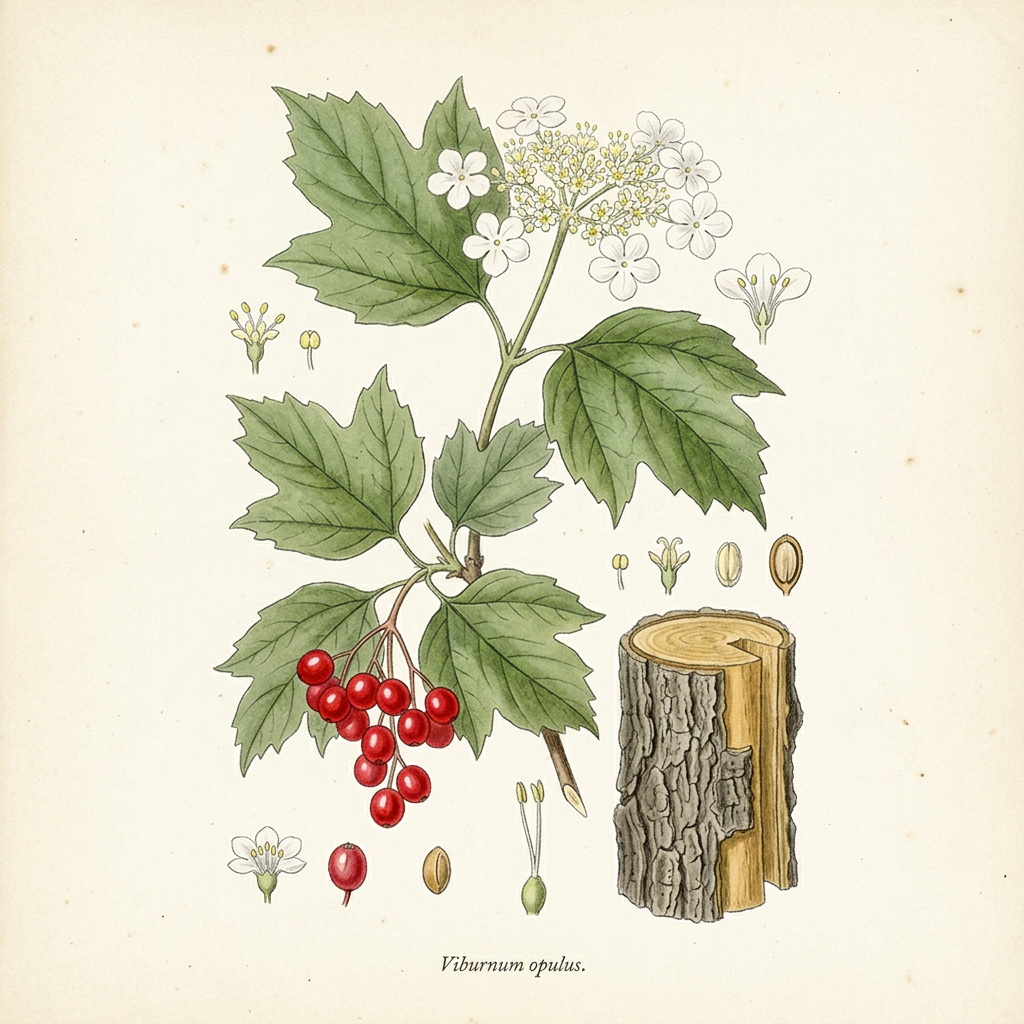
Cramp Bark

Cramp Bark

Viburnum opulus

low risk Risk
Adoxaceae
Cool, moist, astringent
<p>Cramp bark, scientifically known as Viburnum opulus, is a deciduous shrub native to Europe and parts of North America. Historically, this herb has been utilized in traditional herbal medicine for its remarkable properties, particularly among indigenous cultures, where it has been recognized for its utility in alleviating muscle discomfort and spasms. The name "cramp bark" is derived from its primary use—providing relief from cramping. The bark of the Viburnum opulus tree has long been harvested and prepared as a remedy, with early herbalists documenting its efficacy for various women’s health issues, particularly those related to the menstrual cycle. Cramp bark is renowned for its powerful muscle relaxant and antispasmodic properties, making it a favored choice for managing menstrual cramps and muscle spasms. The herb acts as a natural alternative to over-the-counter pain relief medications. Its therapeutic benefits extend beyond menstrual discomfort; cramp bark can also aid in the relief of gastrointestinal spasms and general muscle tightness throughout the body. It is often used in conjunction with other herbal allies to create synergistic blends that promote overall relaxation and well-being. The therapeutic actions of cramp bark are attributed to its rich phytochemical profile, which includes compounds such as viburnin and flavonoids. These constituents contribute to its antispasmodic actions by promoting smooth muscle relaxation and modulating nerve signals associated with pain and cramping. By acting on the uterine muscles, cramp bark can help alleviate excessive contractions during menstruation, thus providing comfort to those who suffer from dysmenorrhea. Additionally, its calming effects may stem from its influence on the central nervous system, enhancing overall relaxation and reducing the physiological stress response. As research continues to unveil the complexities of herbal medicine, cramp bark remains a vital resource for those seeking natural remedies for muscle spasms and menstrual discomfort.</p>

Uses & Conditions

Muscle relaxation
Nervine support
Pain relief
Dysmenorrhoea
Endometriosis
Menorrhagia
Peripheral vascular disease
Muscle spasms
Gastrointestinal spasms
Biliary dyskinesia

Actions

Anti-spasmodic
Astringent
Emmenagogue
GABA receptor enhancer
Hypotensive
Nervine
NFkB inhibitor
Anxiolytic
Peripheral vasodilator
Sedative

Parts Used

Bark.

Native Countries

Europe

USDA Hardiness Zones

USDA 3-8

Contraindications

  • Pregnancy: avoid due to traditional classification as a uterine sedative
  • Breastfeeding: insufficient evidence of safety for the infant
  • Salicylate allergy: avoid if sensitive to aspirin due to salicin-like compounds
  • Scheduled surgery: discontinue two weeks prior

Potential Side Effects

  • Mild gastrointestinal upset or nausea at high doses
  • Drowsiness or lethargy
  • Allergic skin reaction in sensitive individuals

Interactions

  • Lithium: theoretically may decrease excretion
  • Antihypertensive medication: potential additive hypotensive effects
  • Muscle relaxants: potential additive effect with pharmaceutical antispasmodics

Dosages, tincture ratios & research — members only

Unlock Garreth's dosing guidance, tincture ratios, the dosage calculator and the research studies for Cramp Bark.

Your assessment and results stay saved — upgrading only unlocks more of them.

See membership plans

Community Photos

No community photos yet. Sign in to upload photos.

Reviews & Ratings

Sign in to leave a review.

No reviews yet. Be the first!

GF

Garreth Falls — B.Th., Dip. H.M., MNIMH

Content curated and reviewed by Garreth Falls, Consultant Medical Herbalist · The Wild Sage

Medical Disclaimer: This information is for educational purposes only and is not intended as medical advice. Always consult with qualified healthcare professionals before starting any herbal treatment.
Western tradition

Sustainability & quality

Abundant

Common hedgerow shrub. Ensure sustainable harvesting of branches to maintain tree health.

Key constituents

Viburnin, Triterpenoid saponins, Salicin and related salicylates, Flavonoids, Coumarins, Tannins, Resins

References

  1. British Herbal Pharmacopoeia 1983
  2. Herbal Reality. Herb monographs. herbalreality.com

Reviewed by Garreth, Medical Herbalist (MNIMH) · October 2026

Related conditions

Explore conditions where Cramp Bark is traditionally used.

Related Herbs
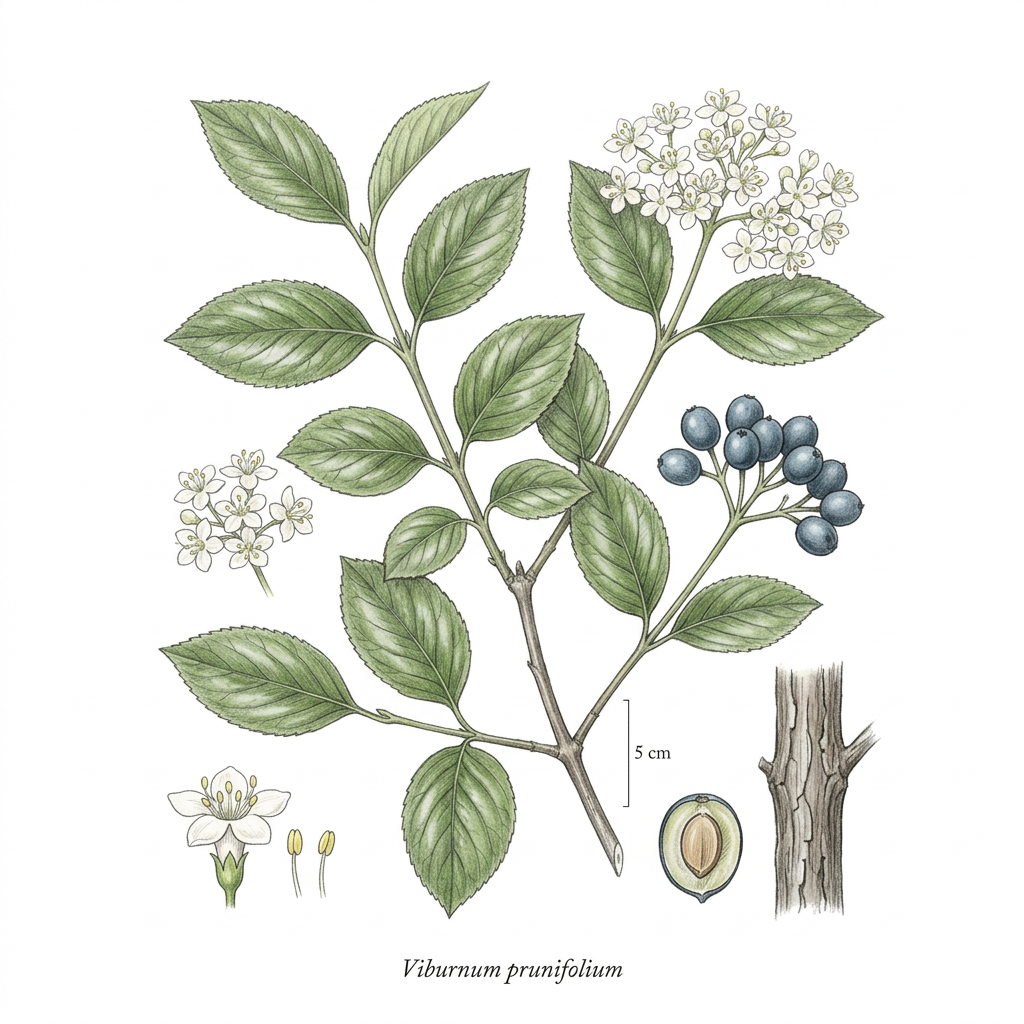
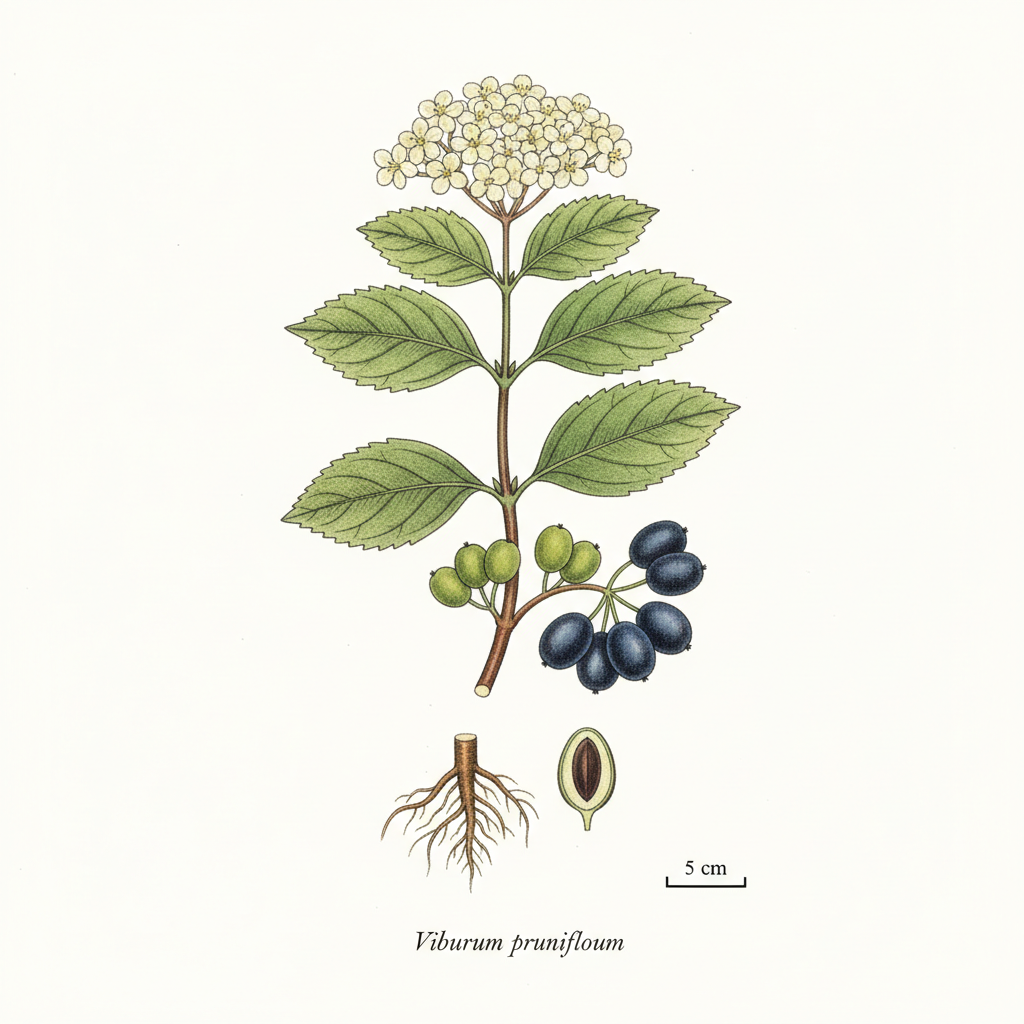
Black Haw

Black Haw

Viburnum prunifolium

Reproductive Support
Black haw

Black haw

Viburnum prunifolium

Menstrual Support
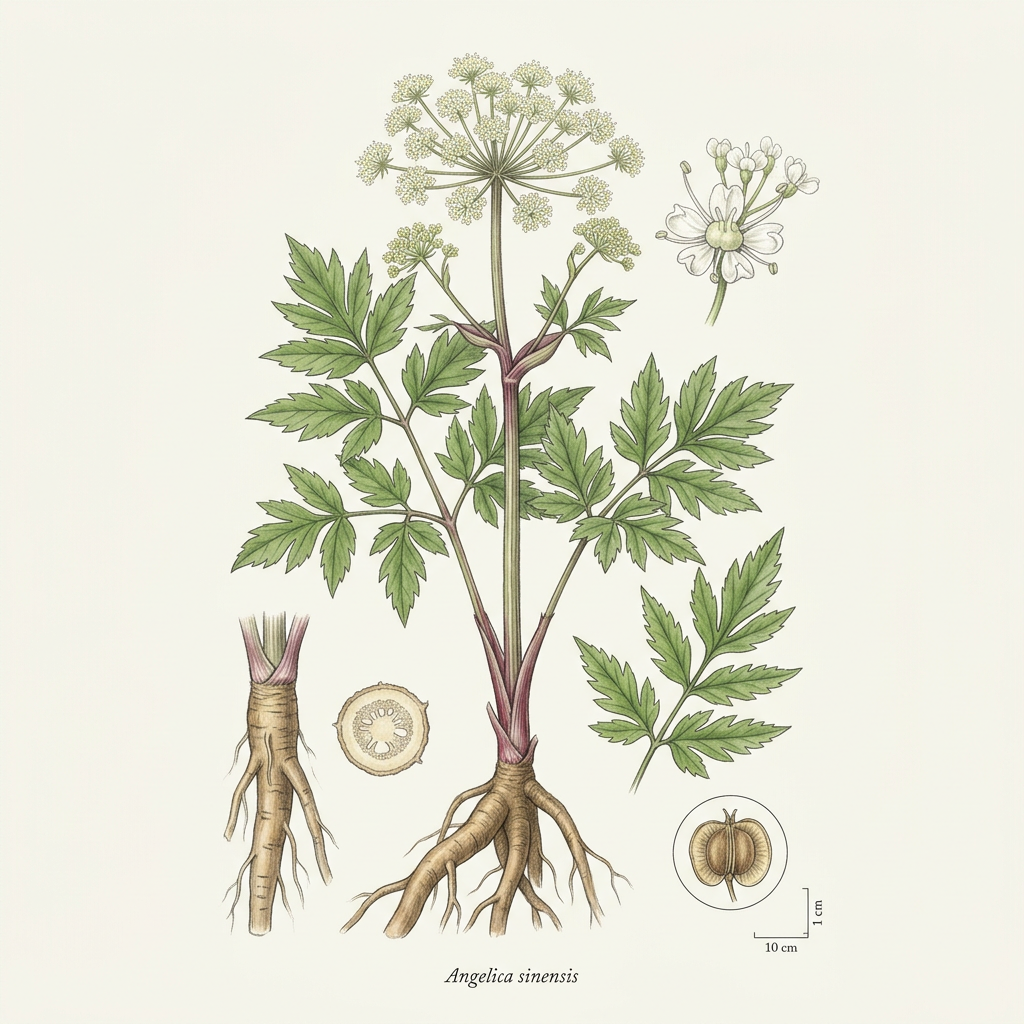
Chinese angelica

Chinese angelica

Angelica sinensis

Blood Tonic
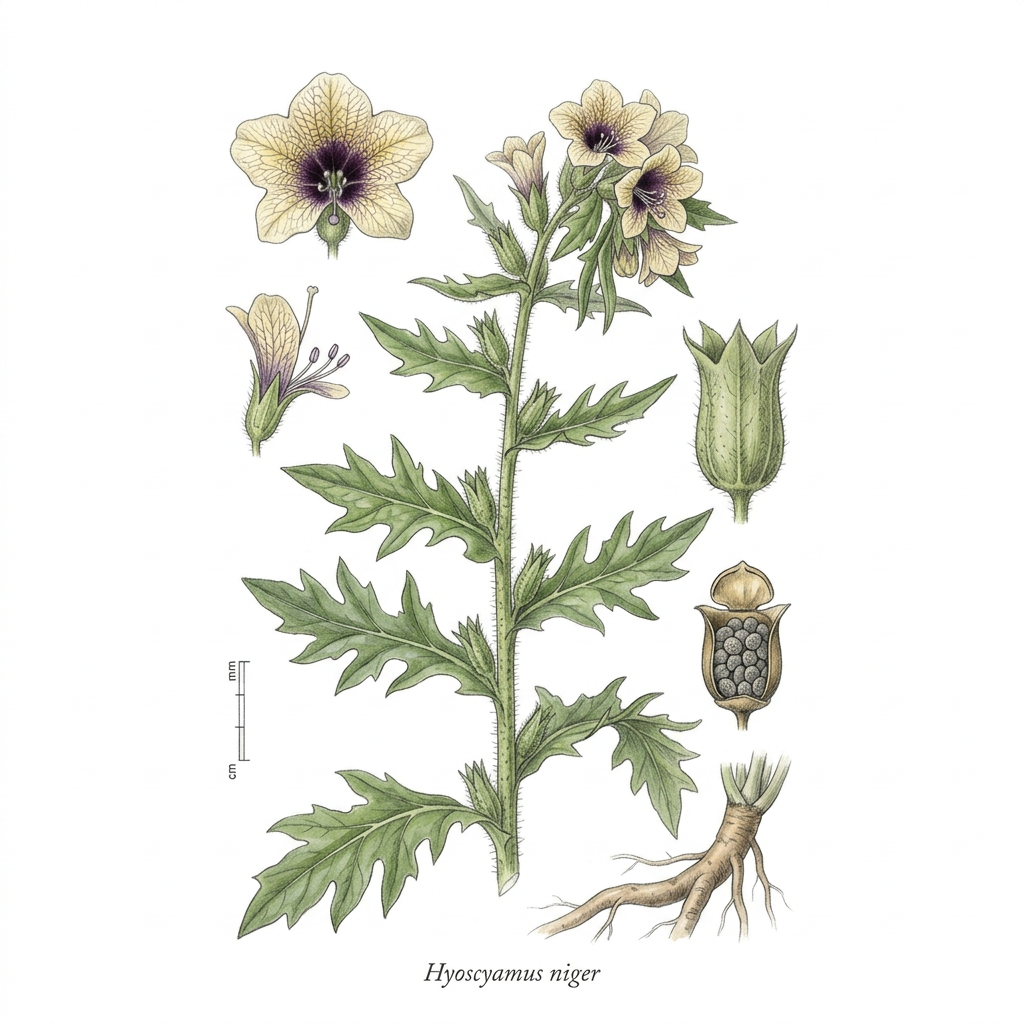
Henbane

Henbane

Hyoscyamus niger

Muscle Relaxation