The Wild Sage logo
The Wild Sage Logo

Herbal Medicine at your fingertips

Comprehensive database of herbal remedies with detailed safety information and traditional uses

New to herbal terms? Read the glossary →
ADHD
Abcess
Acid Reflux Relief
Acinetobacter
Acne
Acne Vulgaris
Addisons
Adenomyosis
Adenovirus
Adrenal fatigue
Aging
Aids
Alcaligenes faecalis
Alcoholism
Allergic Rhinitis
Allergies
Allergy
Alopoecia
Alopoecia nervosa
Alzheimer's, Dementia & Cognitive Decline
420 herbs found
Important: This information is for educational purposes only. Always consult with qualified healthcare professionals before using herbal remedies, especially if you have existing health conditions or take medications.
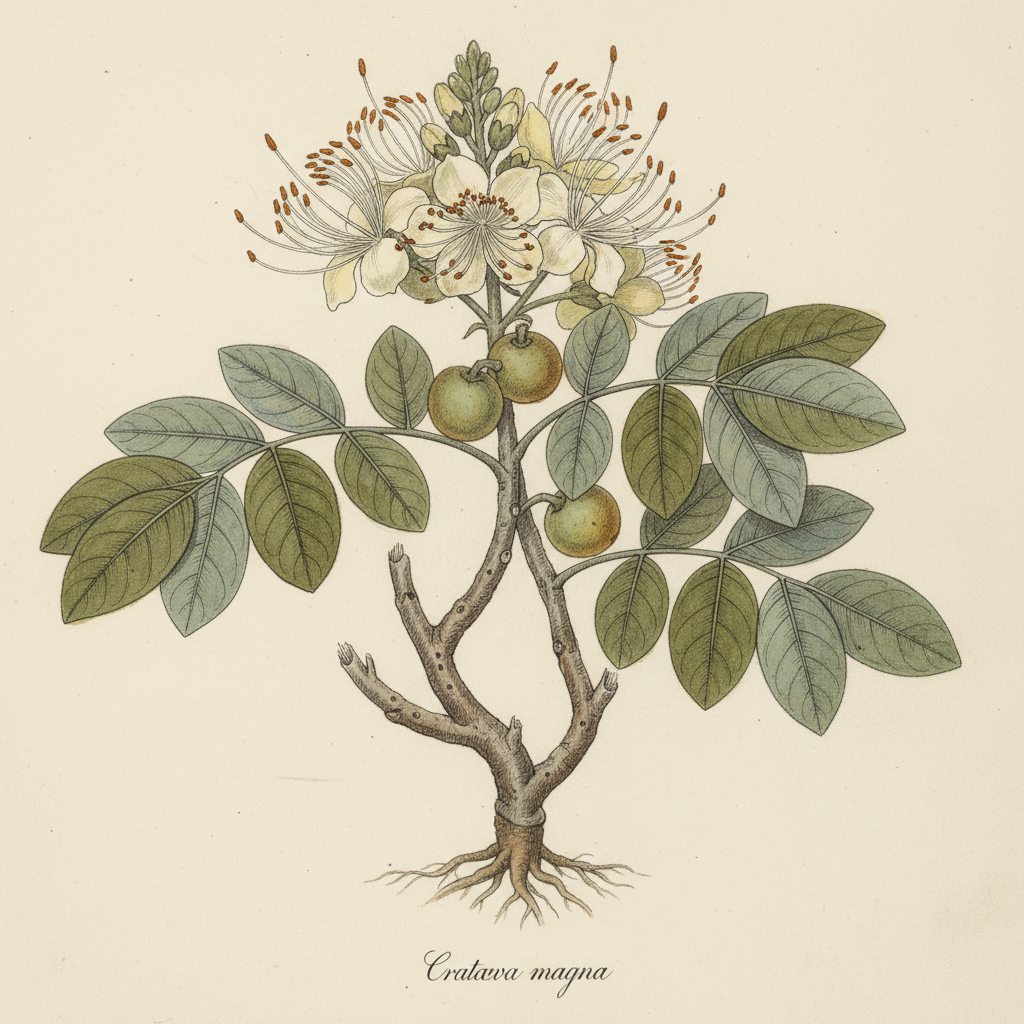
Crataeva magna

Crataeva magna

Crataeva magna

low risk Risk
Capparidaceae
warming and astringent
<p>Crataeva magna, commonly known as the Varuna tree or Barun tree, is a deciduous plant native to the tropical regions of Asia. Revered in traditional Ayurvedic medicine, this herb has been utilized for centuries for its remarkable therapeutic properties. Historically, its bark, leaves, and roots have been employed in various formulations aimed at promoting urinary health, supporting renal function, and alleviating inflammatory conditions. Indigenous cultures have long cherished Crataeva magna, recognizing its role as a bladder tonic and general detoxifier. Through the ages, it has maintained a significant place in herbal pharmacopoeias, showcasing its importance as a traditional remedy. The primary therapeutic actions of Crataeva magna are far-reaching, encompassing its roles as an AMPK (AMP-activated protein kinase) activator, anti-inflammatory agent, diuretic, and renal tonic. This herb is particularly esteemed for its ability to enhance urinary tract function, making it invaluable in the treatment of conditions such as urinary tract infections (UTIs) and cystitis. Its diuretic properties promote increased urine output, supporting detoxification and renal health, while its anti-inflammatory effects help to soothe the urinary tract, alleviating discomfort and irritation. Furthermore, studies suggest that the activation of AMPK by Crataeva magna may contribute to metabolic regulation, offering potential benefits in managing conditions such as obesity and type 2 diabetes. At a biochemical level, Crataeva magna operates by influencing various pathways within the body. The herb's constituents are believed to modulate inflammation through the inhibition of pro-inflammatory cytokines, thereby reducing swelling and discomfort. Its diuretic and renal tonic effects promote healthy kidney function by enhancing the excretion of waste products while preserving vital electrolytes. By activating AMPK, Crataeva magna may also enhance cellular energy metabolism, contributing to improved overall health. Collectively, these mechanisms underscore Crataeva magna's significance as a holistic remedy, bridging traditional herbal wisdom with contemporary scientific understanding for optimal health and well-being.</p>

Uses & Conditions

Digestive Support
Liver Health
Urinary Tract Infection
Kidney Stones
Hypertension
Diabetes Management
Cystitis
Kidney Inflammation
Enuresis
Urinary Incontinence
Urinary Frequency
Polyuria
Kidney Disease
Bladder Atonic

Actions

Anti-inflammatory
Diuretic
Renal Tonic
Bladder Tonic
AMPK-activator
NFkB Inhibitor
TNF-a Reduction
Antimicrobial
Anti-parasitic
Anti-viral
Hepatic

Parts Used

whole plant

Native Countries

Asia and Tropical africa

USDA Hardiness Zones

USDA 10-11

Contraindications

  • Pregnancy and breastfeeding
  • Chronic or severe renal failure
  • Children under the age of 12 years
  • Known hypersensitivity to the Capparidaceae family

Potential Side Effects

  • Mild gastrointestinal upset or abdominal discomfort
  • Nausea
  • Skin rashes

Interactions

  • Diuretics: may potentiate effects leading to electrolyte imbalances or dehydration
  • Lithium: diuretic activity may reduce lithium excretion increasing toxicity risk
  • Antidiabetic medications: potential for additive hypoglycaemic effects
  • Prescription medicines affecting renal function: use with caution

Dosages, tincture ratios & research — members only

Unlock Garreth's dosing guidance, tincture ratios, the dosage calculator and the research studies for Crataeva magna.

Your assessment and results stay saved — upgrading only unlocks more of them.

See membership plans

Community Photos

No community photos yet. Sign in to upload photos.

Reviews & Ratings

Sign in to leave a review.

No reviews yet. Be the first!

GF

Garreth Falls — B.Th., Dip. H.M., MNIMH

Content curated and reviewed by Garreth Falls, Consultant Medical Herbalist · The Wild Sage

Medical Disclaimer: This information is for educational purposes only and is not intended as medical advice. Always consult with qualified healthcare professionals before starting any herbal treatment.
Ayurvedic tradition

Sustainability & quality

Cultivated

Often wild-harvested in India, but cultivated sources are becoming more available to reduce pressure on wild populations.

Key constituents

Triterpenoids such as lupeol, Saponins, Flavonoids including quercetin, Glucosinolates, Plant sterols, Tannins

References

  1. Pole "Ayurvedic Medicine" 2006
  2. Herbal Reality. Herb monographs. herbalreality.com

Reviewed by Garreth, Medical Herbalist (MNIMH) · October 2026

Related conditions

Explore conditions where Crataeva magna is traditionally used.

Related Herbs
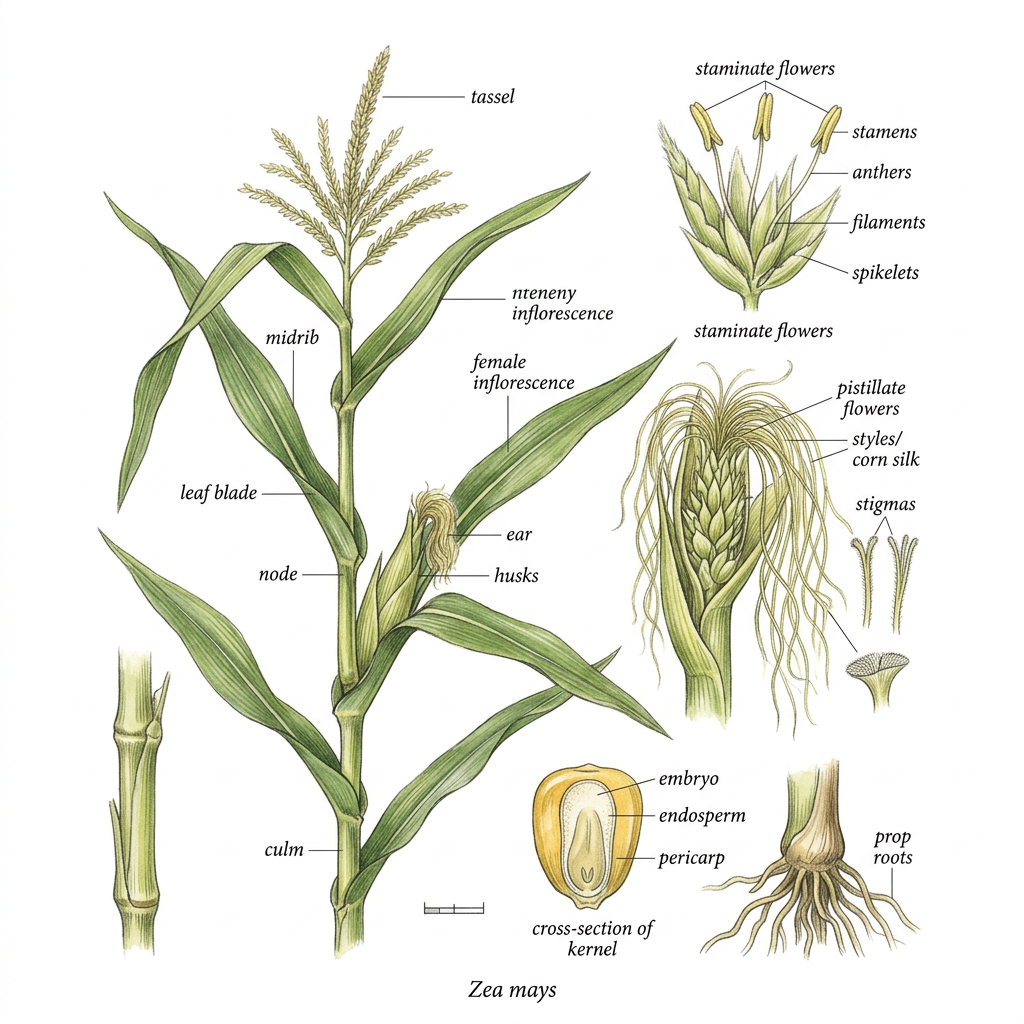
Corn Silk

Corn Silk

Zea mays

Fluid balance
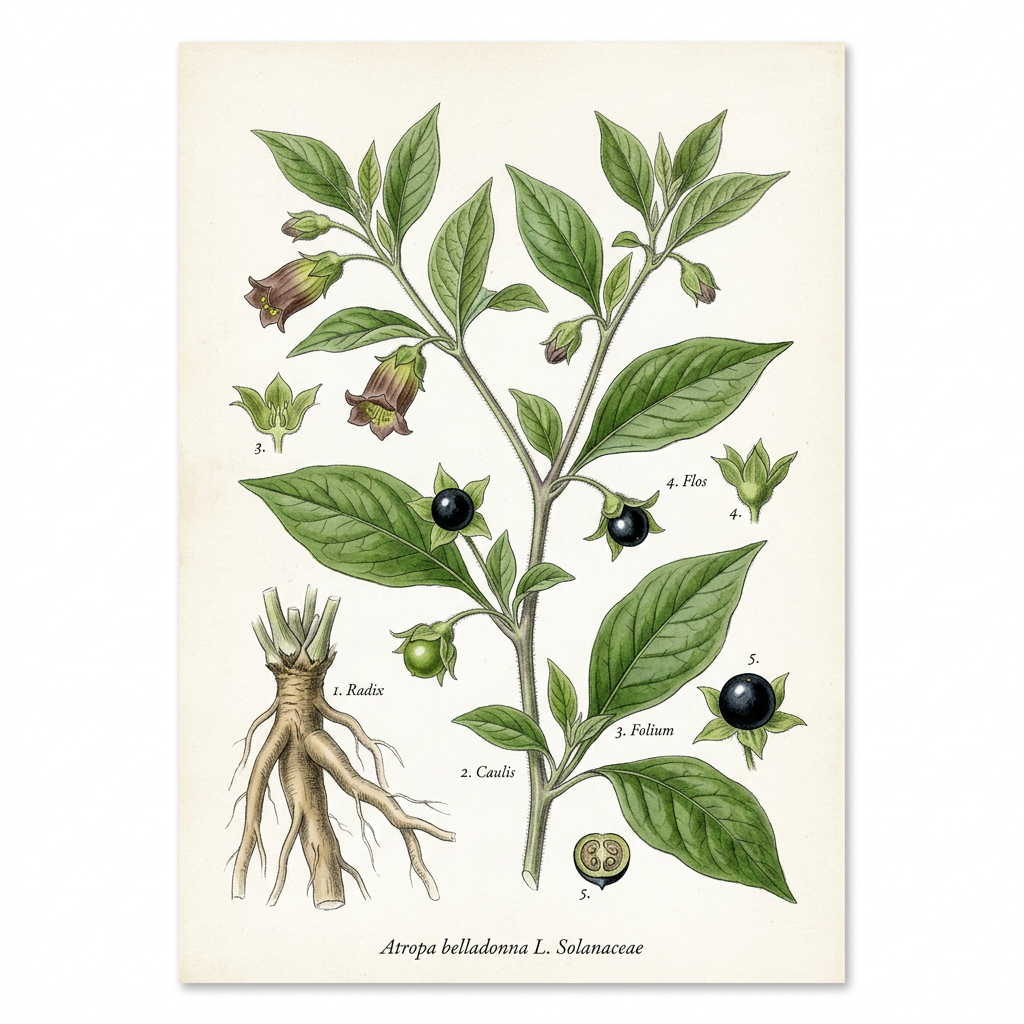
Deadly Nightshade

Deadly Nightshade

Atropa belladonna

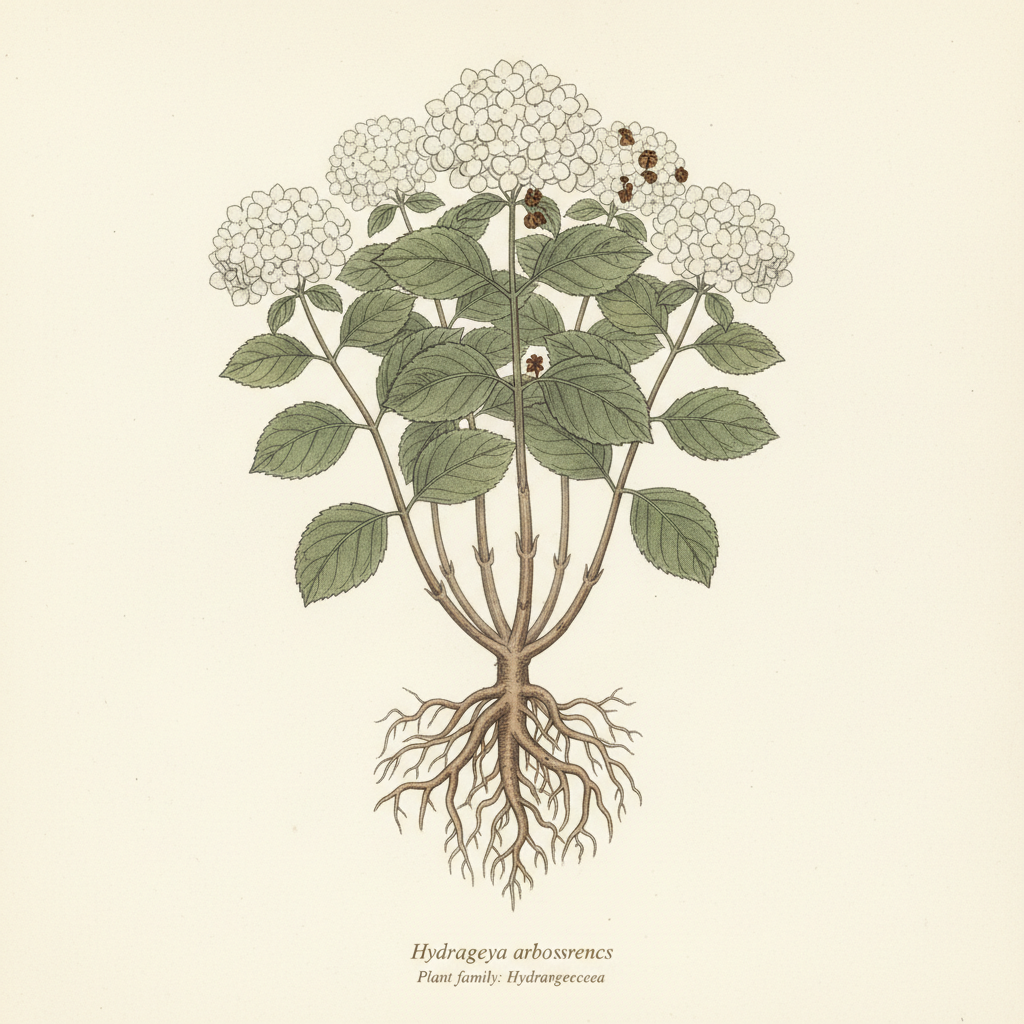
Hydrangea

Hydrangea

Hydrangea arborescens

Adrenal Tonic
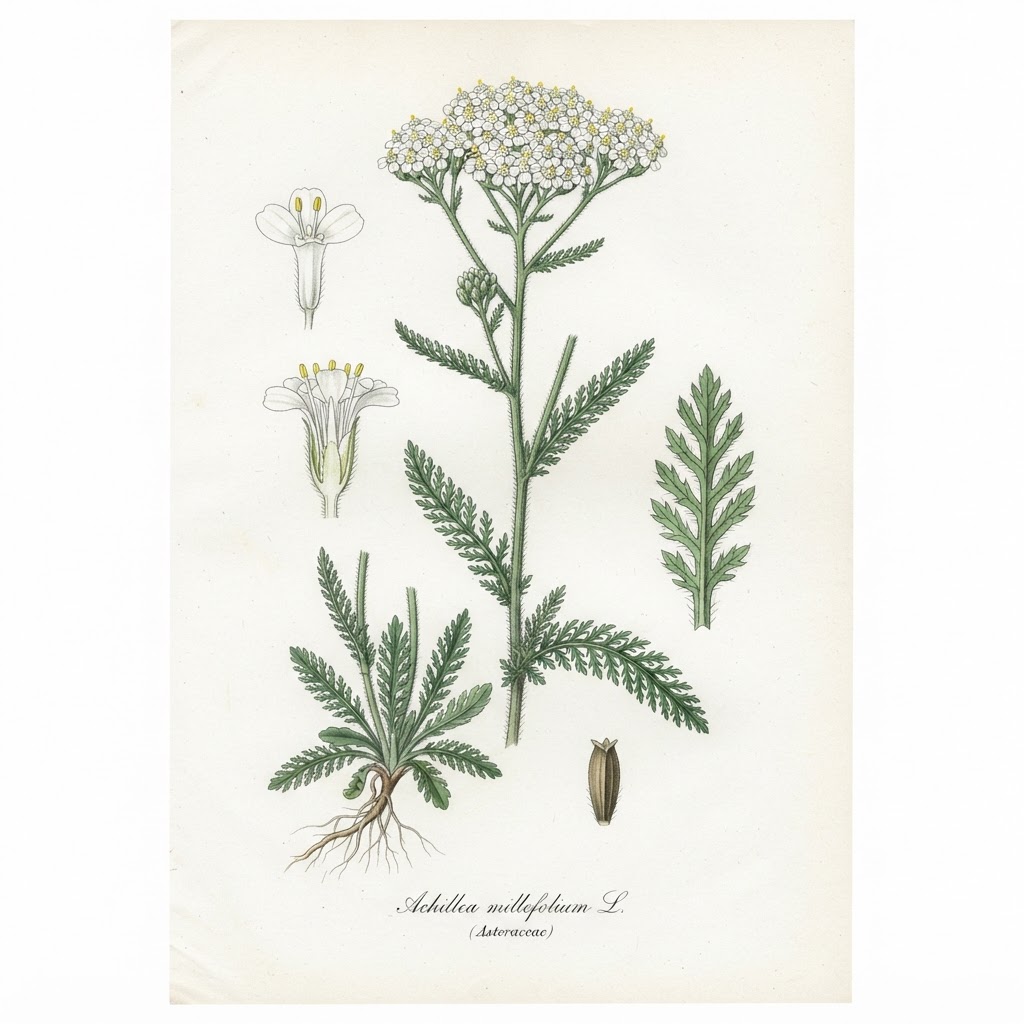
Yarrow

Yarrow

Achillea millefolium

Digestive Tonic