The Wild Sage logo
The Wild Sage Logo

Herbal Medicine at your fingertips

Comprehensive database of herbal remedies with detailed safety information and traditional uses

New to herbal terms? Read the glossary →
ADHD
Abcess
Acid Reflux Relief
Acinetobacter
Acne
Acne Vulgaris
Addisons
Adenomyosis
Adenovirus
Adrenal fatigue
Aging
Aids
Alcaligenes faecalis
Alcoholism
Allergic Rhinitis
Allergies
Allergy
Alopoecia
Alopoecia nervosa
Alzheimer's, Dementia & Cognitive Decline
420 herbs found
Important: This information is for educational purposes only. Always consult with qualified healthcare professionals before using herbal remedies, especially if you have existing health conditions or take medications.
Cryptolepis

Cryptolepis

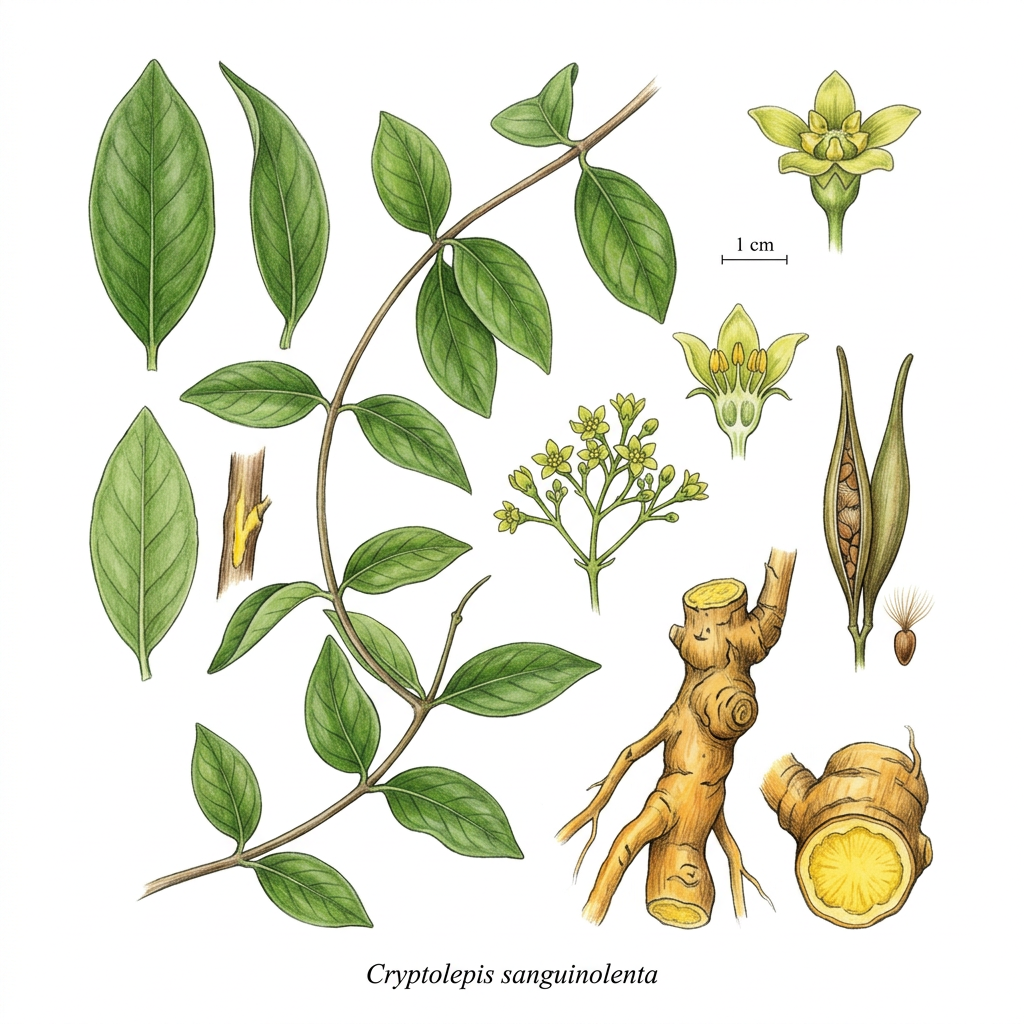
Cryptolepis sanguinolenta

low risk Risk
Apocynaceae
<p>Cryptolepis sanguinolenta, commonly known as Cryptolepis, is a tropical perennial vine native to the forests of West Africa. For centuries, this remarkable herb has been esteemed in traditional medicine, particularly in the context of various ethnic healing practices, for its potent anti-malarial properties. Indigenous populations have utilized the roots of Cryptolepis in various formulations to combat febrile illnesses, most notably malaria, becoming an integral element in their pharmacopoeia. As awareness of its therapeutic potential has spread, Cryptolepis has gained recognition in contemporary herbal medicine, particularly among those seeking natural alternatives to conventional treatments. The therapeutic properties of Cryptolepis are largely attributed to its bioactive compounds, which exhibit systemic antimicrobial effects, particularly against protozoal infections such as Plasmodium spp., responsible for malaria, and Babesia, a genus of pathogens that can cause similar febrile conditions. Research underscores its ability to not only hinder the growth of these parasites but also to bolster the body's immune response against systemic infections. In addition to its antimicrobial activities, Cryptolepis is believed to possess anti-inflammatory and antioxidant effects, enhancing its usefulness in addressing various pathogens and supporting overall health. Cryptolepis operates through several mechanisms within the body. Its active constituents, including alkaloids, demonstrate the capacity to interfere with the life cycle of malaria parasites by inhibiting their erythrocytic stage, thus thwarting their replication and survival. Additionally, the herb's immunomodulatory effects help stimulate the body’s natural defenses, promoting a more robust response against infections. By modulating inflammatory pathways, Cryptolepis further aids in reducing the symptoms associated with infections, thereby facilitating a faster recovery. This multifaceted approach underscores why Cryptolepis is not only celebrated in traditional remedies but is also garnering interest in modern botanical medicine as a valuable ally in the fight against systemic infectious diseases.</p>

Uses & Conditions

Immunomodulatory Support
Anti-inflammatory
Antioxidant Support
Malaria
Babesia
Systemic Infections
Viral Infections
Bacterial Infections
Candida
Campylobacter jejuni
Clostridium difficile
Post-viral Fatigue
Febrile Illnesses
Enterococcus
E. coli

Actions

Anti-malarial
Antimicrobial
Anti-viral
AMPK-activator
Anti-parasitic
Anti-pyretic
Hypotensive
Anti-thrombotic
Anti-cancer
Anti-bacterial
Hypoglycaemic
Vasodilator
Vasoprotective
Anti-muscarinic
Noradrenergic

Synonyms

delboi
ganamau
ghanian quinine
kadze
koli
medkari
nibima
ouidoukoi

Parts Used

Whole plant.

Native Countries

Africa

USDA Hardiness Zones

8
9

Contraindications

  • Avoid with CNS depressants
  • Avoid with sedatives

Dosages, tincture ratios & research — members only

Unlock Garreth's dosing guidance, tincture ratios, the dosage calculator and the research studies for Cryptolepis.

Your assessment and results stay saved — upgrading only unlocks more of them.

See membership plans

Community Photos

No community photos yet. Sign in to upload photos.

Reviews & Ratings

Sign in to leave a review.

No reviews yet. Be the first!

GF

Garreth Falls — B.Th., Dip. H.M., MNIMH

Content curated and reviewed by Garreth Falls, Consultant Medical Herbalist · The Wild Sage

Medical Disclaimer: This information is for educational purposes only and is not intended as medical advice. Always consult with qualified healthcare professionals before starting any herbal treatment.
Western tradition

Sustainability & quality

At risk

Rapidly gaining popularity which increases pressure on wild populations. Prioritise suppliers engaged in fair-trade and sustainable collection initiatives.

Key constituents

Cryptolepis sanguinolenta, Alkaloids

References

  1. Herbal Antibiotics - Stephen Buhner

Reviewed by Garreth, Medical Herbalist (MNIMH) · October 2026

Related conditions

Explore conditions where Cryptolepis is traditionally used.

Related Herbs
Sida cordata

Sida cordata
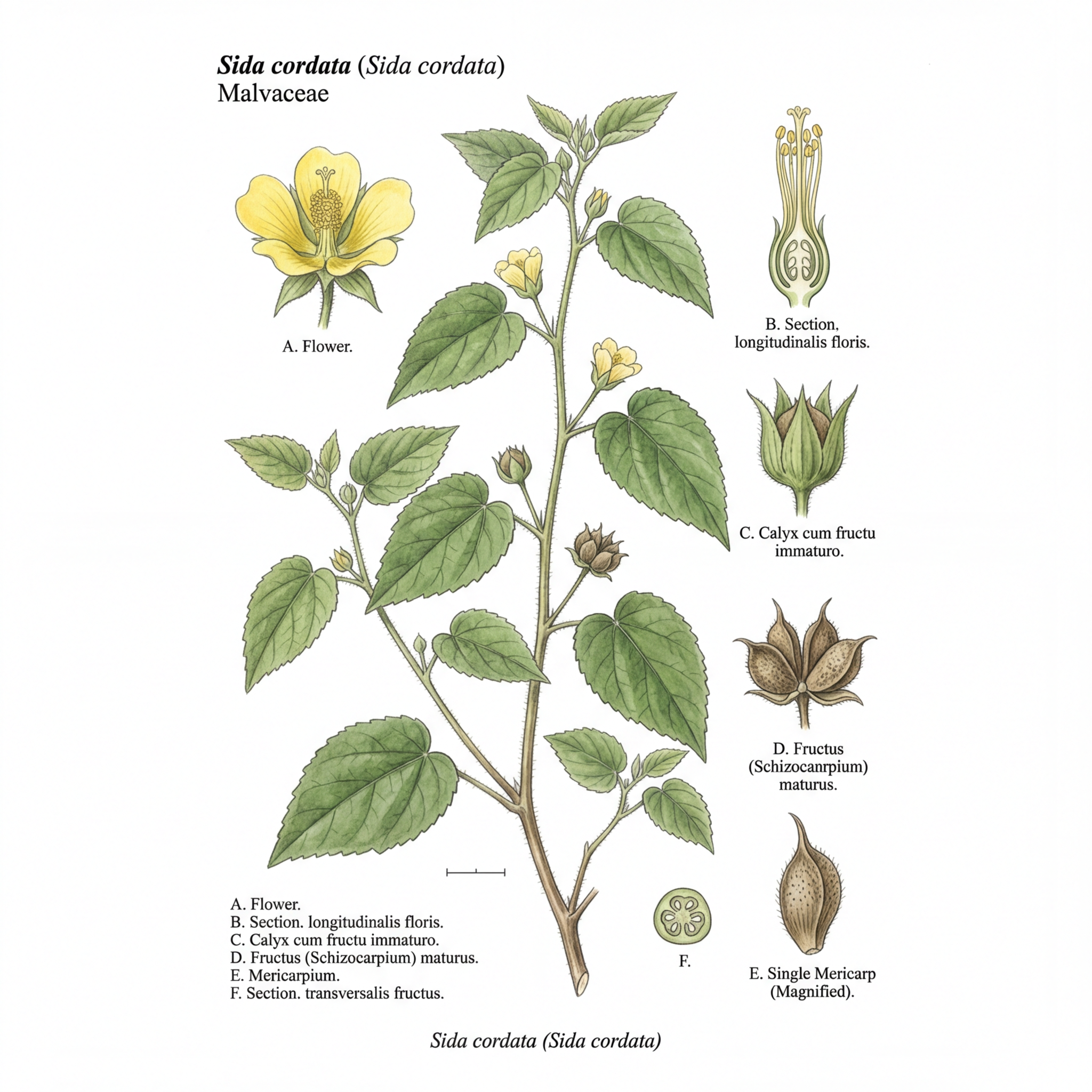
Sida cordata

Immune Support
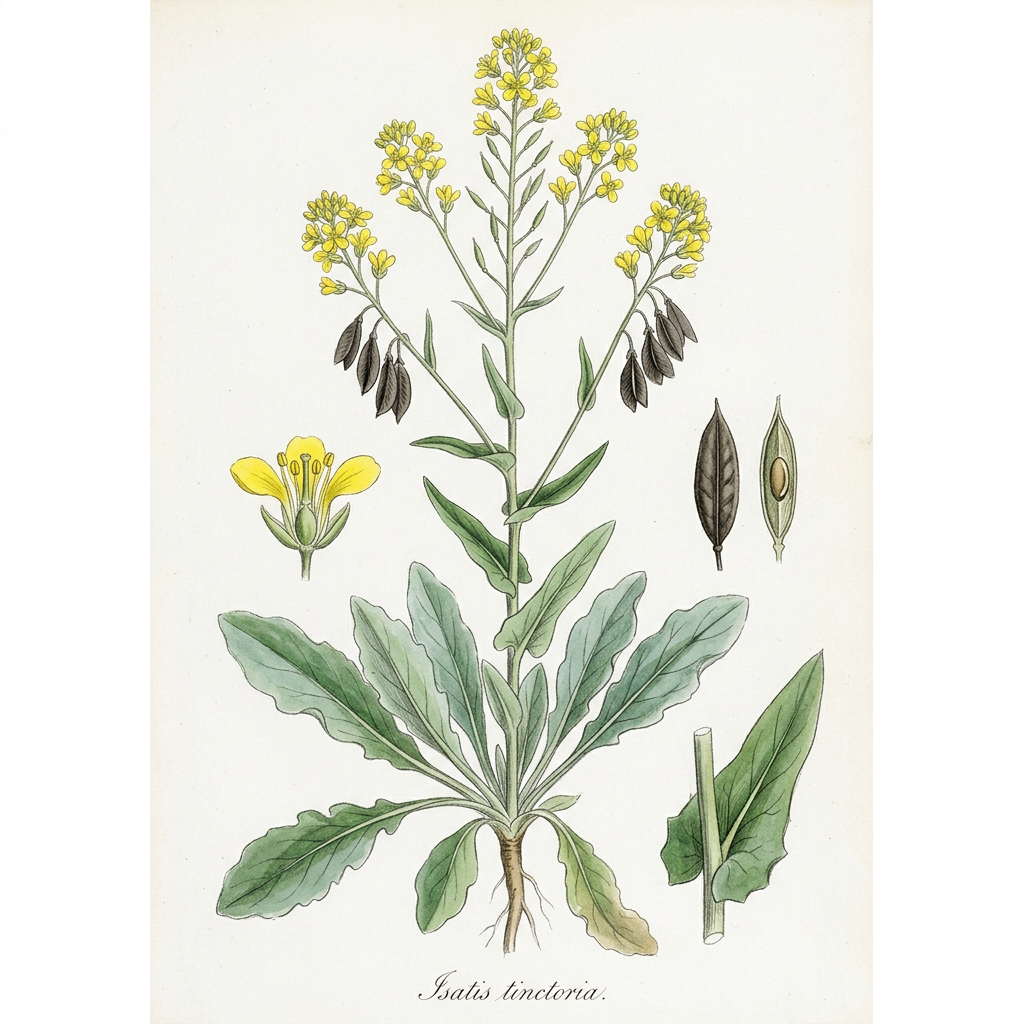
Woad

Woad

Isatis tinctoria

Immune Support
Juniper

Juniper

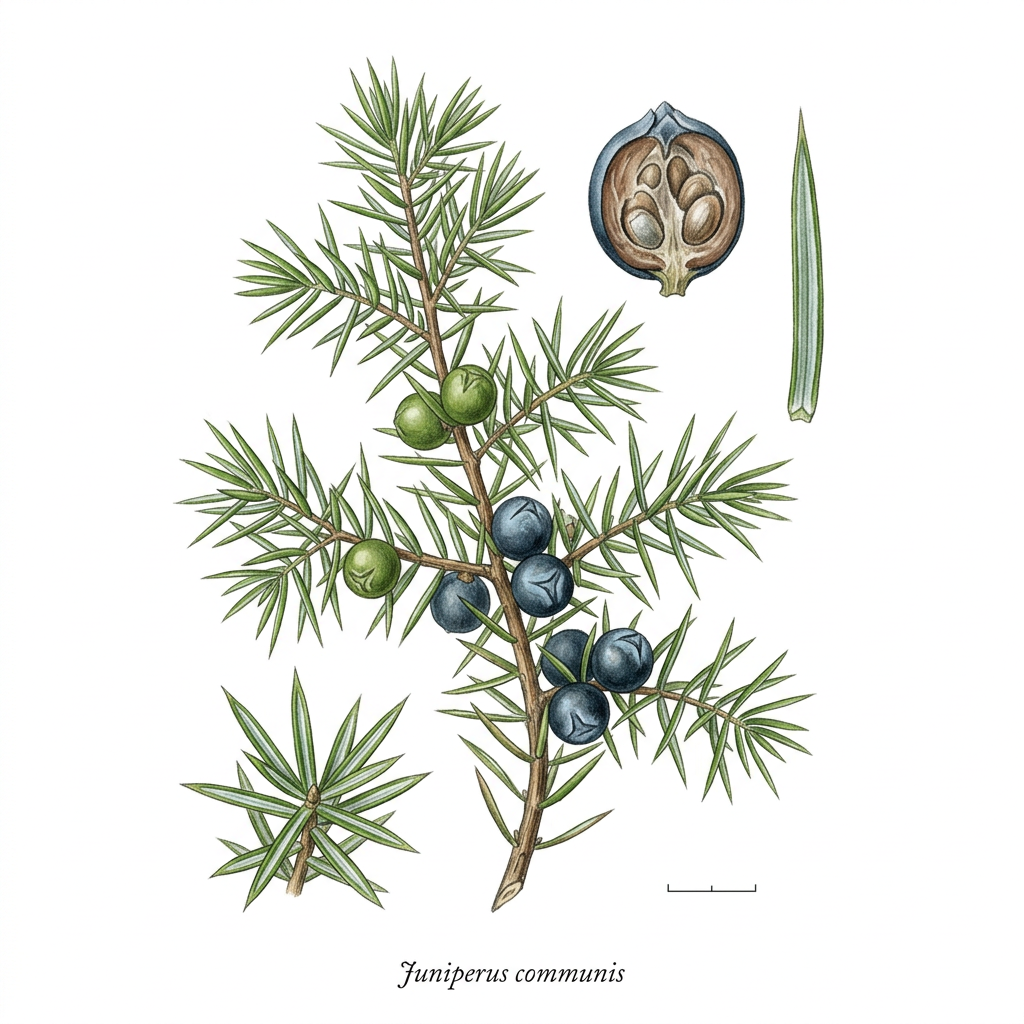
Juniperus communis

Urinary Tract Health
Old Man's Beard

Old Man's Beard

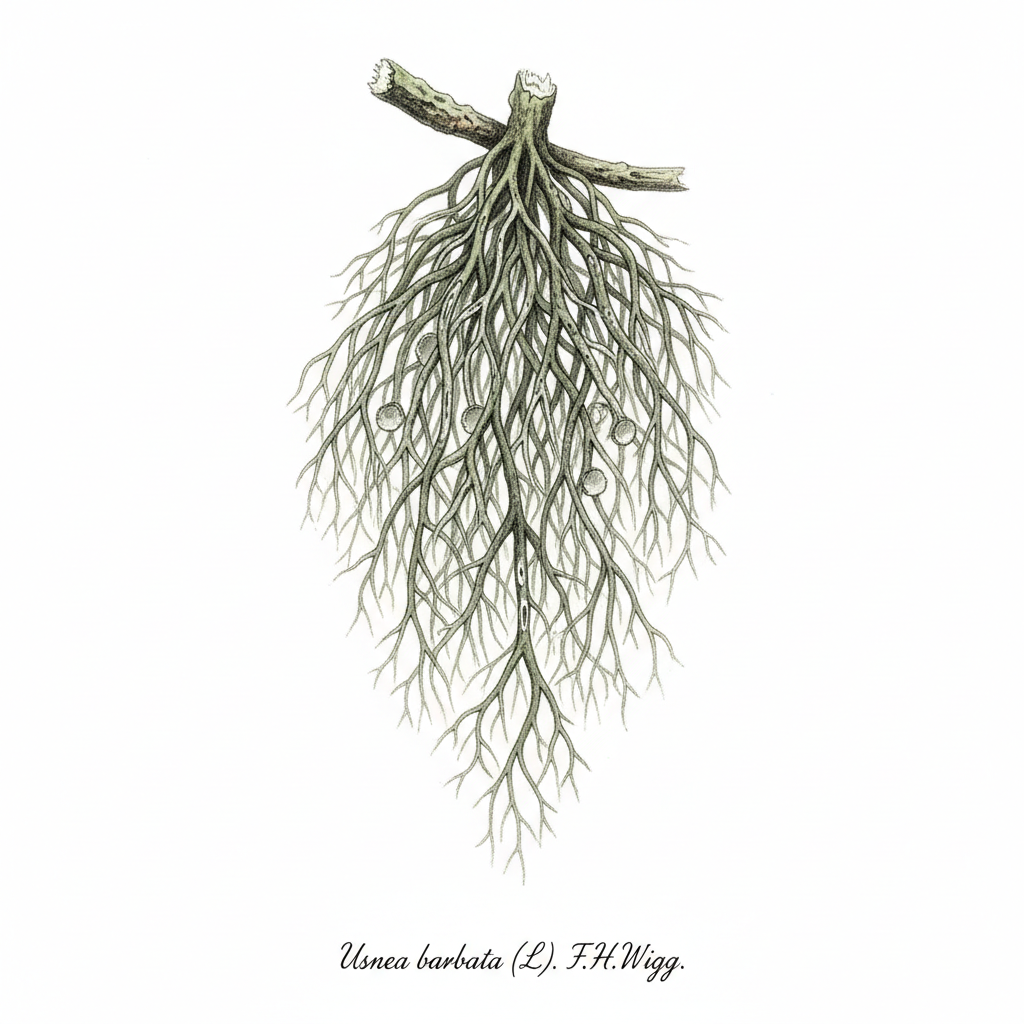
Usnea

Immune Response Modulation