The Wild Sage logo
The Wild Sage Logo

Herbal Medicine at your fingertips

Comprehensive database of herbal remedies with detailed safety information and traditional uses

New to herbal terms? Read the glossary →
ADHD
Abcess
Acid Reflux Relief
Acinetobacter
Acne
Acne Vulgaris
Addisons
Adenomyosis
Adenovirus
Adrenal fatigue
Aging
Aids
Alcaligenes faecalis
Alcoholism
Allergic Rhinitis
Allergies
Allergy
Alopoecia
Alopoecia nervosa
Alzheimer's, Dementia & Cognitive Decline
420 herbs found
Important: This information is for educational purposes only. Always consult with qualified healthcare professionals before using herbal remedies, especially if you have existing health conditions or take medications.
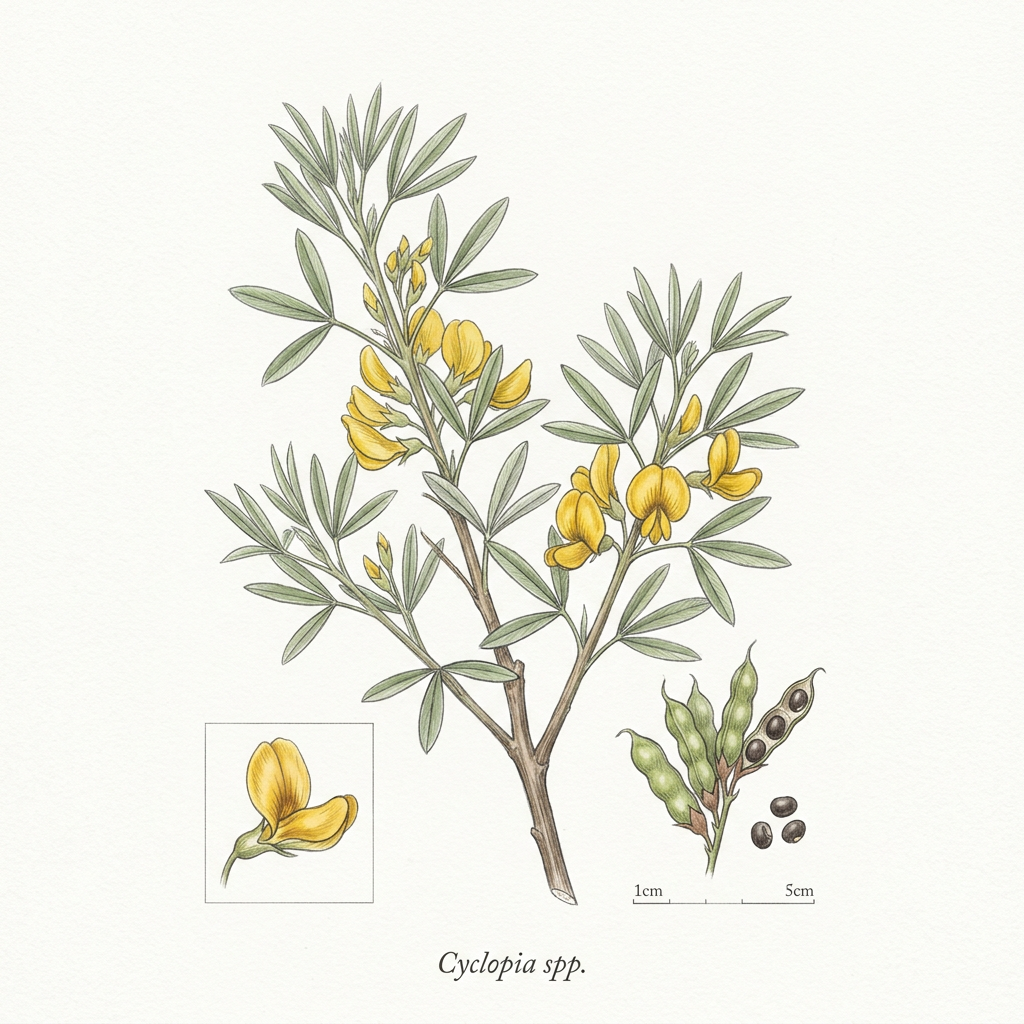
Cyclopia spp

Cyclopia spp

Cyclopia spp

low risk Risk
Fabaceae
sweet, warming, bitter
<p>Cyclopia spp, commonly known as honeybush, is a genus of flowering plants native to the unique fynbos ecosystems of South Africa. Renowned for its sweet aroma, honeybush has historically been used by indigenous populations for centuries, both as a refreshing beverage and for its purported health benefits. Traditional uses of honeybush have included brewing teas as a soothing tonic to combat various ailments, thus forming an integral part of local herbal practices. The leaves and flowers, rich in antioxidants, have been consumed not only for their pleasant taste but also for their potential therapeutic properties that may support overall wellness. **Key Therapeutic Properties and Benefits:** Recent scientific interest has recognized Cyclopia spp as a valuable herbal remedy due to its high content of flavonoids, polyphenols, and other bioactive compounds, which are celebrated for their antioxidant, anti-inflammatory, and antimicrobial properties. Studies suggest that honeybush may possess potential benefits for respiratory health, digestive support, and as an aid in managing diabetes, thanks to its ability to regulate blood sugar levels. Furthermore, the calming properties of honeybush make it a popular choice for those seeking to reduce stress and anxiety, contributing to both physical and mental well-being. **Mechanism of Action:** The efficacy of Cyclopia spp in supporting health can be attributed to its rich array of phytochemicals, which work synergistically within the body. The antioxidants present help combat oxidative stress by neutralizing free radicals, thereby protecting cells from damage and reducing inflammation. Additionally, certain compounds in honeybush can inhibit the activity of enzymes involved in carbohydrate metabolism, aiding in the stabilization of blood sugar levels. The soothing nature of honeybush tea not only encourages relaxation but may also promote better digestion and comfort in the gastrointestinal tract, enhancing overall health. As research into honeybush continues to expand, it promises to reveal further applications and benefits, solidifying its place in the field of herbal medicine.</p>

Uses & Conditions

Traditional beverage
Daily drinking
Soothing tonic
Respiratory health
Digestive support
Blood sugar regulation
Anxiety
Inflammation

Actions

Antioxidant
COX-2 inhibitor
TNF-alpha inhibitor
Anti-viral
Choleretic
Anxiolytic

Parts Used

Leaves
Flowers
Stems

Native Countries

South Africa

USDA Hardiness Zones

USDA 9-11

Contraindications

  • Pregnancy: clinical safety data is currently insufficient; use is generally discouraged.
  • Breastfeeding: lack of reliable clinical evidence necessitates a cautious approach.
  • Known allergy to members of the Fabaceae (legume) family.
  • Pre-surgical planning: consider cessation two weeks prior to elective surgery due to potential influence on blood glucose or coagulation.

Potential Side Effects

  • Mild gastrointestinal discomfort or bloating in sensitive individuals.
  • Potential for minor allergic skin reactions if an underlying sensitivity to the Fabaceae family is present.

Interactions

  • Hypoglycaemic agents: may theoretically enhance the effects of blood-sugar lowering medications; monitor blood glucose levels closely.
  • Anticoagulants and antiplatelet drugs: high levels of polyphenols may theoretically influence clotting mechanisms; use with caution.

Dosages, tincture ratios & research — members only

Unlock Garreth's dosing guidance, tincture ratios, the dosage calculator and the research studies for Cyclopia spp.

Your assessment and results stay saved — upgrading only unlocks more of them.

See membership plans

Community Photos

No community photos yet. Sign in to upload photos.

Reviews & Ratings

Sign in to leave a review.

No reviews yet. Be the first!

GF

Garreth Falls — B.Th., Dip. H.M., MNIMH

Content curated and reviewed by Garreth Falls, Consultant Medical Herbalist · The Wild Sage

Medical Disclaimer: This information is for educational purposes only and is not intended as medical advice. Always consult with qualified healthcare professionals before starting any herbal treatment.
Western tradition

Sustainability & quality

Cultivated

Sourced primarily from South Africa; look for producers adhering to sustainable harvesting practices in the Fynbos biome.

Key constituents

Evidence Map for Honeybush (botanical name: Cyclopia spp), 1. Key Constituents:, - Polyphenols, - Flavonoids, - Caffeic acid derivatives, 2. Other Constituents Known About the Plant:, - Essential oils, - Tannins, - Alkaloids, 3. Herbs That May Act Similarly Due to Constituents:, - Rooibos (Aspalathus linearis), - Green tea (Camellia sinensis), - Chamomile (Matricaria chamomilla)

References

  1. Herbal Reality. Herb monographs. herbalreality.com

Reviewed by Garreth, Medical Herbalist (MNIMH) · October 2026

Related conditions

Explore conditions where Cyclopia spp is traditionally used.

Related Herbs
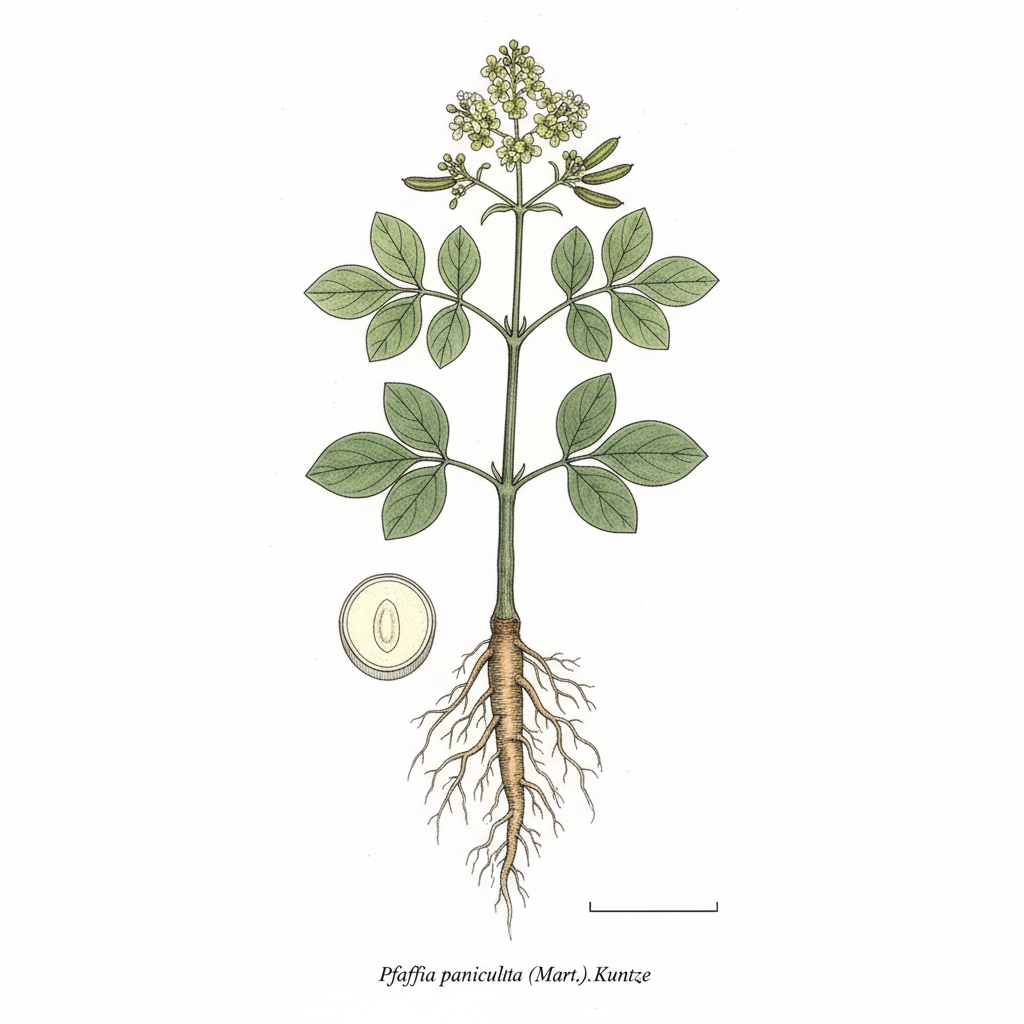
Brazillian ginseng

Brazillian ginseng

Pfaffia paniculata
Adaptation to Stress
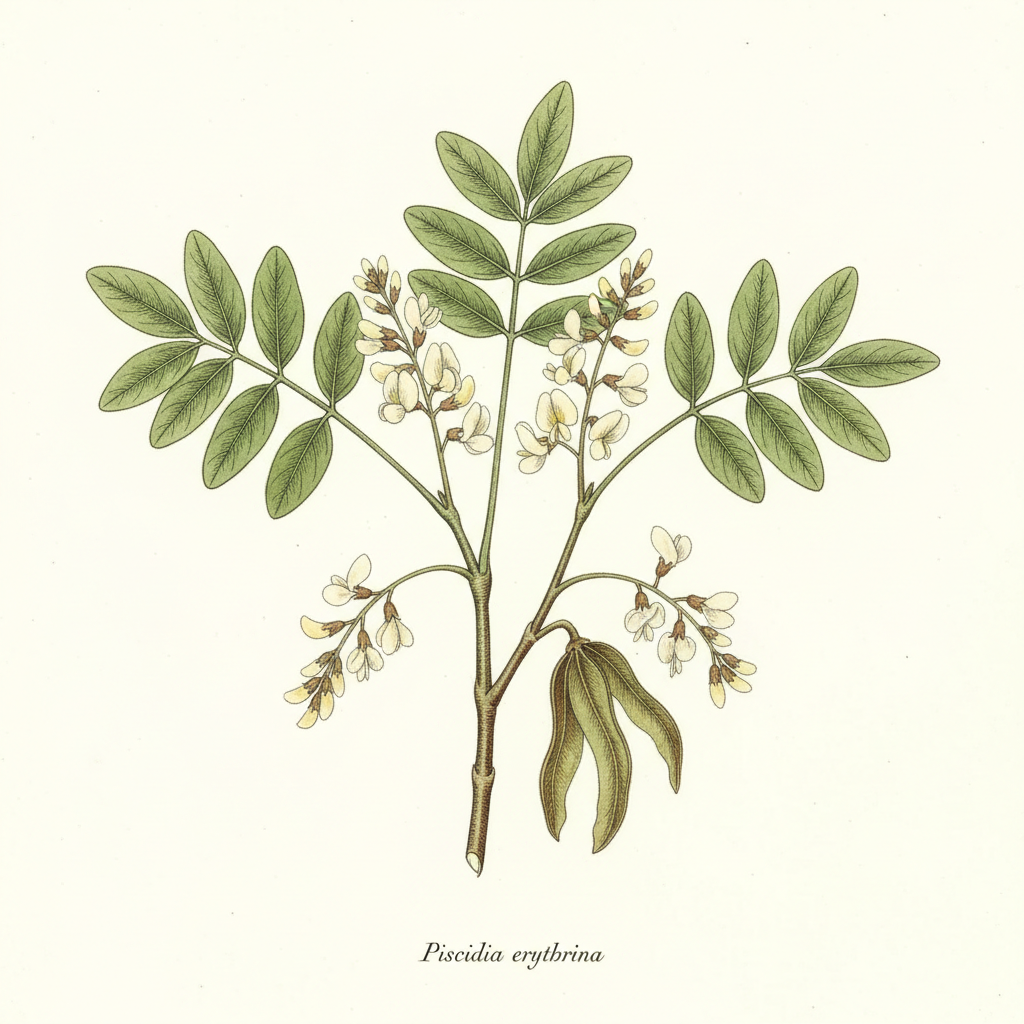
Jamacian dogwood.

Jamacian dogwood.

Piscidia erythrina

Nerve relaxation
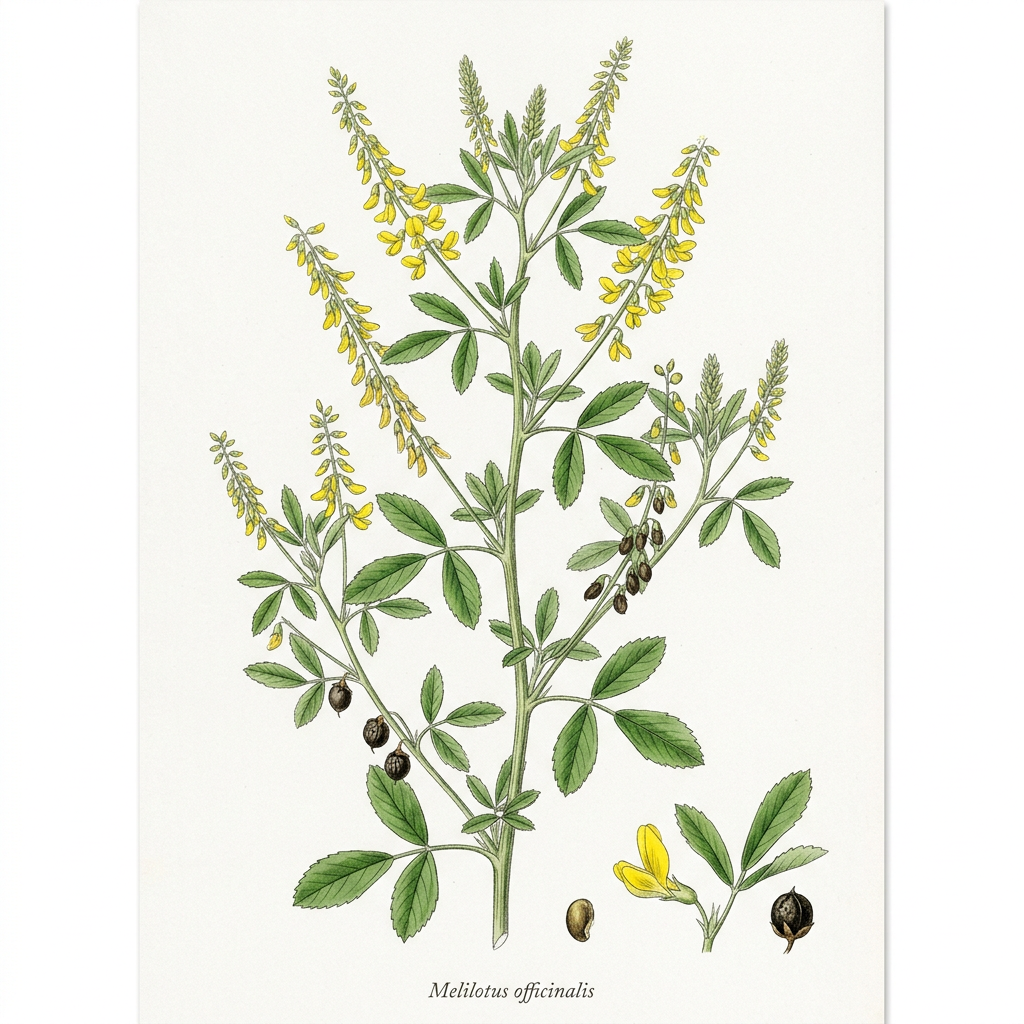
Melilot

Melilot

Melilotus officinalis

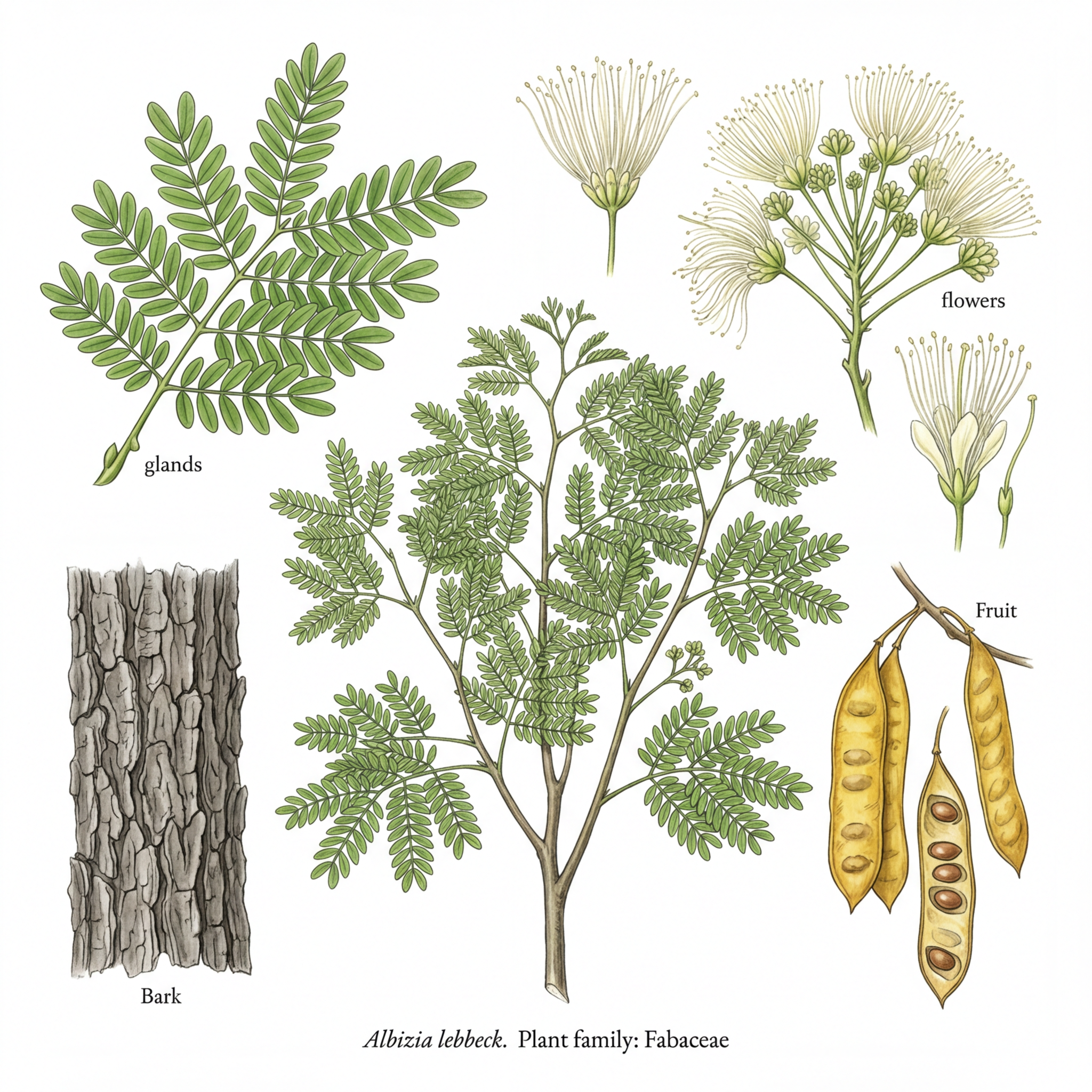
Siris Tree

Siris Tree

Albizia lebbeck

Grief Support