The Wild Sage logo
The Wild Sage Logo

Herbal Medicine at your fingertips

Comprehensive database of herbal remedies with detailed safety information and traditional uses

New to herbal terms? Read the glossary →
ADHD
Abcess
Acid Reflux Relief
Acinetobacter
Acne
Acne Vulgaris
Addisons
Adenomyosis
Adenovirus
Adrenal fatigue
Aging
Aids
Alcaligenes faecalis
Alcoholism
Allergic Rhinitis
Allergies
Allergy
Alopoecia
Alopoecia nervosa
Alzheimer's, Dementia & Cognitive Decline
420 herbs found
Important: This information is for educational purposes only. Always consult with qualified healthcare professionals before using herbal remedies, especially if you have existing health conditions or take medications.
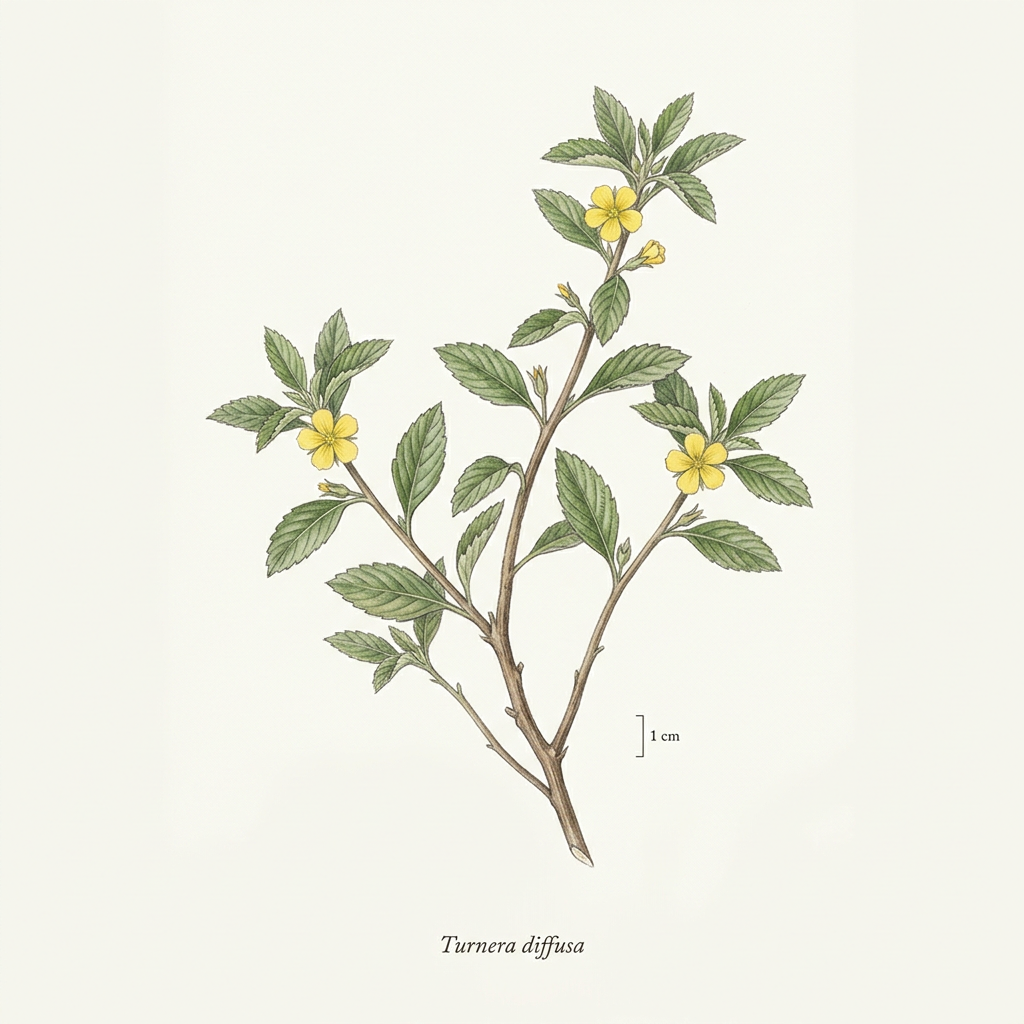
Damiana

Damiana

Turnera diffusa

low risk Risk
Passifloraceae
Body confidence
<p>Damiana, a small shrub native to the warm, arid regions of Mexico, Central America, and parts of the Caribbean, has been revered for centuries in traditional herbal medicine. Indigenous cultures, particularly the Maya and others in the region, utilized this remarkable plant not only for its aromatic qualities but also for its reputed ability to enhance sexual vitality and overall well-being. Historically, damiana has been employed as a traditional aphrodisiac, used in elixirs believed to invigorate libido and promote a sense of pleasure. In fact, its use as a sexual tonic and reproductive health booster has made it a staple in herbal practices for both men and women, promoting not just enhanced intimacy but also improving emotional connections within relationships. The therapeutic properties of damiana extend beyond its well-known aphrodisiac effects. This herb is celebrated for its calming and relaxing properties, acting as a gentle restorative nerve tonic. It is commonly used to alleviate symptoms of anxiety and mild depression, helping to soothe the nervous system while promoting a tranquil state of mind. Damiana is also believed to support hormonal balance, potentially beneficial for individuals experiencing hormonal fluctuations. Its combination of stimulating and relaxing effects makes it a unique herbal choice, offering a balanced approach to wellness that targets both physical and emotional health. Mechanistically, damiana exerts its effects through several active phytochemicals, including flavonoids and volatile oils, which may interact with neurotransmitter systems in the body. These interactions can enhance mood and reduce stress by promoting the release of endorphins and other feel-good hormones. Additionally, its potential to enhance blood circulation may play a role in its aphrodisiac properties, as improved blood flow is essential for sexual response and arousal. Together, these actions make damiana a versatile herb, deeply valued not only for its historical roots but also for its potential benefits in modern herbal practice.</p>

Uses & Conditions

Aphrodisiac Effect
Mood Improvement
Sexual Satisfaction
Relaxation
Euphoria
Nerve Tonic
Hormonal Balance
Stress Relief
Blood Circulation Enhancement
Immune Support
Sexual Tonic
Digestive Tonic
Depression
Urinary Tract Infections
Low Libido
Low Mood
Impotence
Erectile Dysfunction
Benign Prostatic Hyperplasia
Perimenopause
Orchitis
Nephritis
Urinary Tract Infection
Premature Ejaculation
Constipation
Dementia
Bipolar Disorder
Male Pattern Baldness

Actions

Aphrodisiac
Calming
Relaxant
Euphoriant
Anti-progesterogenic
Anti-depressant
Urinary Antiseptic
Aperient
Immune Stimulant
Hepatoprotective
Antibacterial

Synonyms

Turnera aphrodisiaca
Mexican holly
Old woman's broom

Parts Used

Leaves
Leaf

Native Countries

Mexico

USDA Hardiness Zones

USDA 9-11

Contraindications

  • Pregnancy due to potential stimulant effects on the uterus and lack of safety data
  • Breastfeeding as safety for the infant has not been established
  • Diabetes mellitus due to potential blood sugar lowering effects
  • Planned surgery, cease use at least two weeks prior due to potential influence on blood glucose and sedative interactions
  • Pregnancy: avoid due to insufficient safety data and traditional potential for uterine stimulation
  • Breastfeeding: should be avoided until further research confirms safety for the nursing infant
  • Diabetes mellitus: use with caution as the herb may alter blood sugar levels
  • Scheduled surgery: discontinue at least two weeks before elective surgery

Potential Side Effects

  • Mild gastrointestinal upset including nausea or stomach cramps when taken in large doses
  • Headache or insomnia if consumed in excessive quantities
  • Hypoglycaemia in sensitive individuals
  • Mild gastrointestinal upset or nausea when taken in high doses
  • Potential for blood glucose fluctuations

Interactions

  • Hypoglycaemic agents, may potentiate the effect of insulin or oral antidiabetics
  • Central Nervous System depressants, potential for additive sedative effects when used alongside benzodiazepines or barbiturates
  • Warfarin or antiplatelet medication, theoretically may increase the risk of bruising or bleeding
  • Hypoglycaemic agents: may potentiate the effect of insulin or oral medication leading to an increased risk of hypoglycaemia
  • Anticoagulants and antiplatelet drugs: caution is advised with blood-thinning medications
  • Central nervous system stimulants: might theoretically enhance the effects of other stimulants or interfere with sedative medications

Dosages, tincture ratios & research — members only

Unlock Garreth's dosing guidance, tincture ratios, the dosage calculator and the research studies for Damiana.

Your assessment and results stay saved — upgrading only unlocks more of them.

See membership plans

Community Photos

No community photos yet. Sign in to upload photos.

Reviews & Ratings

Sign in to leave a review.

No reviews yet. Be the first!

GF

Garreth Falls — B.Th., Dip. H.M., MNIMH

Content curated and reviewed by Garreth Falls, Consultant Medical Herbalist · The Wild Sage

Medical Disclaimer: This information is for educational purposes only and is not intended as medical advice. Always consult with qualified healthcare professionals before starting any herbal treatment.
Western tradition

Sustainability & quality

At risk

Overharvesting in Mexico is a concern. Use only suppliers who guarantee fair trade and sustainable harvesting practices.

Key constituents

Calming, Apigenin, Arbutin, Beta sitosterol, Resins, Sterols, Tannin, Thujone, Borneol, Camphor, alpha pinene, Cymene, Cineole

References

  1. Mills & Bone "The Essential Guide to Herbal Safety" 2005
  2. Herbal Reality. Herb monographs. herbalreality.com

Reviewed by Garreth, Medical Herbalist (MNIMH) · October 2026

Related conditions

Explore conditions where Damiana is traditionally used.

Related Herbs
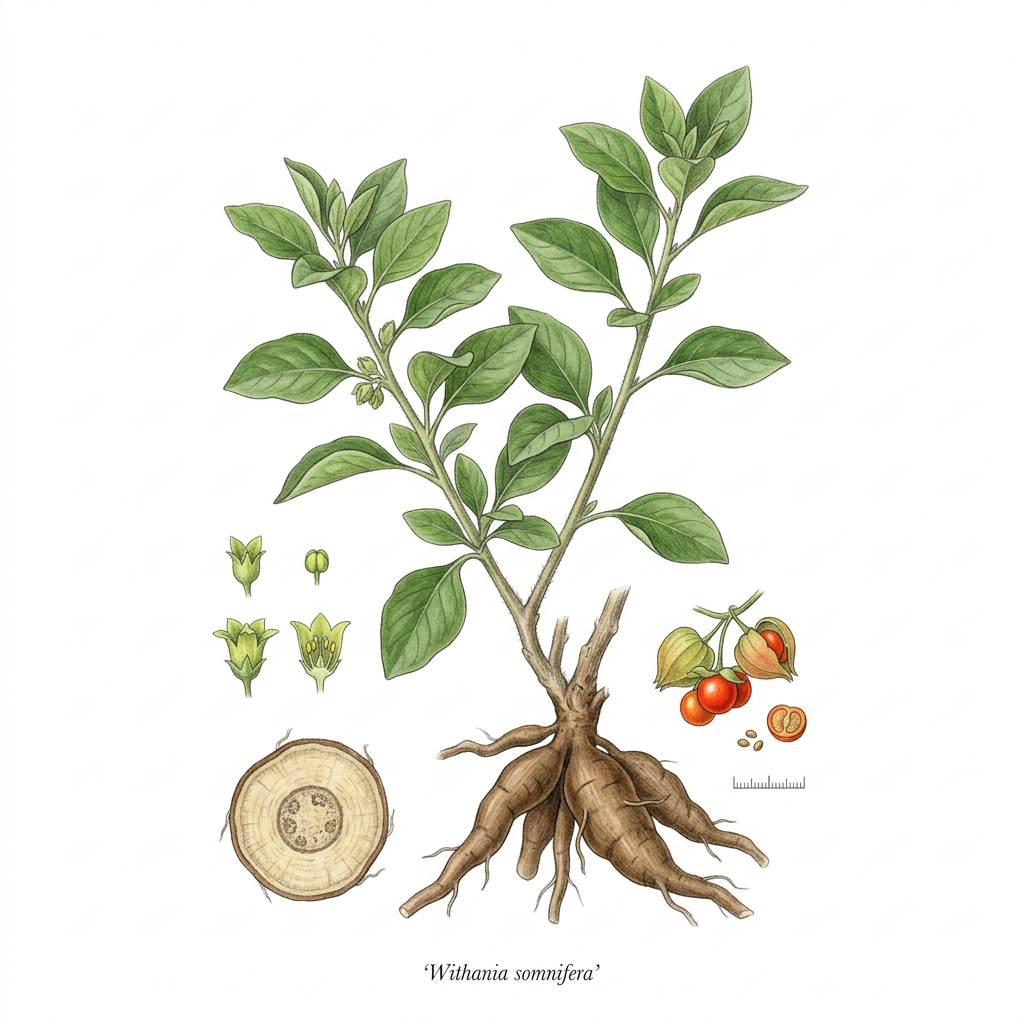
Ashwagandha

Ashwagandha

Withania somnifera

Immune Support
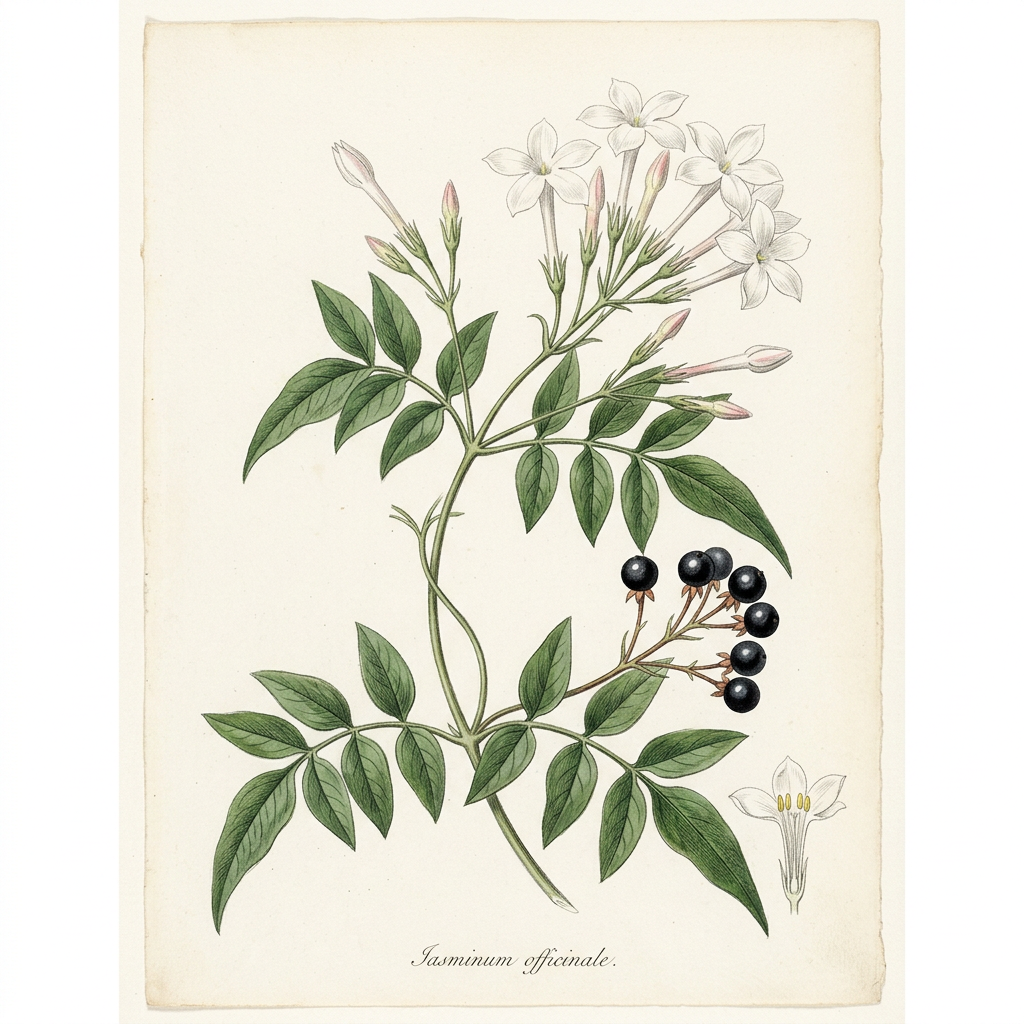
Jasmine

Jasmine

Jasminum spp.

Anxiety
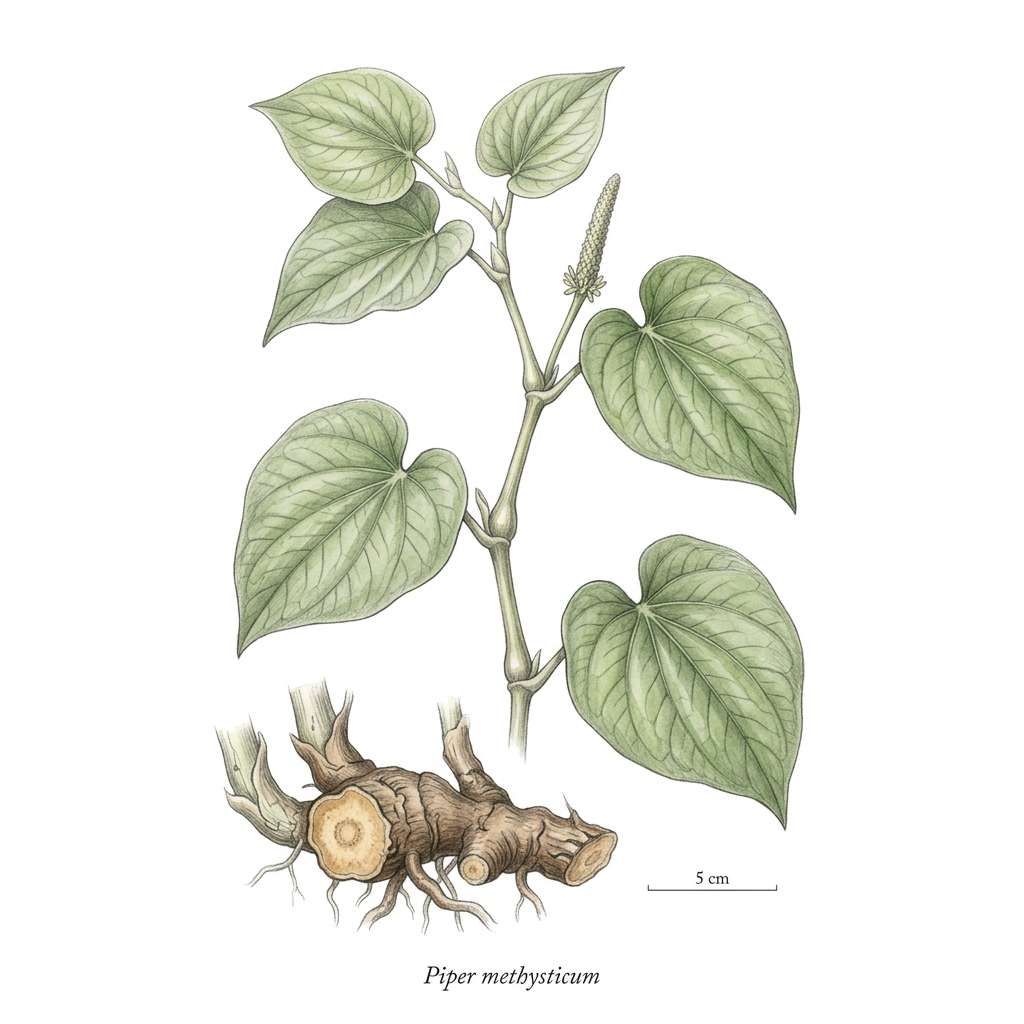
Kava Kava

Kava Kava

Piper methysticum

Stress Relief
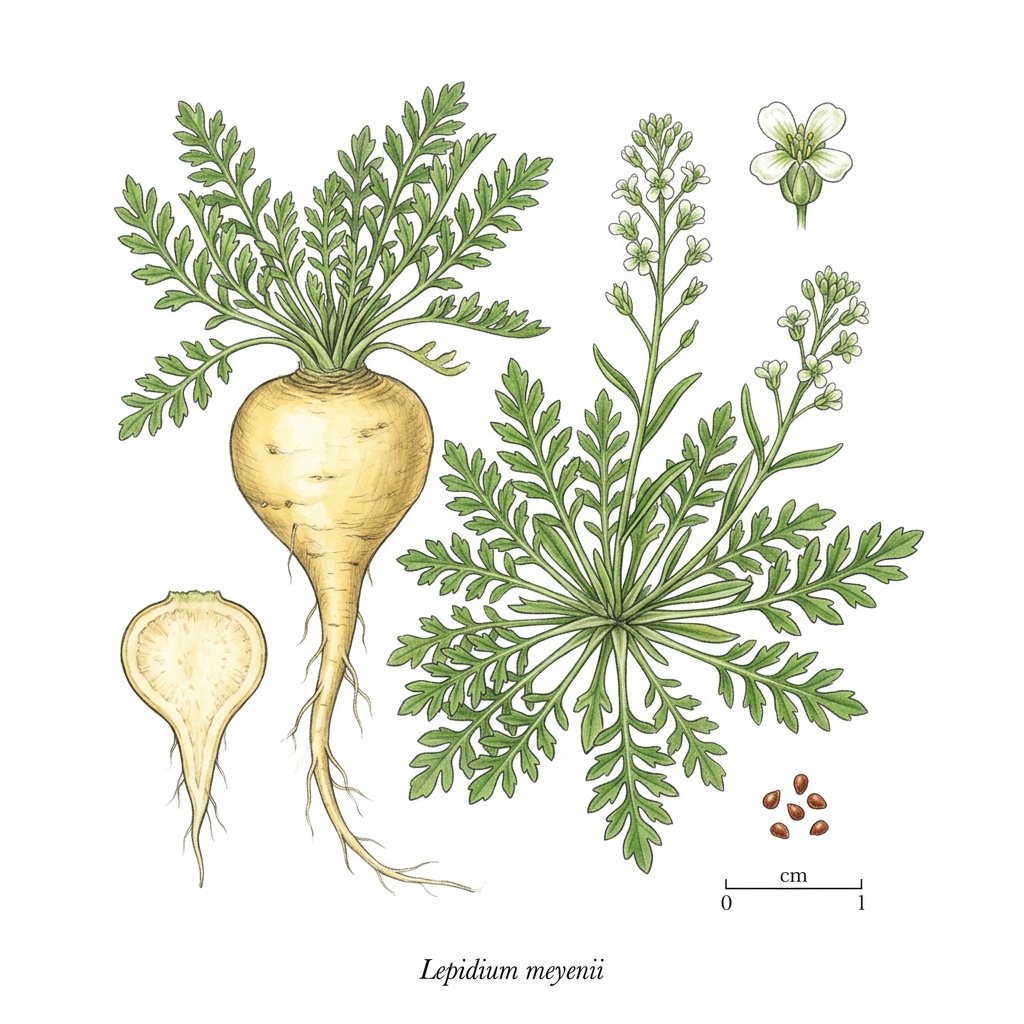
Maca

Maca

Lepidium meyenii

Energy Booster