The Wild Sage logo
The Wild Sage Logo

Herbal Medicine at your fingertips

Comprehensive database of herbal remedies with detailed safety information and traditional uses

New to herbal terms? Read the glossary →
ADHD
Abcess
Acid Reflux Relief
Acinetobacter
Acne
Acne Vulgaris
Addisons
Adenomyosis
Adenovirus
Adrenal fatigue
Aging
Aids
Alcaligenes faecalis
Alcoholism
Allergic Rhinitis
Allergies
Allergy
Alopoecia
Alopoecia nervosa
Alzheimer's, Dementia & Cognitive Decline
420 herbs found
Important: This information is for educational purposes only. Always consult with qualified healthcare professionals before using herbal remedies, especially if you have existing health conditions or take medications.
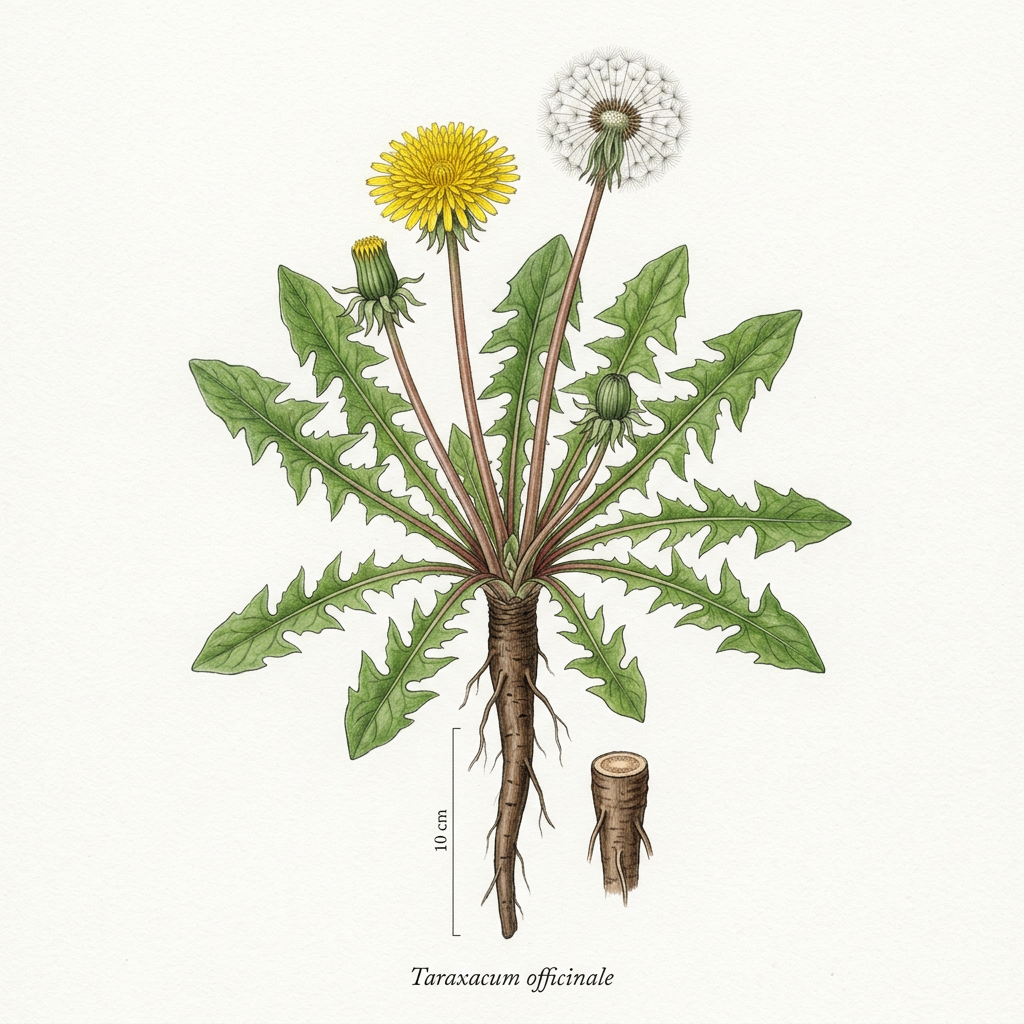
Dandelion

Dandelion

Taraxacum officinale

low risk Risk
Asteraceae
It is also thought to have grounding and stabilizing energies, which can help with emotional balance and clarity.
<p>Dandelion, scientifically known as *Taraxacum officinale*, is a perennial herbaceous plant ubiquitous across temperate regions of the world. Traditionally hailed for its robust medicinal properties, dandelion has been utilized in herbal traditions across various cultures for centuries. The plant has been documented in ancient Chinese medicine, where its leaves were employed for their diuretic effects, and by Native American tribes for its diverse health benefits. Furthermore, in medieval Europe, dandelion was often featured in folk remedies to treat a variety of ailments, particularly those associated with digestive health and liver function. Its historical prominence is further underscored by its common use in salads and concoctions, exemplifying the interplay of culinary and medicinal practices. The therapeutic properties of dandelion are notably extensive, making it a valuable addition to modern herbal practices. The root is renowned for its ability to act as a liver tonic, promoting the detoxification processes of this crucial organ. It is rich in bitter compounds that stimulate bile production, supporting digestion and enhancing the body’s ability to process fats and absorb nutrients. The leaves, on the other hand, are celebrated for their diuretic effects, facilitating increased urination and promoting the elimination of excess fluid from the body. This action not only helps with water retention but also aids in the detoxification of the kidneys. Additionally, dandelion is rich in antioxidants, particularly flavonoids and phenolic acids, which help combat oxidative stress at the cellular level, thereby promoting overall health and longevity. In terms of physiological action, dandelion works through several mechanisms to confer its health benefits. The bitter constituents in the root stimulate the secretion of digestive enzymes and bile from the liver and gallbladder, fostering improved gastrointestinal function and nutrient absorption. Simultaneously, the polysaccharides found in dandelion contribute to liver health by enhancing its regenerative capacity and supporting the detoxification pathways. The diuretic properties of the leaves arise from their ability to increase renal blood flow and enhance sodium excretion, thus promoting fluid balance. Overall, dandelion serves not only as a supportive herb for digestive health and liver function but also as a holistic ally in promoting kidney health and detoxification, making it an integral part of both traditional and contemporary herbal medicine.</p>

Uses & Conditions

Detoxification
Prebiotic
Anorexia
Bipolar Disorder
Cholesterol
Cholescystitis
Colic
Colon Cancer
Constipation
Cystitis
Diverticulitis
Dysbiosis
Dyspepsia
Gall Stones
Gout
Hypochlorhydria
Sinusitis

Actions

Cholagogue
Choleretic
Diuretic
Hepatic

Synonyms

Dandelion

Parts Used

Leaves
Whole plant
Roots

Native Countries

Europe
Mediterranean
North America

USDA Hardiness Zones

USDA 3-11

Preparations & Dosage

  • Root Decoction: 2-8g three times daily
  • Root Tincture: 1:5, 45% alcohol, 5-10ml three times daily
  • Leaf Infusion: 4-10g three times daily
  • Leaf Tincture: 1:5, 45% alcohol, 2-8ml three times daily

Maximum weekly dose: 30-60ml per week

Contraindications

  • Allergy to Asteraceae family
  • Gall bladder obstruction

Potential Side Effects

  • Mild gastrointestinal upset or increased acidity
  • Contact dermatitis from handling fresh plant material
  • Rare biliary colic if gallstones are present

Interactions

  • Additive effect with synthetic diuretics increasing risk of electrolyte imbalance
  • Diuretic activity may alter renal clearance of Lithium
  • Bitter compounds may reduce absorption of fluoroquinolone antibiotics
  • Potential fluctuations in blood glucose levels when using antidiabetic medications

Dosage Calculator

Community Photos

No community photos yet. Sign in to upload photos.

Reviews & Ratings

Sign in to leave a review.

No reviews yet. Be the first!

GF

Garreth Falls — B.Th., Dip. H.M., MNIMH

Content curated and reviewed by Garreth Falls, Consultant Medical Herbalist · The Wild Sage

Medical Disclaimer: This information is for educational purposes only and is not intended as medical advice. Always consult with qualified healthcare professionals before starting any herbal treatment.
Western tradition

Sustainability & quality

Abundant

Ubiquitous weed. Ensure collection is away from areas treated with persistent herbicides.

Key constituents

Anti-inflammatory, Digestive enzymes, Bitter, Inulin, Minerals, Iridoid monoterpene

References

  1. ESCOP Monographs 2nd ed. 2003
  2. British Herbal Pharmacopoeia 1983
  3. Herbal Reality. Herb monographs. herbalreality.com

Reviewed by Garreth, Medical Herbalist (MNIMH) · October 2026

Related conditions

Explore conditions where Dandelion is traditionally used.

Related Herbs
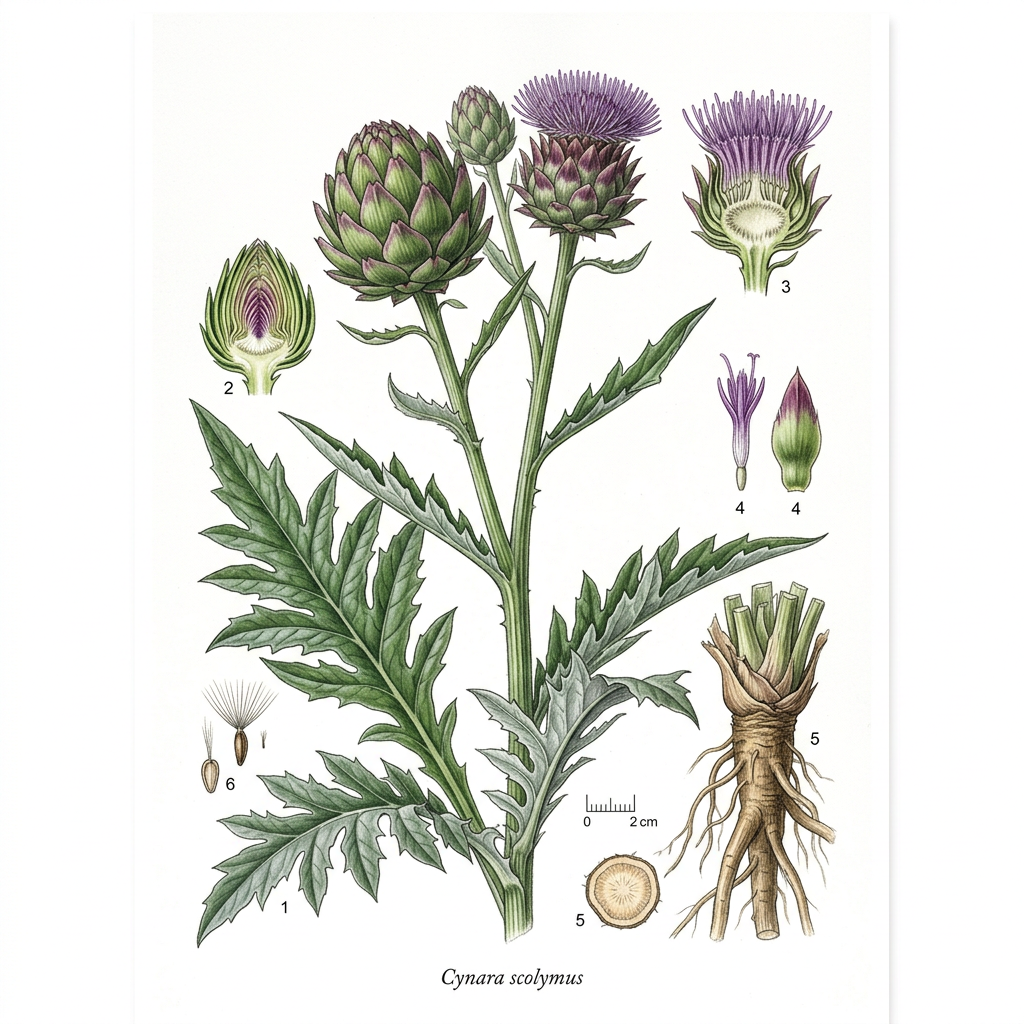
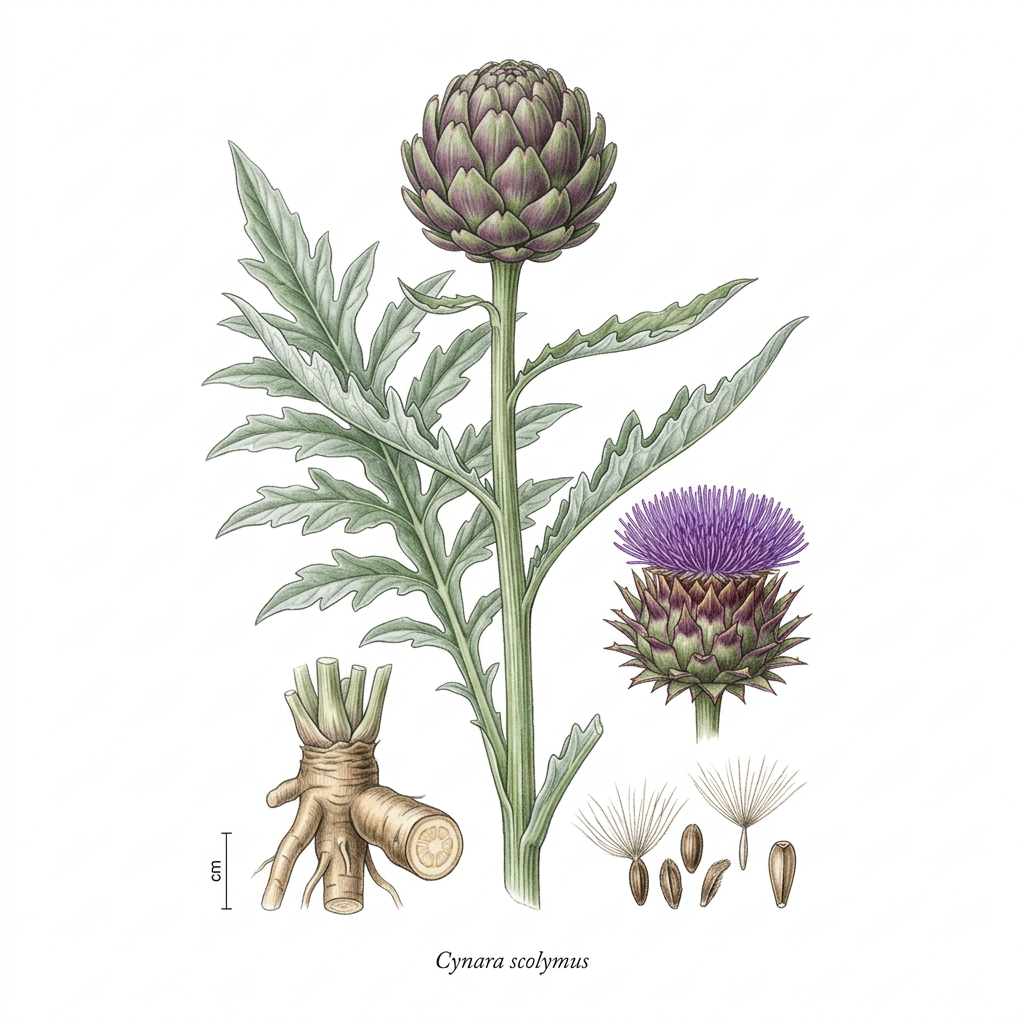
Artichoke

Artichoke

Cynara scolymus

Liver Support
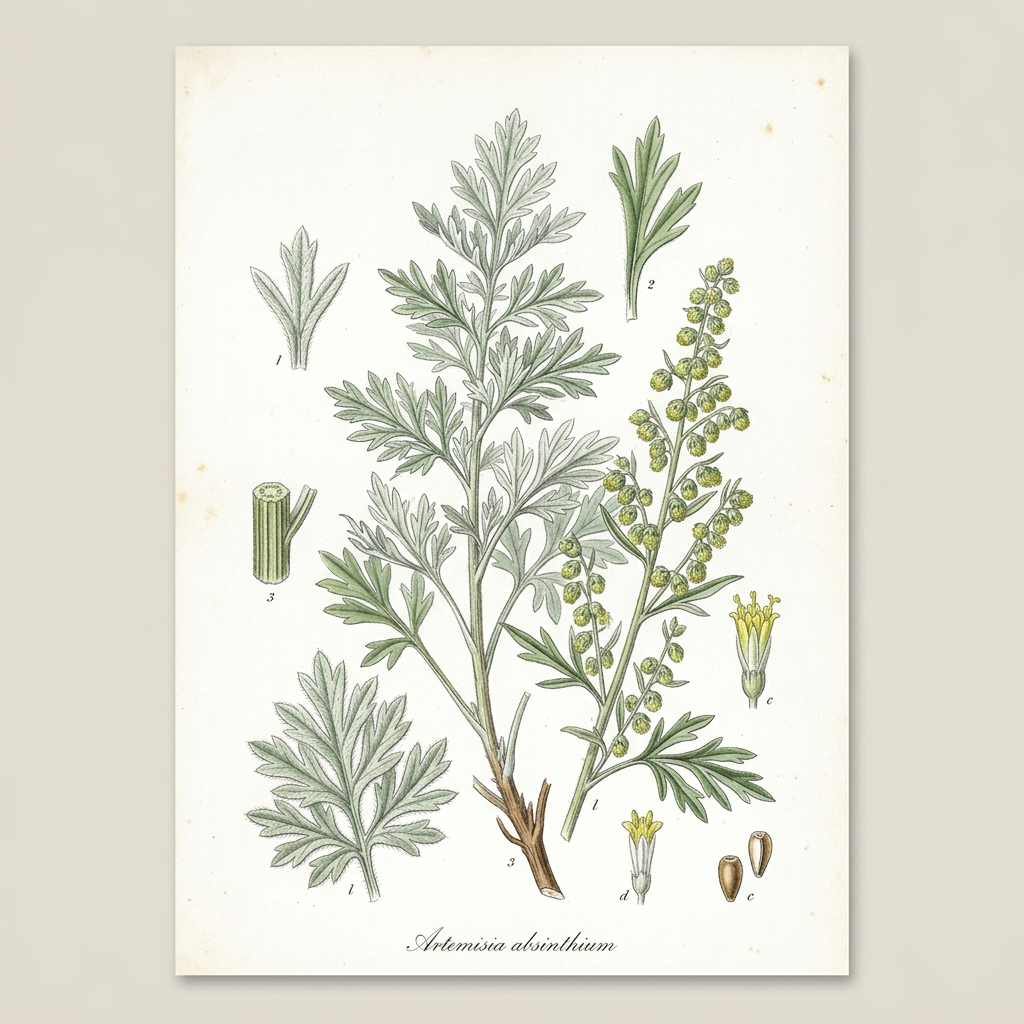
Wormwood

Wormwood

Artemisia absinthium

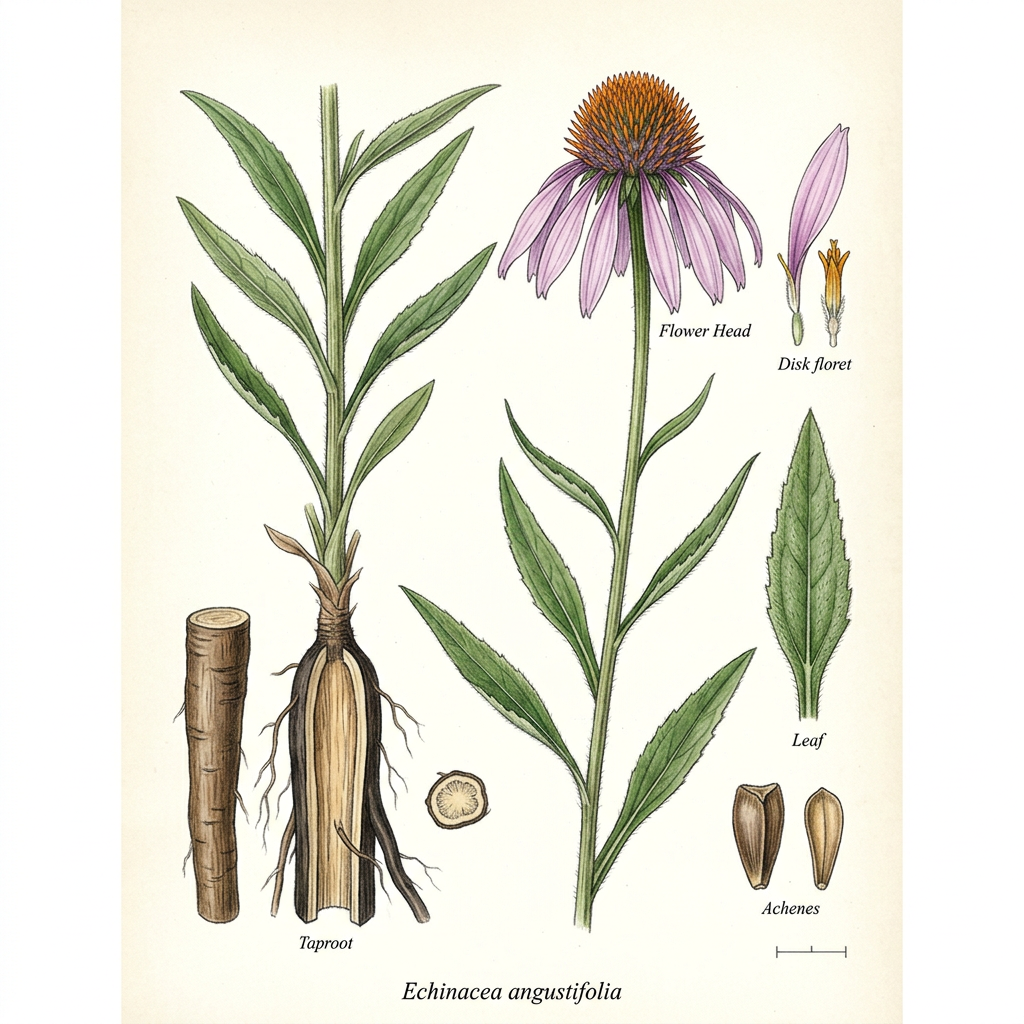
Echinacea angustifolia

Echinacea angustifolia
Echinacea angustifolia

Immune System Support
Globe artichoke

Globe artichoke

Cynara scolymus

Liver Support