The Wild Sage logo
The Wild Sage Logo

Herbal Medicine at your fingertips

Comprehensive database of herbal remedies with detailed safety information and traditional uses

New to herbal terms? Read the glossary →
ADHD
Abcess
Acid Reflux Relief
Acinetobacter
Acne
Acne Vulgaris
Addisons
Adenomyosis
Adenovirus
Adrenal fatigue
Aging
Aids
Alcaligenes faecalis
Alcoholism
Allergic Rhinitis
Allergies
Allergy
Alopoecia
Alopoecia nervosa
Alzheimer's, Dementia & Cognitive Decline
420 herbs found
Important: This information is for educational purposes only. Always consult with qualified healthcare professionals before using herbal remedies, especially if you have existing health conditions or take medications.
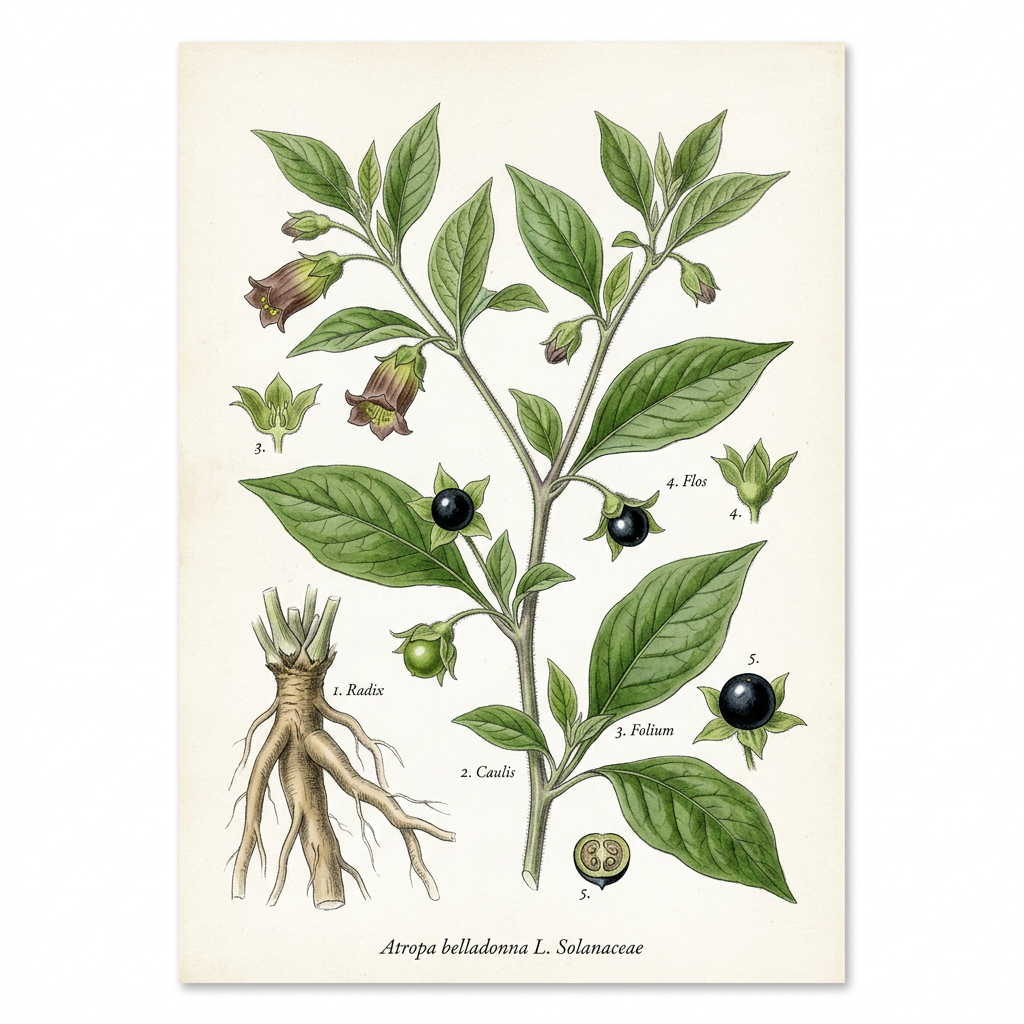
Deadly Nightshade

Deadly Nightshade

Atropa belladonna

high risk Risk
Solanaceae
Deadly nightshade is associated with transformation and has protective energy but is highly toxic.
<p>Belladonna, commonly known as deadly nightshade, is a perennial herbaceous plant indigenous to Europe, North Africa, and parts of Western Asia. Historically, its use dates back thousands of years, woven into the fabric of both ancient medicine and folklore. Traditionally employed in various cultures for its potent medicinal properties, Belladonna has been utilized to treat a spectrum of ailments, ranging from muscle spasms and pain relief to more complex conditions such as epilepsy and asthma. Despite its historical significance, this herb is infamous for its high toxicity, primarily due to the presence of alkaloids such as atropine, scopolamine, and hyoscyamine, which can induce profound physiological effects and, if misused, can be fatal. Belladonna is renowned for its key therapeutic properties, which include its antispasmodic, analgesic, and drying actions. It is effectively employed in the management of various ailments such as hyperhidrosis, incontinence, chronic bronchitis, and even trigeminal neuralgia, where it alleviates debilitating nerve pain. Additionally, its ability to dry mucous membranes makes it advantageous in treating excessive salivation, respiratory congestion, and gastrointestinal disturbances. In homeopathic contexts, Belladonna is often utilized to address acute inflammatory conditions and spasmodic disorders, demonstrating its versatility in both conventional and alternative medicine frameworks. At a physiological level, Belladonna exerts its effects primarily through competitive antagonism at muscarinic acetylcholine receptors, which leads to an inhibition of parasympathetic nerve impulses. This action results in decreased glandular secretions, relaxation of smooth muscle, and dilation of pupils—manifesting in its use for pain relief and muscle spasms. Moreover, the herb’s impact on the central nervous system through its alkaloids can help relieve symptoms associated with neurological conditions, offering a dual action that addresses both peripheral and central symptoms. However, due to its potent effects and the risk of toxicity, Belladonna should only be used under professional guidance, ensuring its applications remain safe and effective within clinical settings.</p>

Uses & Conditions

Asthma
Biliary Dyskinesia
Bronchitis
Colic
Dysmenorrhoea
Enterocolitis
Enuresis
Fasciola Hepatica
Gall Stones
Gastritis
Gout
Headache
Hyperhidrosis
Infertility
Insomnia
Irritable Bowel Syndrome (IBS)
Kidney Stones
Neuralgia
Parkinsons
Pertussis
Polyuria
Rheumatism
Senile Tremors
Spasms
Trigeminal Neuralgia
Toxic
Urinary Frequency
Urinary Incontinence

Actions

Antispasmodic
Analgesic

Parts Used

Root and leaf

Native Countries

Europe

USDA Hardiness Zones

3-9

Dosages, tincture ratios & research — members only

Unlock Garreth's dosing guidance, tincture ratios, the dosage calculator and the research studies for Deadly Nightshade.

Your assessment and results stay saved — upgrading only unlocks more of them.

See membership plans

Community Photos

No community photos yet. Sign in to upload photos.

Reviews & Ratings

Sign in to leave a review.

No reviews yet. Be the first!

GF

Garreth Falls — B.Th., Dip. H.M., MNIMH

Content curated and reviewed by Garreth Falls, Consultant Medical Herbalist · The Wild Sage

Medical Disclaimer: This information is for educational purposes only and is not intended as medical advice. Always consult with qualified healthcare professionals before starting any herbal treatment.
Western tradition

Sustainability & quality

Cultivated

Potentially lethal; use only pharmaceutical-grade standardized extracts.

Key constituents

Atropine, Anti-inflammatory, Scopalomine, Tropane alkaloids, Hyoscyamine

References

  1. British Herbal Pharmacopoeia 1983
  2. Mills & Bone "The Essential Guide to Herbal Safety" 2005

Reviewed by Garreth, Medical Herbalist (MNIMH) · October 2026

Related conditions

Explore conditions where Deadly Nightshade is traditionally used.

Related Herbs
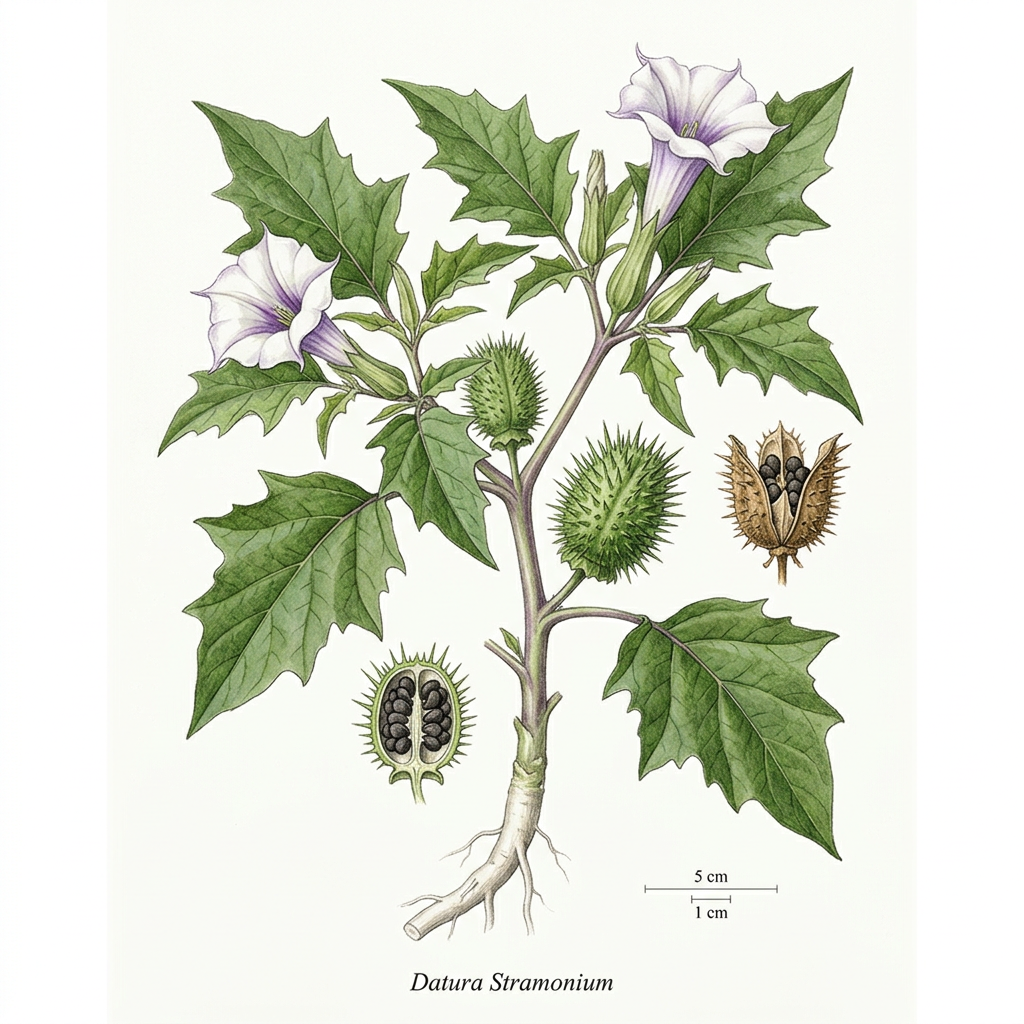
Jimson weed

Jimson weed

Datura stramonium

Dream Work
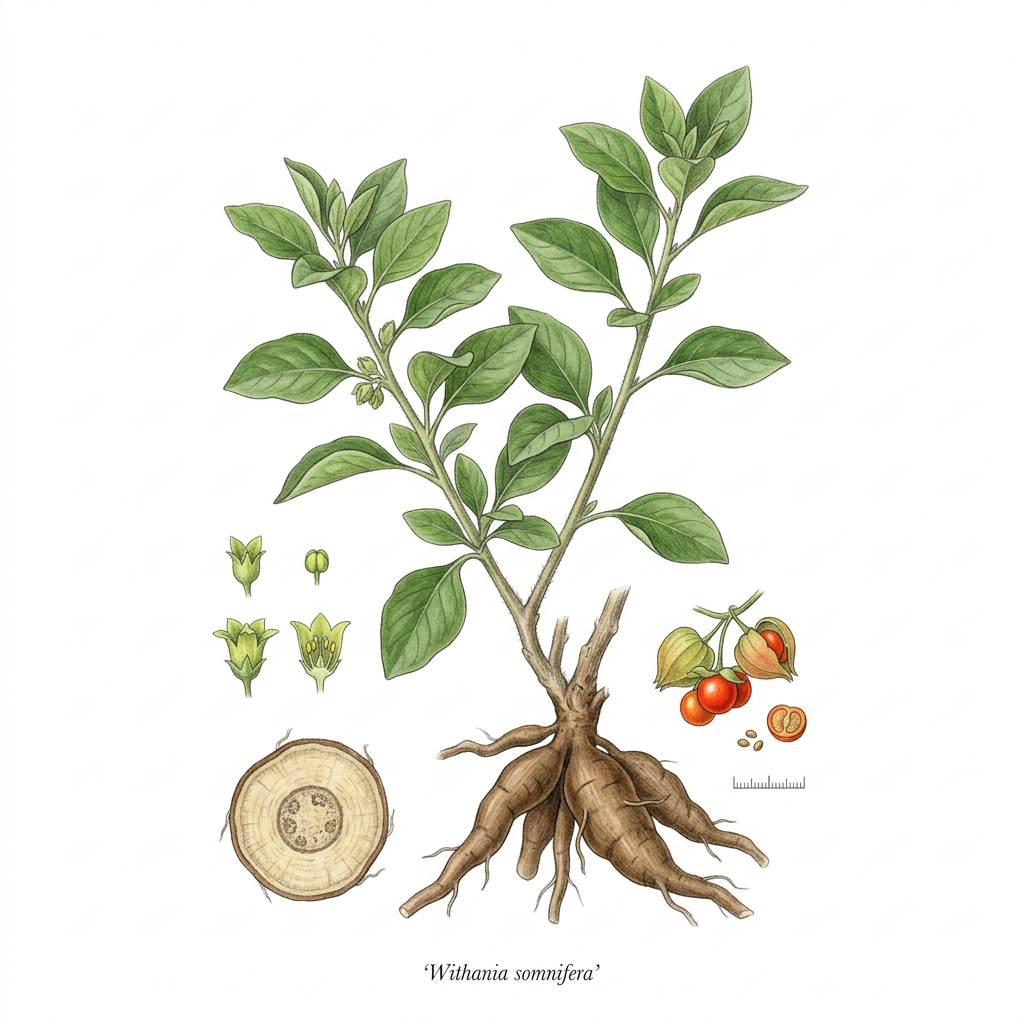
Ashwagandha

Ashwagandha

Withania somnifera

Immune Support
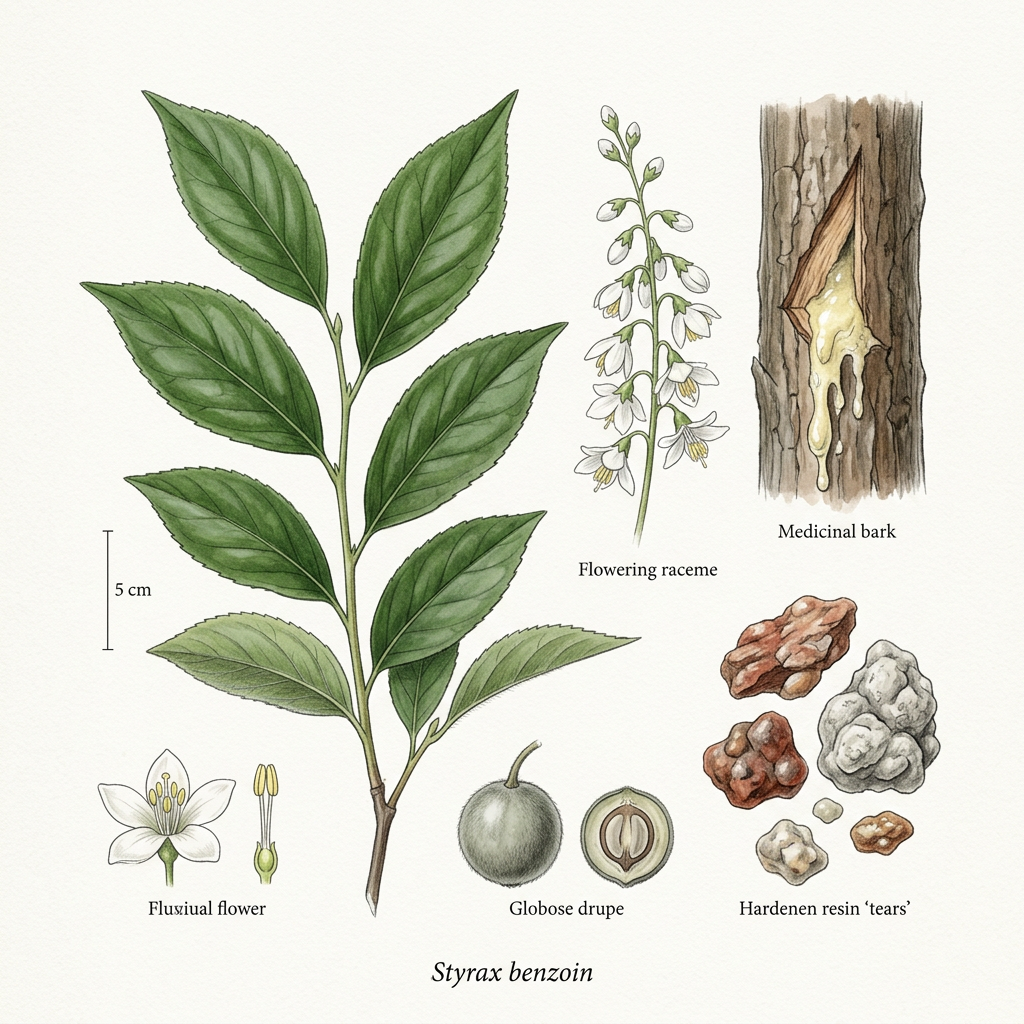
Benzoin

Benzoin

Styrax benzoin

Emotional distress
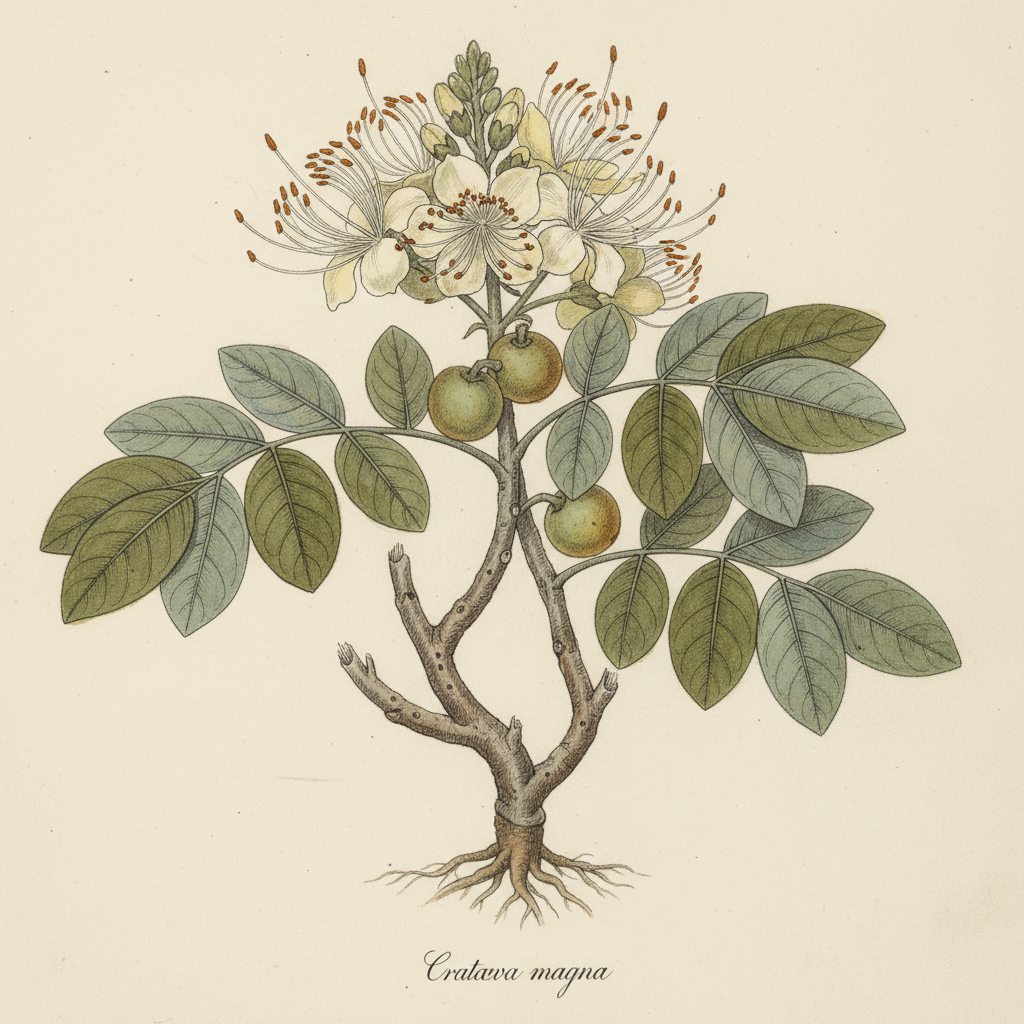
Crataeva magna

Crataeva magna

Crataeva magna

Digestive Support