The Wild Sage logo
The Wild Sage Logo

Herbal Medicine at your fingertips

Comprehensive database of herbal remedies with detailed safety information and traditional uses

New to herbal terms? Read the glossary →
ADHD
Abcess
Acid Reflux Relief
Acinetobacter
Acne
Acne Vulgaris
Addisons
Adenomyosis
Adenovirus
Adrenal fatigue
Aging
Aids
Alcaligenes faecalis
Alcoholism
Allergic Rhinitis
Allergies
Allergy
Alopoecia
Alopoecia nervosa
Alzheimer's, Dementia & Cognitive Decline
420 herbs found
Important: This information is for educational purposes only. Always consult with qualified healthcare professionals before using herbal remedies, especially if you have existing health conditions or take medications.
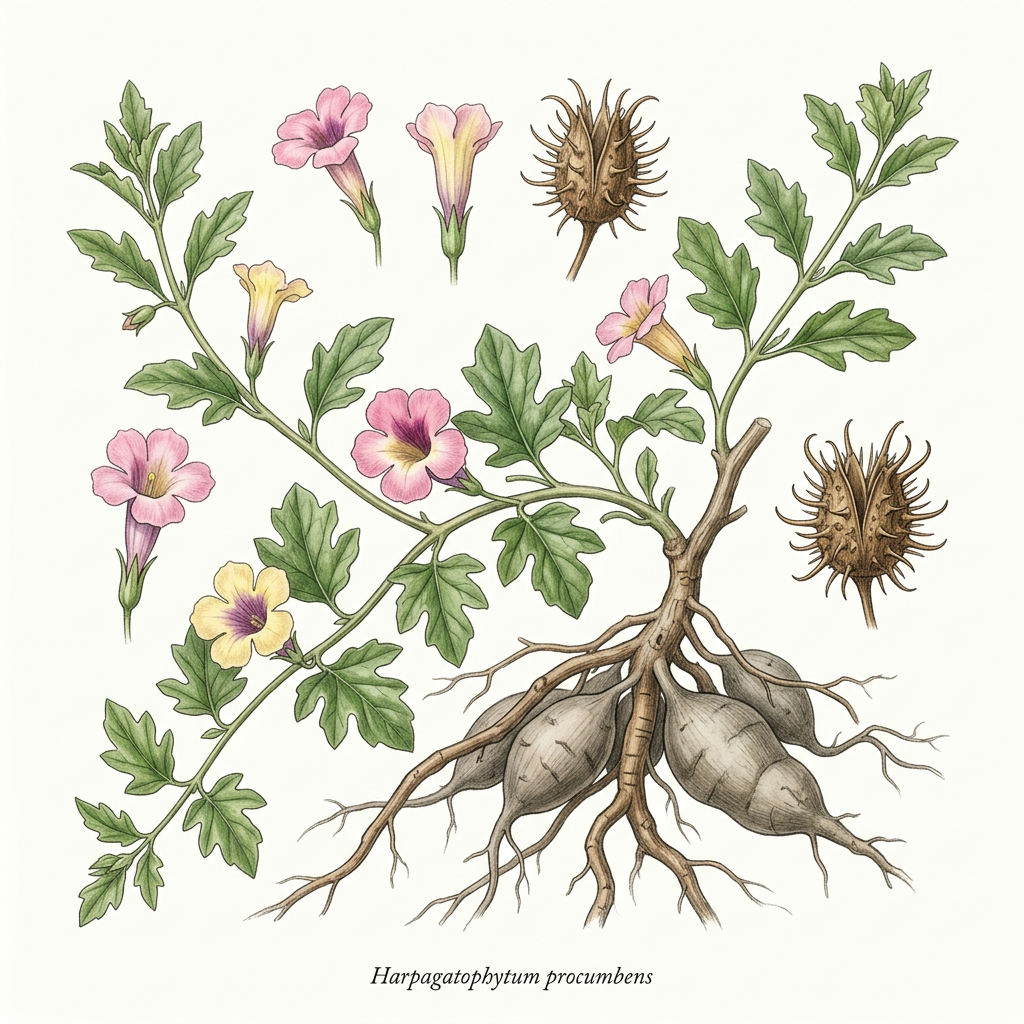
Devil's Claw

Devil's Claw

Harpagophytum procumbens

low risk Risk
Pedaliaceae
<p>Devil's Claw, or Harpagophytum procumbens, is a striking perennial herb native to the arid regions of southern Africa, particularly the Kalahari Desert. Traditionally, it has been used for centuries by indigenous peoples, including the Khoisan, for its remarkable healing properties. The name "Devil's Claw" derives from the unique, hook-like shape of its fruit, which historically posed challenges for livestock. However, its roots—harvested for their therapeutic benefits—have been a crucial part of the healing practices within these communities, where they were employed to alleviate pain, reduce inflammation, and support overall wellness. The herb's therapeutic profile is primarily attributed to its active compounds, including harpagoside, which possesses significant analgesic and anti-inflammatory properties. Devil's Claw is widely recognized for its efficacy in managing conditions such as arthritis, back pain, and joint discomfort. Research has shown that it can help reduce pain and improve joint function, making it an invaluable resource for individuals seeking natural alternatives to conventional pain relief. In European and North American herbal medicine, it has gained prominence as a supportive remedy for chronic inflammatory conditions, allowing users to maintain a more active and fulfilling lifestyle without the side effects often associated with pharmaceutical analgesics. The mechanism by which Devil's Claw exerts its effects involves inhibition of inflammatory mediators in the body, particularly through the reduction of pro-inflammatory cytokines. This action not only alleviates pain but also supports the healing processes within the musculoskeletal system. The herb enhances circulation and assists in the removal of metabolic waste, contributing to overall joint health and recovery. By utilizing the synergistic effects of its bioactive compounds, Devil's Claw offers a holistic approach to pain management, appealing to those seeking natural options rooted in traditional wisdom combined with contemporary understanding of herbal medicine.</p>

Uses & Conditions

Circulation enhancement
Metabolic waste removal
Musculoskeletal support
Anorexia
Back pain
Bursitis
Crohn’s disease
Dyspepsia
Fibromyalgia
Gout
Non-Hodgkin's lymphoma
Osteoarthritis
Poor appetite
Rheumatoid arthritis
Tendinitis
Ulcerative colitis

Actions

Analgesic
Anti-inflammatory
NFkB inhibitor
PEG2 reduction
TNF-a reduction

Parts Used

Roots

Native Countries

Africa

USDA Hardiness Zones

USDA 9-11

Contraindications

  • Stomach or digestive ulcers
  • Precaution in patients with liver disease
  • Precaution in patients with kidney disease
  • Precaution in patients with depression
  • Precaution in patients with psychosis
  • History of allergic reactions

Potential Side Effects

  • Mild gastrointestinal disturbances (nausea, abdominal pain, or diarrhoea)
  • Headaches
  • Dizziness
  • Skin hypersensitivity or allergic rashes

Interactions

  • Anticoagulant and antiplatelet medications (e.g., warfarin, clopidogrel): potential theoretical increase in bleeding risk
  • Non-steroidal anti-inflammatory drugs (NSAIDs): potential additive effect
  • Cardiac medications: potential for altered effects on heart rate or rhythm
  • Antidiabetic medications: potential potentiation of blood-glucose-lowering effects

Dosages, tincture ratios & research — members only

Unlock Garreth's dosing guidance, tincture ratios, the dosage calculator and the research studies for Devil's Claw.

Your assessment and results stay saved — upgrading only unlocks more of them.

See membership plans

Community Photos

No community photos yet. Sign in to upload photos.

Reviews & Ratings

Sign in to leave a review.

No reviews yet. Be the first!

GF

Garreth Falls — B.Th., Dip. H.M., MNIMH

Content curated and reviewed by Garreth Falls, Consultant Medical Herbalist · The Wild Sage

Medical Disclaimer: This information is for educational purposes only and is not intended as medical advice. Always consult with qualified healthcare professionals before starting any herbal treatment.
Western tradition

Sustainability & quality

At risk

Wild populations in Southern Africa are under pressure. Use only certified sustainably harvested material or commercially cultivated sources.

Key constituents

Harpagoside, - Harpagide, - Procumbide, Flavonoids, - Phenolic compounds, - Triterpenes

References

  1. Bone & Mills "Principles and Practice of Phytotherapy" 2nd ed. 2013
  2. ESCOP Monographs 2nd ed. 2003
  3. Herbal Reality. Herb monographs. herbalreality.com

Reviewed by Garreth, Medical Herbalist (MNIMH) · October 2026

Related conditions

Explore conditions where Devil's Claw is traditionally used.

Related Herbs
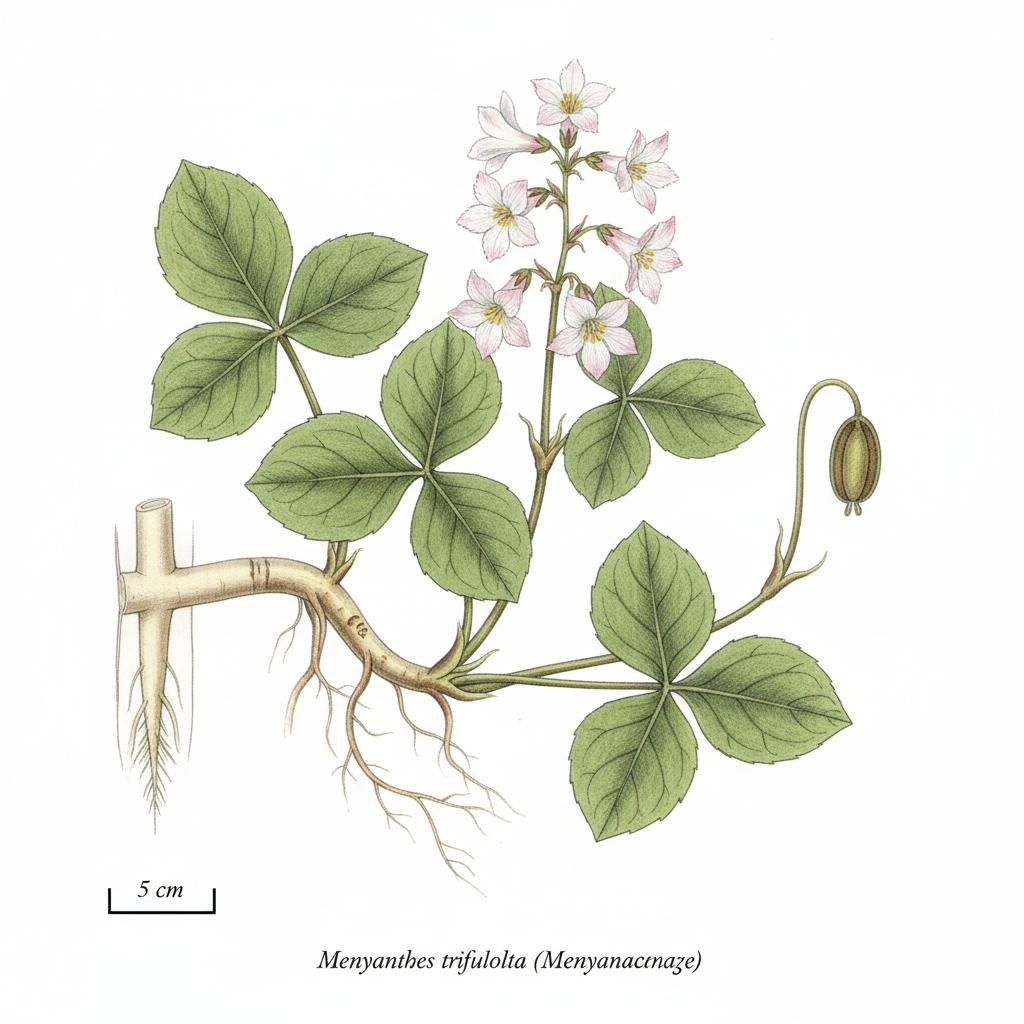
Bogbean

Bogbean

Menyanthes trifoliata

Digestive Stimulant
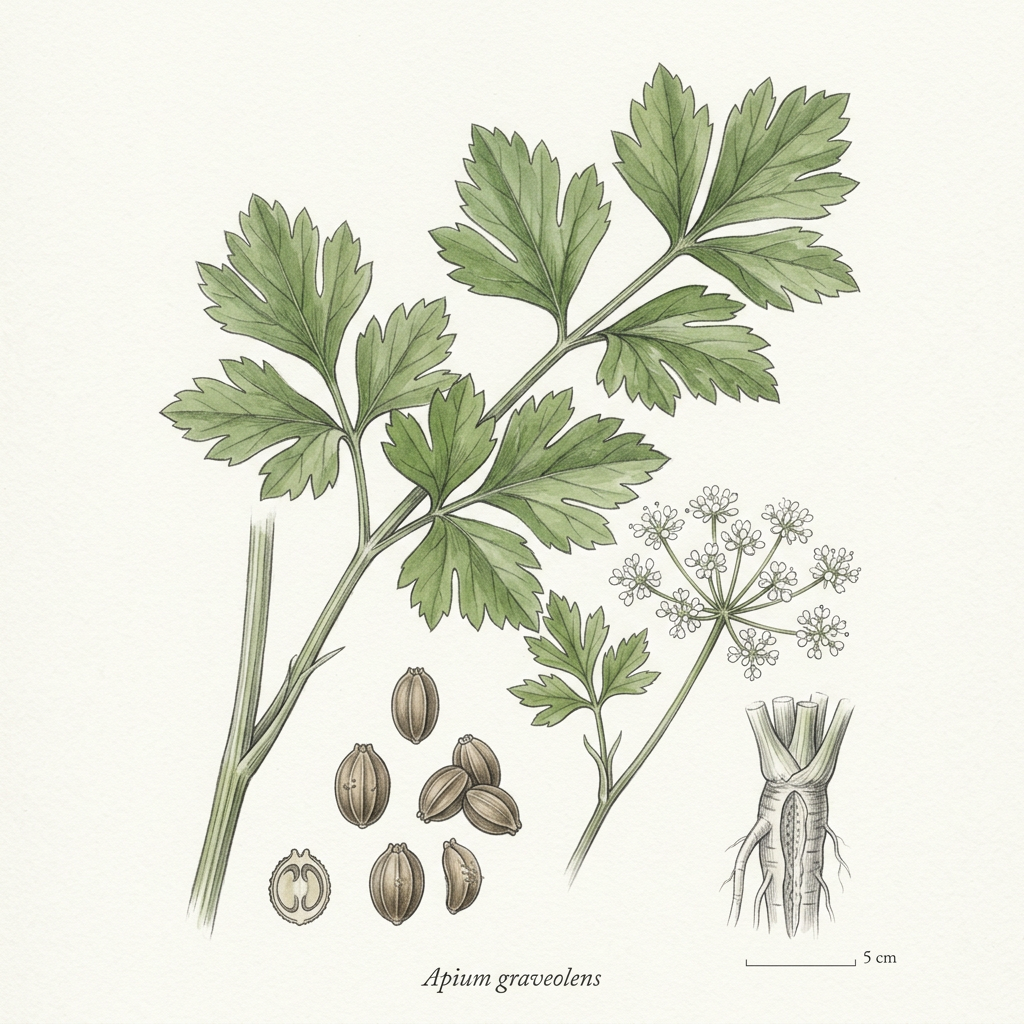
Celery Seed

Celery Seed

Apium graveolens

Digestive Aid
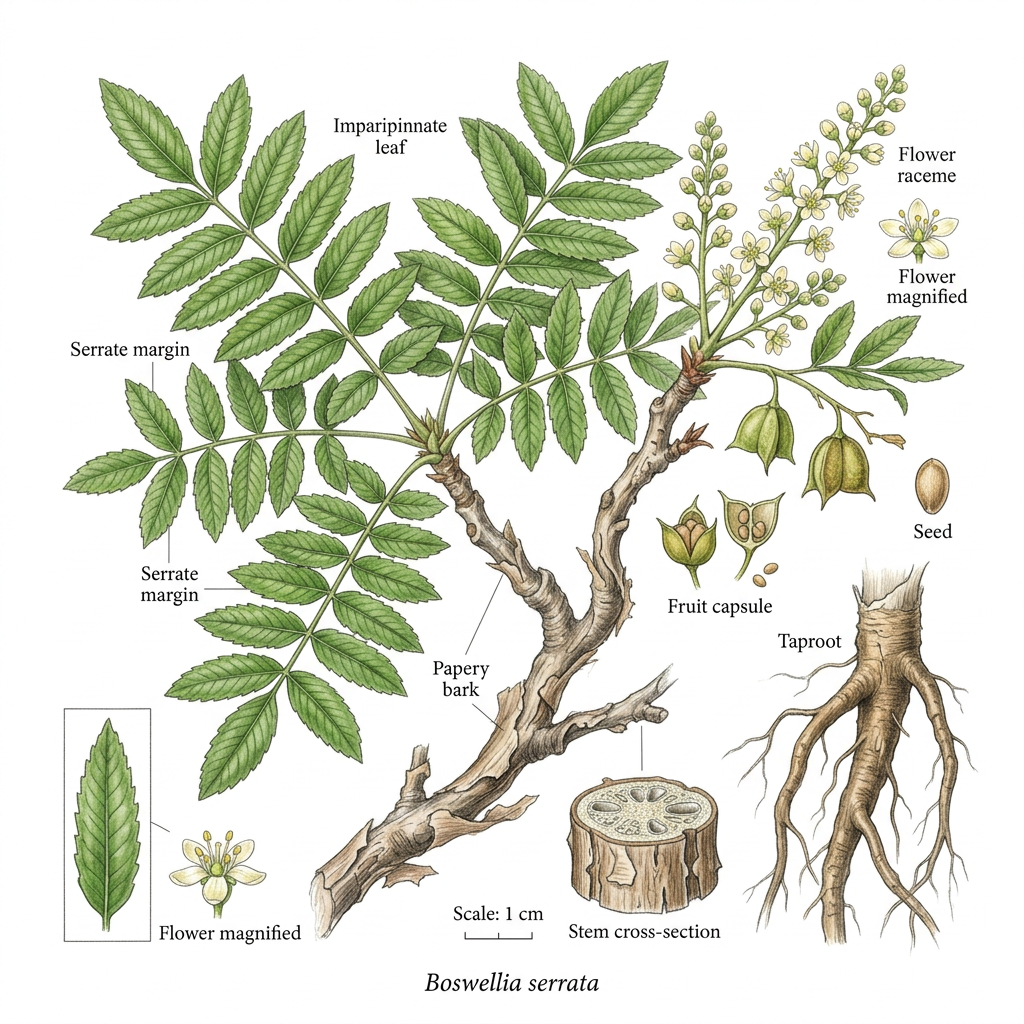
Frankincense

Frankincense

Boswellia serrata

Immune Modulation
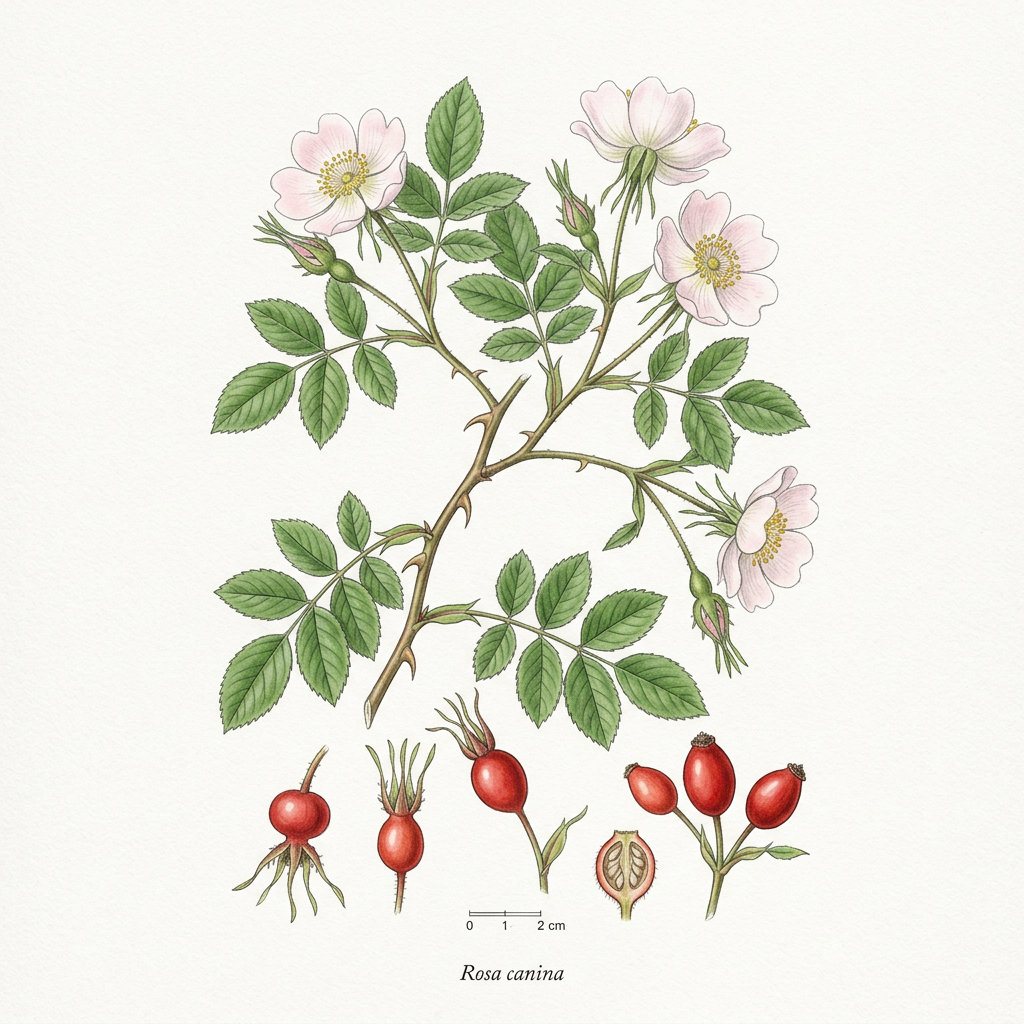
Dog rose

Dog rose

Rosa canina

Immune Support