The Wild Sage logo
The Wild Sage Logo

Herbal Medicine at your fingertips

Comprehensive database of herbal remedies with detailed safety information and traditional uses

New to herbal terms? Read the glossary →
ADHD
Abcess
Acid Reflux Relief
Acinetobacter
Acne
Acne Vulgaris
Addisons
Adenomyosis
Adenovirus
Adrenal fatigue
Aging
Aids
Alcaligenes faecalis
Alcoholism
Allergic Rhinitis
Allergies
Allergy
Alopoecia
Alopoecia nervosa
Alzheimer's, Dementia & Cognitive Decline
420 herbs found
Important: This information is for educational purposes only. Always consult with qualified healthcare professionals before using herbal remedies, especially if you have existing health conditions or take medications.
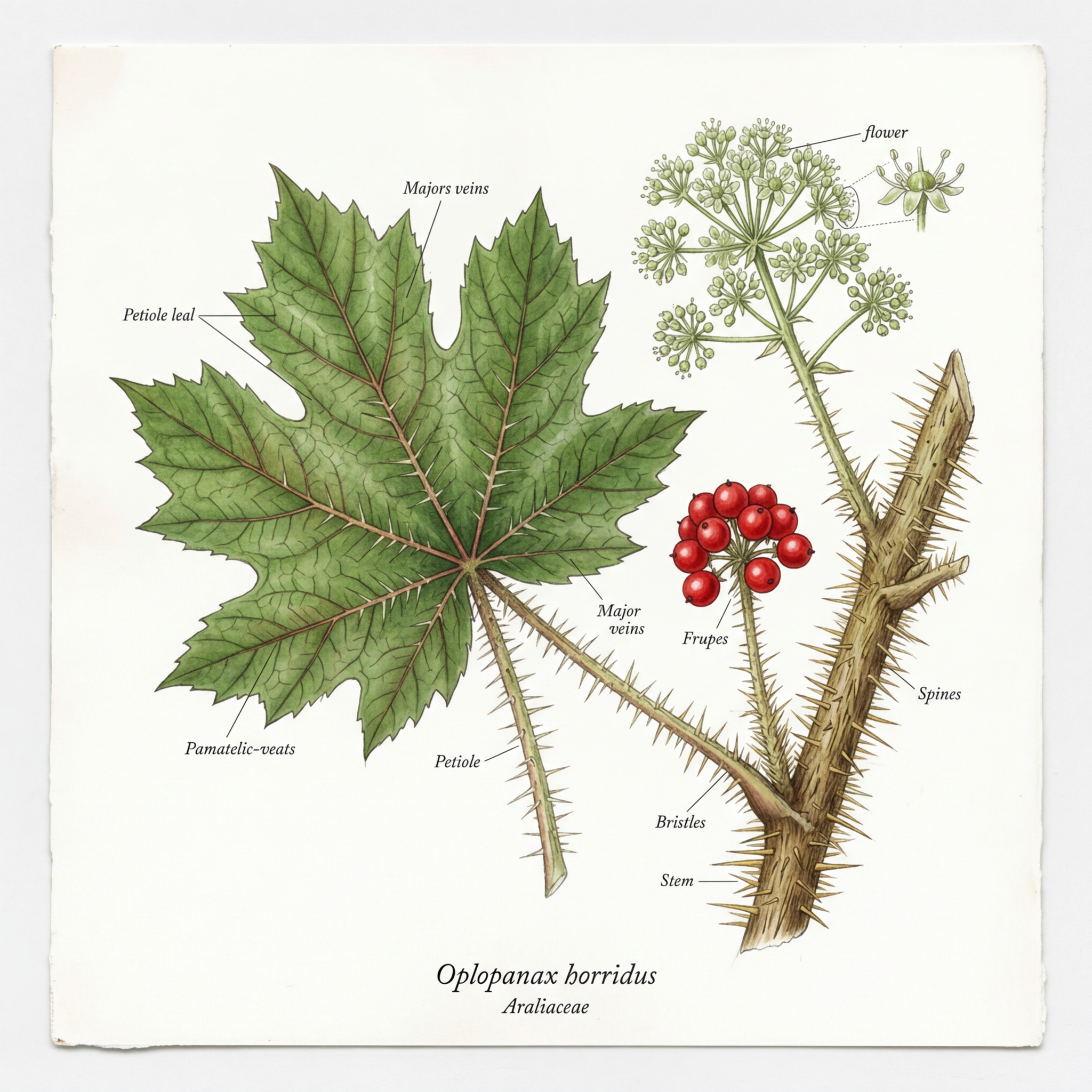
Devil's Club

Devil's Club

Oplopanax horridus

low risk Risk
Araliaceae
<p>Oplopanax horridus, commonly known as Devil's Club, is a perennial herbaceous plant indigenous to the temperate rainforests of the Pacific Northwest, particularly flourishing in regions such as Alaska, British Columbia, and Washington. Historically, this remarkable herb has been utilized by various Indigenous peoples, who recognized its myriad health benefits. Traditionally, the inner bark and roots have been employed for a range of ailments, from respiratory disorders to digestive issues and musculoskeletal pain. Its rich folklore includes belief in its protective qualities against evil spirits and its use in spiritual ceremonies, underscoring the deep cultural significance attributed to this botanical ally. The therapeutic properties of Oplopanax horridus are becoming increasingly recognized in modern herbal medicine. Key actions of this herb include its role as a COX-2 inhibitor, which suggests potential in alleviating inflammation and pain, particularly in chronic inflammatory conditions. Additionally, it has demonstrated the capacity to reduce tumor necrosis factor-alpha (TNF-a) levels, a pro-inflammatory cytokine often implicated in various autoimmune diseases. The herb also functions as an inhibitor of nuclear factor kappa-light-chain-enhancer of activated B cells (NF-kB), a crucial mediator in inflammatory and immune responses. Together, these mechanisms position Oplopanax horridus as a promising candidate for promoting overall health, particularly for individuals suffering from inflammatory disorders, arthritis, and other chronic inflammatory conditions. When Oplopanax horridus is ingested, its bioactive compounds interact with cellular pathways to regulate inflammation. By inhibiting the COX-2 enzyme, it reduces the synthesis of prostaglandins, which are compounds that contribute to pain and inflammation. Furthermore, by lowering TNF-a levels and impeding NF-kB activity, the herb helps to modulate immune responses, providing a calming effect on the body’s inflammatory processes. This multifaceted approach not only addresses the symptoms of inflammation and pain but also supports long-term health by stabilizing the immune system’s reaction to various stressors. As research continues to unveil the extensive benefits of Oplopanax horridus, it remains a crucial herb for both traditional herbalists and contemporary practitioners seeking natural solutions for inflammatory health challenges.</p>

Uses & Conditions

Immune modulation
Stress response stabilisation
Cultural protective qualities
Spiritual ceremony aid
Cellular pathway regulation
Respiratory disorders
Digestive issues
Musculoskeletal pain
Chronic inflammation
Arthritis
Autoimmune diseases
Diabetes
Cough

Actions

Anti-inflammatory
COX-2 inhibitor
TNF-alpha inhibitor
NF-kB inhibitor

Parts Used

Root bark
Stem bark

Native Countries

United States
Canada
Alaska
Russia
Japan

USDA Hardiness Zones

3
4
5
6

Contraindications

  • Pregnancy and breastfeeding
  • Pre-existing liver or kidney impairment
  • Scheduled surgery
  • Known allergy to the Araliaceae family

Potential Side Effects

  • Mild gastrointestinal upset including nausea or bloating
  • Hypoglycaemia
  • Skin irritation upon topical application

Interactions

  • Antidiabetic medications
  • Immunosuppressants
  • Non-steroidal anti-inflammatory drugs (NSAIDs)

Dosages, tincture ratios & research — members only

Unlock Garreth's dosing guidance, tincture ratios, the dosage calculator and the research studies for Devil's Club.

Your assessment and results stay saved — upgrading only unlocks more of them.

See membership plans

Community Photos

No community photos yet. Sign in to upload photos.

Reviews & Ratings

Sign in to leave a review.

No reviews yet. Be the first!

GF

Garreth Falls — B.Th., Dip. H.M., MNIMH

Content curated and reviewed by Garreth Falls, Consultant Medical Herbalist · The Wild Sage

Medical Disclaimer: This information is for educational purposes only and is not intended as medical advice. Always consult with qualified healthcare professionals before starting any herbal treatment.
Western tradition

Sustainability & quality

At risk

Listed by United Plant Savers; strictly source only from ethical, cultivated, or sustainably managed programs.

References

  1. Herbal Reality. Herb monographs. herbalreality.com

Reviewed by Garreth, Medical Herbalist (MNIMH) · October 2026

Related conditions

Explore conditions where Devil's Club is traditionally used.

Related Herbs
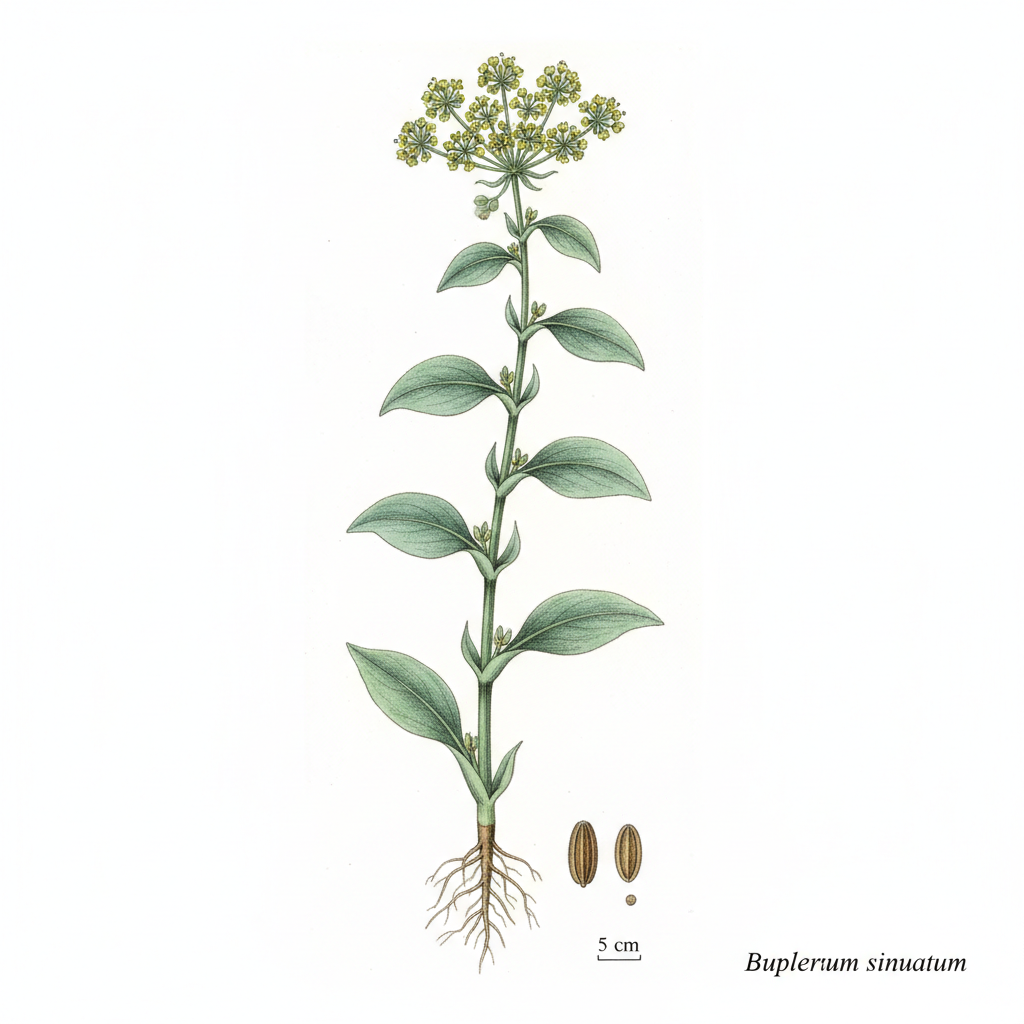
Bupleurum

Bupleurum

Bupleurum

Detoxification
Ginseng

Ginseng

Panax ginseng

Energy Booster
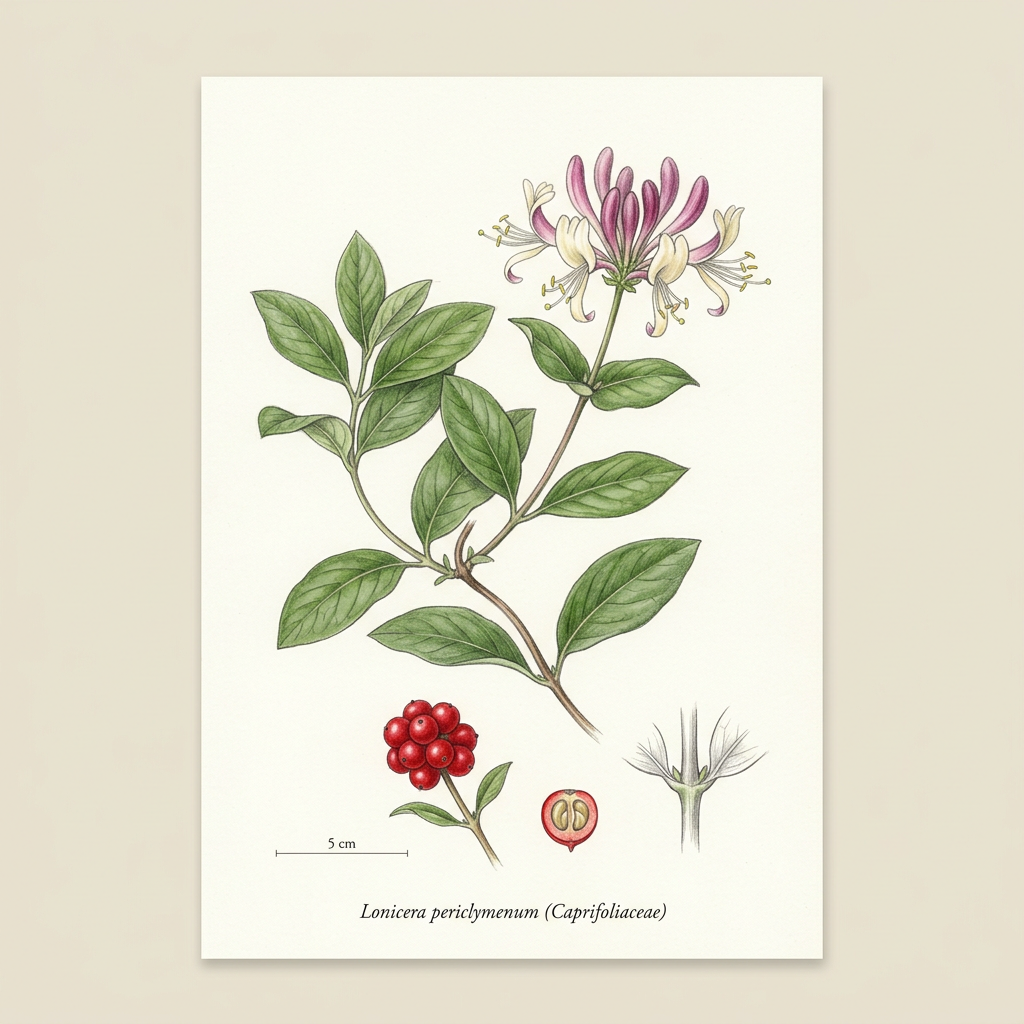
Honeysuckle

Honeysuckle

Lonicera periclymenum

Detoxification
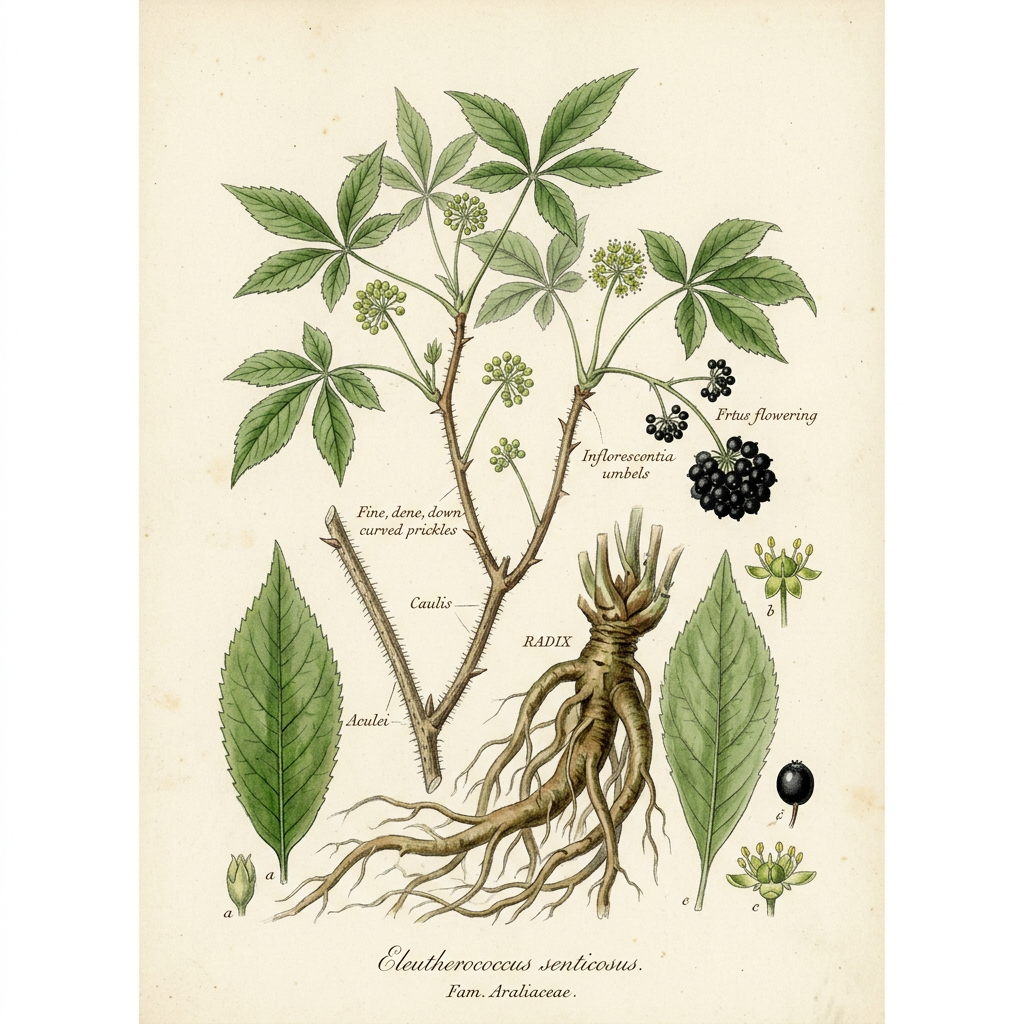
SIberian ginseng

SIberian ginseng

Eleutherococcus senticosus

Cognitive Support