The Wild Sage logo
The Wild Sage Logo

Herbal Medicine at your fingertips

Comprehensive database of herbal remedies with detailed safety information and traditional uses

New to herbal terms? Read the glossary →
ADHD
Abcess
Acid Reflux Relief
Acinetobacter
Acne
Acne Vulgaris
Addisons
Adenomyosis
Adenovirus
Adrenal fatigue
Aging
Aids
Alcaligenes faecalis
Alcoholism
Allergic Rhinitis
Allergies
Allergy
Alopoecia
Alopoecia nervosa
Alzheimer's, Dementia & Cognitive Decline
420 herbs found
Important: This information is for educational purposes only. Always consult with qualified healthcare professionals before using herbal remedies, especially if you have existing health conditions or take medications.
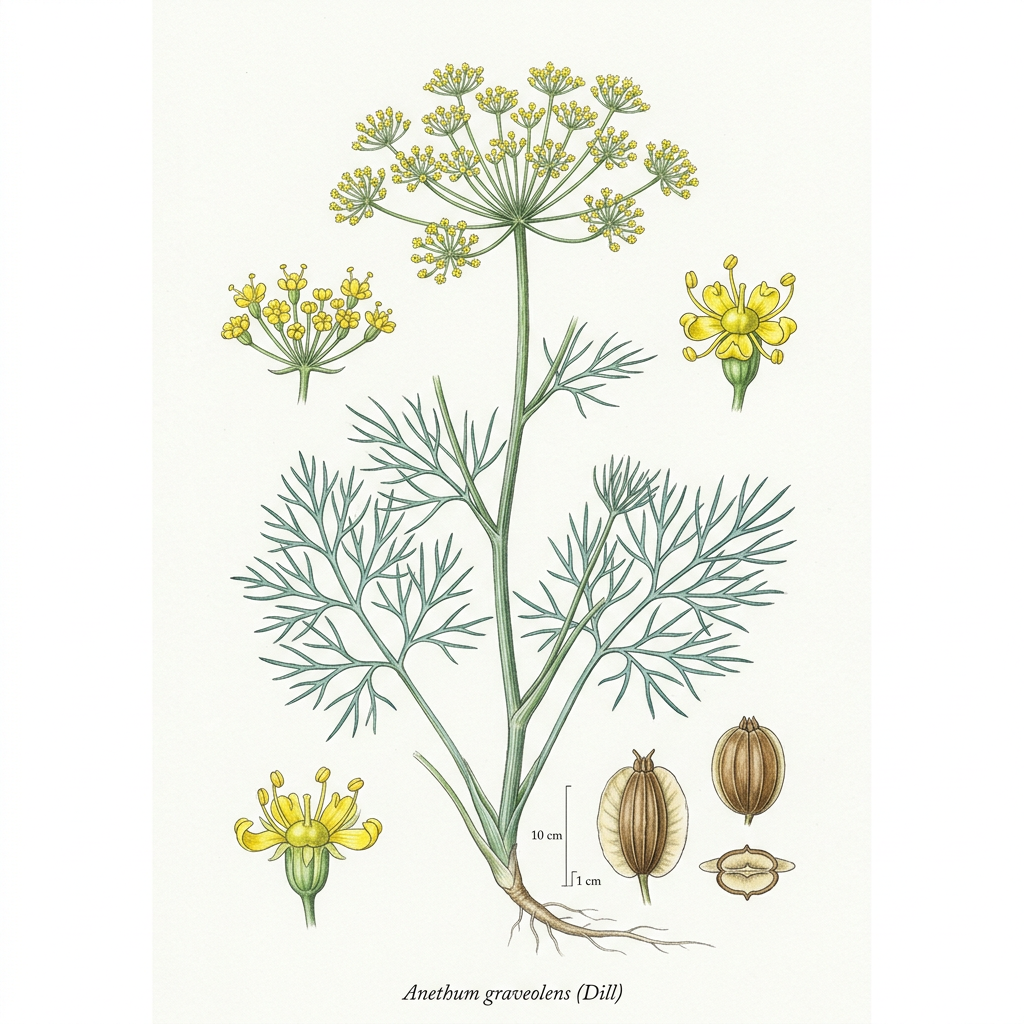
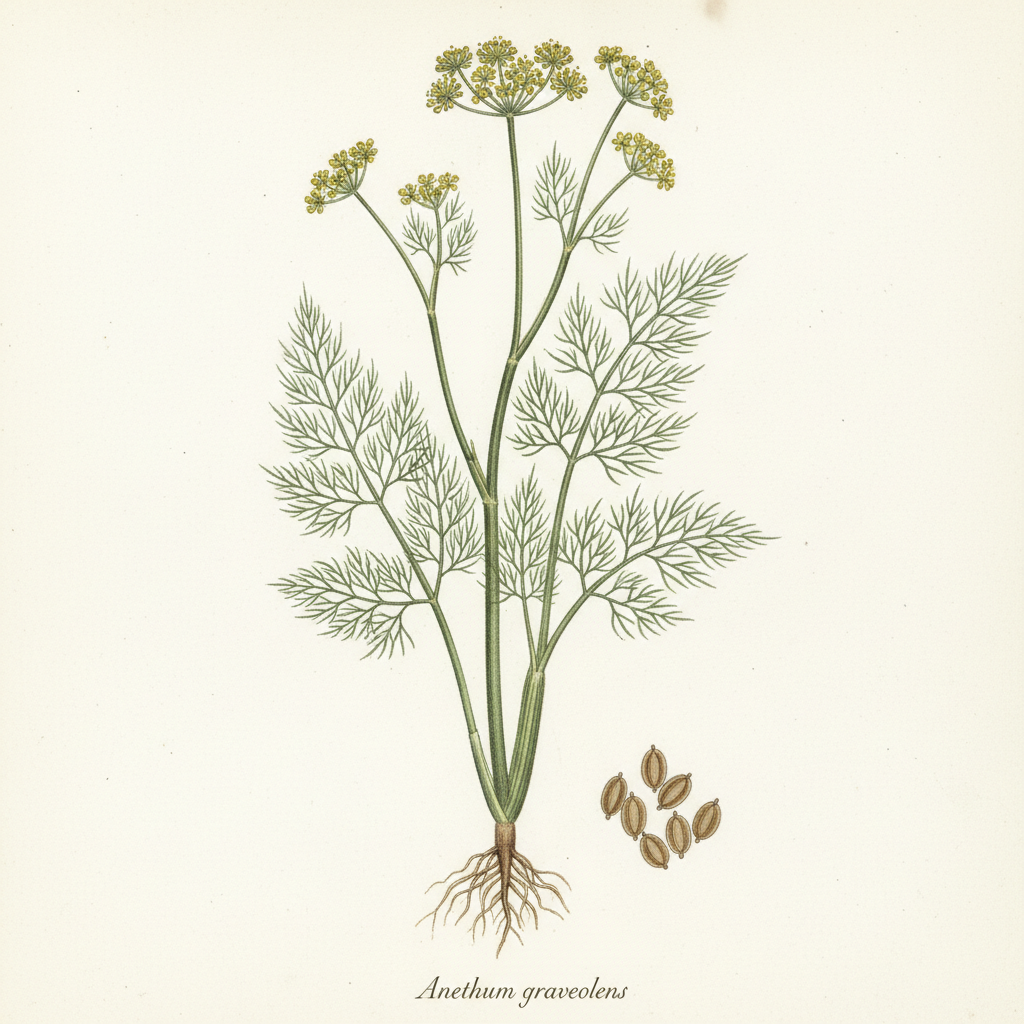
Dill

Dill

Anethum graveolens

low risk Risk
Apiaceae
cooling, moistening
<p>Anethum graveolens, commonly known as dill, is an aromatic herb belonging to the Apiaceae family, native to southern Europe and western Asia. Historically, dill has been valued not only as a culinary herb for its distinct flavor but also for its medicinal properties, which have been utilized in traditional medicine systems for centuries. The ancient Greeks and Romans recognized its value, often using it to aid digestion and bolster wellness. In folk medicine, dill was considered a potent remedy for digestive ailments, mood stabilization, and lactation enhancement, reflecting its longstanding relationship with human health. Dill's therapeutic benefits are well-documented, particularly concerning digestive disorders and mood stabilization. As a Tier 1 indication, studies have shown that dill tincture promotes digestive comfort, alleviating symptoms such as bloating and gas, thus supporting gastrointestinal health. When consumed as a tea, dill has been associated with enhanced mood and reduced anxiety, suggesting that its anxiolytic properties may contribute to overall mental well-being. Furthermore, dill shows promise as a galactagogue; it can support breastfeeding mothers by potentially increasing milk production. This herb also exhibits antibacterial and antioxidant properties, positioning it as a multifaceted player in holistic health. Its choleretic action stimulates bile production, which is essential for fat digestion and absorption, enhancing liver function and digestive efficacy. The multifaceted actions of dill in the body can be attributed to its diverse bioactive compounds, including flavonoids, phenolic acids, and essential oils, which play a critical role in its therapeutic effects. For instance, these compounds modulate inflammatory pathways by inhibiting NFkB and reducing TNF-alpha levels, contributing to its anti-inflammatory properties. Additionally, the essential oils in dill possess an antibacterial effect, providing a protective quality against pathogenic microbes. By harmonizing these various effects, dill supports the body's natural resilience, aiding in digestive health and emotional balance while showing promise in applications for skin sensitivity and lactation support. As an accessible and versatile herb, Anethum graveolens continues to hold significance in both culinary and medicinal practices, bridging the gap between ancient traditions and contemporary health and wellness.</p>

Uses & Conditions

Lactation Support
Fat Digestion
Traditional Medicine
Digestive Disorders
Bloating
Gas
Hypothyroidism
Anxiety

Actions

Antibacterial
Antioxidant
Choleretic
Anxiolytic
Anti-inflammatory

Parts Used

Foliage

Native Countries

Mediterranean
Eastern Europe
Southwest Asia

USDA Hardiness Zones

3
4
5
6
7
8

Contraindications

  • Pregnancy due to potential uterine stimulation
  • Epilepsy due to potential effects on the nervous system in high concentrations

Potential Side Effects

  • Dermatitis or photosensitivity upon topical contact
  • Rare allergic reactions in individuals sensitive to the Apiaceae family
  • Gastrointestinal irritation if consumed in excessive medicinal doses
  • Skin sensitivity in high concentrations

Interactions

  • Antidiabetic medications: may potentiate hypoglycaemic effects
  • Anticoagulants and antiplatelet drugs: theoretical risk of increased bleeding
  • Diuretics: may enhance the effect of water-loss medication
  • Lithium: essential oils may alter excretion patterns

Dosages, tincture ratios & research — members only

Unlock Garreth's dosing guidance, tincture ratios, the dosage calculator and the research studies for Dill.

Your assessment and results stay saved — upgrading only unlocks more of them.

See membership plans

Community Photos

No community photos yet. Sign in to upload photos.

Reviews & Ratings

Sign in to leave a review.

No reviews yet. Be the first!

GF

Garreth Falls — B.Th., Dip. H.M., MNIMH

Content curated and reviewed by Garreth Falls, Consultant Medical Herbalist · The Wild Sage

Medical Disclaimer: This information is for educational purposes only and is not intended as medical advice. Always consult with qualified healthcare professionals before starting any herbal treatment.
Western tradition

Sustainability & quality

Abundant

Standard agricultural crop. Quality is high when sourcing seeds or leaves from organic medicinal producers.

Key constituents

Carvone, Limonene, Alpha-phellandrene, Flavonoids, Coumarins, Fixed oils, Proteins

References

  1. ESCOP Monographs 2nd ed. 2003
  2. British Herbal Pharmacopoeia 1983
  3. Herbal Reality. Herb monographs. herbalreality.com

Reviewed by Garreth, Medical Herbalist (MNIMH) · October 2026

Related conditions

Explore conditions where Dill is traditionally used.

Related Herbs
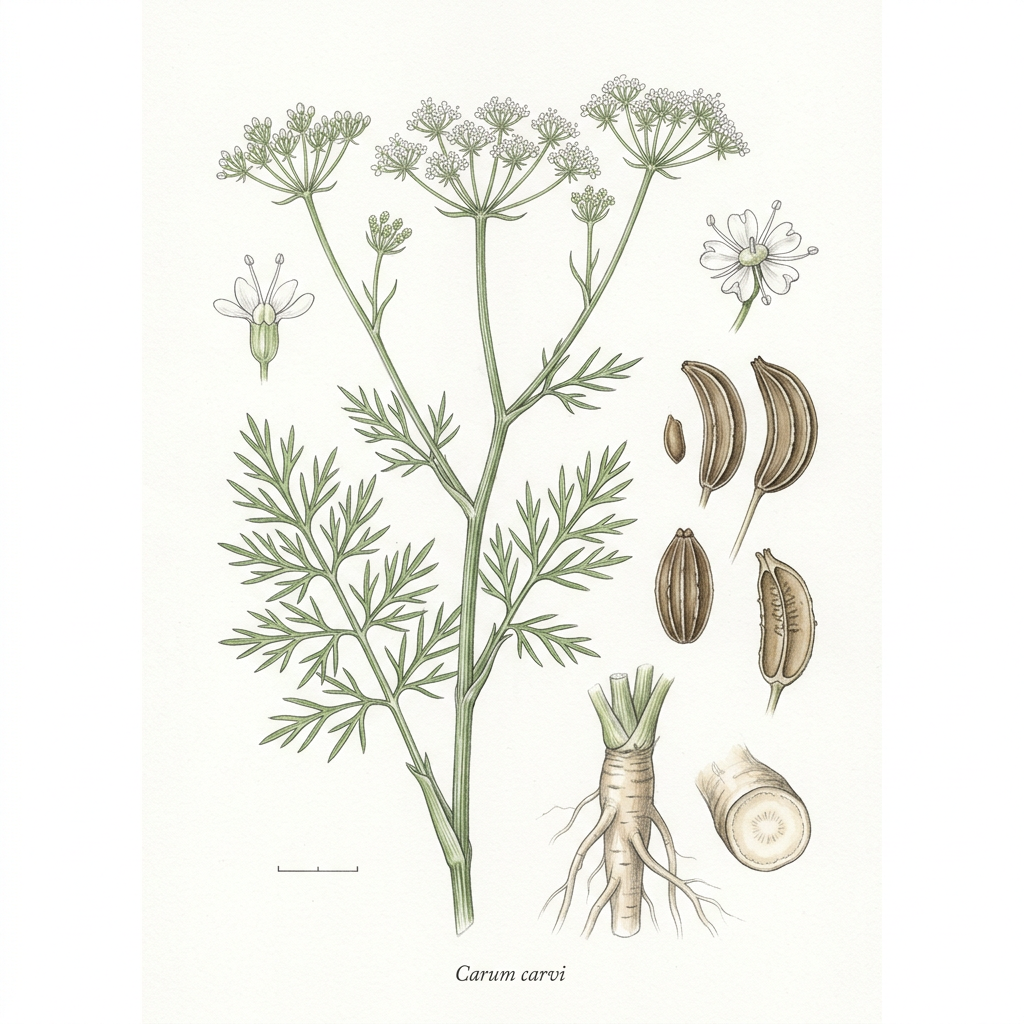
Caraway

Caraway

Carum carvi

Improved digestion
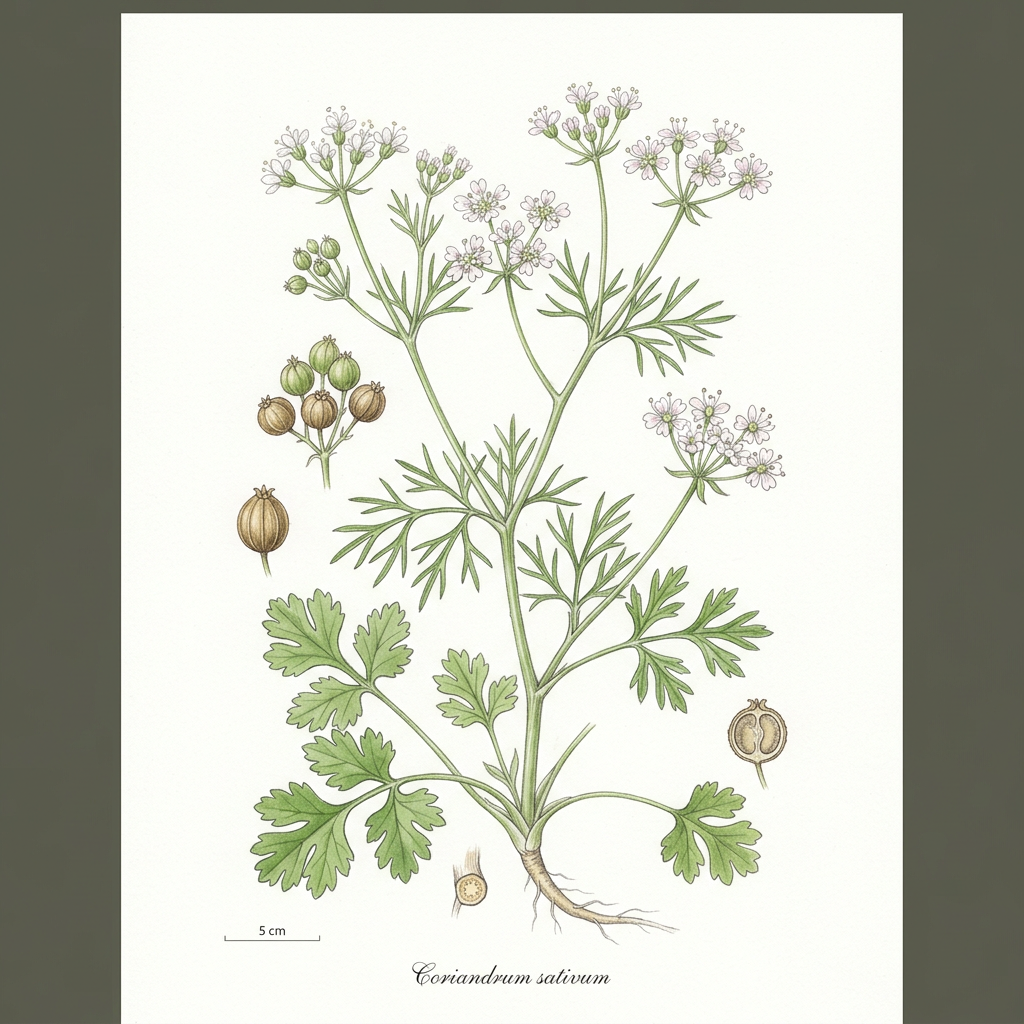
Coriander

Coriander

Coriandrum sativum

Digestive Aid
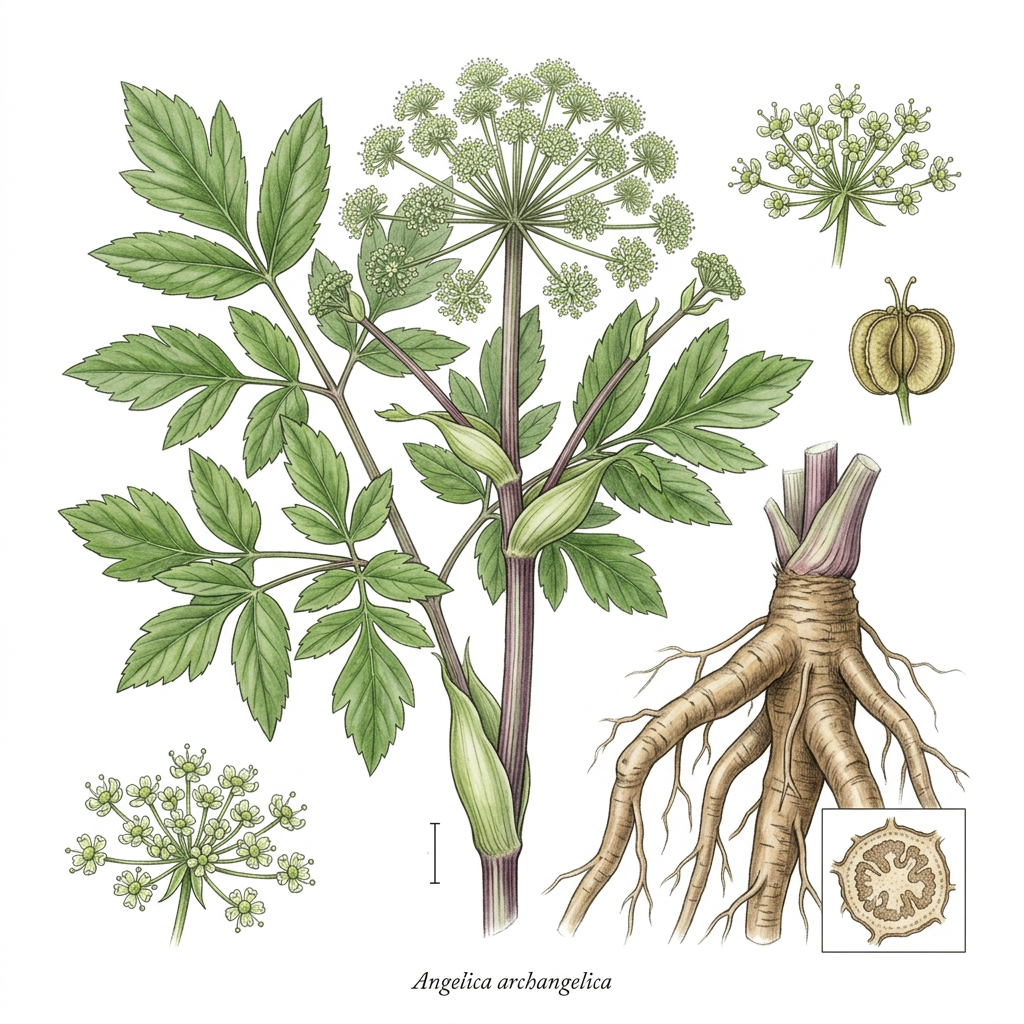
Angelica

Angelica

Angelica archangelica

Circulatory Stimulant
Anise

Anise

Pimpinella anisum

Digestive Tonic