The Wild Sage logo
The Wild Sage Logo

Herbal Medicine at your fingertips

Comprehensive database of herbal remedies with detailed safety information and traditional uses

New to herbal terms? Read the glossary →
ADHD
Abcess
Acid Reflux Relief
Acinetobacter
Acne
Acne Vulgaris
Addisons
Adenomyosis
Adenovirus
Adrenal fatigue
Aging
Aids
Alcaligenes faecalis
Alcoholism
Allergic Rhinitis
Allergies
Allergy
Alopoecia
Alopoecia nervosa
Alzheimer's, Dementia & Cognitive Decline
420 herbs found
Important: This information is for educational purposes only. Always consult with qualified healthcare professionals before using herbal remedies, especially if you have existing health conditions or take medications.
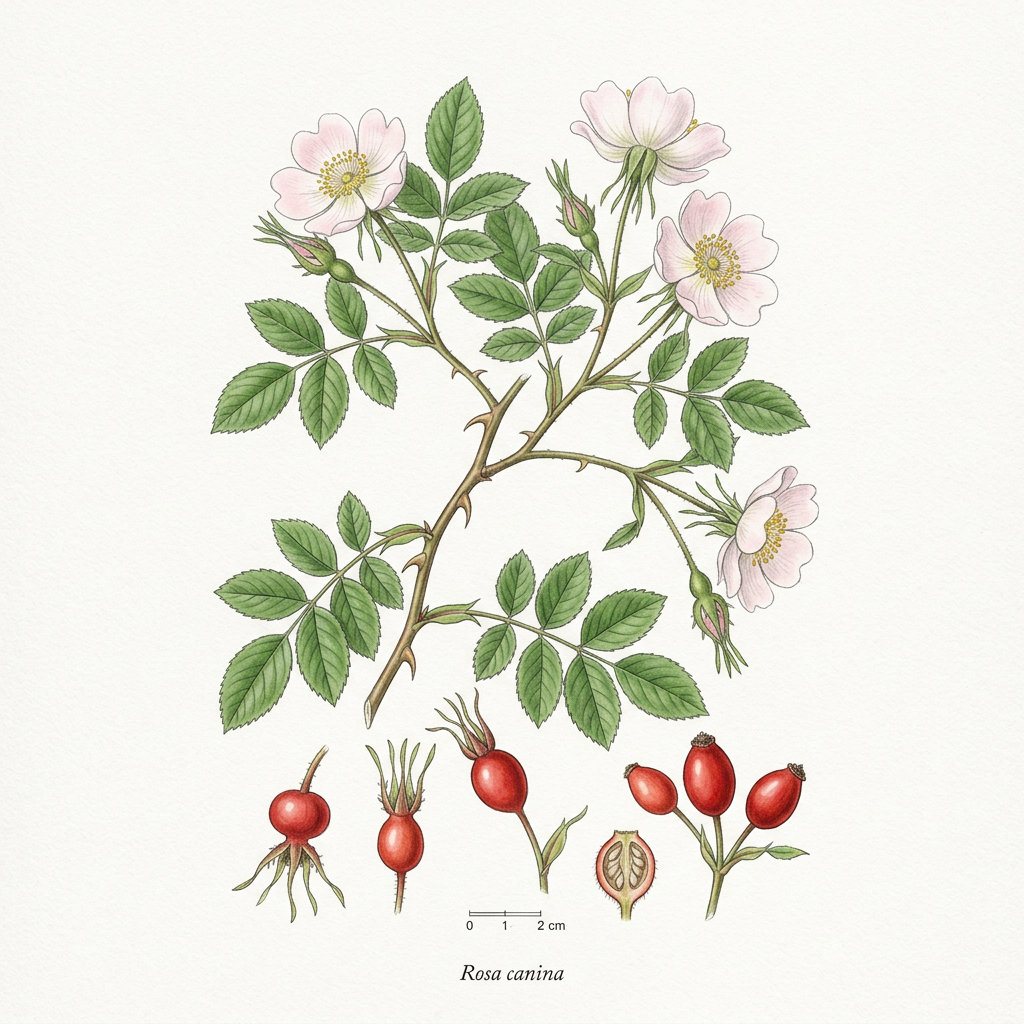
Dog rose

Dog rose

Rosa canina

low risk Risk
Rosaceae
cool and moist
<p>Rosa canina, commonly known as the dog rose, is a deciduous scrambling shrub belonging to the Rosaceae family. It is easily identified by its hooked prickles, compound leaves with five to seven leaflets, and delicate, five-petalled pale pink or white flowers. Following pollination, it produces the characteristic bright red, fleshy fruit known as a hip, which contains numerous hairy achenes within its cavity.</p><p>Traditionally used for centuries, particularly in European folk medicine, the hips were harvested as a nutritional powerhouse, notably during times of food scarcity. Historically, the fruit has been prized for its cooling, astringent, and mildly laxative properties. It has long been associated with supporting the body's natural defences and was a staple in British households during the mid-20th century as a vitamin-rich syrup to bolster health during the winter months.</p><p>Modern research focuses heavily on the high concentration of ascorbic acid, carotenoids, and flavonoids present in the hips. Clinical trials have suggested that specific standardised extracts may play a role in supporting joint mobility and managing mild inflammation associated with wear and tear. While promising, much of this evidence relates to proprietary galactolipid-rich extracts rather than simple herbal preparations, and further research is required to fully elucidate the mechanism of action in human subjects.</p><p>In clinical practice, the dog rose is generally employed as a gentle restorative tonic and a source of bioavailable vitamins. It is often combined with other herbs to improve taste or provide synergistic support for immune health. Due to the fine hairs inside the fruit, which can be irritating, practitioners must ensure that hips are properly cleaned or strained thoroughly when preparing infusions or decoctions.</p>

Uses & Conditions

Immune Support
Antioxidant
Skin Hydration
Osteoarthritis
Dyspepsia
Menorrhagia
Eczema
Inflammatory Bowel Disease
Respiratory Issues
Joint Pain
Cough
Wound Healing
Dermatitis
Psoriasis
Crohn’s Disease
Ulcerative Colitis
Asthma
Chronic Bronchitis
Uterine Prolapse
Hypertension
Scar Tissue
Diarrhoea
Cholesterol
Acne

Actions

Antioxidant
Astringent
Hepatic

Parts Used

Pseudo-fruit (hips)
Petals

Native Countries

United Kingdom
Europe
North Africa
Western Asia

USDA Hardiness Zones

3
4
5
6
7
8

Contraindications

  • Known allergy to plants in the Rosaceae family
  • History of kidney stones
  • Pregnancy and breastfeeding
  • Haemochromatosis or iron-storage disorders
  • Discontinue two weeks prior to elective surgery

Potential Side Effects

  • Mild gastrointestinal upset or diarrhoea at high doses
  • Irritation of the mouth or throat if hairs from the hip seeds are ingested
  • Possible allergic skin reactions

Interactions

  • Iron supplements: high vitamin C content may increase absorption of non-heme iron
  • Antacids: potential for increased aluminium absorption
  • Lithium: acidic fruits can potentially alter excretion rates
  • Warfarin and anticoagulants: caution advised due to vitamin K content

Dosages, tincture ratios & research — members only

Unlock Garreth's dosing guidance, tincture ratios, the dosage calculator and the research studies for Dog rose.

Your assessment and results stay saved — upgrading only unlocks more of them.

See membership plans

Community Photos

No community photos yet. Sign in to upload photos.

Reviews & Ratings

Sign in to leave a review.

No reviews yet. Be the first!

GF

Garreth Falls — B.Th., Dip. H.M., MNIMH

Content curated and reviewed by Garreth Falls, Consultant Medical Herbalist · The Wild Sage

Medical Disclaimer: This information is for educational purposes only and is not intended as medical advice. Always consult with qualified healthcare professionals before starting any herbal treatment.
Western tradition

Sustainability & quality

Abundant

Very common in the wild. Harvest fruit from clean areas far from urban pollutants.

Key constituents

Flavonoids, Vitamins, Tannin

References

  1. ESCOP Monographs 2nd ed. 2003
  2. British Herbal Pharmacopoeia 1983
  3. Herbal Reality. Herb monographs. herbalreality.com

Reviewed by Garreth, Medical Herbalist (MNIMH) · October 2026

Related conditions

Explore conditions where Dog rose is traditionally used.

Related Herbs
Wood avens

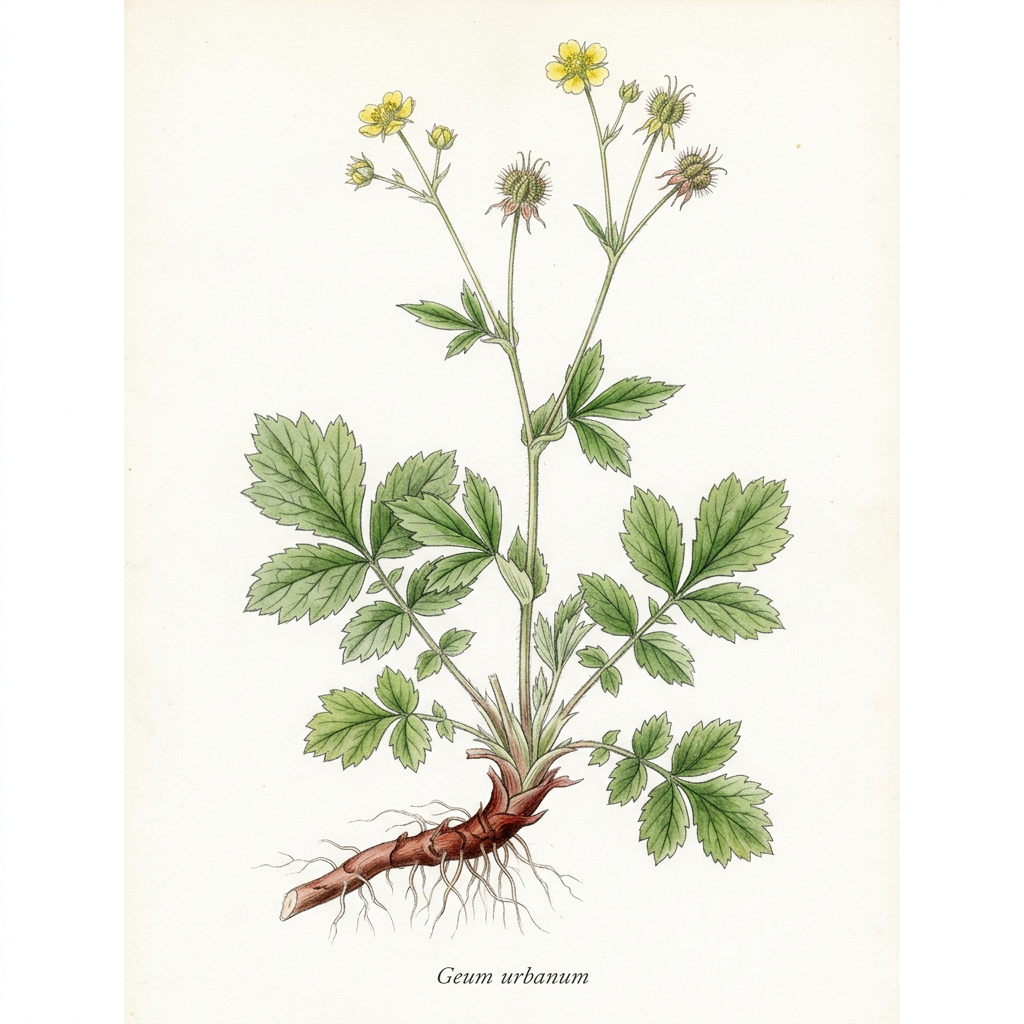
Wood avens

Geum urbanum

Immune Support
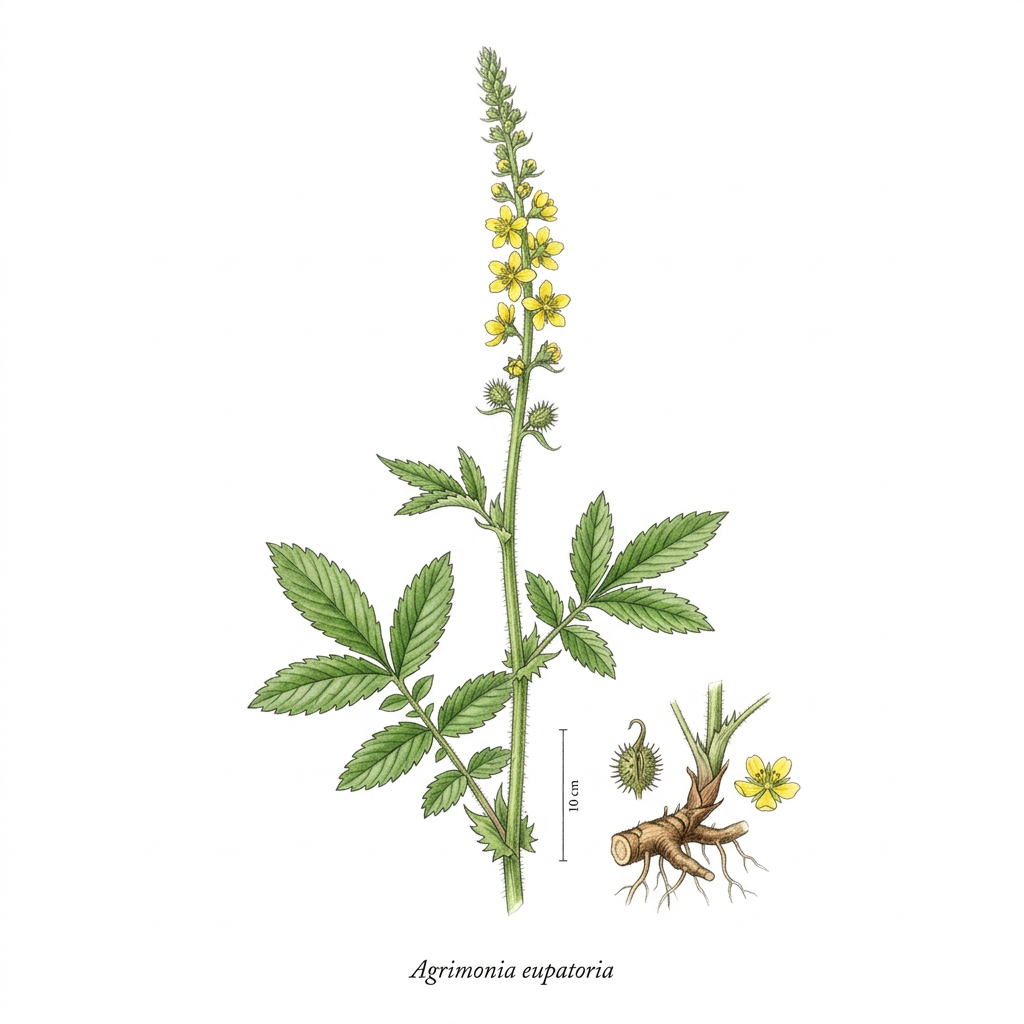
Agrimony

Agrimony

Agrimonia eupatoria

Digestive Aid
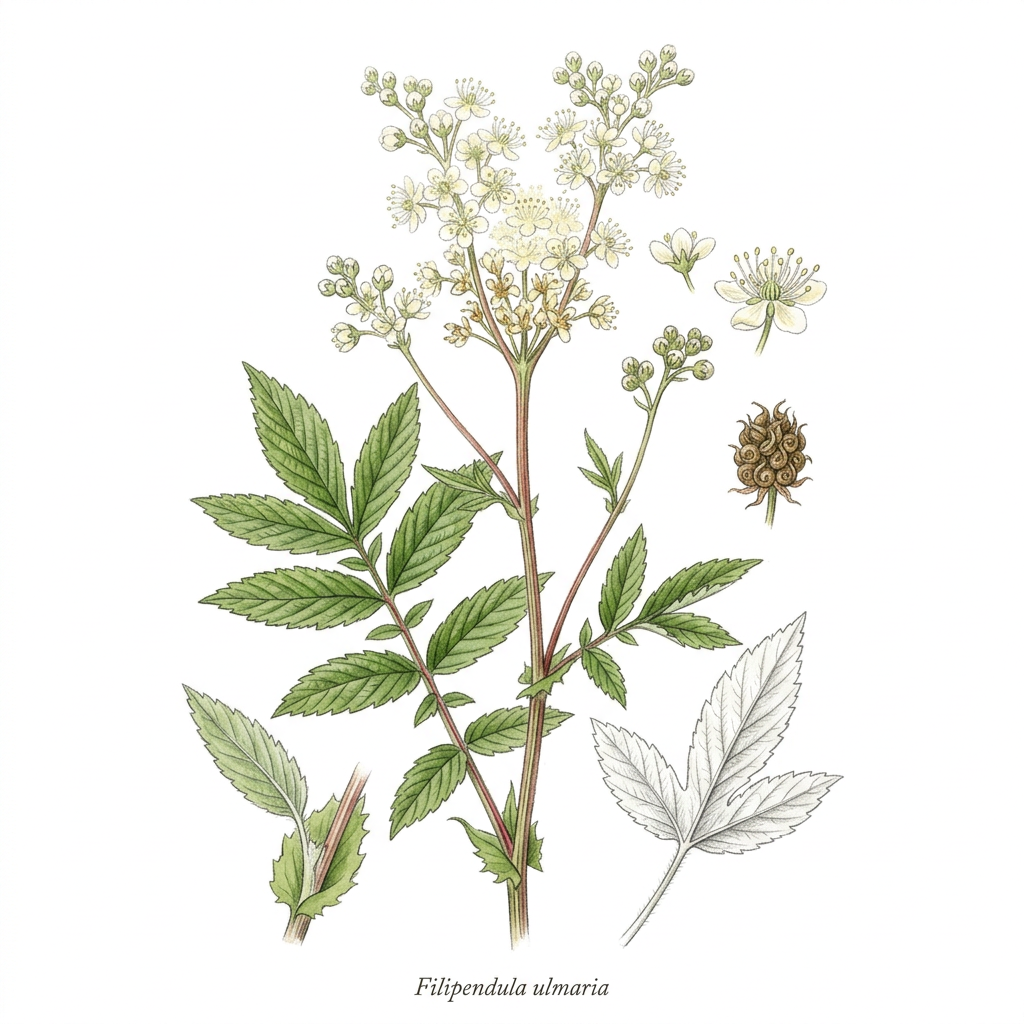
Filipendula ulmaria

Filipendula ulmaria
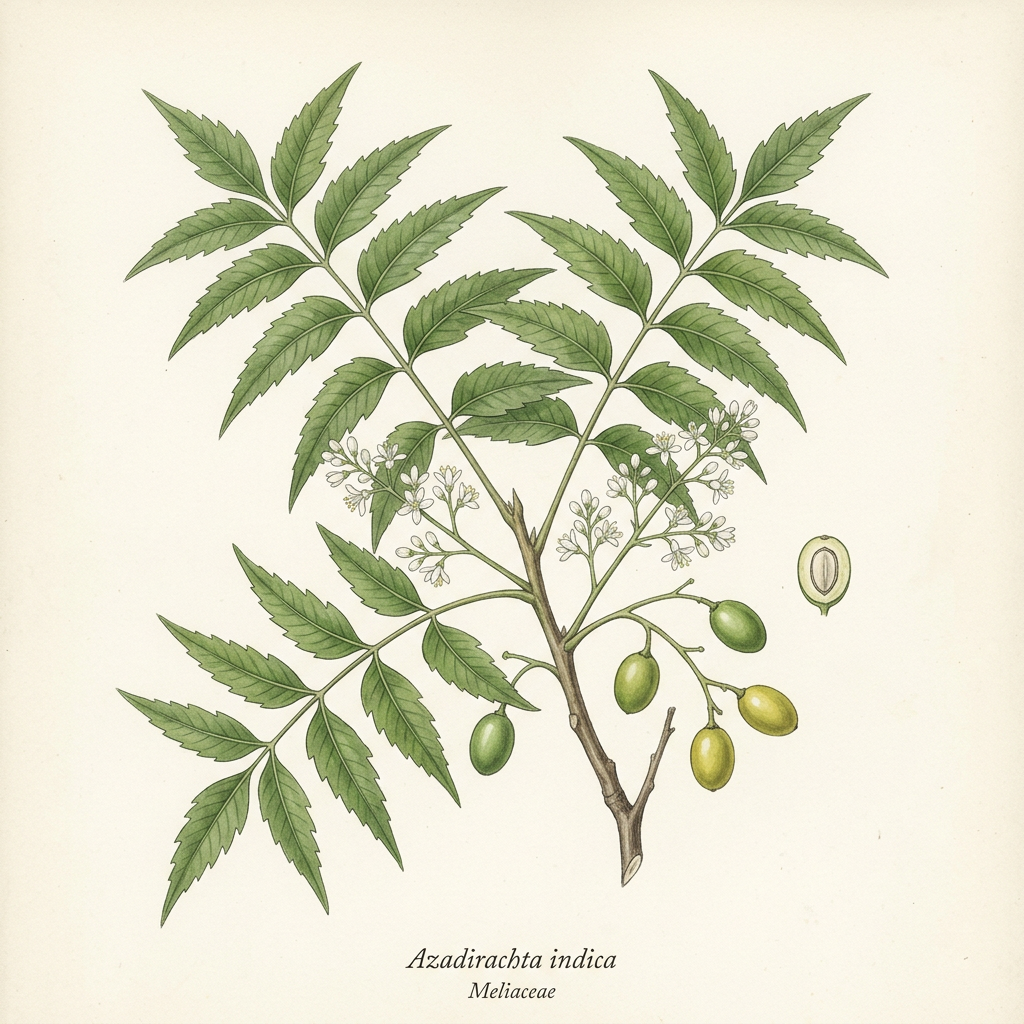
Filipendula ulmaria

Immune Support
Neem

Neem

Azadirachta

Immune Support