The Wild Sage logo
The Wild Sage Logo

Herbal Medicine at your fingertips

Comprehensive database of herbal remedies with detailed safety information and traditional uses

New to herbal terms? Read the glossary →
ADHD
Abcess
Acid Reflux Relief
Acinetobacter
Acne
Acne Vulgaris
Addisons
Adenomyosis
Adenovirus
Adrenal fatigue
Aging
Aids
Alcaligenes faecalis
Alcoholism
Allergic Rhinitis
Allergies
Allergy
Alopoecia
Alopoecia nervosa
Alzheimer's, Dementia & Cognitive Decline
420 herbs found
Important: This information is for educational purposes only. Always consult with qualified healthcare professionals before using herbal remedies, especially if you have existing health conditions or take medications.
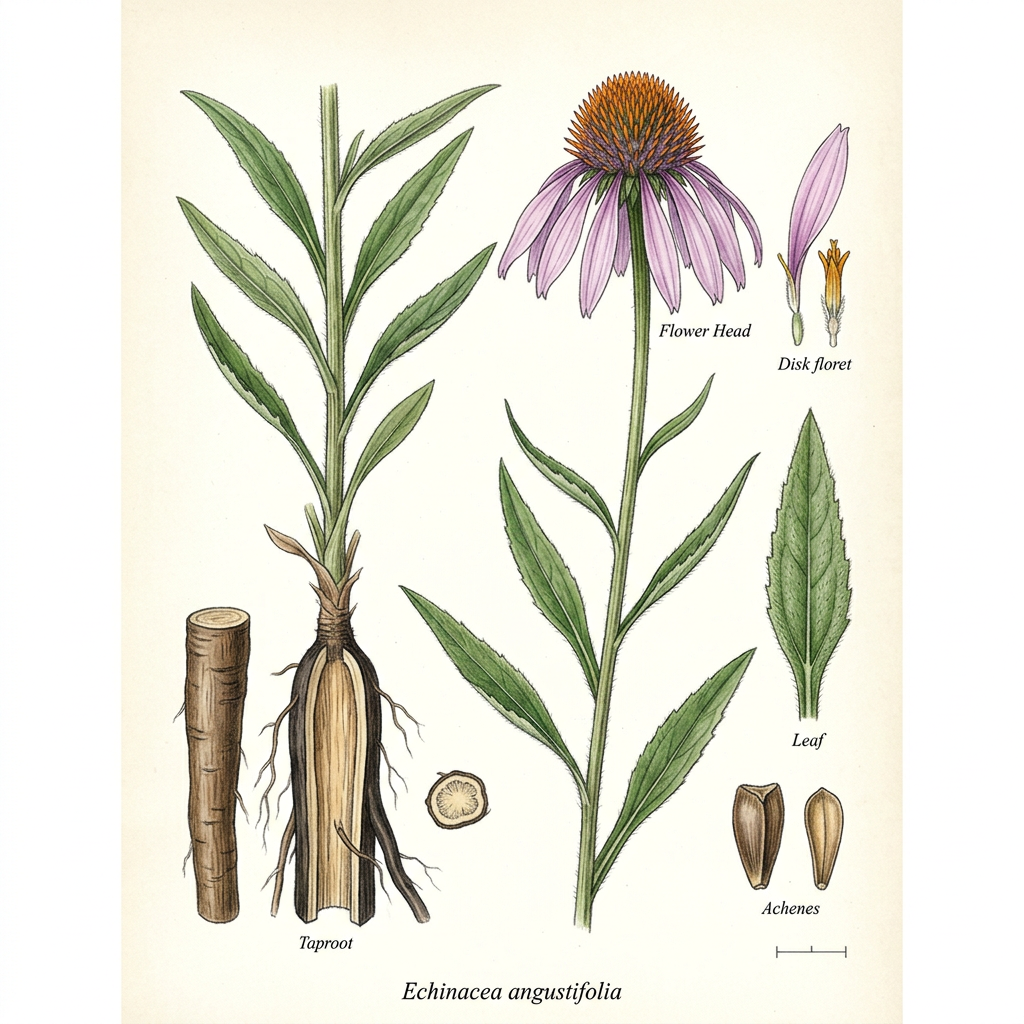
Echinacea angustifolia

Echinacea angustifolia

Echinacea angustifolia

low risk Risk
Asteraceae
Known for its energizing and uplifting properties, it is often used to enhance vitality and support emotional well-being.
<p>Echinacea angustifolia, commonly known as narrow-leaved coneflower, is a perennial herb indigenous to the prairies of North America. Historically, it has been revered by Native American tribes for its powerful medicinal properties. Indigenous peoples utilized this herb to treat a variety of ailments, including infections, wounds, and inflammation. The roots and leaves were traditionally brewed into teas or infused into topical ointments, facilitating healing and bolstering overall health during seasonal changes. As European settlers encountered Echinacea, its popularity surged, leading to its inclusion in conventional herbal practices and its eventual rise in modern herbalism as a cornerstone remedy for immune support. The therapeutic properties of Echinacea angustifolia are vast and varied. This herb is primarily recognized for its immune-modulating effects, acting as a potent immune stimulant that enhances the body's natural defenses. Its anti-inflammatory and antiseptic qualities not only help mitigate symptoms of various infections but also support thorough tissue repair post-injury. Echinacea has shown promise in promoting lymphatic health, aiding in detoxification by acting as a depurative, and it may also serve as a mild diuretic, facilitating the removal of excess fluids from the body. Additionally, recent studies suggest that Echinacea may play a role in antiviral activity, making it a valuable ally in managing respiratory infections and seasonal illnesses. At the biochemical level, Echinacea angustifolia exhibits its effects through a complex interaction with the immune system. Various compounds within the herb, including alkamides, glycoproteins, and polysaccharides, stimulate the activity of immune cells, such as macrophages and natural killer cells, enhancing phagocytosis and promoting overall immune efficacy. Furthermore, Echinacea enhances the production of interferons, essential proteins involved in the antiviral response, while also increasing levels of properdin, a crucial component in the body's opsonization process. Through these mechanisms, Echinacea angustifolia not only supports immediate immune response but also fortifies long-term resilience against pathogens, making it a multifunctional herb for maintaining optimal health.</p>

Uses & Conditions

Immune System Support
Lymphatic Health
Detoxification
Respiratory Infections
Common Cold
Inflammation
Viral Infections
Chronic Fatigue Syndrome
Allergic Reactions
Migraines
Boils
Bronchitis
Sinusitis
Mouth Sores
Vaccine Reaction
Tendinitis
Bursitis
Stomach Ulcers
Ehlers-Danlos Syndrome
Rhinitis
Shingles
Lymphoedema
Pancreatitis
H1N1 Swine Flu
Dental Caries
Enterococcus Infection
Clostridium Difficile Infection
Cystitis
Crohn’s Disease
Diverticulitis
Dermatitis
Dysentery
Conjunctivitis
Breast Growths
Cellulitis
Burns
Bronchiectasis
Candida Infection
Cervical Dysplasia
Chronic Lymphocytic Leukaemia
Appendicitis
Acne
Bed Sores

Actions

Anti-inflammatory
Immune Stimulant
Immunomodulator
Depurative
Anti-diarrhoeal
Antiseptic
Hyaluronidase Inhibitor
Lymphatic
Vulnerary
Chomprotective
Vasodilator
Stimulant
Diuretic
Anti-bacterial
Anti-microbial
Cannabinoid Receptor Modulator
Connective Tissue Strengthening
Interferon Increasing
Properdin Increasing
Sialagogue
Anti-viral
NFkB Inhibitor
TNF-a Reduction
Anxiolytic

Synonyms

Cone flower

Parts Used

FLower and root.

Native Countries

North America

USDA Hardiness Zones

USDA 3-9

Preparations & Dosage

  • Tincture: 1:5, 45% ethanol, 1-2 ml three times daily
  • Decoction: 1g dried root in 150ml water, simmered 10 minutes, three times daily
  • Powdered herbal substance: 500mg, up to 3 times daily
  • Liquid extract: 1:1, 45% ethanol, 0.25-1 ml three times daily

Maximum weekly dose: 20-100 ml

Contraindications

  • Autoimmune conditions
  • Progressive systemic diseases including tuberculosis, multiple sclerosis, or HIV infection
  • Allergy to Asteraceae family
  • Pregnancy
  • Breastfeeding

Potential Side Effects

  • Mild gastrointestinal distress
  • Allergic skin reactions
  • Dizziness
  • Headache

Interactions

  • Immunosuppressant medication
  • Corticosteroids
  • Hepatotoxic drugs
  • Cytochrome P450 substrates

Dosage Calculator

Community Photos

No community photos yet. Sign in to upload photos.

Reviews & Ratings

Sign in to leave a review.

No reviews yet. Be the first!

GF

Garreth Falls — B.Th., Dip. H.M., MNIMH

Content curated and reviewed by Garreth Falls, Consultant Medical Herbalist · The Wild Sage

Medical Disclaimer: This information is for educational purposes only and is not intended as medical advice. Always consult with qualified healthcare professionals before starting any herbal treatment.
Western tradition

Sustainability & quality

At risk

Wild Echinacea species are at-risk due to habitat loss and intense commercial demand. Use only certified cultivated roots to preserve wild populations.

Key constituents

Alkylamides, Caffeic acid derivatives (echinacoside, cynarin), Polysaccharides, Polyacetylenes, Essential oils, Flavonoids

References

  1. Bone & Mills "Principles and Practice of Phytotherapy" 2nd ed. 2013
  2. EMA/HMPC Community Herbal Monograph
  3. ESCOP Monographs 2nd ed. 2003
  4. Herbal Reality. Herb monographs. herbalreality.com

Reviewed by Garreth, Medical Herbalist (MNIMH) · October 2026

Related conditions

Explore conditions where Echinacea angustifolia is traditionally used.

Related Herbs
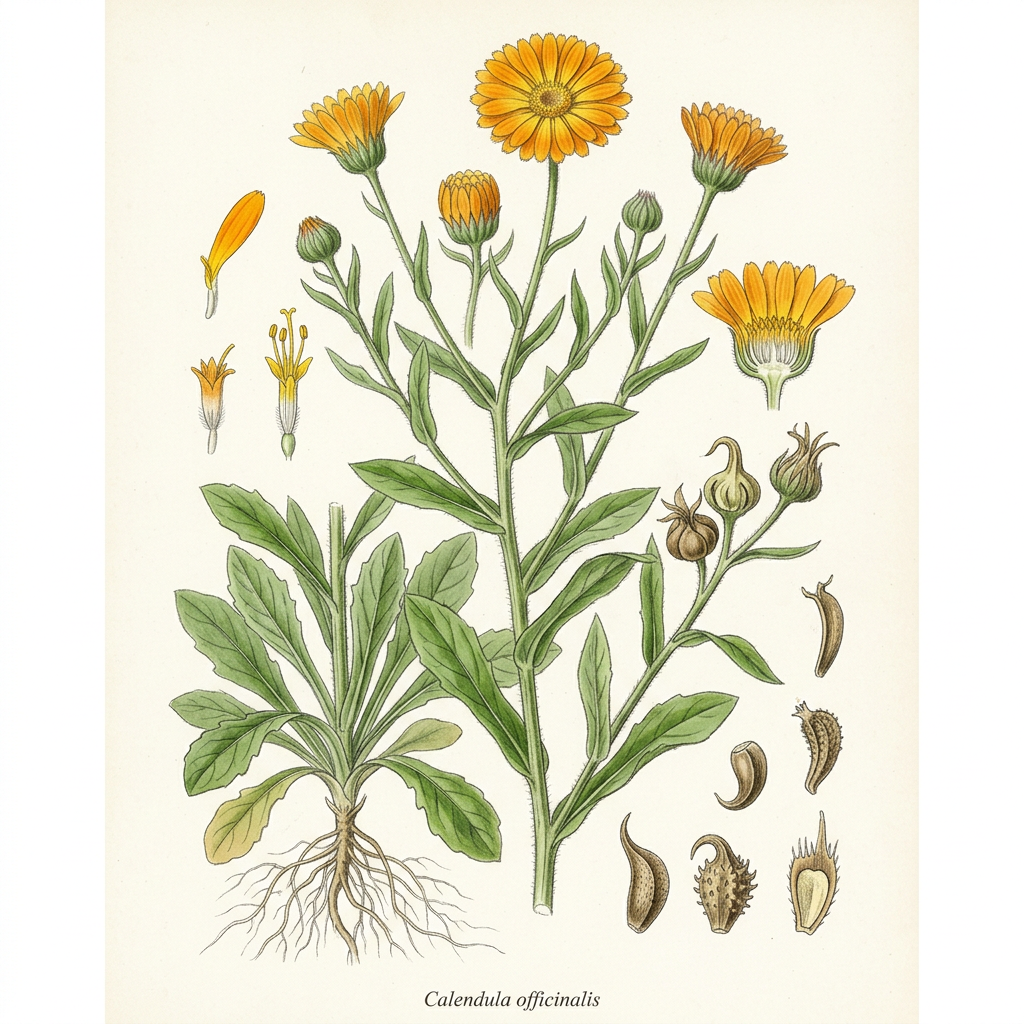
Marigold

Marigold

Calendula officinalis

Lymphatic Support
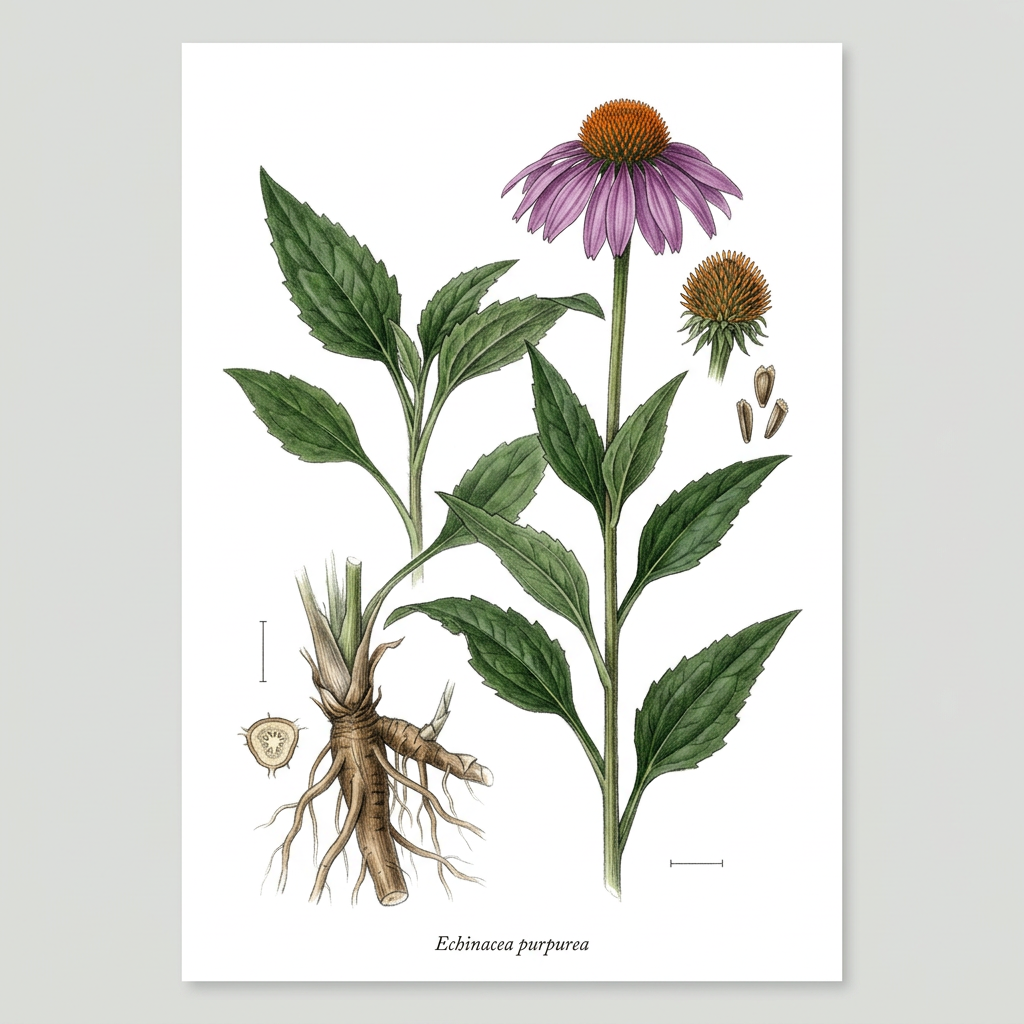
Echinacea purpurea

Echinacea purpurea
Echinacea purpurea

Immune Support
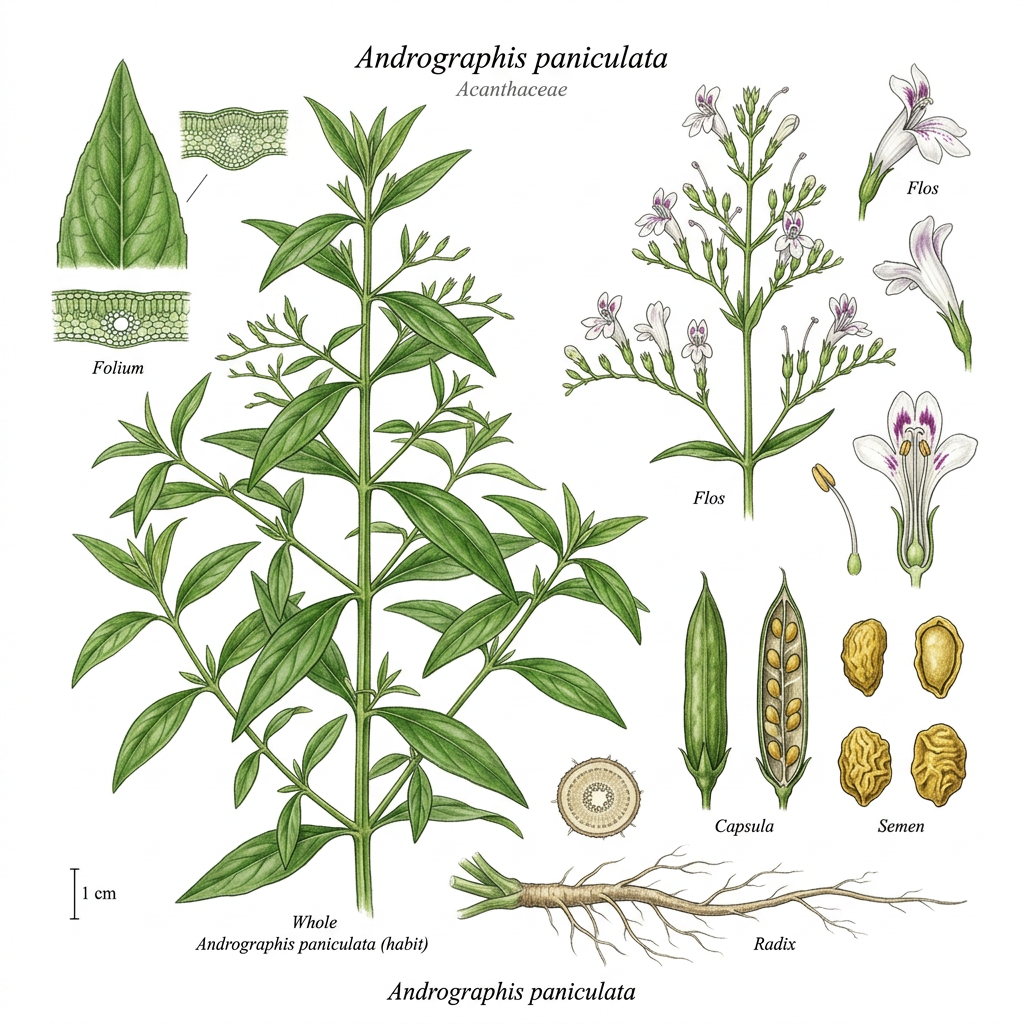
Andrographis

Andrographis

Andrographis paniculata

Immune Support
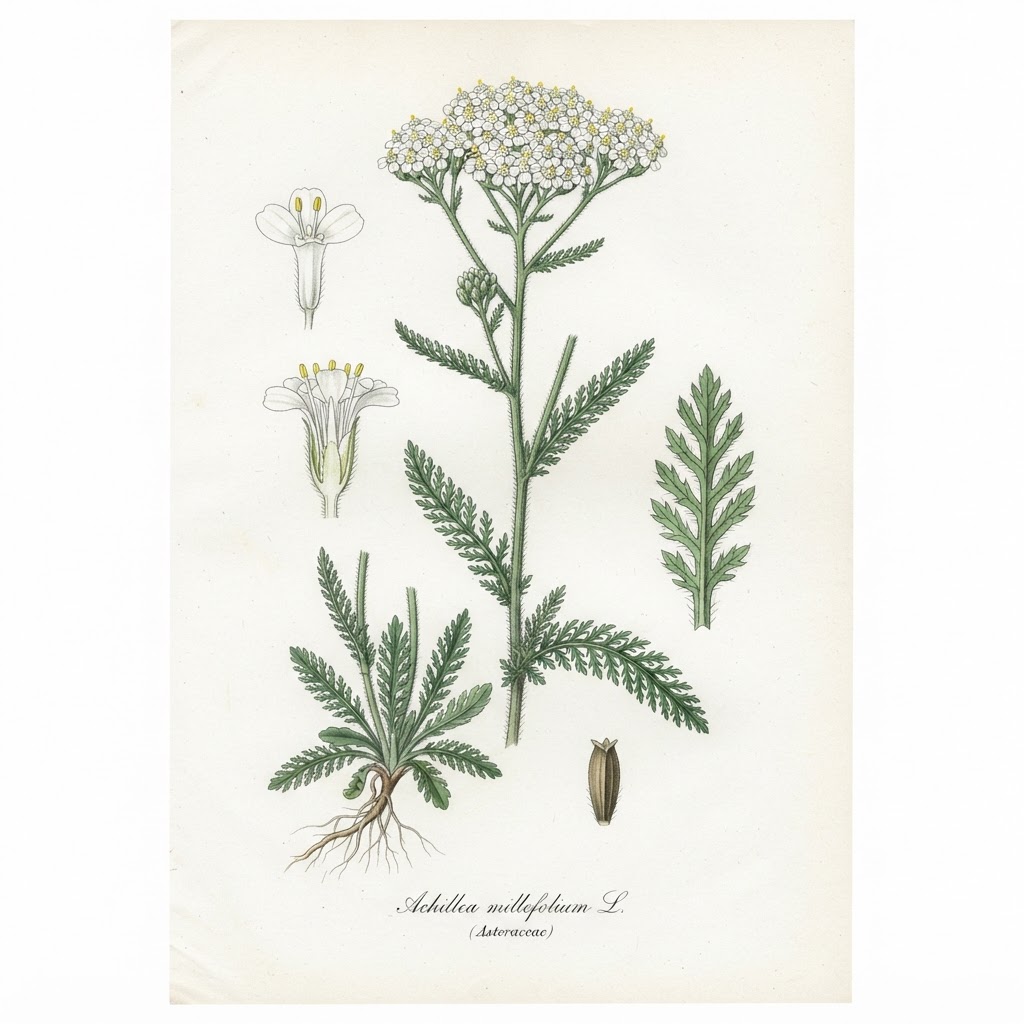
Yarrow

Yarrow

Achillea millefolium

Digestive Tonic