

Herbal Medicine at your fingertips
Comprehensive database of herbal remedies with detailed safety information and traditional uses
New to herbal terms? Read the glossary →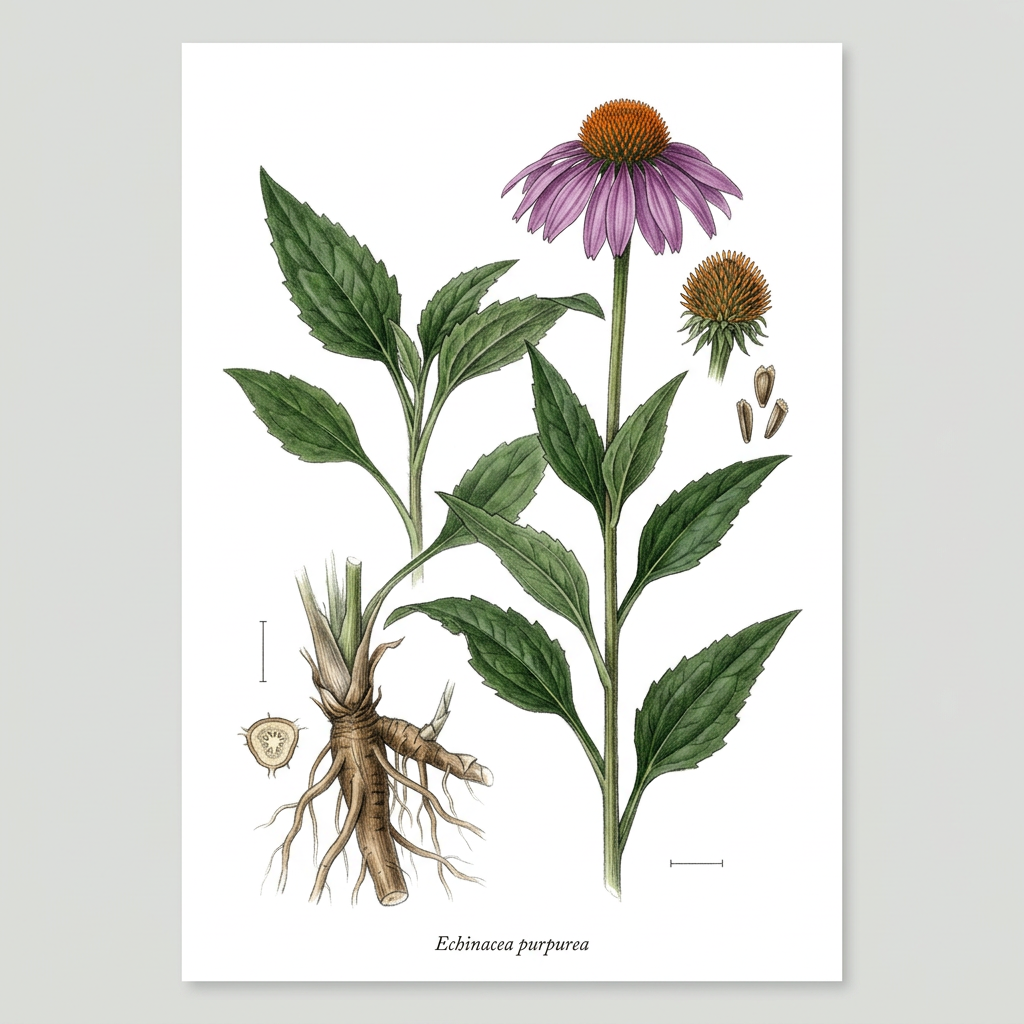
Echinacea purpurea
Echinacea purpurea
Uses & Conditions
Actions
Parts Used
Native Countries
USDA Hardiness Zones
Preparations & Dosage
- Tincture: 1:5, 45% ethanol, 2-5 ml three times daily
- Infusion: 1-2g of dried root in 150ml boiling water, 10-15 minutes, three times daily
- Decoction: 2g of dried root simmered 15-20 minutes, three times daily
- Topical: 5-10% echinacea extract cream or ointment, 2-3 times daily
- Dry Extract (DER 5.5-7.5:1, 45% ethanol): 40 mg every second hour (max 360 mg daily)
- Dry Extract (DER 4:1, water): 50-100 mg, 1-3 times daily (max 300 mg daily)
Maximum weekly dose: 70 ml
Contraindications
- Known hypersensitivity to plants within the Asteraceae/Compositae family
- Autoimmune disorders including multiple sclerosis or systemic lupus erythematosus
- Progressive systemic diseases including tuberculosis and HIV
- Not recommended for long-term continuous use; intermittent cycles are advised
- Pregnancy and breastfeeding
Potential Side Effects
- Allergic reactions in individuals sensitive to the Asteraceae family
Interactions
- Immunosuppressants: May antagonise the effect of drugs such as ciclosporin or corticosteroids
- Hepatotoxic drugs: Use with caution alongside medications metabolised by the liver such as paracetamol or methotrexate
- CYP450 substrates: Potential for inhibition or induction of enzymes may alter the clearance of pharmaceuticals
- Anticoagulants: Potential additive effects if used alongside aspirin or warfarin
Dosage Calculator
Community Photos
No community photos yet. Sign in to upload photos.
Scientific Studies & Sources
Safety and Efficacy Profile of Echinacea purpurea to Prevent Common Cold Episodes: A Randomized, Double-Blind, Placebo-Controlled Trial
Echinacea Reduces the Risk of Recurrent Respiratory Tract Infections and Complications: A Meta-Analysis of Randomized Controlled Trials
Echinacea Reduces Antibiotics by Preventing Respiratory Infections: A Meta-Analysis (ERA-PRIMA)
Reviews & Ratings
Sign in to leave a review.
No reviews yet. Be the first!
Garreth Falls — B.Th., Dip. H.M., MNIMH
Content curated and reviewed by Garreth Falls, Consultant Medical Herbalist · The Wild Sage
Sustainability & quality
CultivatedCultivation is the standard for high-quality root and aerial parts; verify the species as E. purpurea.
Key constituents
Caffeic acid derivatives (echinacoside, cichoric acid), Alkylamides (isobutylamides), Polysaccharides, Glycoproteins, Polyacetylenes, Essential oils, Flavonoids
References
- Bone & Mills "Principles and Practice of Phytotherapy" 2nd ed. 2013
- ESCOP Monographs 2nd ed. 2003
- EMA/HMPC Community Herbal Monograph
- Herbal Reality. Herb monographs. herbalreality.com
Reviewed by Garreth, Medical Herbalist (MNIMH) · October 2026
Related conditions
Explore conditions where Echinacea purpurea is traditionally used.
Related Herbs
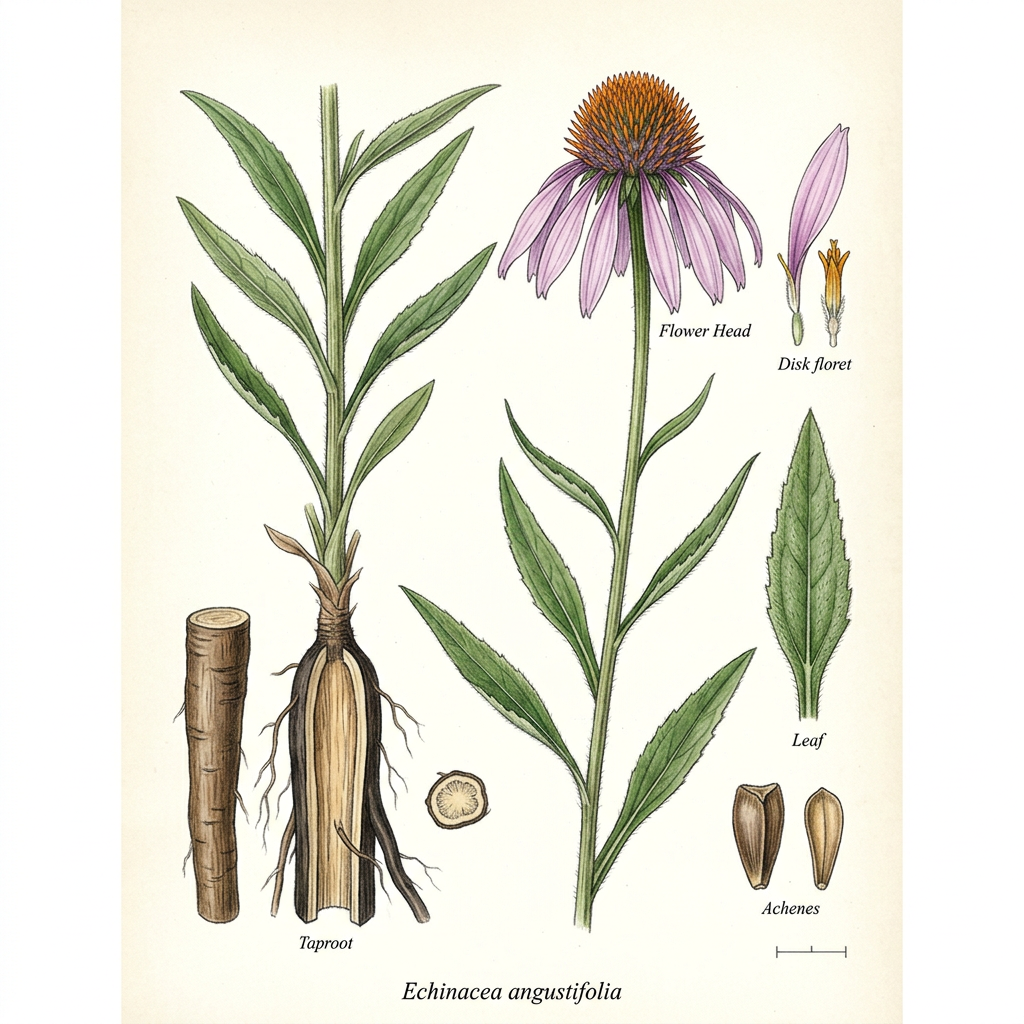
Echinacea angustifolia
Echinacea angustifolia
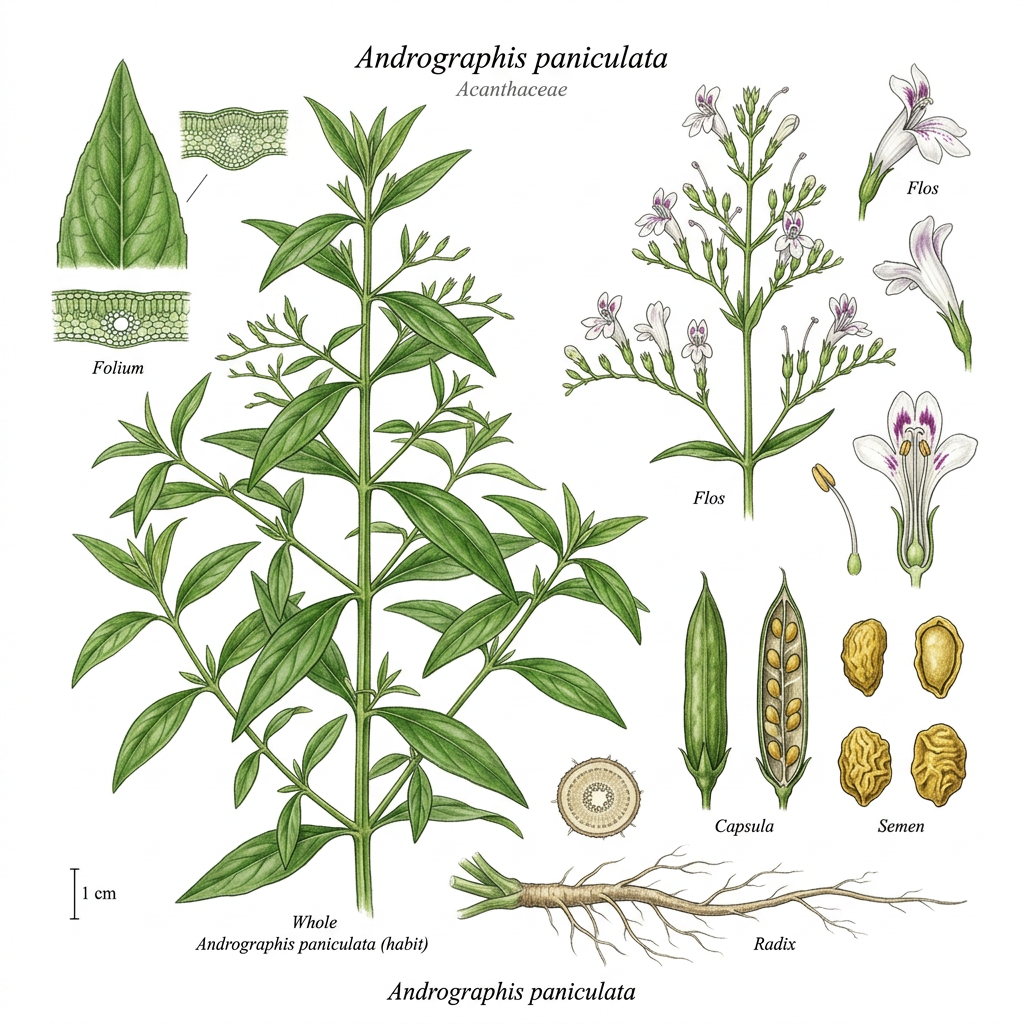
Andrographis
Andrographis paniculata
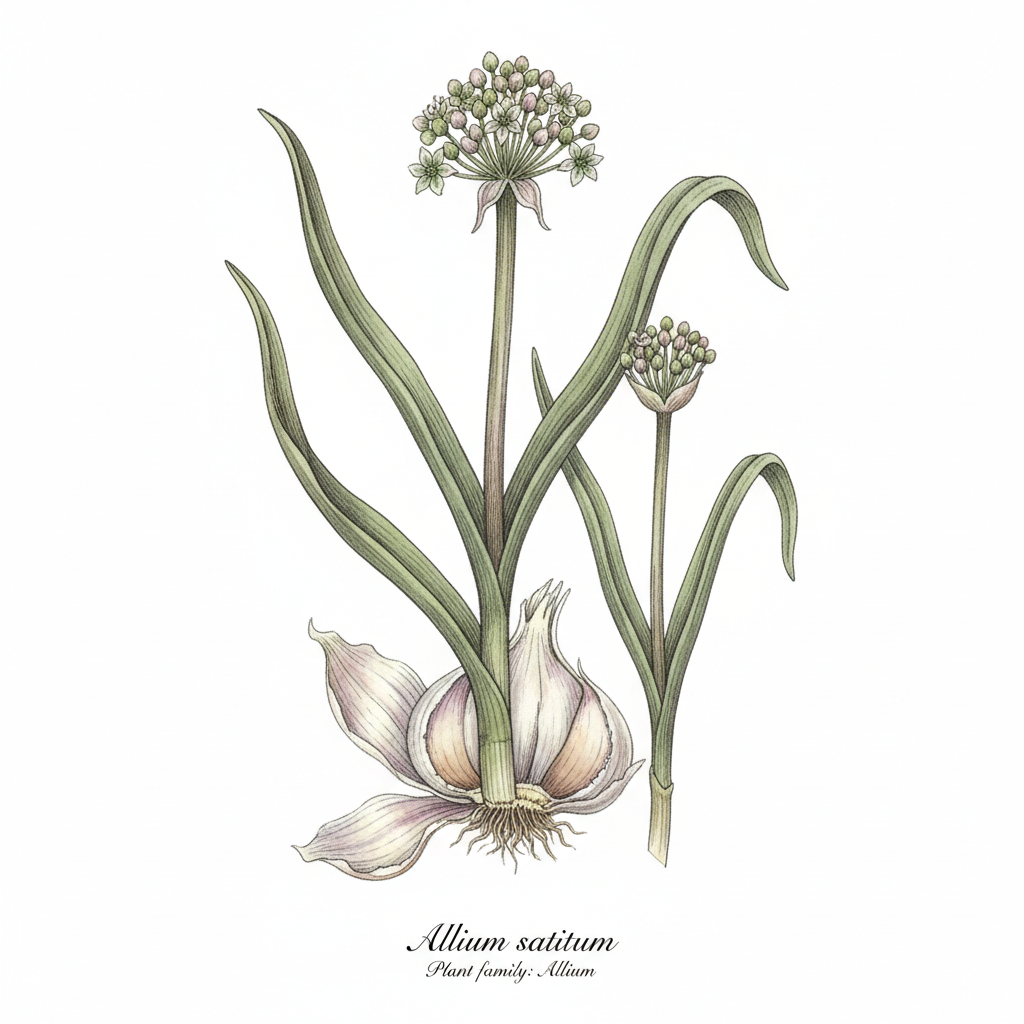
Garlic
Allium sativum
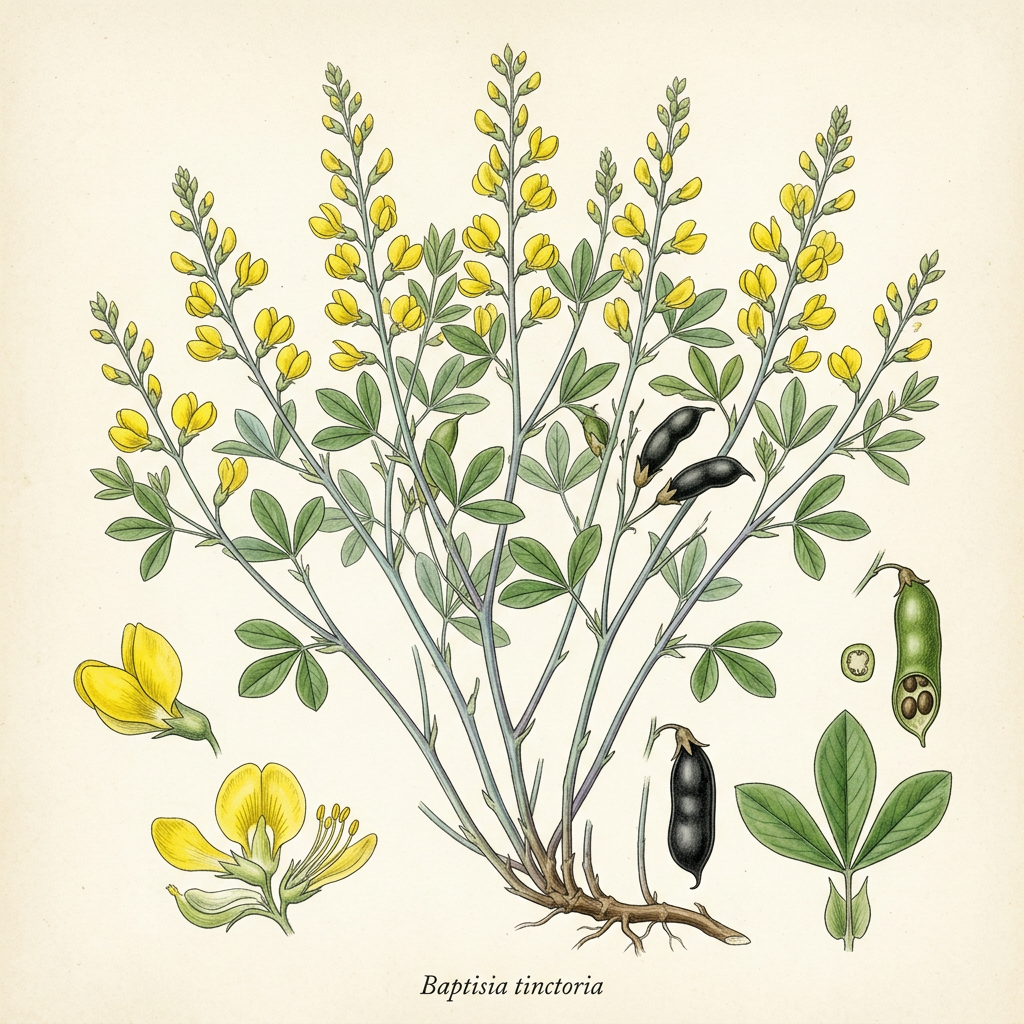
Wild Indigo
Baptisia tinctoria