

Herbal Medicine at your fingertips
Comprehensive database of herbal remedies with detailed safety information and traditional uses
New to herbal terms? Read the glossary →
Elder
Sambucus nigra
Uses & Conditions
Actions
Synonyms
Parts Used
Native Countries
USDA Hardiness Zones
Preparations & Dosage
- Infusion: 2-5g of dried flowers in 150ml boiling water, three times daily
- Decoction: 3-6g of comminuted herbal substance in 200ml water, divided into 2 single doses daily
- Tincture: 1:5, 25% alcohol, 10-25ml three times daily
- Liquid Extract: 1:1, 25% alcohol, 2-5ml three times daily
- Syrup: Prepared from elderberry juice; 5-10ml daily as a prophylactic or acute support
- Topical Poultice: Infused flowers applied to a clean cloth to soothe minor skin irritation or inflamed mucous membranes
Maximum weekly dose: 525ml
Contraindications
- Pregnancy: Insufficient safety data exists regarding the use of concentrated elderberry preparations during gestation.
- Breastfeeding: Use is not recommended due to a lack of clinical evidence concerning infant safety.
- Autoimmune disorders: Use caution as the immunostimulant properties may exacerbate conditions such as lupus or rheumatoid arthritis.
- Raw consumption: Fresh elderberries must be cooked to destroy cyanogenic glycosides that cause gastrointestinal distress.
Potential Side Effects
- Mild gastrointestinal upset
- Nausea
- Loose stools
- Allergic reactions including skin rash or respiratory wheezing in individuals sensitive to the Adoxaceae family
Interactions
- Immunosuppressants: Elderberry may stimulate immune function, potentially counteracting medications such as ciclosporin or corticosteroids.
- Diuretics: Elder flower may have a mild synergistic effect, potentially increasing the frequency of urination.
- Antidiabetic medications: Potential to affect blood glucose levels; monitoring is advised for those on insulin or oral hypoglycaemics.
Dosage Calculator
Community Photos
No community photos yet. Sign in to upload photos.
Scientific Studies & Sources
Randomized study of the efficacy and safety of oral elderberry extract in the treatment of influenza A and B virus infections
Elderberry Supplementation Reduces Cold Duration and Symptoms in Air-Travellers: A Randomized, Double-Blind Placebo-Controlled Clinical Trial
Black elderberry (Sambucus nigra) supplementation effectively treats upper respiratory symptoms: A meta-analysis of randomized, controlled clinical trials
Reviews & Ratings
Sign in to leave a review.
No reviews yet. Be the first!
Garreth Falls — B.Th., Dip. H.M., MNIMH
Content curated and reviewed by Garreth Falls, Consultant Medical Herbalist · The Wild Sage
Sustainability & quality
AbundantEasily available and abundant. Ensure harvest is free from chemical sprays and harvested away from busy roads.
Key constituents
Flavonoids (e.g., quercetin, anthocyanins), - Vitamins (e.g., vitamin C), - Phenolic acids, Other Constituents:, - Tannins, - Essential oils, - Various sugars
References
- ESCOP Monographs 2nd ed. 2003
- British Herbal Pharmacopoeia 1983
- Herbal Reality. Herb monographs. herbalreality.com
Related conditions
Explore conditions where Elder is traditionally used.
Related Herbs
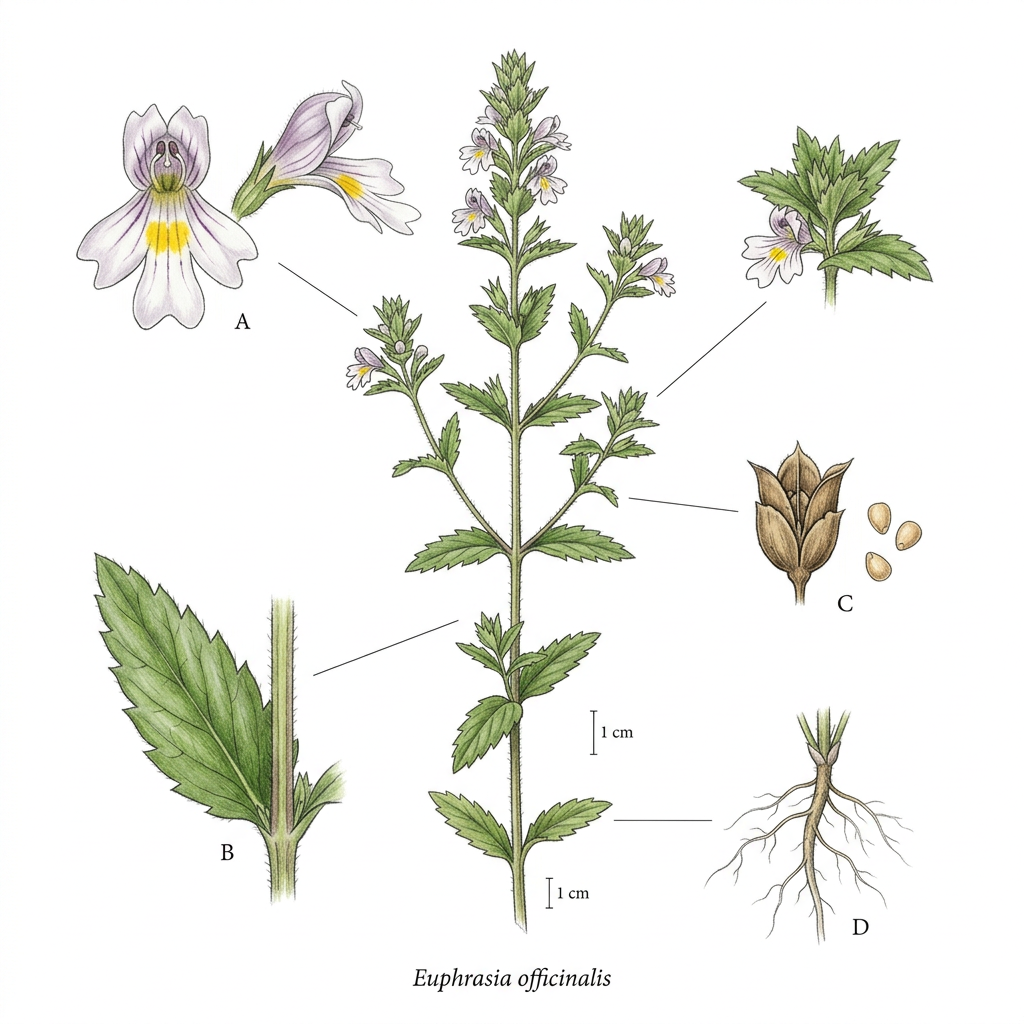
Eyebright
Euphrasia officinalis
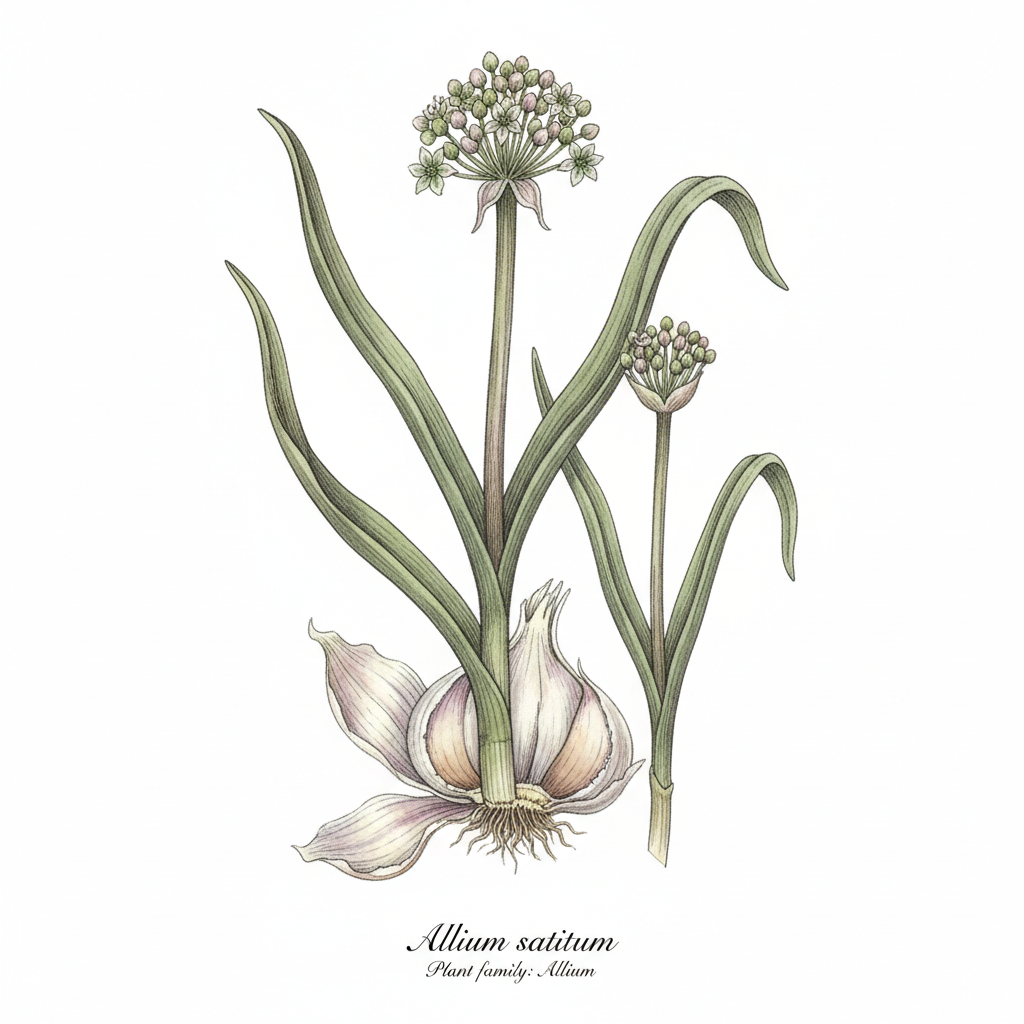
Garlic
Allium sativum
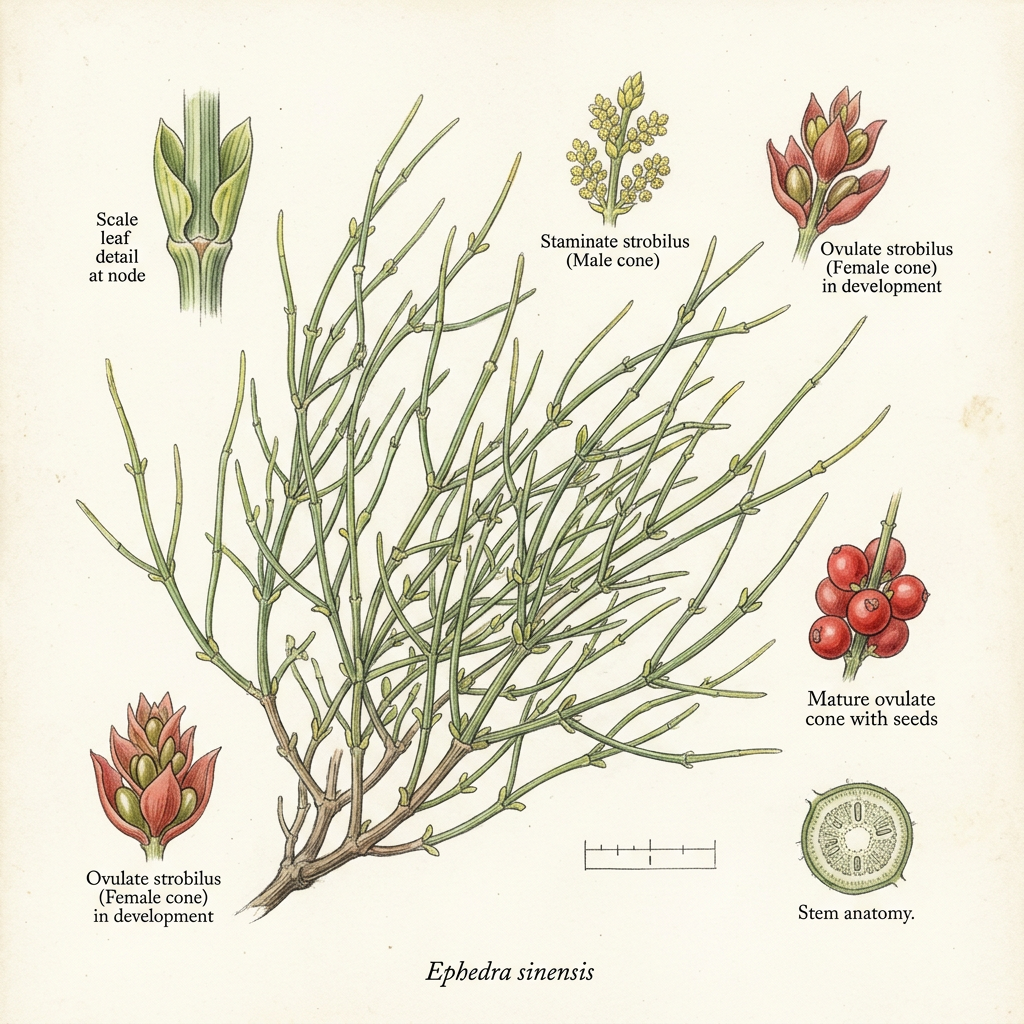
Ephedra sinensis
Ephedra sinensis
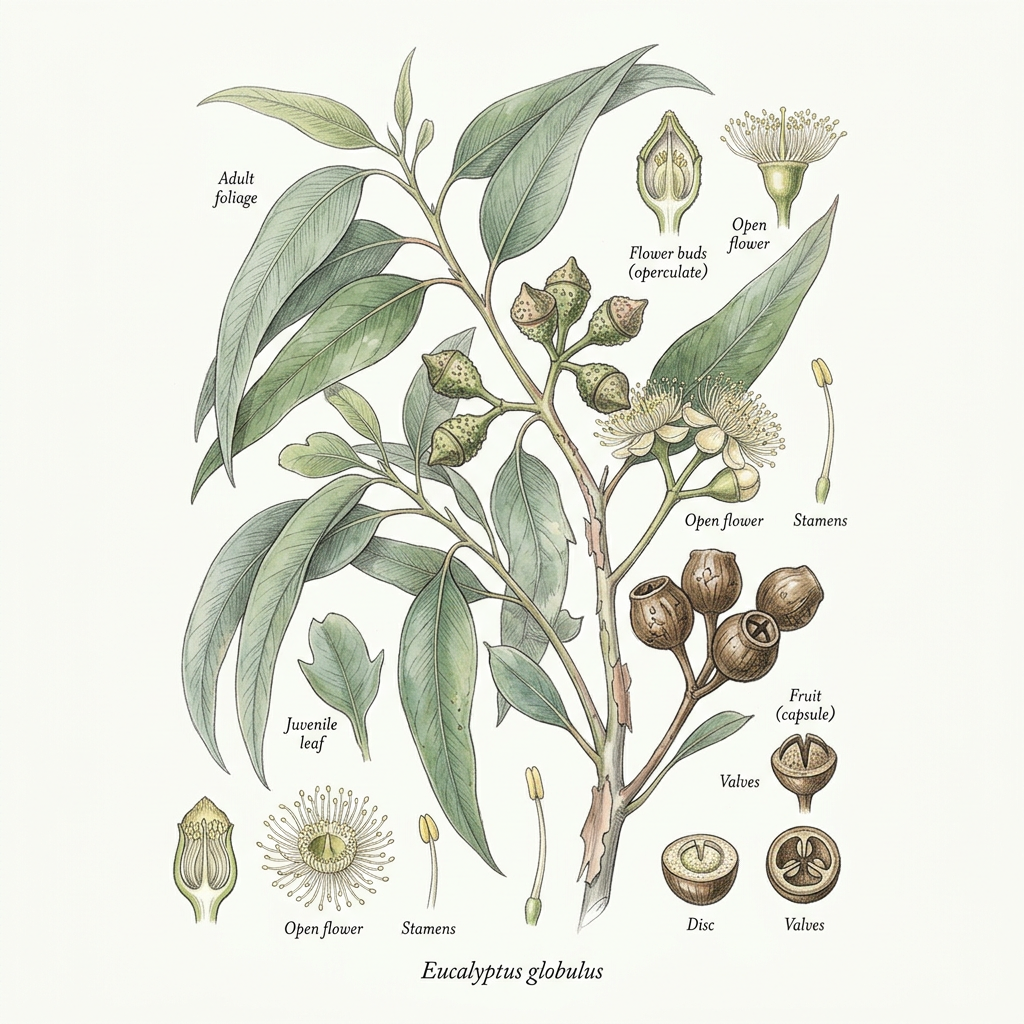
Eucalyptus
Eucalyptus globulus