The Wild Sage logo
The Wild Sage Logo

Herbal Medicine at your fingertips

Comprehensive database of herbal remedies with detailed safety information and traditional uses

New to herbal terms? Read the glossary →
ADHD
Abcess
Acid Reflux Relief
Acinetobacter
Acne
Acne Vulgaris
Addisons
Adenomyosis
Adenovirus
Adrenal fatigue
Aging
Aids
Alcaligenes faecalis
Alcoholism
Allergic Rhinitis
Allergies
Allergy
Alopoecia
Alopoecia nervosa
Alzheimer's, Dementia & Cognitive Decline
420 herbs found
Important: This information is for educational purposes only. Always consult with qualified healthcare professionals before using herbal remedies, especially if you have existing health conditions or take medications.
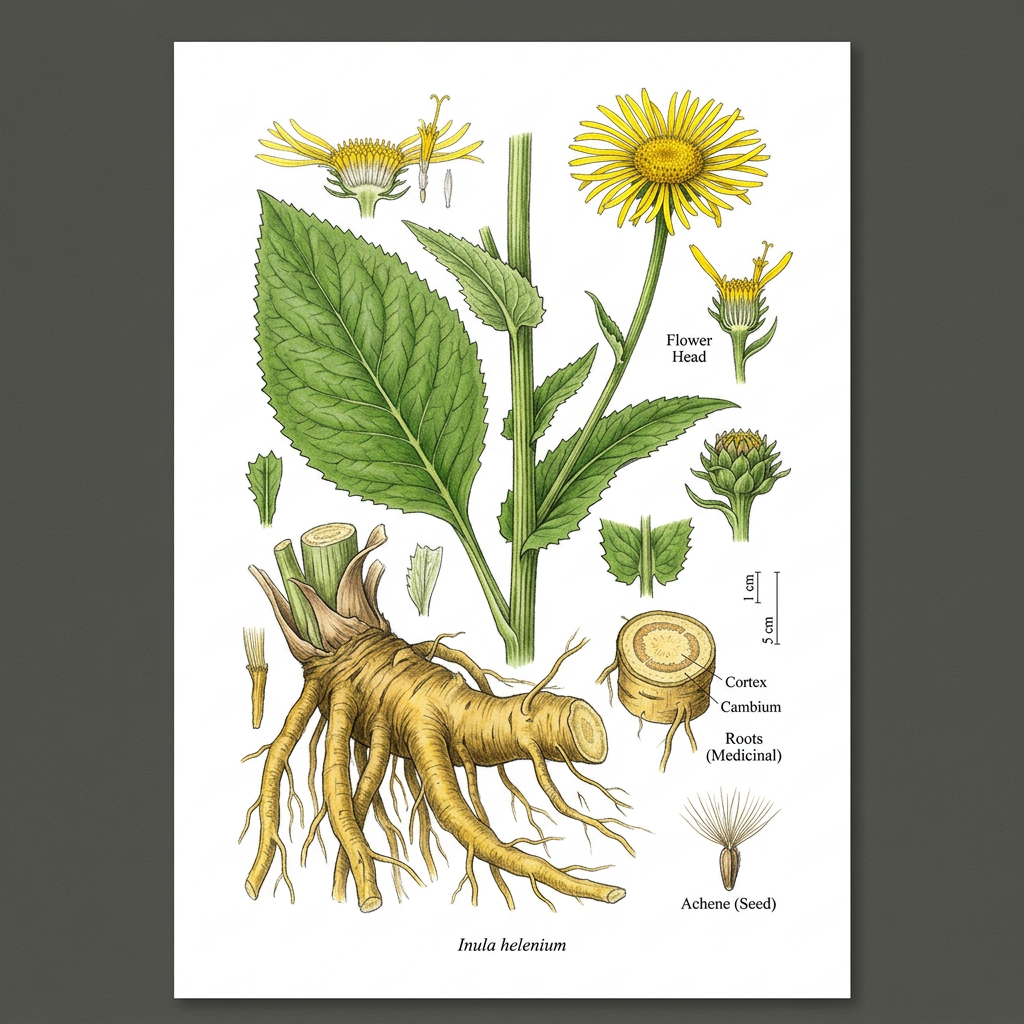
Elecampane

Elecampane

Inula helenium

low risk Risk
Asteraceae
bitter, sweet, warming
<p>Elecampane, known scientifically as Inula helena, is a perennial herb belonging to the Asteraceae family. With a historical footprint that extends back to ancient civilizations, elecampane has been revered not only for its striking yellow flowers and robust stature—often growing up to five feet tall—but also for its extensive medicinal properties. Historically utilized in traditional herbal medicine, particularly by the Greeks and Romans, elecampane was celebrated for its effectiveness in alleviating respiratory ailments. The name "elecampane" is derived from the Latin term “Inula,” which itself holds roots in the ancient herbal practices and signifies its longstanding role in herbalism. It was often used to make syrups and decoctions for coughs and other respiratory concerns, showcasing its importance in the realm of natural therapeutics. The therapeutic properties of elecampane are multifaceted, primarily centering around its potent expectorant capabilities, making it ideal for managing coughs, particularly those associated with phlegm, bronchitis, and other respiratory challenges. Its actions are attributed to several key compounds, including inulin and alantolactone, which exhibit anti-inflammatory and respiratory-stimulant effects. By breaking down mucus and facilitating its expulsion, elecampane not only provides relief from bronchial irritation and congestion but also aids in improving overall respiratory function. Additionally, its anti-asthmatic properties offer hope to those suffering from chronic respiratory conditions, as it helps to soothe irritated airways and promote easier breathing. The mechanism of action for elecampane works on multiple levels within the body. Through its expectorant qualities, it interacts with the mucous membranes of the respiratory tract, stimulating the production and clearance of mucus. This action assists in dislodging obstructive mucus, alleviating symptoms of cough and congestion. Furthermore, its anti-inflammatory properties help to reduce the swelling and irritation of the bronchial passages, contributing to enhanced airflow and respiratory comfort. Elecampane also appears to modulate bronchial secretions, thereby promoting better lung health and providing a soothing effect that can enhance overall wellness, particularly in individuals with chronic respiratory conditions. By understanding the holistic impact of this herb, one can appreciate its significant role in herbal medicine and its potential to support respiratory health naturally.</p>

Uses & Conditions

Lung Health
Asthma
COPD
Anxiety Disorders
Digestive Disorders
Fever
Inflammation
Upper Respiratory Tract Infections
Angina
Bronchitis
Bronchiectasis
Catarrhal States
Colds
Cough
Emphysema

Actions

Anti-asthmatic
Respiratory Stimulant
Anti-inflammatory
Lung Trophorestorative
NFkB Inhibitor
TNF-a Inhibitor
Bronchodilator
Anxiolytic

Parts Used

Roots

Native Countries

Europe and Mediterranean

USDA Hardiness Zones

3
4
5
6
7

Contraindications

  • Pregnancy: avoid due to potential emmenagogue and stimulatory effects on the uterus
  • Breastfeeding: lack of safety data suggests avoiding use during lactation
  • Asteraceae allergy: contra-indicated for individuals with known hypersensitivity to plants in the daisy family
  • Severe gastric irritation: high concentrations of sesquiterpene lactones may exacerbate peptic ulcers or acute gastritis

Potential Side Effects

  • Contact dermatitis
  • Gastrointestinal distress including nausea, vomiting, or diarrhoea
  • Allergic reaction including potential for anaphylaxis or respiratory distress

Interactions

  • Antidiabetic medications: may potentiate blood glucose-lowering effects
  • Anticoagulant and antiplatelet drugs: theoretically may increase the risk of bleeding
  • Lithium: inulin-rich herbs may theoretically affect lithium excretion

Dosages, tincture ratios & research — members only

Unlock Garreth's dosing guidance, tincture ratios, the dosage calculator and the research studies for Elecampane.

Your assessment and results stay saved — upgrading only unlocks more of them.

See membership plans

Community Photos

No community photos yet. Sign in to upload photos.

Reviews & Ratings

Sign in to leave a review.

No reviews yet. Be the first!

GF

Garreth Falls — B.Th., Dip. H.M., MNIMH

Content curated and reviewed by Garreth Falls, Consultant Medical Herbalist · The Wild Sage

Medical Disclaimer: This information is for educational purposes only and is not intended as medical advice. Always consult with qualified healthcare professionals before starting any herbal treatment.
Western tradition

Sustainability & quality

Cultivated

Historically overharvested in some wild areas. Sourcing from organic cultivation is recommended to maintain quality and protect wild populations.

Key constituents

Anti-inflammatory, Inulin, Resins, Sesquiterpine lactones, Sterols, Volatile Oils

References

  1. ESCOP Monographs 2nd ed. 2003
  2. British Herbal Pharmacopoeia 1983
  3. Herbal Reality. Herb monographs. herbalreality.com

Reviewed by Garreth, Medical Herbalist (MNIMH) · October 2026

Related conditions

Explore conditions where Elecampane is traditionally used.

Related Herbs
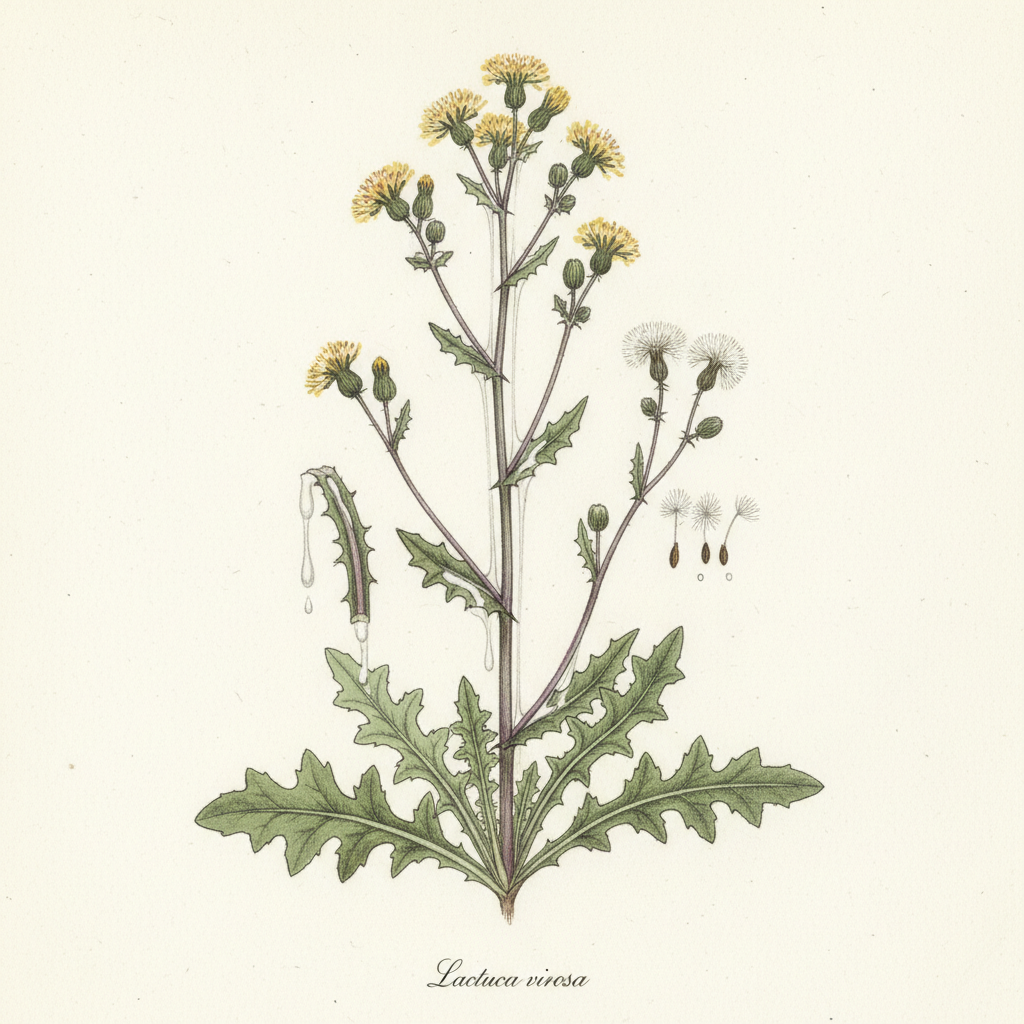
Wild Lettuce

Wild Lettuce

Lactuca virosa

Emotional Well-being
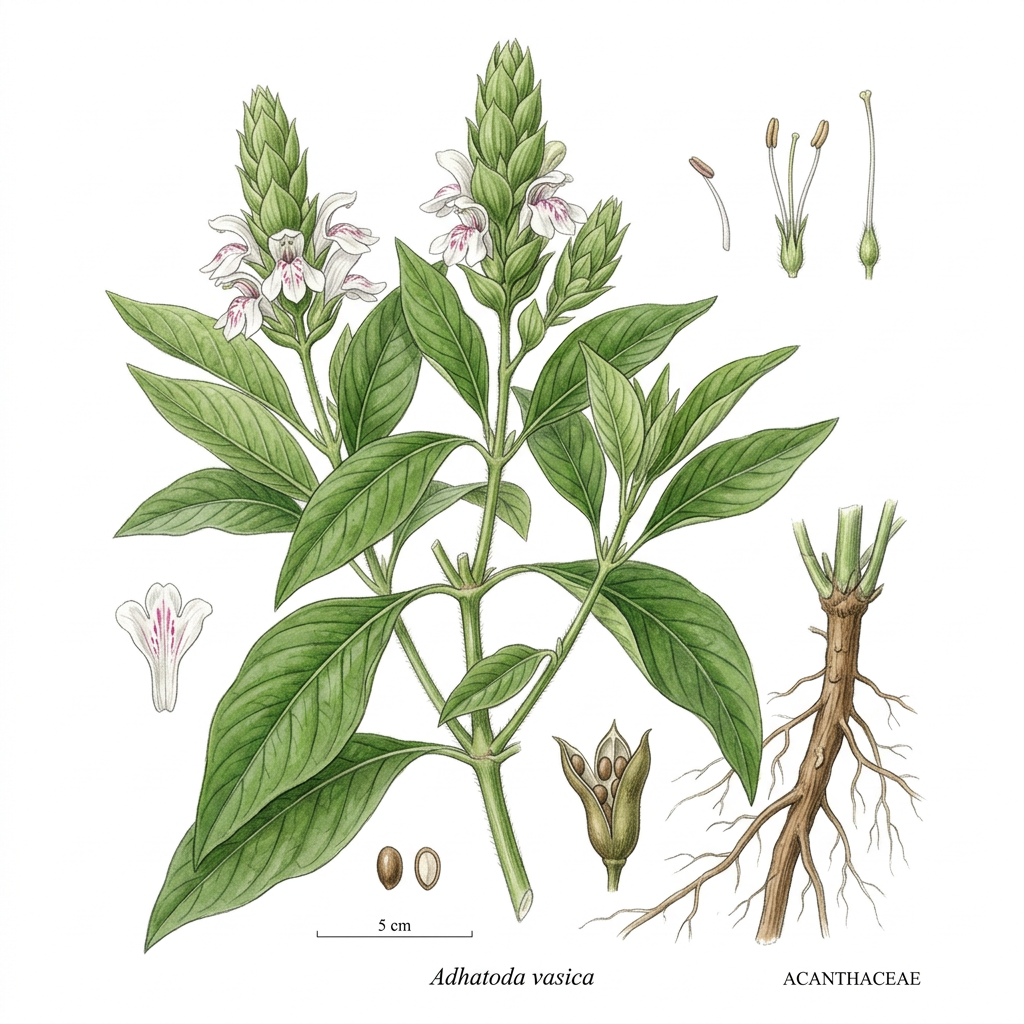
Adhatoda vasia

Adhatoda vasia

Adhatoda vasia

Diabetes
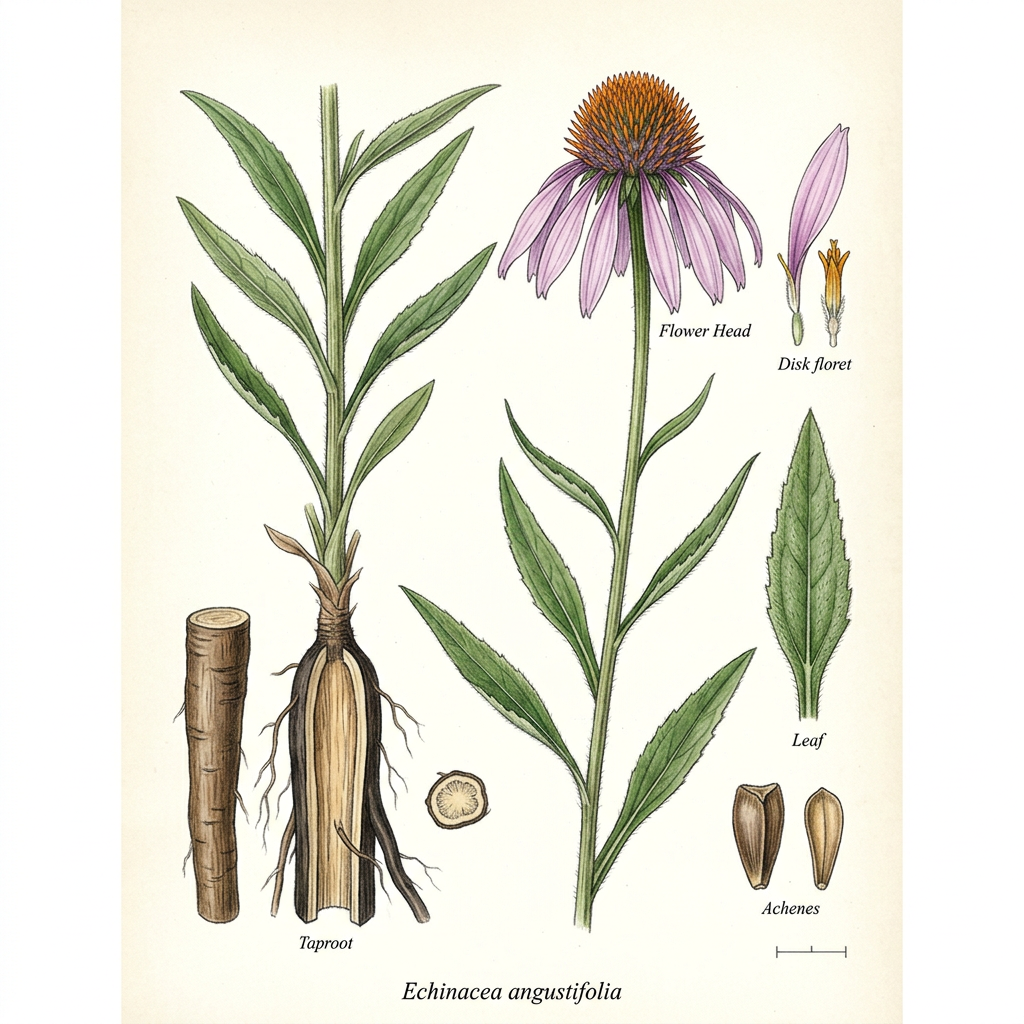
Echinacea angustifolia

Echinacea angustifolia
Echinacea angustifolia

Immune System Support
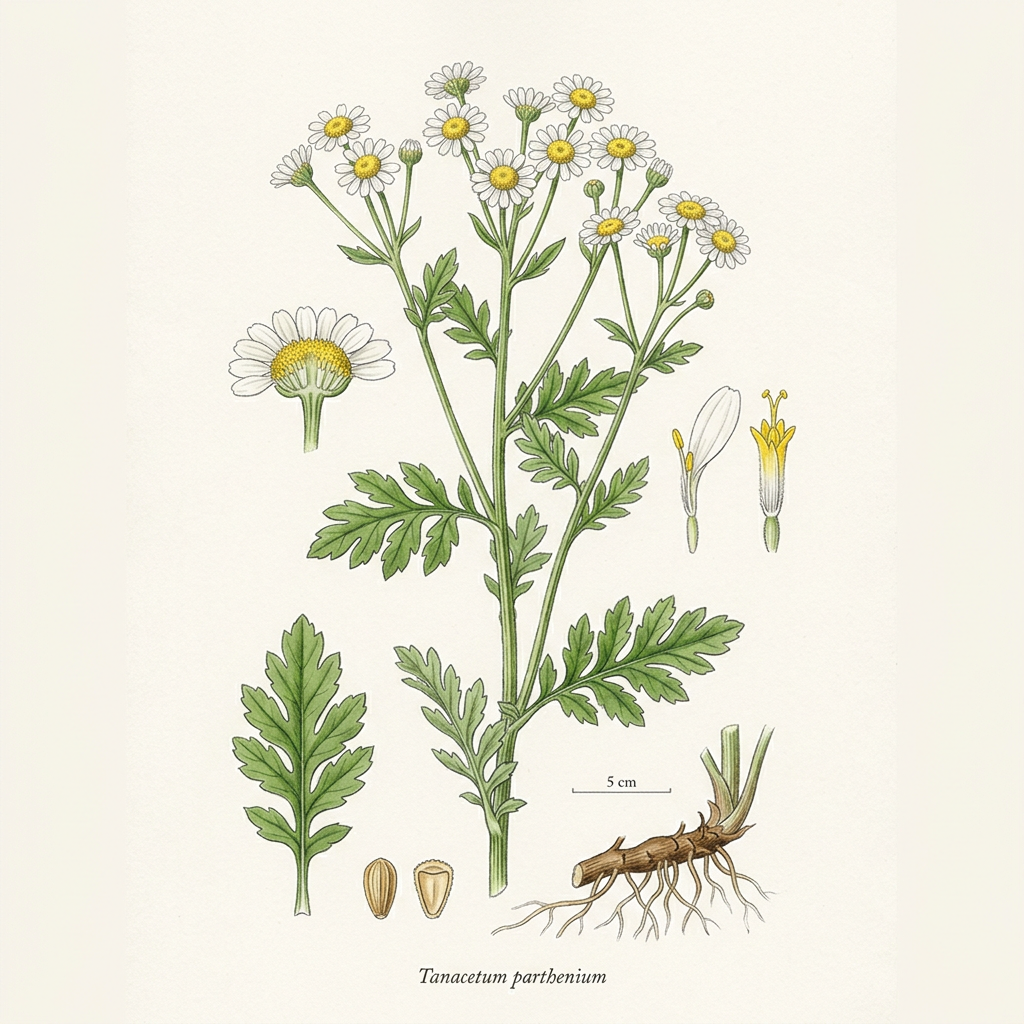
Feverfew

Feverfew

Tanacetum parthenium

Headache Relief