The Wild Sage logo
The Wild Sage Logo

Herbal Medicine at your fingertips

Comprehensive database of herbal remedies with detailed safety information and traditional uses

New to herbal terms? Read the glossary →
ADHD
Abcess
Acid Reflux Relief
Acinetobacter
Acne
Acne Vulgaris
Addisons
Adenomyosis
Adenovirus
Adrenal fatigue
Aging
Aids
Alcaligenes faecalis
Alcoholism
Allergic Rhinitis
Allergies
Allergy
Alopoecia
Alopoecia nervosa
Alzheimer's, Dementia & Cognitive Decline
420 herbs found
Important: This information is for educational purposes only. Always consult with qualified healthcare professionals before using herbal remedies, especially if you have existing health conditions or take medications.
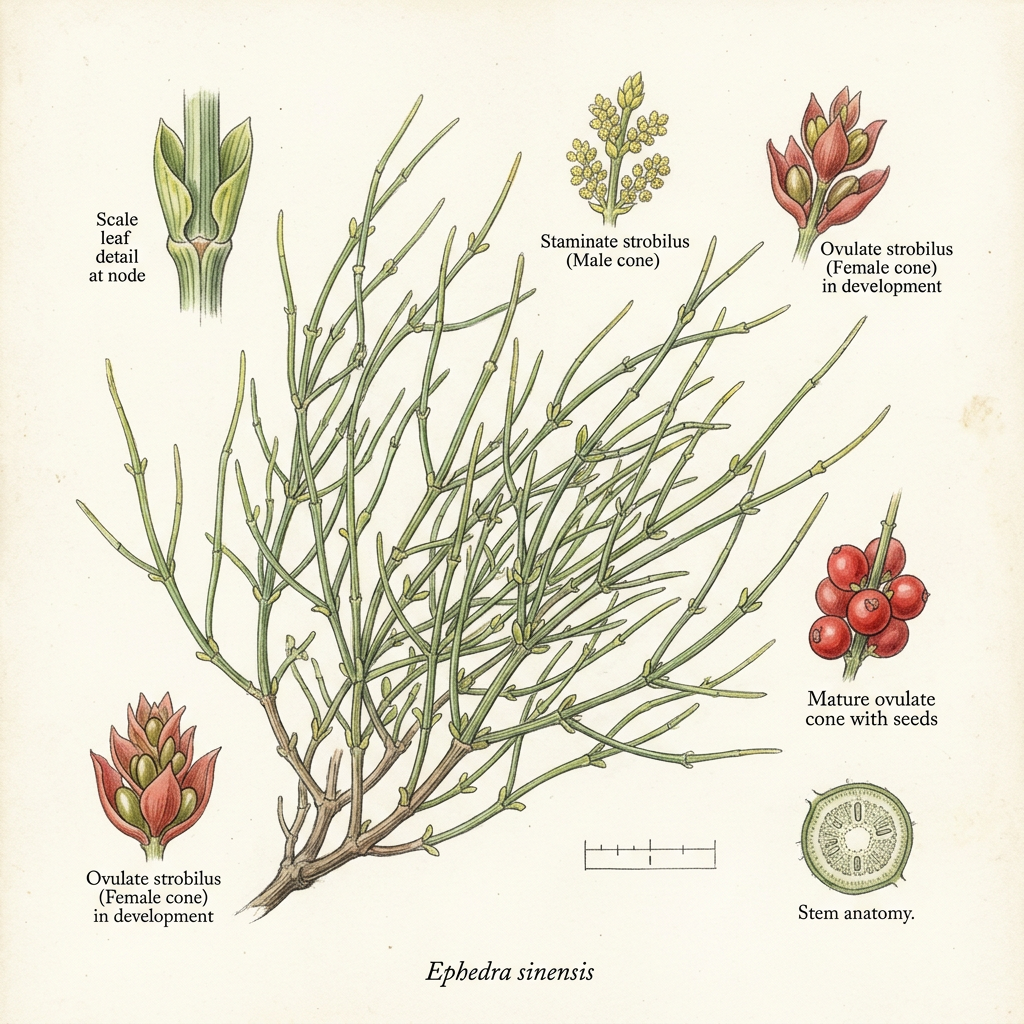
Ephedra sinensis

Ephedra sinensis

Ephedra sinensis

high risk Risk
Ephedraceae
Known for its stimulating and energizing properties, often used to enhance physical performance and combat fatigue.
<p>Ephedra sinensis, commonly known as Ma Huang, is a perennial shrub native to the arid regions of Central Asia, particularly China. Historically revered in Traditional Chinese Medicine (TCM), this herb has been utilized for over two millennia as a potent restorative and therapeutic agent. It was originally employed to alleviate respiratory ailments, such as asthma and bronchitis, and to combat cold and flu symptoms. The leaves of Ephedra sinensis contain a wealth of bioactive compounds, with the most notable being ephedrine and pseudoephedrine, which have played a pivotal role in the development of modern medicine. Within the framework of TCM, it not only serves to open the lungs but is also believed to enhance Qi—or vital energy—making it a cornerstone herbal remedy in ancient practices. The therapeutic properties of Ephedra sinensis are multifaceted, primarily recognized for its stimulating and invigorating effects on the human body. As a natural energy booster, it is often sought after to enhance physical performance and improve endurance. Additionally, its mood-enhancing capabilities can contribute to overall well-being and mental alertness. Moreover, its role in respiratory support is significant; the herb acts as a bronchodilator, facilitating easier breathing by relaxing the muscles around the airways. Beyond its respiratory benefits, Ephedra has also been employed in traditional weight management formulations, owing to its ability to elevate metabolism and assist in the mobilization of fat stores. The mechanisms through which Ephedra sinensis exerts its effects are primarily linked to its active compounds, particularly ephedrine, which stimulates the sympathetic nervous system. This stimulation leads to increased heart rate, enhanced physical performance, and improved mental clarity. The herb’s bronchodilatory action is achieved by relaxing bronchial smooth muscles, thus promoting airway dilation and alleviating symptoms of respiratory distress. However, due to its potency and potential side effects, it is crucial for users to approach Ephedra with caution and ideally under the guidance of a qualified herbal practitioner. Overall, Ephedra sinensis continues to be a remarkable example of how ancient wisdom can inform contemporary health practices, offering a blend of energy, clarity, and respiratory support for modern individuals seeking holistic approaches to wellness.</p>

Uses & Conditions

Energy Boosting
Respiratory Support
Allergy
Asthma
Bronchitis
Cold Symptoms
Depression
Enuresis
Fatigue
Hayfever
Rhinitis
Sinusitis

Actions

Adrenergic
Anti-allergenic
Central Nervous System Activator
Decongestant

Synonyms

Ma huang

Parts Used

Aerial parts

Native Countries

Asia

USDA Hardiness Zones

USDA 9-11

Contraindications

  • Cardiovascular disease
  • Hypertension
  • Enlarged prostate
  • Glaucoma
  • Insomnia
  • Heart disease

Potential Side Effects

  • Restlessness
  • Tremor
  • Insomnia
  • Hypertension
  • Dry mouth
  • Arrhythmia
  • Skin rashes
  • Urinary retention

Interactions

  • Antidepressants
  • Theophylline drugs
  • Monoamine oxidase inhibitors (MAOIs): potential risk of severe hypertensive crisis
  • Sympathomimetic drugs: may cause additive cardiovascular stimulation and increased heart rate
  • Caffeine and other stimulants: may significantly increase the risk of adverse cardiovascular events
  • Antihypertensive medications: Ephedra may antagonise the therapeutic effect of blood pressure lowering drugs
  • General anaesthetics: increased risk of arrhythmias during surgical procedures

Dosages, tincture ratios & research — members only

Unlock Garreth's dosing guidance, tincture ratios, the dosage calculator and the research studies for Ephedra sinensis.

Your assessment and results stay saved — upgrading only unlocks more of them.

See membership plans

Community Photos

No community photos yet. Sign in to upload photos.

Reviews & Ratings

Sign in to leave a review.

No reviews yet. Be the first!

GF

Garreth Falls — B.Th., Dip. H.M., MNIMH

Content curated and reviewed by Garreth Falls, Consultant Medical Herbalist · The Wild Sage

Medical Disclaimer: This information is for educational purposes only and is not intended as medical advice. Always consult with qualified healthcare professionals before starting any herbal treatment.
Chinese tradition

Sustainability & quality

At risk

Highly regulated and overharvested in many native regions. Only purchase through licensed suppliers who can provide verified, sustainable origins.

Key constituents

Ephedrine alkaloids, Pseudoephedrine, Norephedrine, Tannins, Flavonoids, Volatile oils, Organic acids

References

  1. Bensky "Chinese Herbal Medicine: Materia Medica" 3rd ed. 2004
  2. Mills & Bone "The Essential Guide to Herbal Safety" 2005
  3. Herbal Reality. Herb monographs. herbalreality.com

Reviewed by Garreth, Medical Herbalist (MNIMH) · October 2026

Related conditions

Explore conditions where Ephedra sinensis is traditionally used.

Related Herbs

Elder

Elder

Sambucus nigra

Immune Support
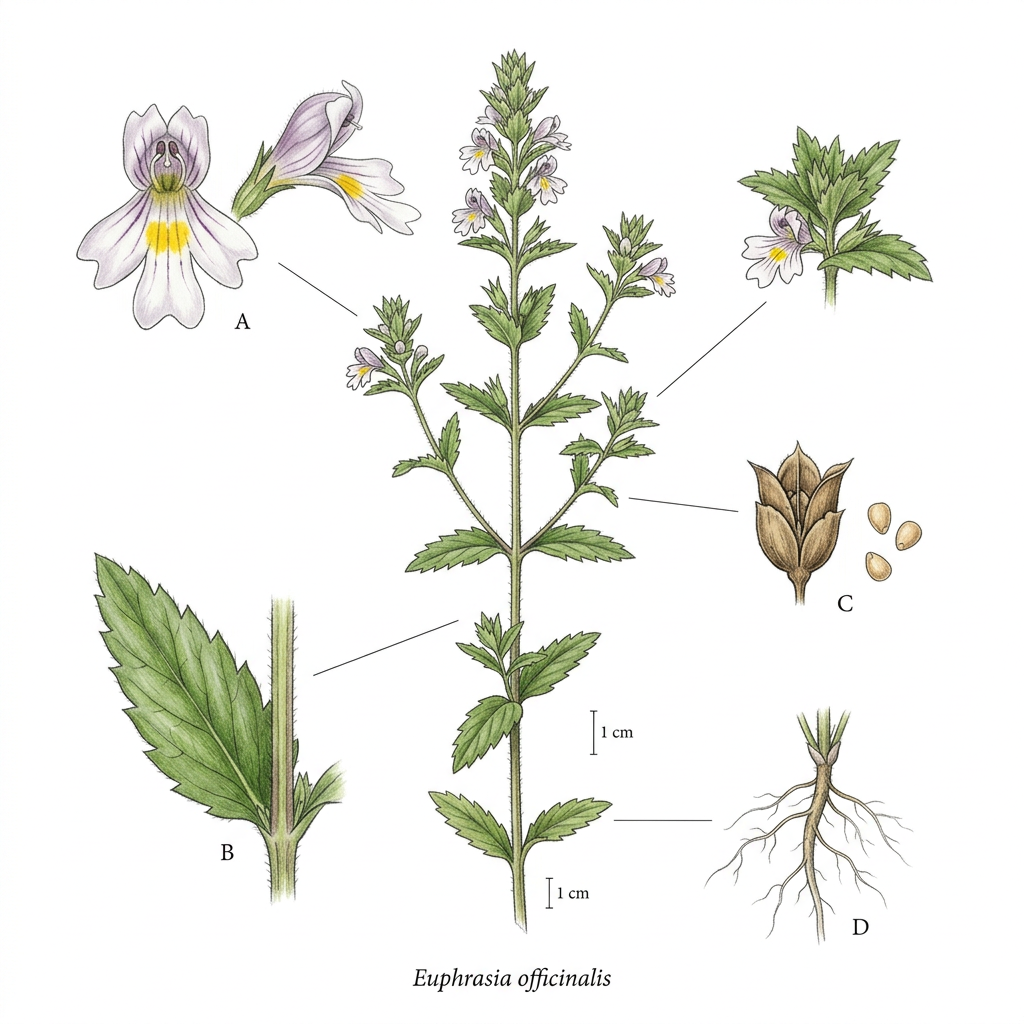
Eyebright

Eyebright

Euphrasia officinalis

Ocular Health
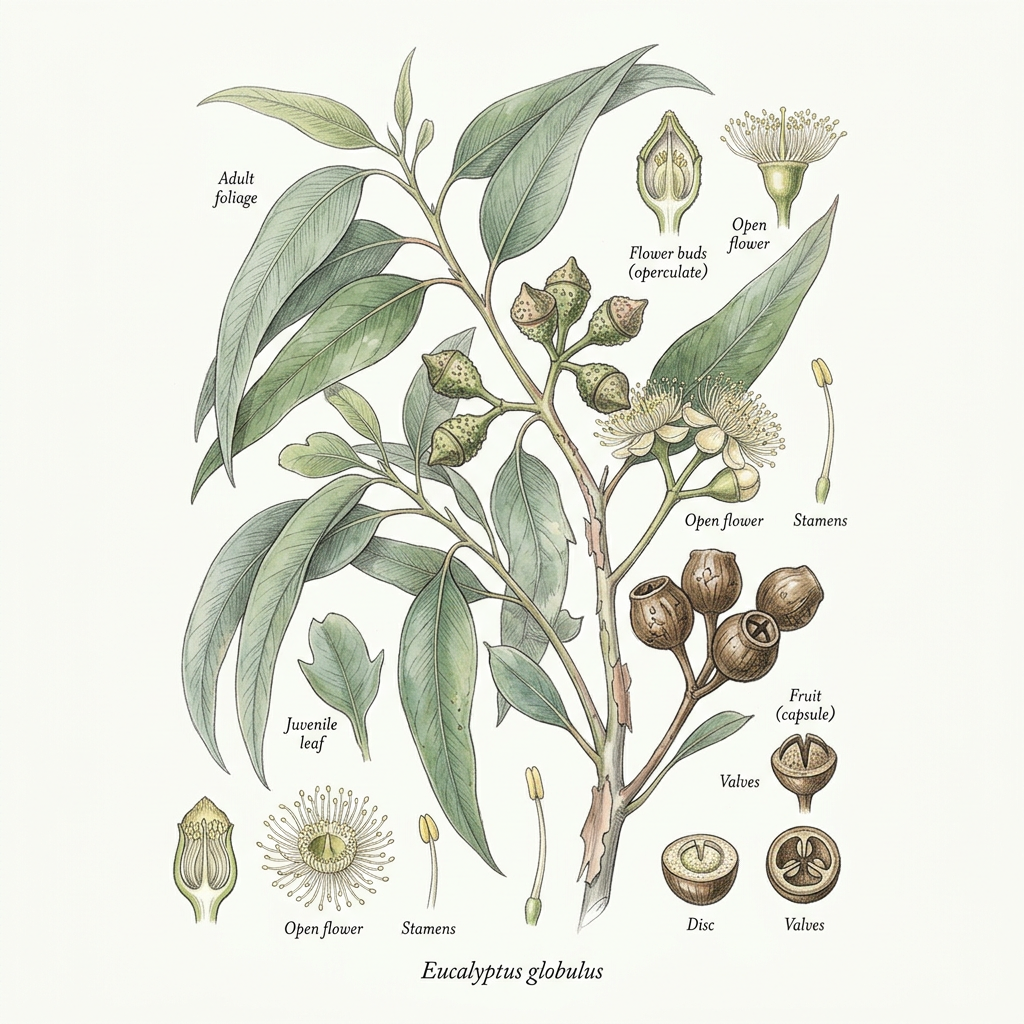
Eucalyptus

Eucalyptus

Eucalyptus globulus

Respiratory Support
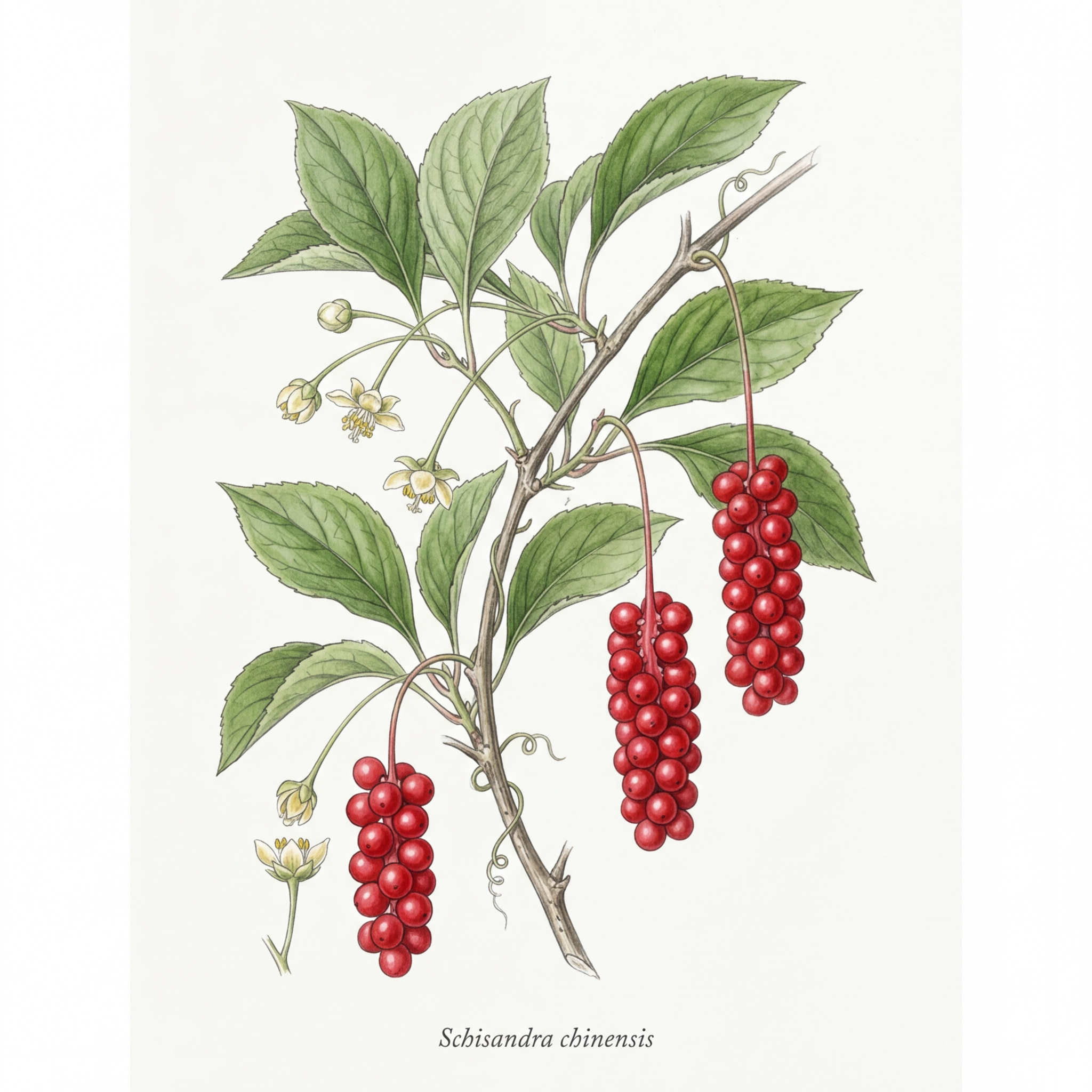
Schisandra

Schisandra

Schisandra chinensis

Adaptogen