The Wild Sage logo
The Wild Sage Logo

Herbal Medicine at your fingertips

Comprehensive database of herbal remedies with detailed safety information and traditional uses

New to herbal terms? Read the glossary →
ADHD
Abcess
Acid Reflux Relief
Acinetobacter
Acne
Acne Vulgaris
Addisons
Adenomyosis
Adenovirus
Adrenal fatigue
Aging
Aids
Alcaligenes faecalis
Alcoholism
Allergic Rhinitis
Allergies
Allergy
Alopoecia
Alopoecia nervosa
Alzheimer's, Dementia & Cognitive Decline
420 herbs found
Important: This information is for educational purposes only. Always consult with qualified healthcare professionals before using herbal remedies, especially if you have existing health conditions or take medications.
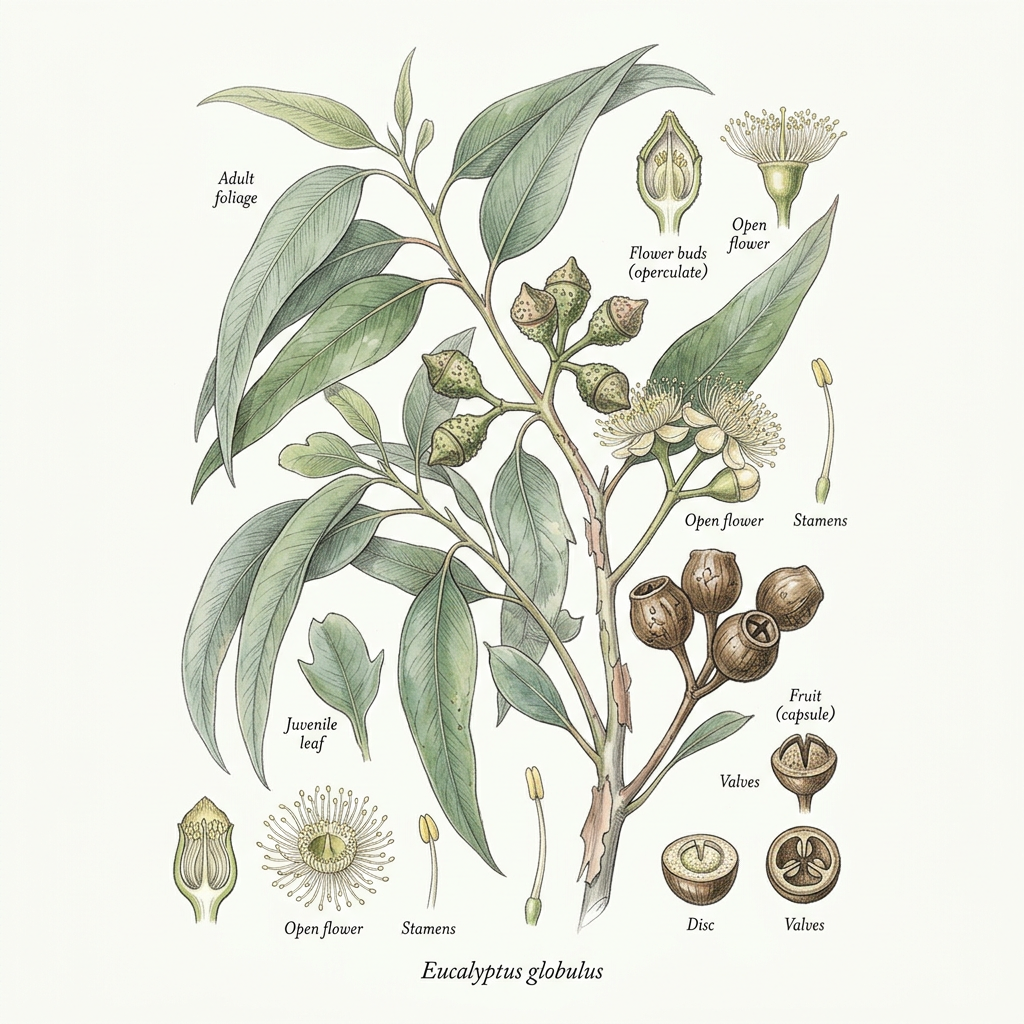
Eucalyptus

Eucalyptus

Eucalyptus globulus

low risk Risk
Myrtaceae
cooling, moistening
<p>Eucalyptus, scientifically known as Eucalyptus globulus, is a tall tree native to Australia, renowned for its aromatic foliage and significant therapeutic properties. Traditionally, the leaves of the eucalyptus tree have been utilized for centuries by Indigenous Australian communities for their potent medicinal qualities. The leaves have been employed in steam inhalation treatments to relieve respiratory ailments, while poultices made from the crushed leaves were used to soothe skin irritation and inflammation. In the 19th century, the tree's natural antiseptic properties caught the attention of European settlers, leading to the widespread use of eucalyptus oil in public health endeavors, particularly in the preservation of sanitation and the prevention of infectious diseases. Eucalyptus is esteemed in modern herbalism primarily for its anti-inflammatory, antimicrobial, and respiratory support actions. Its active constituents, including eucalyptol (1,8-cineole), exhibit a range of beneficial properties that make it a valuable addition to both herbal remedies and commercial products. Eucalyptus oil is used as a bronchodilator, which helps to open the airways and promote easier breathing, making it particularly effective in treating conditions such as asthma, bronchitis, and sinusitis. Furthermore, its abilities to modulate cytokine production and inhibit nuclear factor kappa-light-chain-enhancer of activated B cells (NFκB) suggest that it may play a role in reducing chronic inflammation and supporting immune health. At a physiological level, eucalyptus functions primarily by influencing the respiratory system and the immune response. When inhaled, the volatile compounds in eucalyptus oil penetrate mucous membranes, promoting expectoration and easing congestion in the lungs and sinuses. The anti-inflammatory properties can reduce swelling and irritation in the airways, while its antimicrobial actions help combat pathogenic bacteria and viruses. The modulation of cytokines helps balance immune responses, which may enhance the body's ability to fight infections and reduce symptoms of respiratory distress. Overall, eucalyptus stands out as a robust herbal ally, merging traditional wisdom with modern scientific understanding in its application for respiratory health and overall well-being.</p>

Uses & Conditions

Respiratory Support
Immune Health
Asthma
Bronchitis
Sinusitis
Catarrhal States
Upper Respiratory Tract Infection
Ulcerative Colitis
Crohn's Disease
Pyelonephritis
Colds

Actions

Anti-inflammatory
Antimicrobial
Bronchodilator
Cytokine Modulator
NFκB Inhibitor
Antibacterial
Expectorant

Parts Used

Dried leaves
Essential oil distilled from leaves

USDA Hardiness Zones

9
10
11

Contraindications

  • Avoid in children under 12 years due to risk of bronchospasm
  • Contraindicated during pregnancy and breastfeeding
  • Do not apply essential oils to the face or near the nose of infants or young children
  • Use caution in individuals with inflammatory skin conditions or damaged skin barriers
  • Avoid in patients with liver or kidney disease without clinical supervision

Potential Side Effects

  • Dermatological irritation or contact dermatitis if applied undiluted
  • Gastrointestinal upset including nausea or diarrhoea if ingested in high doses
  • Respiratory irritation or spasm when inhaled in concentrated forms

Interactions

  • CYP450 enzyme substrates: may alter the metabolism of drugs processed by the liver
  • Hypoglycaemic agents and antidiabetic drugs: may theoretically enhance effects requiring glucose monitoring
  • Sedative medications: potential for synergistic effects with CNS depressants

Dosages, tincture ratios & research — members only

Unlock Garreth's dosing guidance, tincture ratios, the dosage calculator and the research studies for Eucalyptus .

Your assessment and results stay saved — upgrading only unlocks more of them.

See membership plans

Community Photos

No community photos yet. Sign in to upload photos.

Reviews & Ratings

Sign in to leave a review.

No reviews yet. Be the first!

GF

Garreth Falls — B.Th., Dip. H.M., MNIMH

Content curated and reviewed by Garreth Falls, Consultant Medical Herbalist · The Wild Sage

Medical Disclaimer: This information is for educational purposes only and is not intended as medical advice. Always consult with qualified healthcare professionals before starting any herbal treatment.
Western tradition

Sustainability & quality

Abundant

Widely cultivated; ensure oils are tested for purity and specific constituent profiles.

Key constituents

Anti-inflammatory, Antimicrobial, Essential oil, Pinene, Volatile Oils, Tannin, Cineole, Cymene, sesquiterpenes, aromadendrene

References

  1. Bone & Mills "Principles and Practice of Phytotherapy" 2nd ed. 2013
  2. ESCOP Monographs 2nd ed. 2003
  3. British Herbal Pharmacopoeia 1983
  4. Herbal Reality. Herb monographs. herbalreality.com

Reviewed by Garreth, Medical Herbalist (MNIMH) · October 2026

Related conditions

Explore conditions where Eucalyptus is traditionally used.

Related Herbs
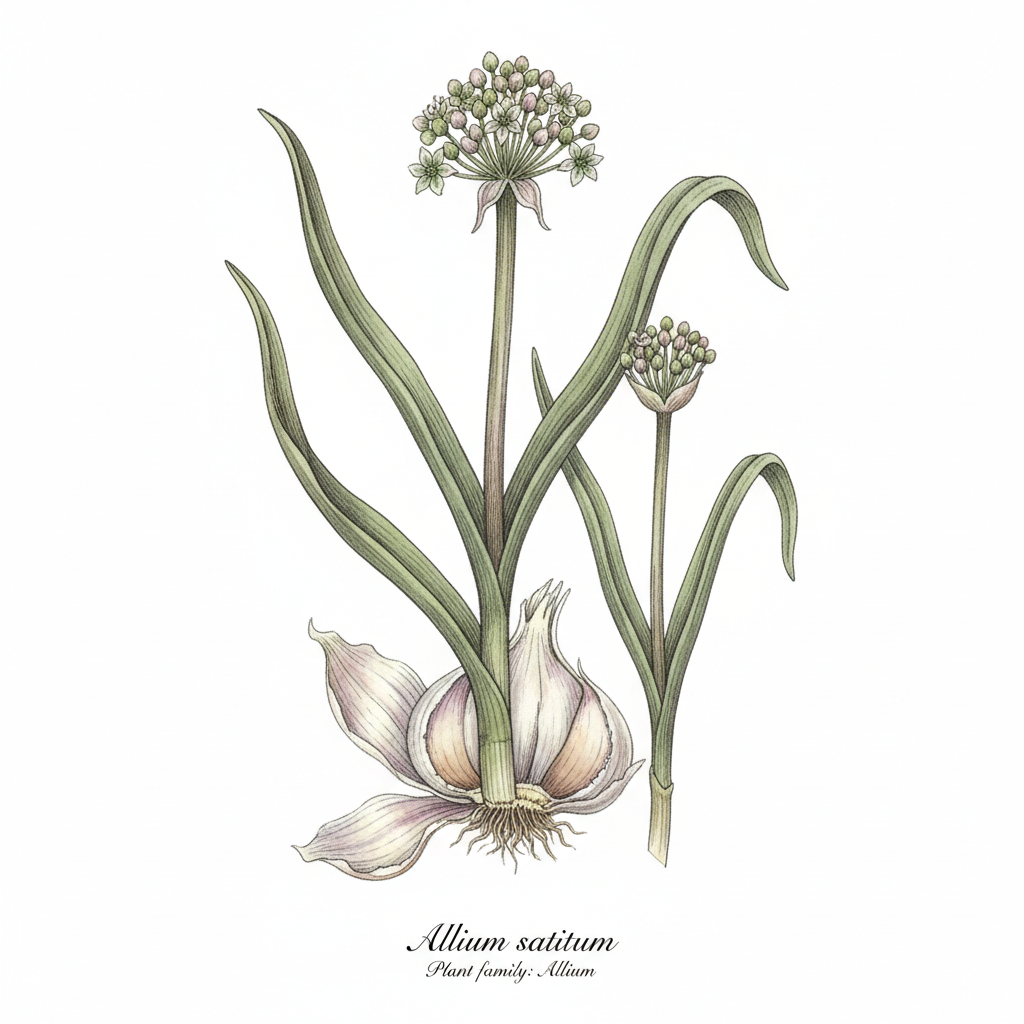
Garlic

Garlic

Allium sativum

Immune Support
Elder

Elder

Sambucus nigra

Immune Support
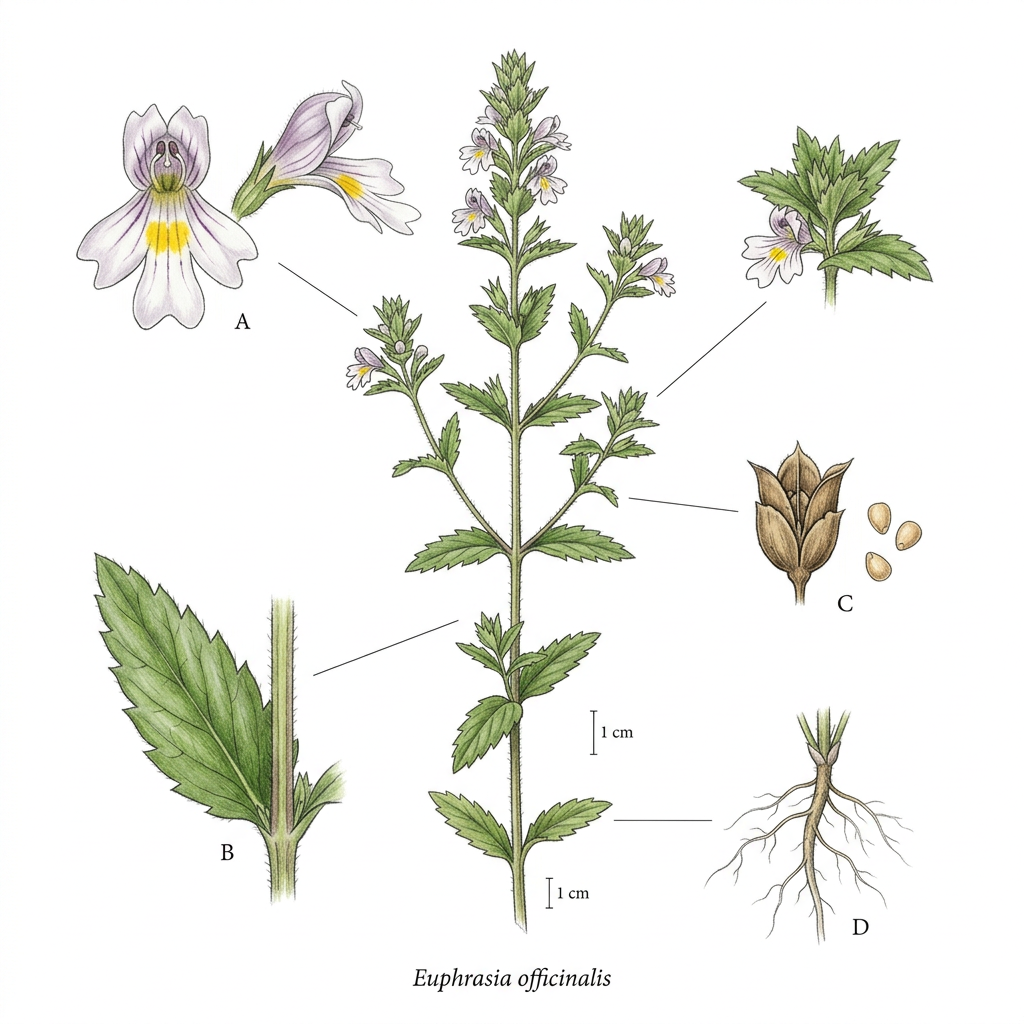
Eyebright

Eyebright

Euphrasia officinalis

Ocular Health
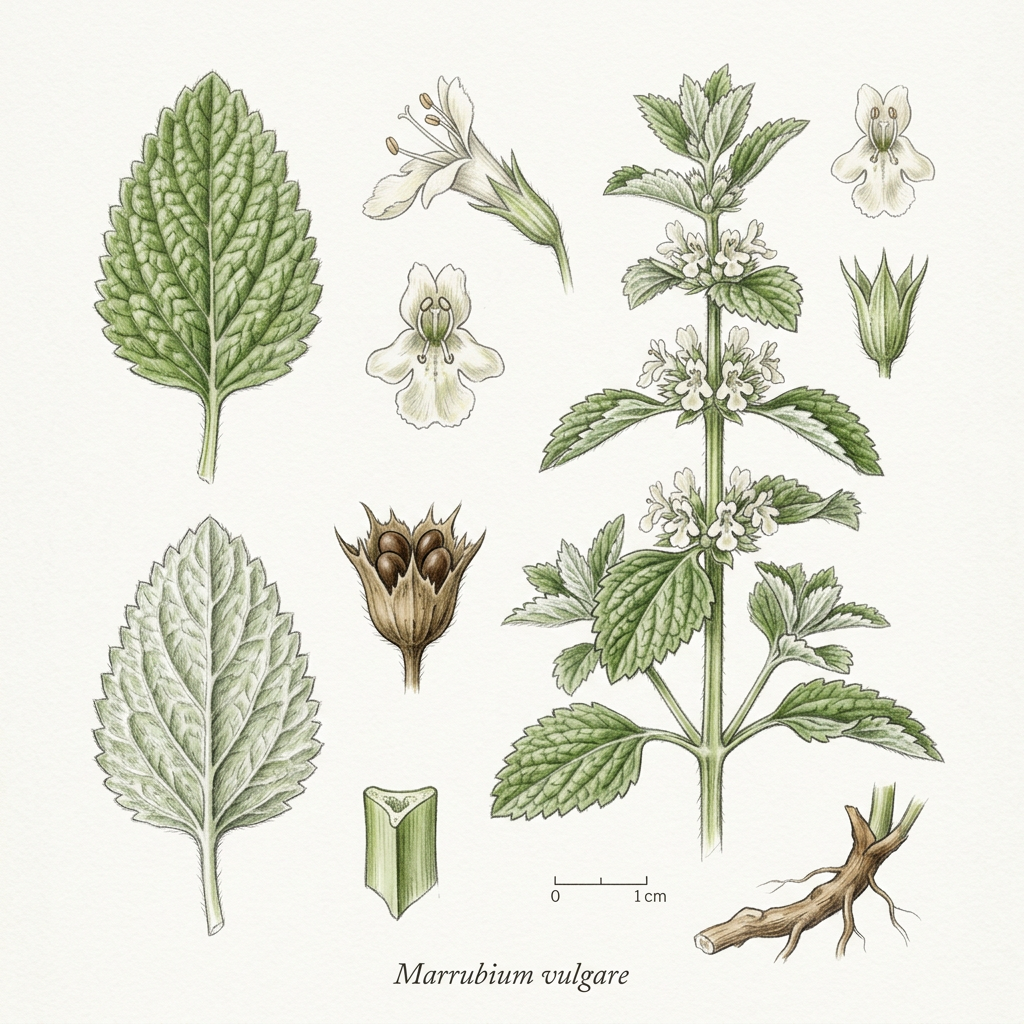
Horehound

Horehound

Marrubium vulgare

Respiratory Support