The Wild Sage logo
The Wild Sage Logo

Herbal Medicine at your fingertips

Comprehensive database of herbal remedies with detailed safety information and traditional uses

New to herbal terms? Read the glossary →
ADHD
Abcess
Acid Reflux Relief
Acinetobacter
Acne
Acne Vulgaris
Addisons
Adenomyosis
Adenovirus
Adrenal fatigue
Aging
Aids
Alcaligenes faecalis
Alcoholism
Allergic Rhinitis
Allergies
Allergy
Alopoecia
Alopoecia nervosa
Alzheimer's, Dementia & Cognitive Decline
420 herbs found
Important: This information is for educational purposes only. Always consult with qualified healthcare professionals before using herbal remedies, especially if you have existing health conditions or take medications.
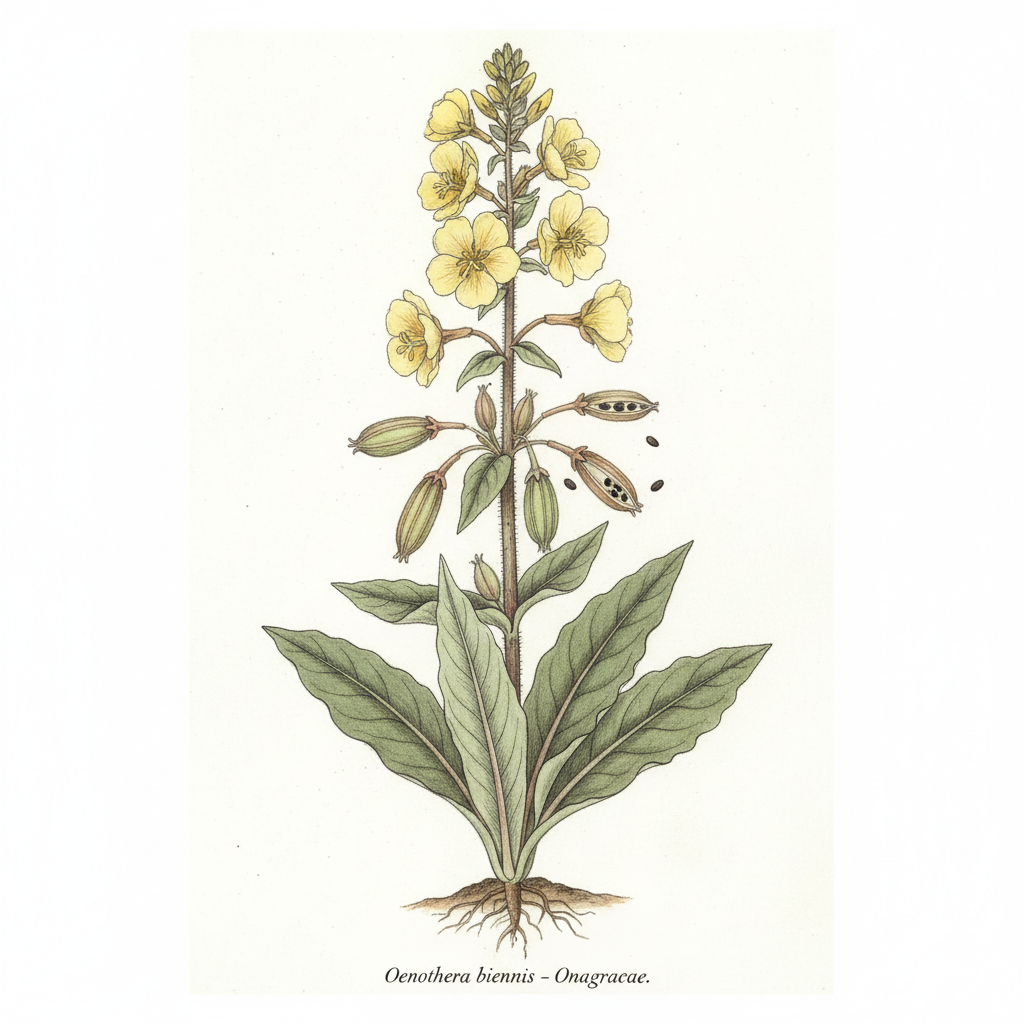
Evening Primrose

Evening Primrose

Oenothera biennis

low risk Risk
Onagraceae
It is thought to promote a sense of well-being and stabilize mood.
<p>Evening Primrose is a striking biennial plant native to North America, characterized by its elegant yellow flowers that bloom in the evening, releasing a captivating fragrance that attracts nocturnal pollinators such as moths. Historically, indigenous peoples used Evening Primrose for its numerous health benefits, utilizing various parts of the plant for food and medicine. In traditional herbalism, the seeds were recognized for their oil, rich in gamma-linolenic acid (GLA), which became a focal point in the early 20th century when practitioners began exploring its potential role in maintaining hormonal health and alleviating skin conditions. As modern phytotherapy evolved, Evening Primrose gained popularity for its holistic applications, becoming a staple in herbal remedies and dietary supplements aimed at addressing various women's health concerns. The key therapeutic properties of Evening Primrose oil can be attributed primarily to its high GLA content, a fatty acid that plays a crucial role in the synthesis of prostaglandins. These bioactive compounds are essential for regulating inflammatory responses in the body, making Evening Primrose a valuable ally in managing conditions such as premenstrual syndrome (PMS) and eczema. Many women have reported alleviated symptoms of hormonal imbalance, such as mood swings, bloating, and skin flare-ups, when incorporating Evening Primrose oil supplements into their wellness routines. Additionally, its anti-inflammatory action can help soothe the irritation associated with skin conditions like eczema, promoting healthier skin through enhanced moisture retention and barrier function. When introduced to the body, the GLA in Evening Primrose oil is metabolized into prostaglandins that assist in maintaining hormonal equilibrium and modulating inflammation. This bioconversion supports the body’s natural processes in regulating menstrual cycles and alleviating the discomfort associated with PMS. Moreover, its anti-inflammatory properties extend to systemic applications, potentially reducing inflammation-related symptoms throughout different tissues, effectively providing relief to those suffering from chronic inflammatory conditions. As a whole, Evening Primrose stands out as a multifaceted botanical, seamlessly bridging traditional herbal practices with contemporary health needs, making it a valuable resource in the pursuit of holistic well-being.</p>

Uses & Conditions

Hormonal balance
Skin health
Uterine tone regulation
Epilepsy
Pregnancy complications
Schizophrenia
ADHD
Atherosclerosis
Hypertension
Brittle nails
Itchy dandruff
Depression
Diabetes
PMS
Eczema
Mood swings
Bloating
Skin flare-ups
Chronic inflammation

Actions

Anti-inflammatory

Parts Used

Seeds flwoers
leaves

Native Countries

North America

USDA Hardiness Zones

USDA 3-9

Contraindications

  • History of epilepsy or temporal lobe seizures
  • Pregnancy
  • Recent history of surgery or scheduled surgical procedures
  • Individuals taking anticonvulsant medication
  • Hypersensitivity or allergy to plants in the Onagraceae family

Potential Side Effects

  • Mild gastrointestinal disturbances
  • Nausea
  • Indigestion
  • Loose stools
  • Headache
  • Dizziness
  • Skin rashes or irritation

Interactions

  • Anticoagulants and antiplatelet drugs
  • Phenothiazines
  • Non-steroidal anti-inflammatory drugs (NSAIDs)
  • General anaesthesia

Dosages, tincture ratios & research — members only

Unlock Garreth's dosing guidance, tincture ratios, the dosage calculator and the research studies for Evening Primrose.

Your assessment and results stay saved — upgrading only unlocks more of them.

See membership plans

Community Photos

No community photos yet. Sign in to upload photos.

Reviews & Ratings

Sign in to leave a review.

No reviews yet. Be the first!

GF

Garreth Falls — B.Th., Dip. H.M., MNIMH

Content curated and reviewed by Garreth Falls, Consultant Medical Herbalist · The Wild Sage

Medical Disclaimer: This information is for educational purposes only and is not intended as medical advice. Always consult with qualified healthcare professionals before starting any herbal treatment.
Western tradition

Sustainability & quality

Abundant

A common biennial weed easily found in waste ground. Cultivated crops are preferred for consistent oil profiles in commercial preparations.

Key constituents

Gamma-linolenic acid (GLA), Linoleic acid, Oleic acid, Palmitic acid, Stearic acid, Phytosterols, Phenolic acids

References

  1. Bone & Mills "Principles and Practice of Phytotherapy" 2nd ed. 2013
  2. ESCOP Monographs 2nd ed. 2003
  3. Herbal Reality. Herb monographs. herbalreality.com

Reviewed by Garreth, Medical Herbalist (MNIMH) · October 2026

Related conditions

Explore conditions where Evening Primrose is traditionally used.

Related Herbs
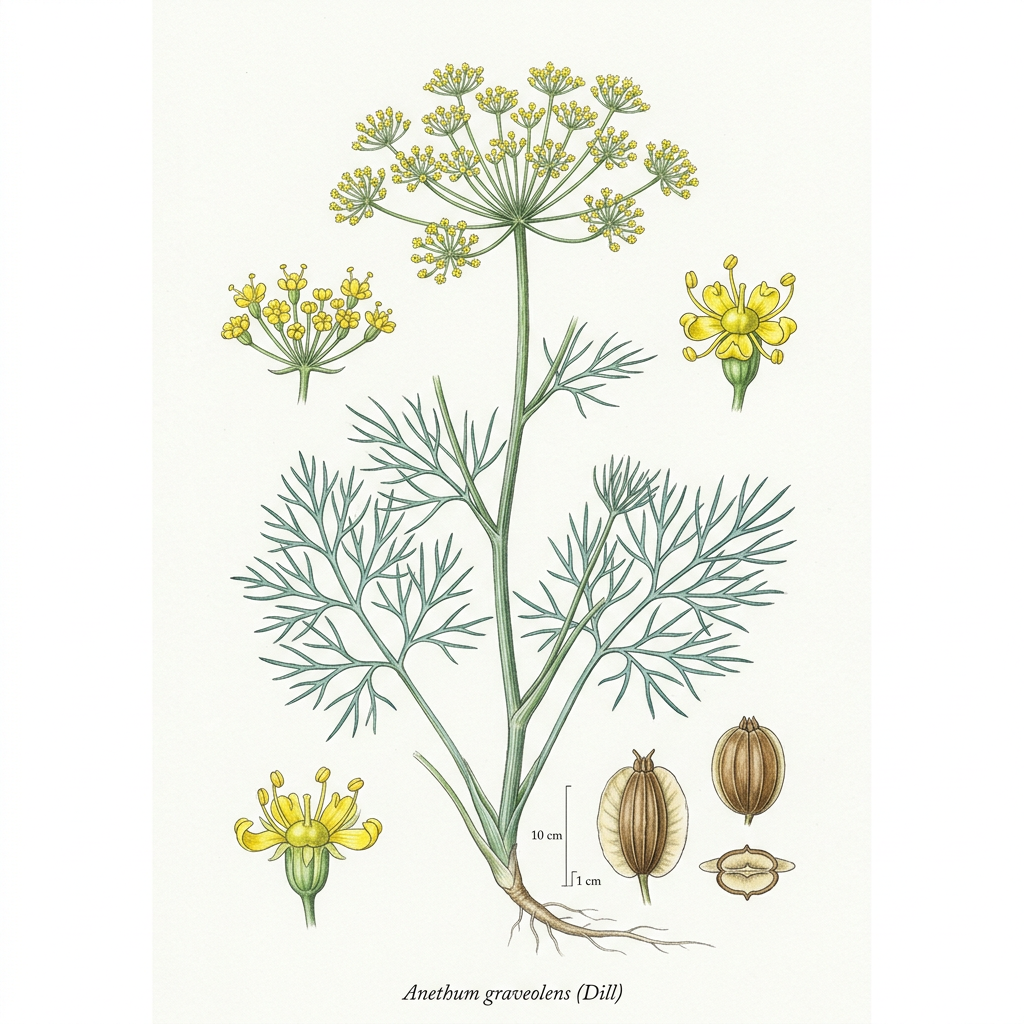
Anise

Anise

Pimpinella anisum

Digestive Tonic
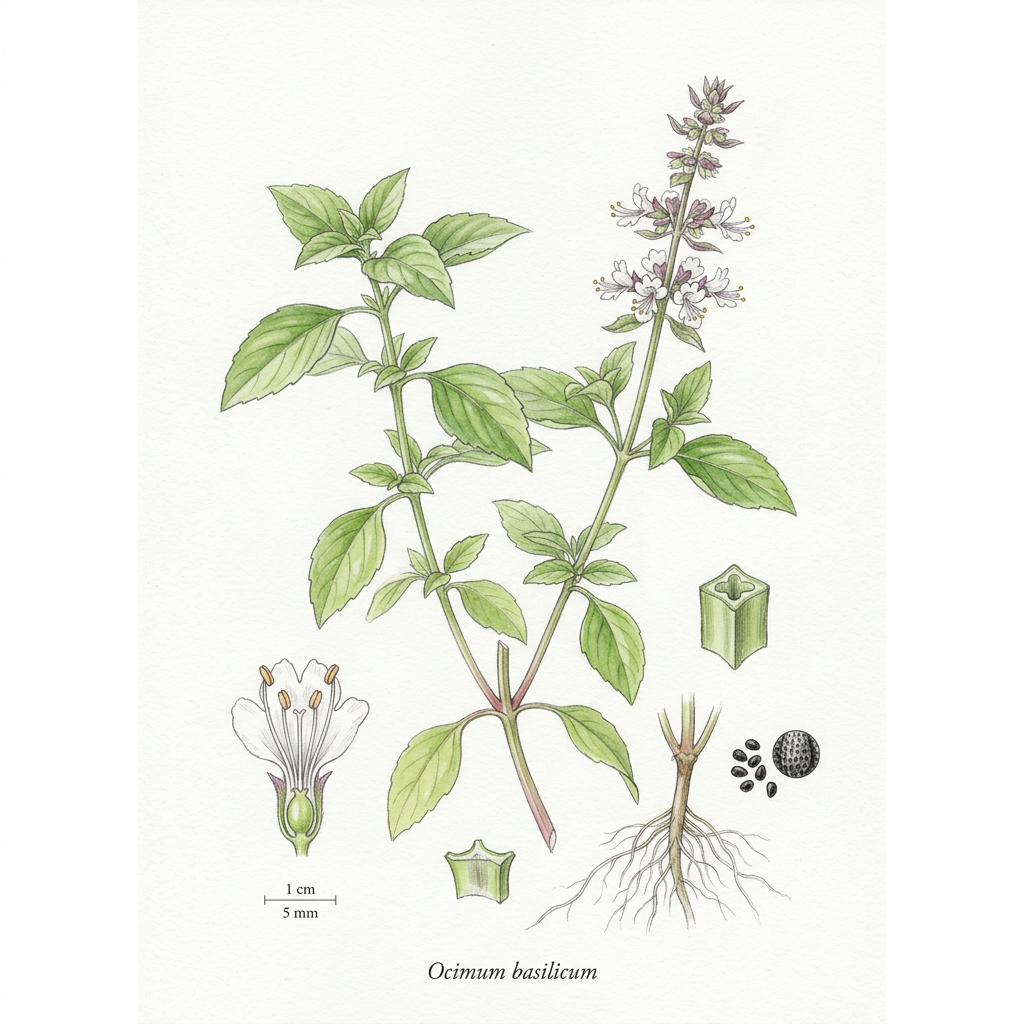
Basil

Basil

Ocimum basilicum

Convalescence
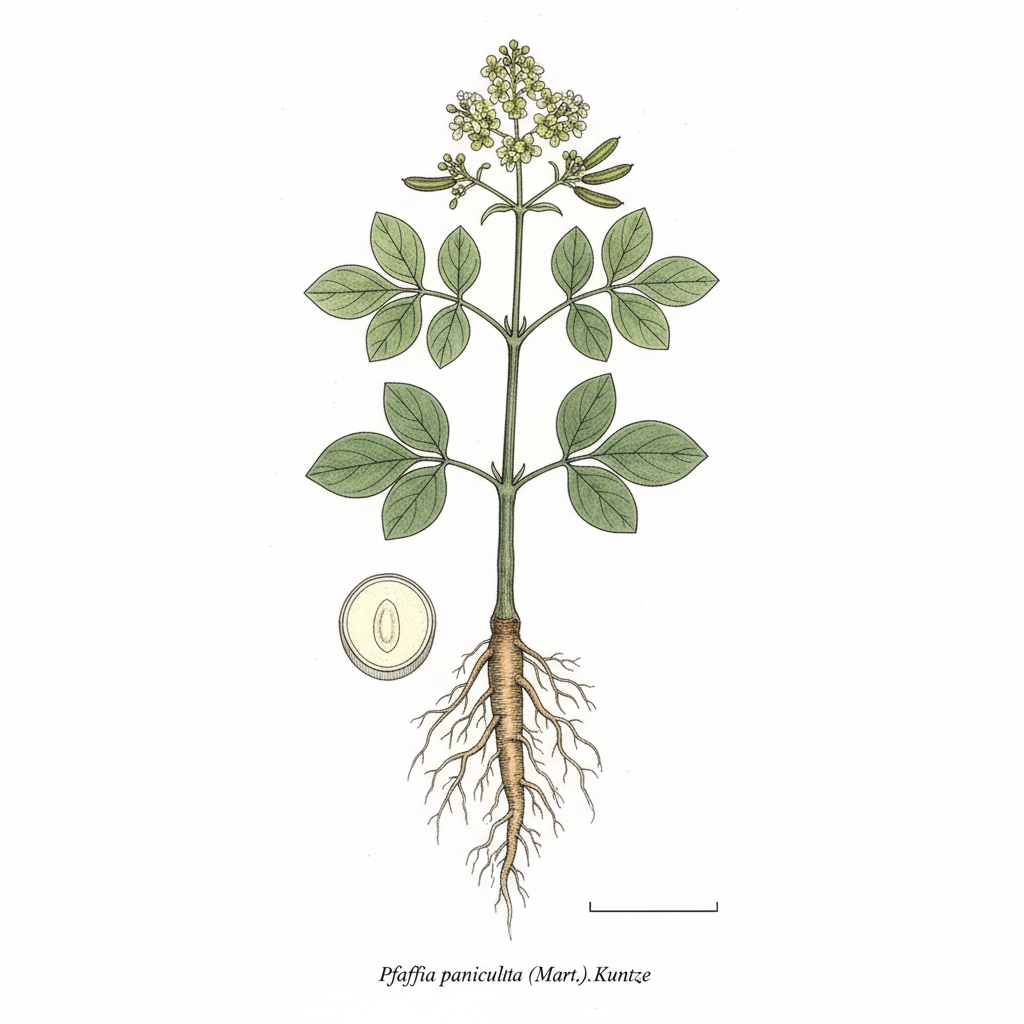
Brazillian ginseng

Brazillian ginseng

Pfaffia paniculata
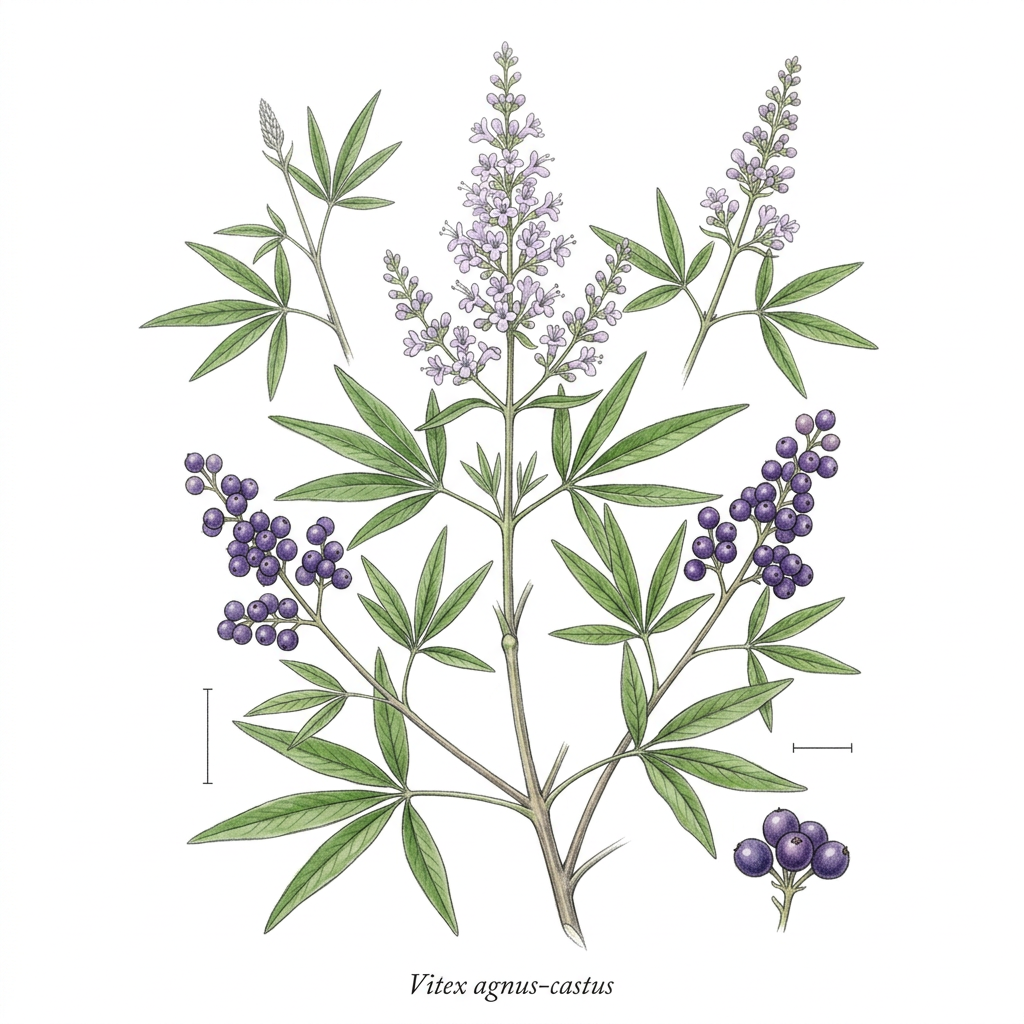
Adaptation to Stress
Chaste Tree

Chaste Tree

Vitex agnus-castus

Hormonal Balance