The Wild Sage logo
The Wild Sage Logo

Herbal Medicine at your fingertips

Comprehensive database of herbal remedies with detailed safety information and traditional uses

New to herbal terms? Read the glossary →
ADHD
Abcess
Acid Reflux Relief
Acinetobacter
Acne
Acne Vulgaris
Addisons
Adenomyosis
Adenovirus
Adrenal fatigue
Aging
Aids
Alcaligenes faecalis
Alcoholism
Allergic Rhinitis
Allergies
Allergy
Alopoecia
Alopoecia nervosa
Alzheimer's, Dementia & Cognitive Decline
420 herbs found
Important: This information is for educational purposes only. Always consult with qualified healthcare professionals before using herbal remedies, especially if you have existing health conditions or take medications.
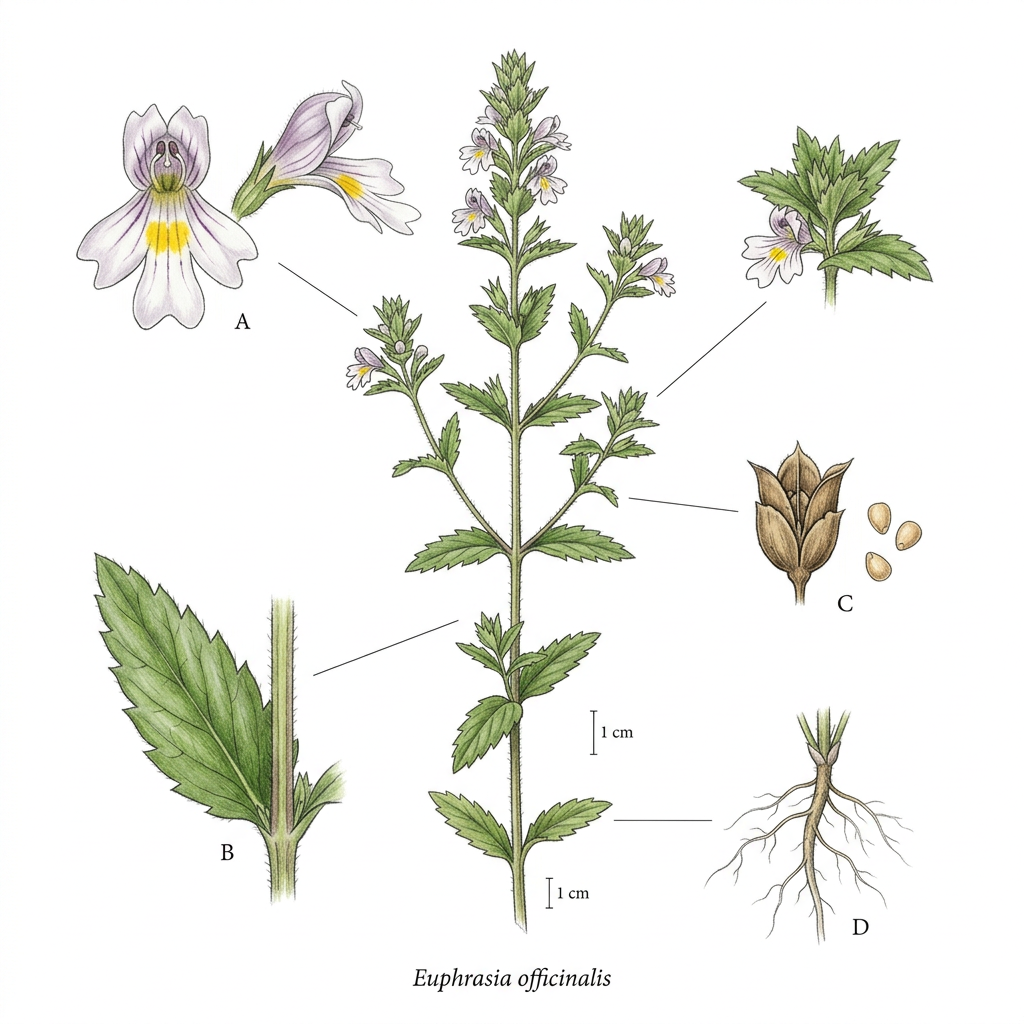
Eyebright

Eyebright

Euphrasia officinalis

low risk Risk
Orobanchaceae
cool and astringent
<p>Eyebright is a perennial herb belonging to the Orobanchaceae family, widely recognized for its distinctive small white flowers, often marked with purple or yellow streaks. Traditionally, this herb has been revered since antiquity, with its name derived from the Greek word *euphrasia*, meaning “to rejoice,” reflecting its historical importance in promoting ocular health. Eyebright was frequently employed by herbalists as a remedy for various eye ailments, and its use can be traced back to the writings of physicians such as Hildegard von Bingen and Nicholas Culpeper. It was believed not only to alleviate eye discomfort but also to enhance overall eye health, making it a cherished component of folk medicine in Europe. The therapeutic properties of Eyebright are particularly notable for its anti-inflammatory, astringent, and mild antiseptic effects. This herb is primarily used for alleviating symptoms of eye strain, conjunctivitis, and seasonal allergies like hay fever, providing a soothing remedy for irritated or inflamed ocular tissues. Its bioactive compounds, including flavonoids, tannins, and phenolic acids, contribute to its effectiveness in promoting good vision and relieving discomfort. Eyebright has also been utilized in the form of infusions, tinctures, and topical applications, allowing for versatility in treatment depending on the specific needs of the individual. The mechanism by which Eyebright operates within the body involves its ability to reduce inflammation and combat oxidative stress in ocular tissues. By acting on histamine receptors, Eyebright helps to alleviate allergic reactions, thereby diminishing redness, swelling, and irritation caused by allergens. Its astringent properties further support the reduction of excessive tear production and the discomfort associated with conjunctivitis. Additionally, Eyebright's antimicrobial action aids in preventing secondary infections, providing a comprehensive approach to maintaining eye health. Together, these actions make Euphrasia officinalis a valuable herb in both contemporary herbalism and traditional practices, bridging the gap between historical applications and modern therapeutic needs.</p>

Uses & Conditions

Ocular Health
Eye Strain
Conjunctivitis
Hayfever
Rhinitis
Sinusitis
Allergy
Asthma
Blepharitis
Catarrhal States
Catarrhal Deafness
Colds
Upper Respiratory Tract Infection
Post Nasal Drip
Irritated Eyes

Actions

NFkB Inhibitor
Anti-parasitic
Antiviral
Hepatic
Anxiolytic
Anti-inflammatory
Astringent

Parts Used

Aerial parts

Native Countries

Europe

USDA Hardiness Zones

USDA 3-7

Preparations & Dosage

  • Infusion: 2-4g of dried herb in hot water, strain and drink, up to three times daily
  • Tincture: 1:5 ratio @ 45% alcohol, 2-6ml three times daily
  • Topical Wash: Infuse 1 heaped teaspoon of dried herb in half a cup of hot water for 10 minutes, strain using a paper coffee filter, cool, and use as an eye bath or compress twice daily

Maximum weekly dose: 50ml

Contraindications

  • Pregnancy: insufficient safety data available
  • Breastfeeding: lack of evidence regarding safety in lactation
  • Active ocular infections: do not use home-prepared washes in cases of suspected serious infection without medical supervision
  • Pre-surgical: stop use at least two weeks prior to elective surgery due to potential influence on blood glucose levels
  • Known hypersensitivity to Orobanchaceae family plants

Potential Side Effects

  • Potential for minor gastrointestinal upset in sensitive individuals
  • Risk of contamination if topical eyewash preparations are not prepared under strictly sterile conditions
  • Occasional mild skin irritation when used as a topical compress

Interactions

  • Antidiabetic medications: potential for additive hypoglycaemic effects
  • Immunosuppressants: theoretical concern regarding potential immunostimulatory effects

Dosage Calculator

Community Photos

No community photos yet. Sign in to upload photos.

Reviews & Ratings

Sign in to leave a review.

No reviews yet. Be the first!

GF

Garreth Falls — B.Th., Dip. H.M., MNIMH

Content curated and reviewed by Garreth Falls, Consultant Medical Herbalist · The Wild Sage

Medical Disclaimer: This information is for educational purposes only and is not intended as medical advice. Always consult with qualified healthcare professionals before starting any herbal treatment.
Western tradition

Sustainability & quality

Abundant

Common wild plant that should be harvested sustainably in the wild. Avoid sites near busy roads due to the potential for contamination.

Key constituents

Iridoid glycosides (aucubin), Flavonoids (quercetin and apigenin derivatives), Tannins (tannic acid), Phenolic acids (caffeic and ferulic acid), Essential oils, Resins

References

  1. British Herbal Pharmacopoeia 1983
  2. Herbal Reality. Herb monographs. herbalreality.com

Reviewed by Garreth, Medical Herbalist (MNIMH) · October 2026

Related conditions

Explore conditions where Eyebright is traditionally used.

Related Herbs

Elder

Elder

Sambucus nigra

Immune Support
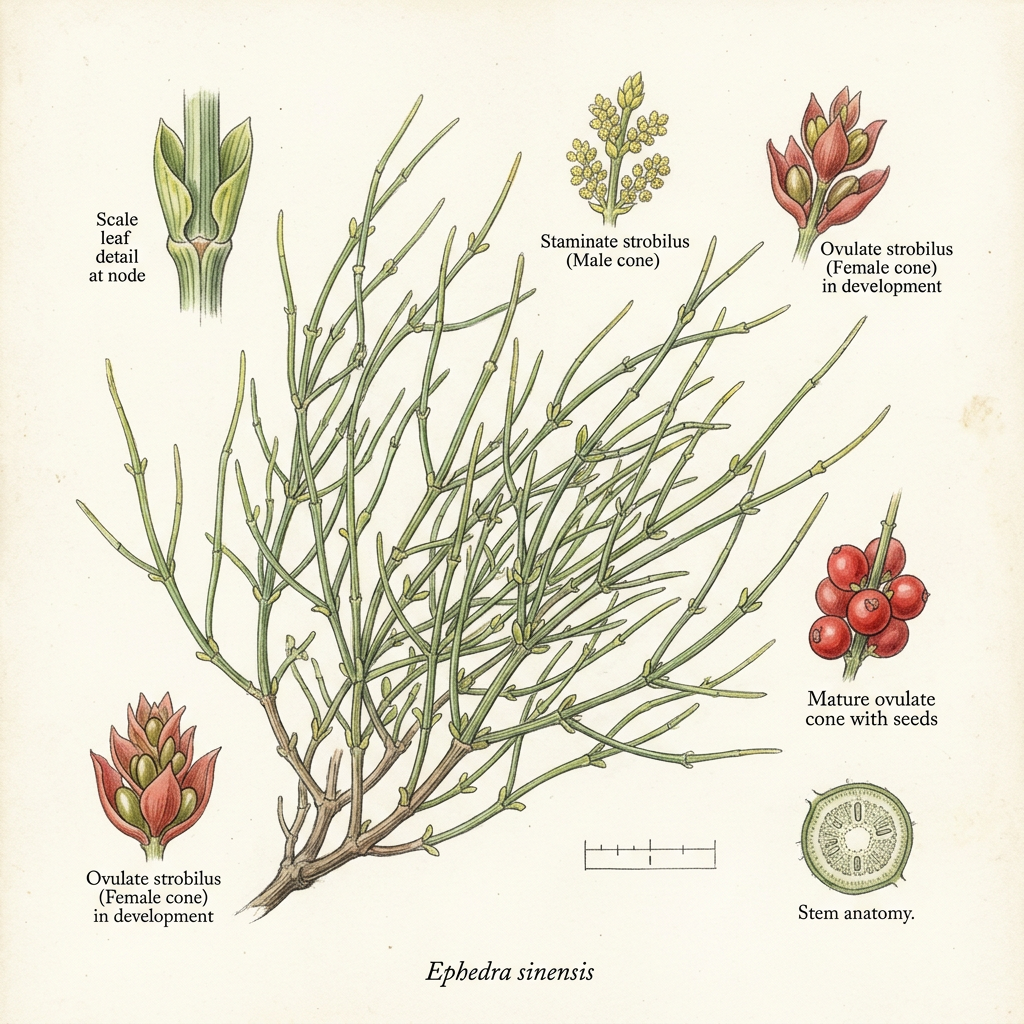
Ephedra sinensis

Ephedra sinensis

Ephedra sinensis

Energy Boosting
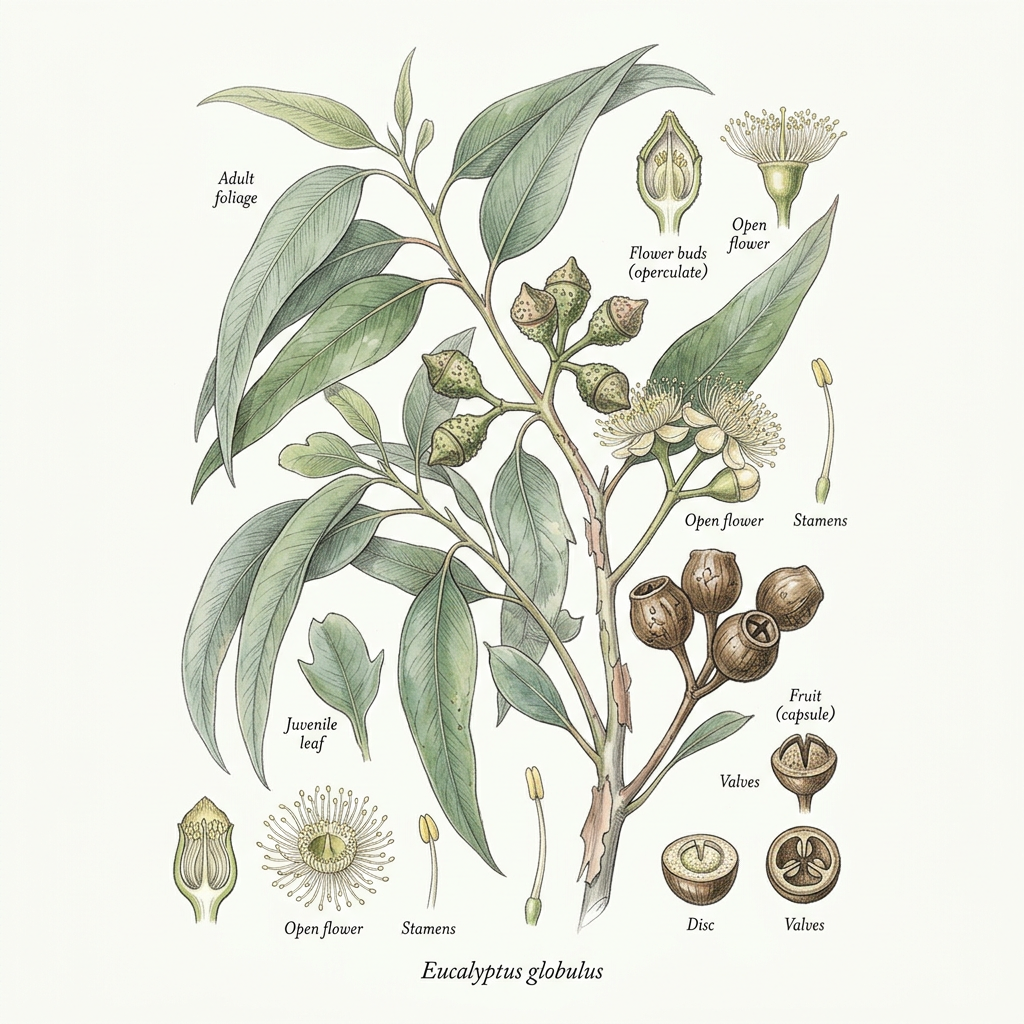
Eucalyptus

Eucalyptus

Eucalyptus globulus

Respiratory Support
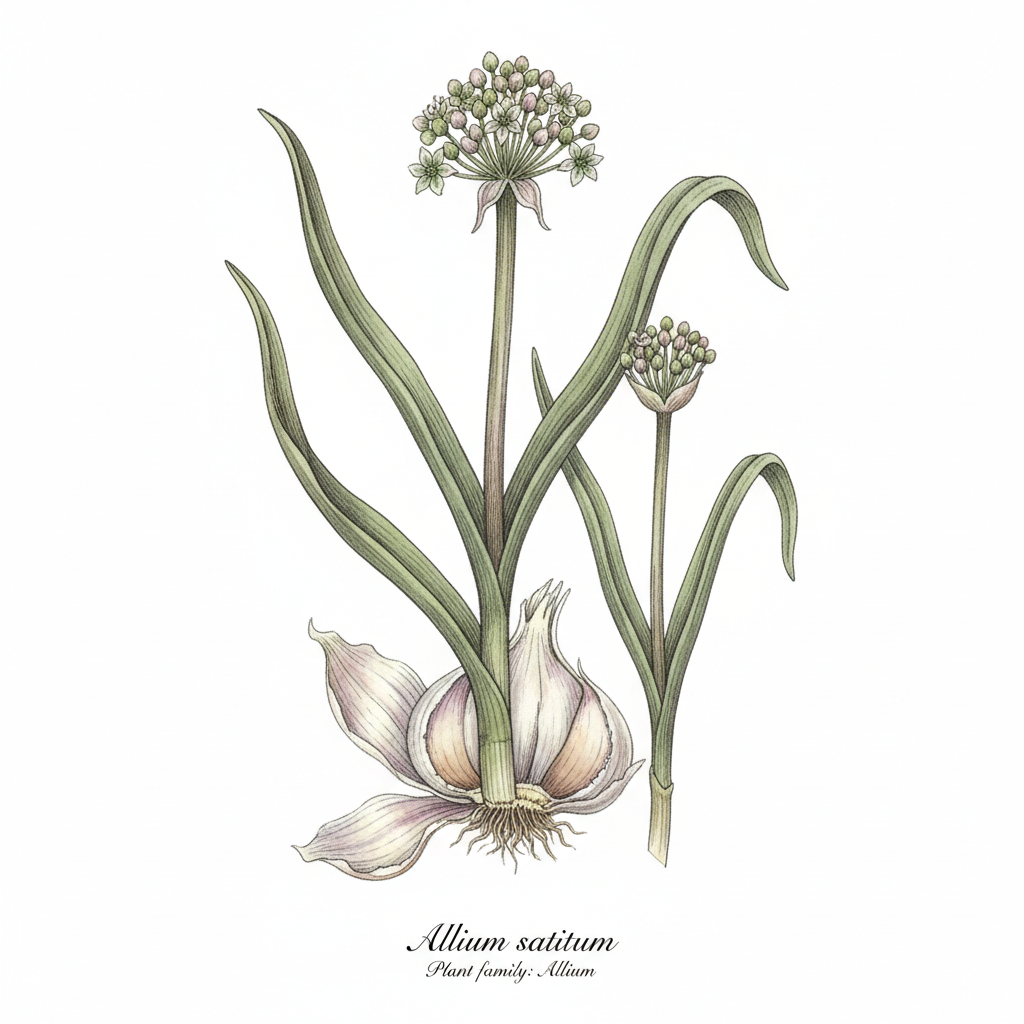
Garlic

Garlic

Allium sativum

Immune Support