The Wild Sage logo
The Wild Sage Logo

Herbal Medicine at your fingertips

Comprehensive database of herbal remedies with detailed safety information and traditional uses

New to herbal terms? Read the glossary →
ADHD
Abcess
Acid Reflux Relief
Acinetobacter
Acne
Acne Vulgaris
Addisons
Adenomyosis
Adenovirus
Adrenal fatigue
Aging
Aids
Alcaligenes faecalis
Alcoholism
Allergic Rhinitis
Allergies
Allergy
Alopoecia
Alopoecia nervosa
Alzheimer's, Dementia & Cognitive Decline
420 herbs found
Important: This information is for educational purposes only. Always consult with qualified healthcare professionals before using herbal remedies, especially if you have existing health conditions or take medications.
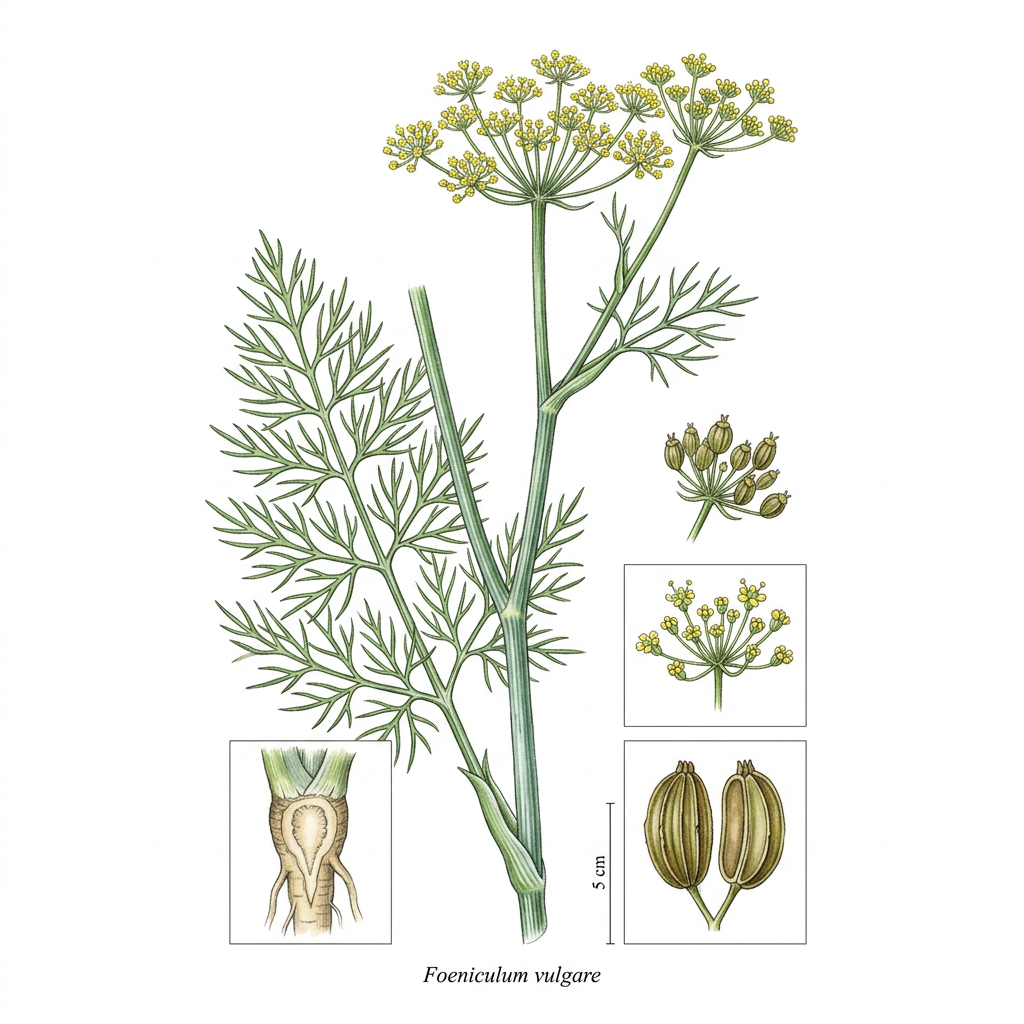
Fennel

Fennel

Foeniculum vulgare

low risk Risk
Apiaceae
cooling, moistening, sweet
<p>Fennel, scientifically known as Foeniculum vulgare, is a perennial herb belonging to the carrot family (Apiaceae). Revered since antiquity, fennel has a rich history of use in various cultures around the world. In ancient Greece, it was considered a symbol of strength and was used by athletes to enhance performance. The Romans valued fennel not just as a culinary herb, but also for its medicinal properties, often utilizing its seeds to aid digestion and alleviate gastrointestinal disturbances. Traditional practices in Ayurveda and Traditional Chinese Medicine also incorporate fennel for its many health benefits, particularly in promoting digestive health and hormonal balance. Fennel is celebrated for its diverse therapeutic properties, primarily its carminative action, which helps relieve gas, bloating, and digestive cramps. The herb possesses anti-inflammatory properties, making it beneficial for soothing irritated tissues in the gastrointestinal tract. Additionally, fennel is known to support hormonal balance, particularly in women, by assisting in the regulation of menstrual cycles and alleviating symptoms of menopause. Its high content of essential oils, particularly anethole, contributes to its ability to enhance digestion and promote overall gut health, while also exhibiting antimicrobial qualities that may aid in protecting against harmful pathogens. Mechanistically, fennel works in the body through several pathways. The anethole compound promotes the relaxation of the smooth muscles in the gastrointestinal tract, which helps alleviate cramping and discomfort associated with digestive issues. By stimulating the secretion of digestive enzymes and bile, fennel enhances the breakdown of food, thereby improving nutrient absorption. Furthermore, its anti-inflammatory properties may help reduce inflammation in the gut lining, thereby improving overall digestive function. With its multifaceted benefits and ease of incorporation into daily life, fennel stands out as a valuable ally for anyone seeking to optimize their digestive health and promote overall well-being.</p>

Uses & Conditions

Digestive Aid
Amenorrhoea
Anorexia
Blepharitis
Bloating
Bronchitis
Catarrhal States
Colic
Conjunctivitis
Cough
Diarrhoea
Dysmenorrhoea
Dyspepsia
Gastroparesis
H. Pylori
Hormonal Imbalance
Inflammation
Irritable Bowel Syndrome
Menorrhagia

Actions

Anti-inflammatory
Anxiolytic
Choleretic
NFkB Inhibitor
TNF-a Reduction

Synonyms

Fennel

Parts Used

Aerial parts
Seeds
Fruits

Native Countries

Mediterranean

USDA Hardiness Zones

USDA 5-10
USDA 5-9
USDA 6-9

Contraindications

  • High doses during pregnancy may act as a uterine stimulant
  • Individuals with epilepsy should use cautiously
  • Avoid if allergic to Apiaceae or Umbelliferae family
  • Essential oil is contraindicated in epilepsy

Potential Side Effects

  • Contact dermatitis or photosensitivity following topical application
  • Cross-reactivity in individuals with allergies to the Apiaceae family (e.g. celery, carrot, coriander)
  • Nausea or gastric irritation from excessive intake of concentrated volatile oils

Interactions

  • Ciprofloxacin and fluoroquinolone antibiotics: may reduce bioavailability and effectiveness
  • Oestrogen-sensitive conditions: use caution with tamoxifen or hormone-replacement therapies
  • Anticoagulants: monitor for potential additive effects with warfarin or aspirin
  • Oral contraceptives: theoretical potential for interaction due to oestrogenic components

Dosages, tincture ratios & research — members only

Unlock Garreth's dosing guidance, tincture ratios, the dosage calculator and the research studies for Fennel.

Your assessment and results stay saved — upgrading only unlocks more of them.

See membership plans

Community Photos

No community photos yet. Sign in to upload photos.

Reviews & Ratings

Sign in to leave a review.

No reviews yet. Be the first!

GF

Garreth Falls — B.Th., Dip. H.M., MNIMH

Content curated and reviewed by Garreth Falls, Consultant Medical Herbalist · The Wild Sage

Medical Disclaimer: This information is for educational purposes only and is not intended as medical advice. Always consult with qualified healthcare professionals before starting any herbal treatment.
Western tradition
Ayurvedic tradition

Sustainability & quality

Abundant

Highly adaptable and easily cultivated. Quality varies, so select aromatic, intact seeds to ensure high essential oil content.

Key constituents

Flavonoids, Terpenes, Monoterpenes, Phenolic compounds, Volatile Oils, Cinneol, dipentine, Fenchone, limonene, Phellandrene, Pinene

References

  1. ESCOP Monographs 2nd ed. 2003
  2. Bensky "Chinese Herbal Medicine: Materia Medica" 3rd ed. 2004
  3. Pole "Ayurvedic Medicine" 2006
  4. Herbal Reality. Herb monographs. herbalreality.com

Reviewed by Garreth, Medical Herbalist (MNIMH) · November 2026

Related conditions

Explore conditions where Fennel is traditionally used.

Related Herbs
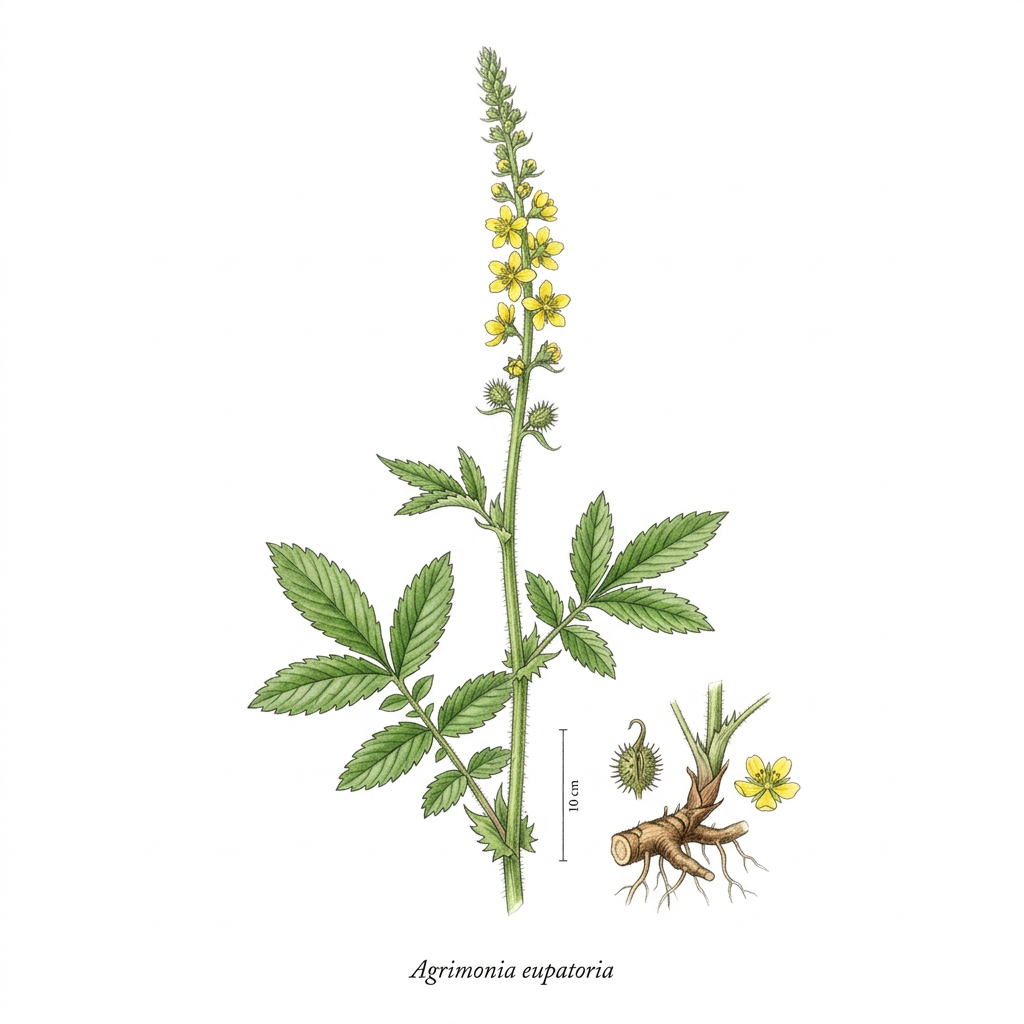
Agrimony

Agrimony

Agrimonia eupatoria

Digestive Aid
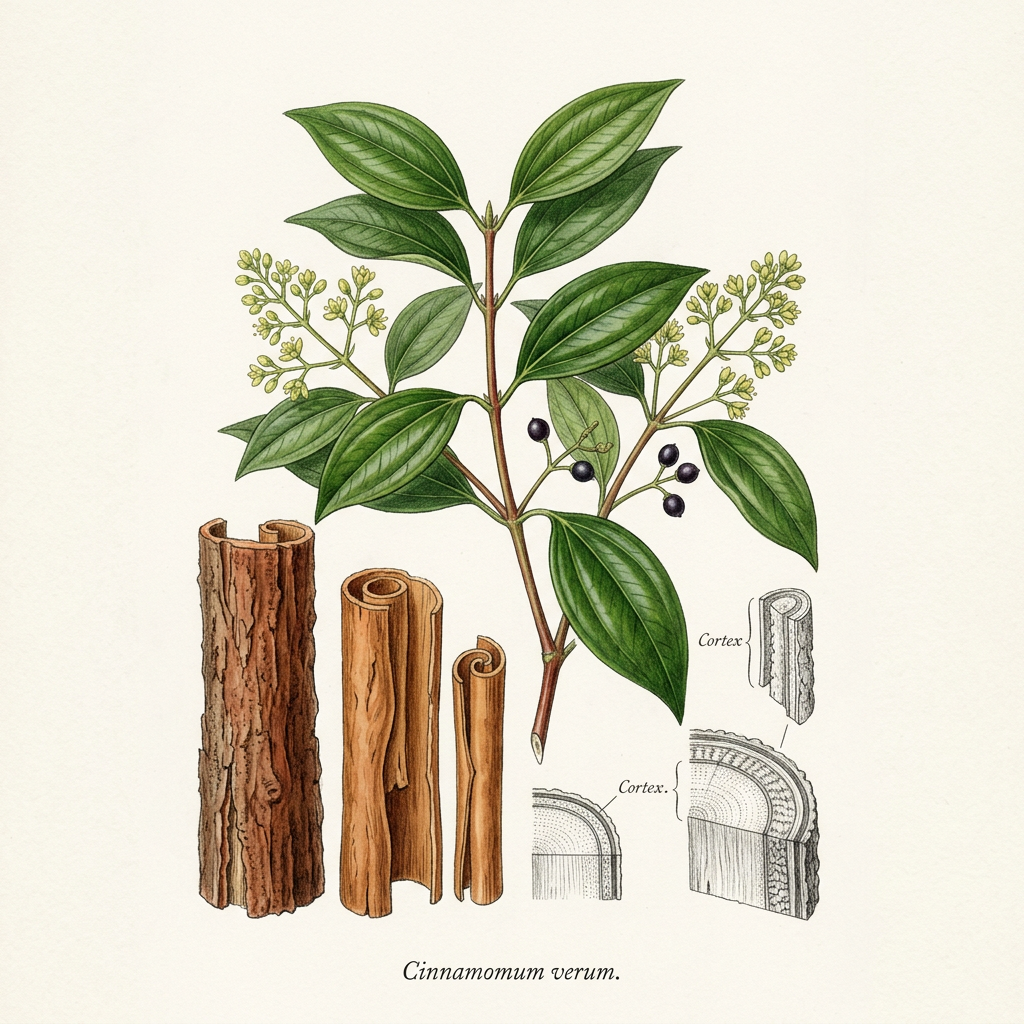
Cinnamomum verum

Cinnamomum verum

Cinnamomum verum

Digestive Support
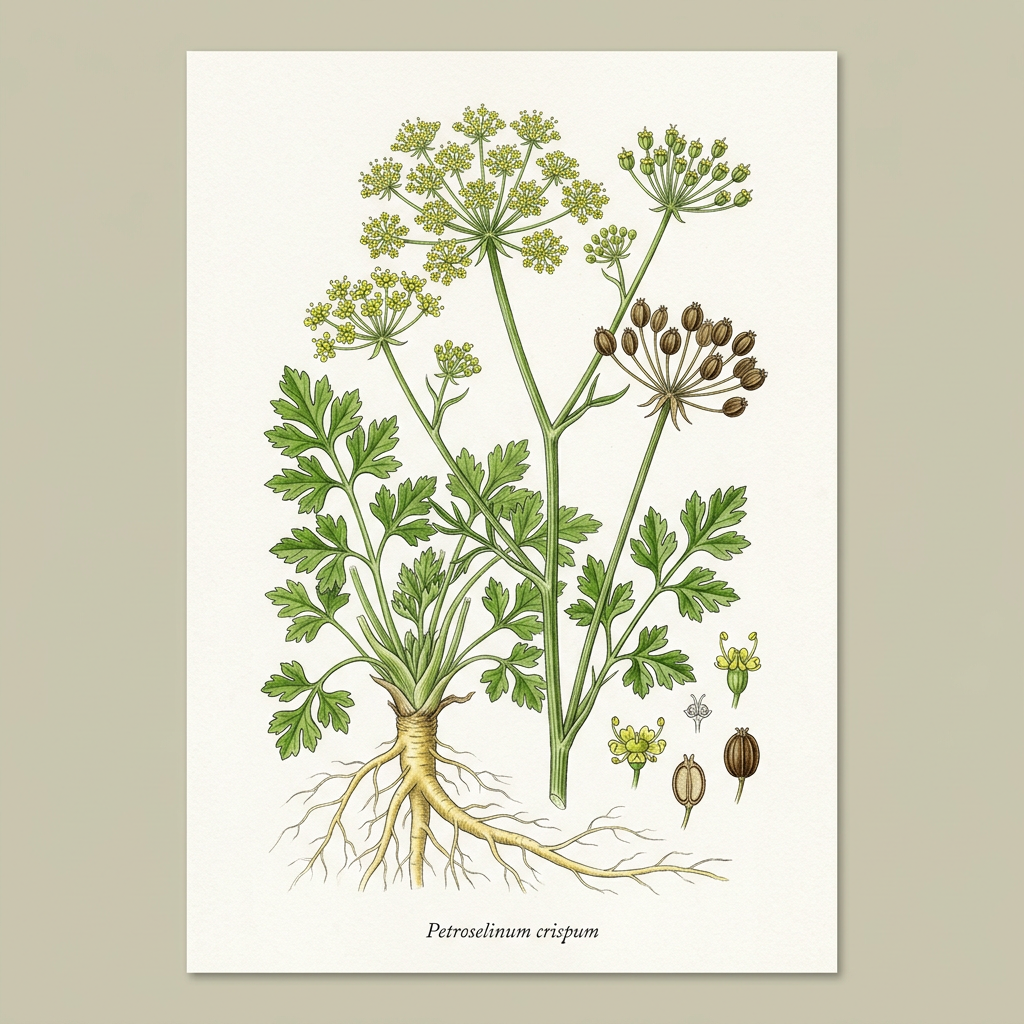
Parsley

Parsley

Petroselinum crispum

Digestive Aid
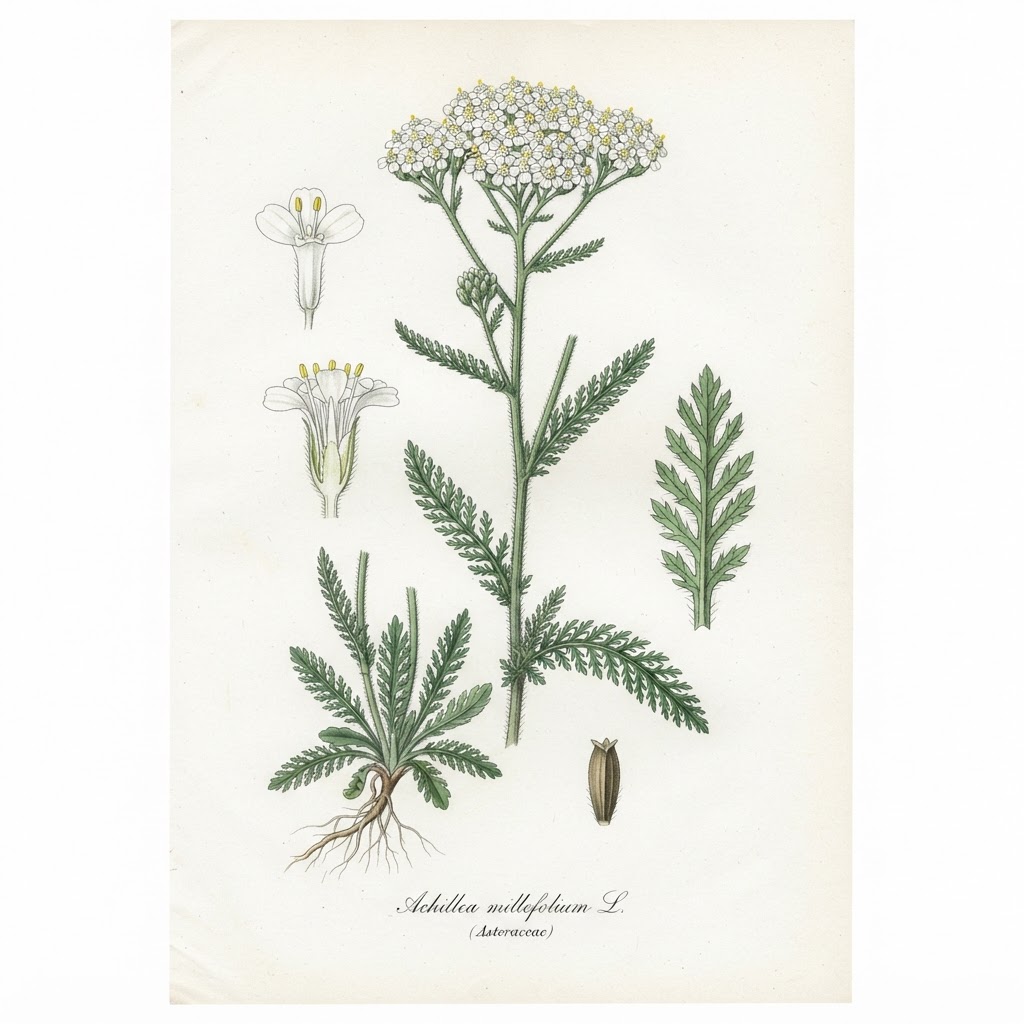
Yarrow

Yarrow

Achillea millefolium

Digestive Tonic