The Wild Sage logo
The Wild Sage Logo

Herbal Medicine at your fingertips

Comprehensive database of herbal remedies with detailed safety information and traditional uses

New to herbal terms? Read the glossary →
ADHD
Abcess
Acid Reflux Relief
Acinetobacter
Acne
Acne Vulgaris
Addisons
Adenomyosis
Adenovirus
Adrenal fatigue
Aging
Aids
Alcaligenes faecalis
Alcoholism
Allergic Rhinitis
Allergies
Allergy
Alopoecia
Alopoecia nervosa
Alzheimer's, Dementia & Cognitive Decline
420 herbs found
Important: This information is for educational purposes only. Always consult with qualified healthcare professionals before using herbal remedies, especially if you have existing health conditions or take medications.
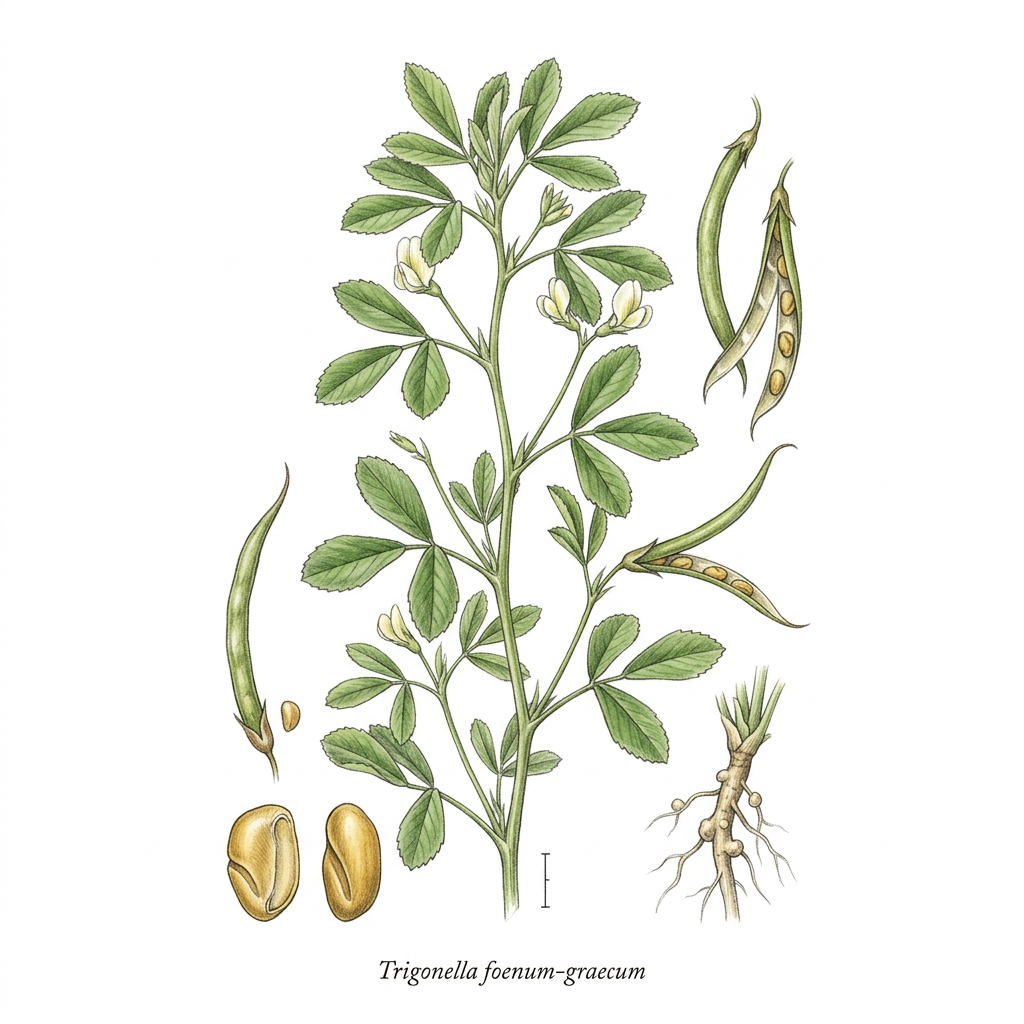
Fenugreek

Fenugreek

Trigonella foenum-graecum

low risk Risk
Fabaceae
Warming, nourishing, and harmonizing; supports digestive health and enhances lactation.
<p>Fennugreek (Trigonella foenum-graecum) is an age-old herb renowned for its vibrant leaves and distinctive seeds, which are commonly utilized in culinary and medicinal applications alike. Historically, fennugreek has played a significant role in traditional medicine across various cultures, particularly in Ayurvedic and ancient Egyptian practices. Its seeds, revered for their potent properties, were used to improve digestion, promote lactation, and even as a versatile spice in cooking. This herb has been a staple in holistic therapies for centuries, valued not only for its flavor but also for its wide array of health benefits. The therapeutic properties of fennugreek are extensive and noteworthy. One of its most esteemed functions is that of a galactagogue, which is a substance that promotes lactation in breastfeeding women. This characteristic makes fennugreek a staple among nursing mothers seeking to enhance milk production. Additionally, it plays a vital role in hormonal balance; the phytoestrogens present in fennugreek seeds can help address various hormonal imbalances, making it a sought-after herb for alleviating symptoms associated with menstruation and menopause. Furthermore, fennugreek is known for its anti-inflammatory, antioxidant, and hypoglycemic properties, offering supportive benefits to metabolic health and blood sugar regulation. In terms of its mechanism of action, fennugreek operates through a multifaceted approach. The active compounds in the seeds, such as saponins, flavonoids, and alkaloids, work synergistically to impact various biological systems. For instance, these compounds can stimulate the secretion of insulin, thereby aiding in the management of blood glucose levels, which can be particularly beneficial for individuals with diabetes. Furthermore, the fiber content in fennugreek enhances digestion and gut health, while its phytoestrogens can mimic estrogen in the body, helping to stabilize hormonal fluctuations. Overall, fennugreek stands out as a multifaceted herb, bridging the gap between traditional herbal practices and contemporary health applications, making it a valuable addition to any herbal repertoire.</p>

Uses & Conditions

Metabolic support
Digestive health
Dyslipidemia
Hyperglycemia
Lactation insufficiency
Dysmenorrhea
Dyspepsia

Actions

Galactagogue
Hypocholesterolemic
COX-2 inhibitor
Antioxidant

Parts Used

Seeds

Native Countries

Asia
Mediterranean

USDA Hardiness Zones

USDA 3-11

Contraindications

  • Pregnancy: avoid high medicinal doses due to potential uterine stimulation
  • Allergy: avoid in individuals with known sensitivity to the Fabaceae family, including chickpeas and peanuts
  • Hypoglycaemia: use with caution in individuals prone to blood sugar drops
  • Surgery: discontinue use at least two weeks before elective surgical procedures

Potential Side Effects

  • Gastrointestinal upset such as diarrhoea or bloating at high doses
  • Distinctive maple syrup-like odour in sweat, urine, and breast milk
  • Occasional allergic skin reactions when applied topically

Interactions

  • Antidiabetic medications: may potentiate hypoglycaemic effects
  • Anticoagulants and antiplatelet drugs: theoretical increase in bleeding risk
  • Hormonal medications: may interact with oestrogen-based therapies
  • Thyroid hormone medication: theoretical risk of altered absorption; space dosing by at least two hours

Dosages, tincture ratios & research — members only

Unlock Garreth's dosing guidance, tincture ratios, the dosage calculator and the research studies for Fenugreek.

Your assessment and results stay saved — upgrading only unlocks more of them.

See membership plans

Community Photos

No community photos yet. Sign in to upload photos.

Reviews & Ratings

Sign in to leave a review.

No reviews yet. Be the first!

GF

Garreth Falls — B.Th., Dip. H.M., MNIMH

Content curated and reviewed by Garreth Falls, Consultant Medical Herbalist · The Wild Sage

Medical Disclaimer: This information is for educational purposes only and is not intended as medical advice. Always consult with qualified healthcare professionals before starting any herbal treatment.
Western tradition
Ayurvedic tradition

Sustainability & quality

Cultivated

Widely cultivated food crop; abundant and low risk for sourcing.

Key constituents

Mucilage (galactomannans), Steroidal saponins (diosgenin, yamogenin), Alkaloids (trigonelline), Flavonoids (vitexin, quercetin), Fixed oils, Coumarins

References

  1. ESCOP Monographs 2nd ed. 2003
  2. Pole "Ayurvedic Medicine" 2006
  3. British Herbal Pharmacopoeia 1983
  4. Herbal Reality. Herb monographs. herbalreality.com

Reviewed by Garreth, Medical Herbalist (MNIMH) · November 2026

Related conditions

Explore conditions where Fenugreek is traditionally used.

Related Herbs
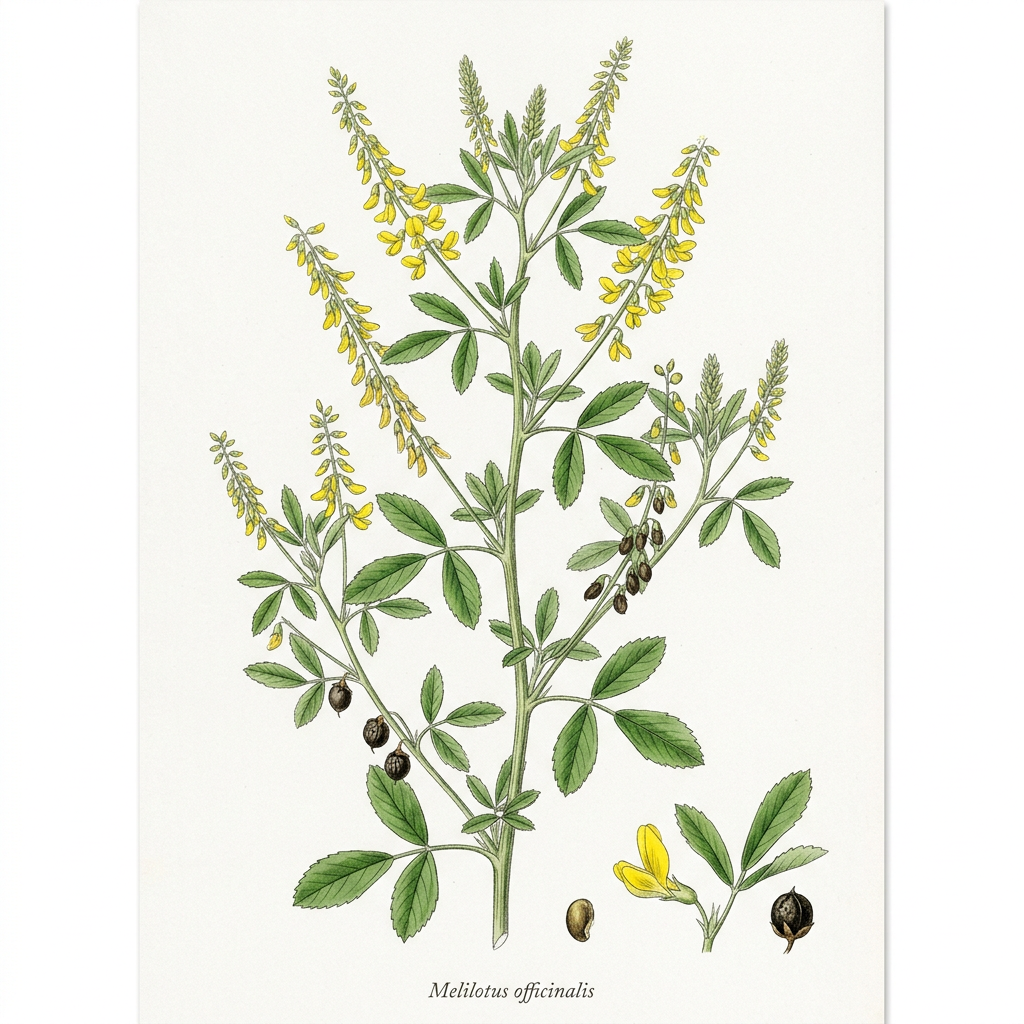
Melilot

Melilot

Melilotus officinalis

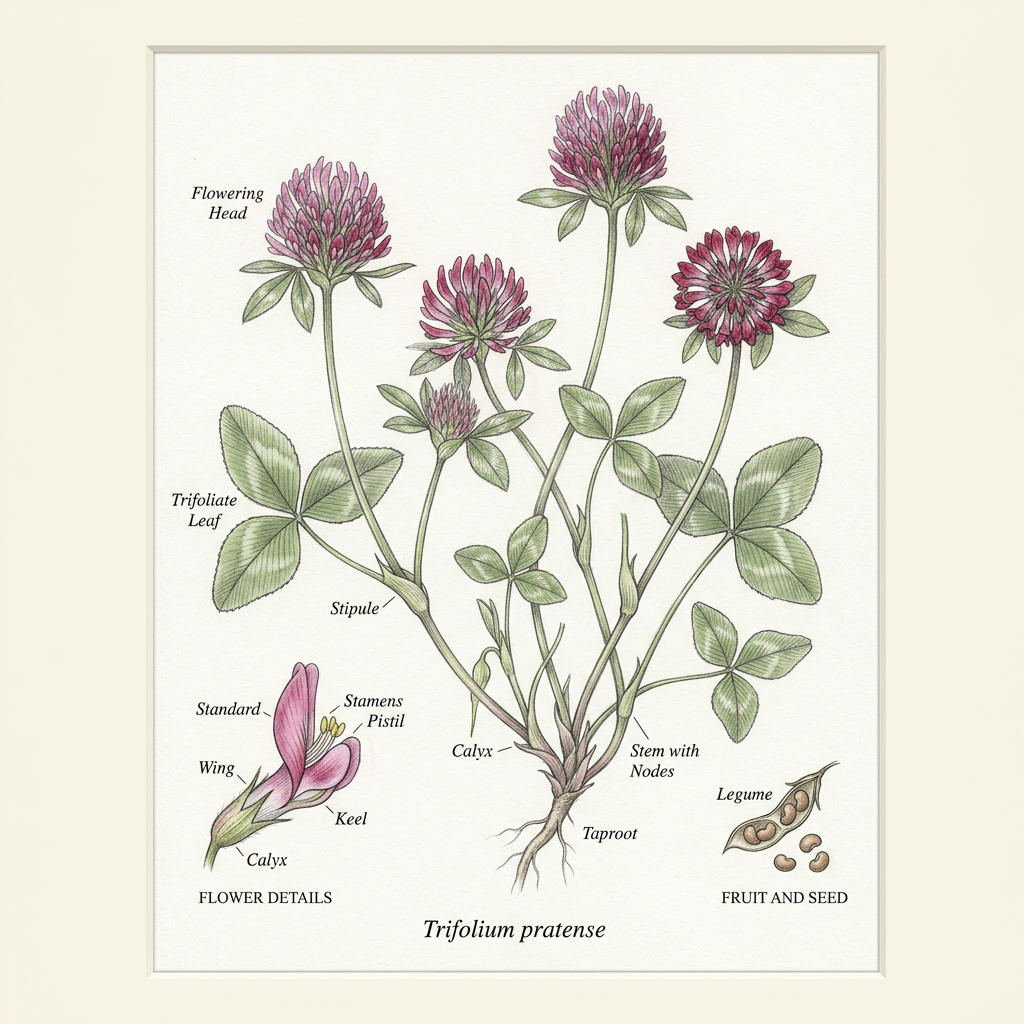
Red Clover

Red Clover

Trifolium pratense

Hormonal Balance
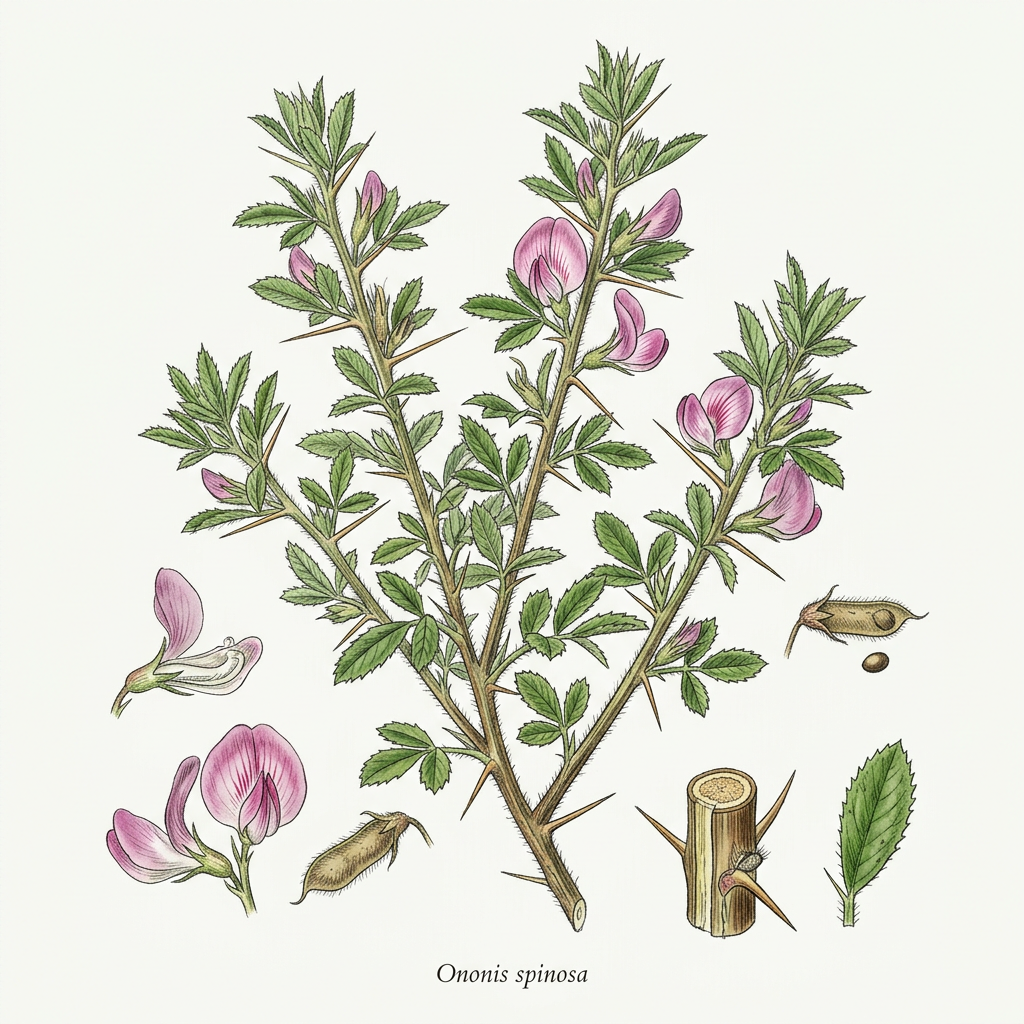
Spiny restharrow

Spiny restharrow

Ononis spinosa

Urinary Tract Health
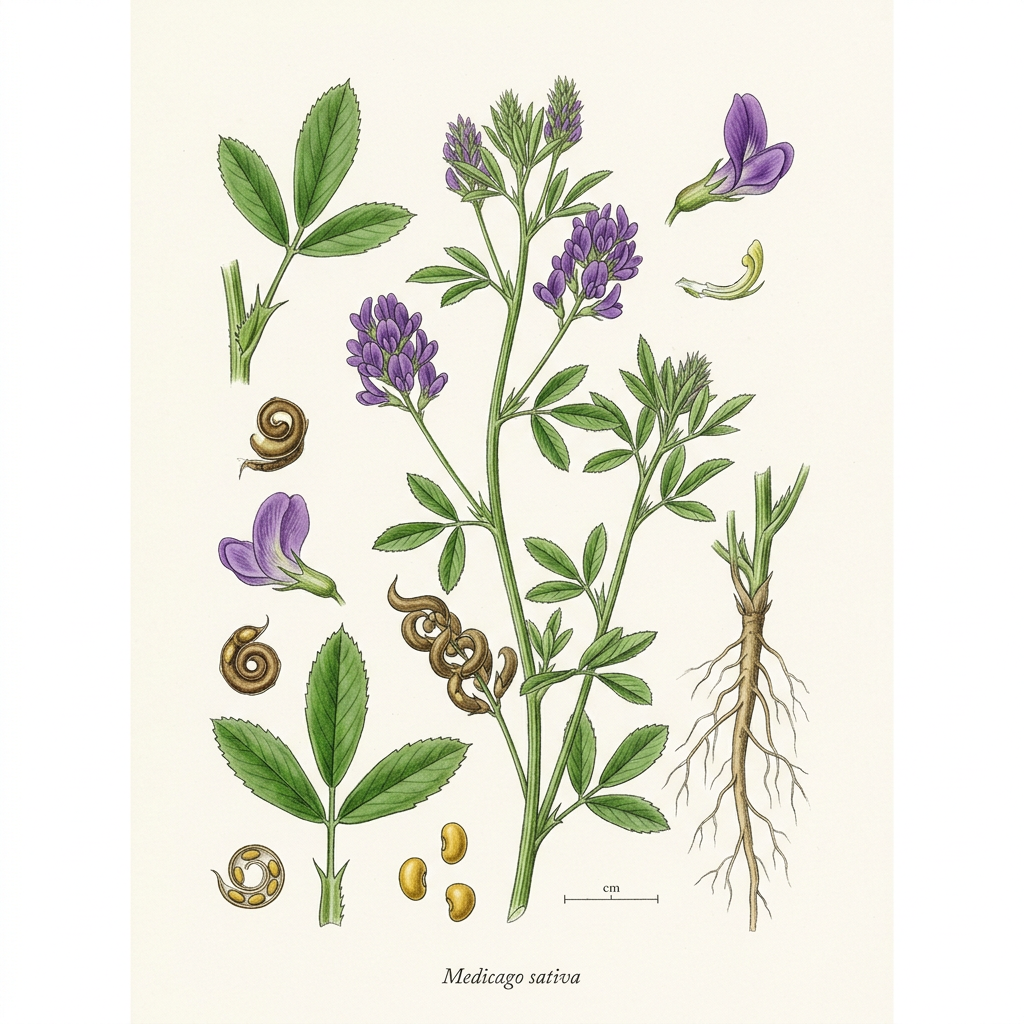
Alfalfa

Alfalfa

Medicago sativa

Nutritional Support