The Wild Sage logo
The Wild Sage Logo

Herbal Medicine at your fingertips

Comprehensive database of herbal remedies with detailed safety information and traditional uses

New to herbal terms? Read the glossary →
ADHD
Abcess
Acid Reflux Relief
Acinetobacter
Acne
Acne Vulgaris
Addisons
Adenomyosis
Adenovirus
Adrenal fatigue
Aging
Aids
Alcaligenes faecalis
Alcoholism
Allergic Rhinitis
Allergies
Allergy
Alopoecia
Alopoecia nervosa
Alzheimer's, Dementia & Cognitive Decline
420 herbs found
Important: This information is for educational purposes only. Always consult with qualified healthcare professionals before using herbal remedies, especially if you have existing health conditions or take medications.
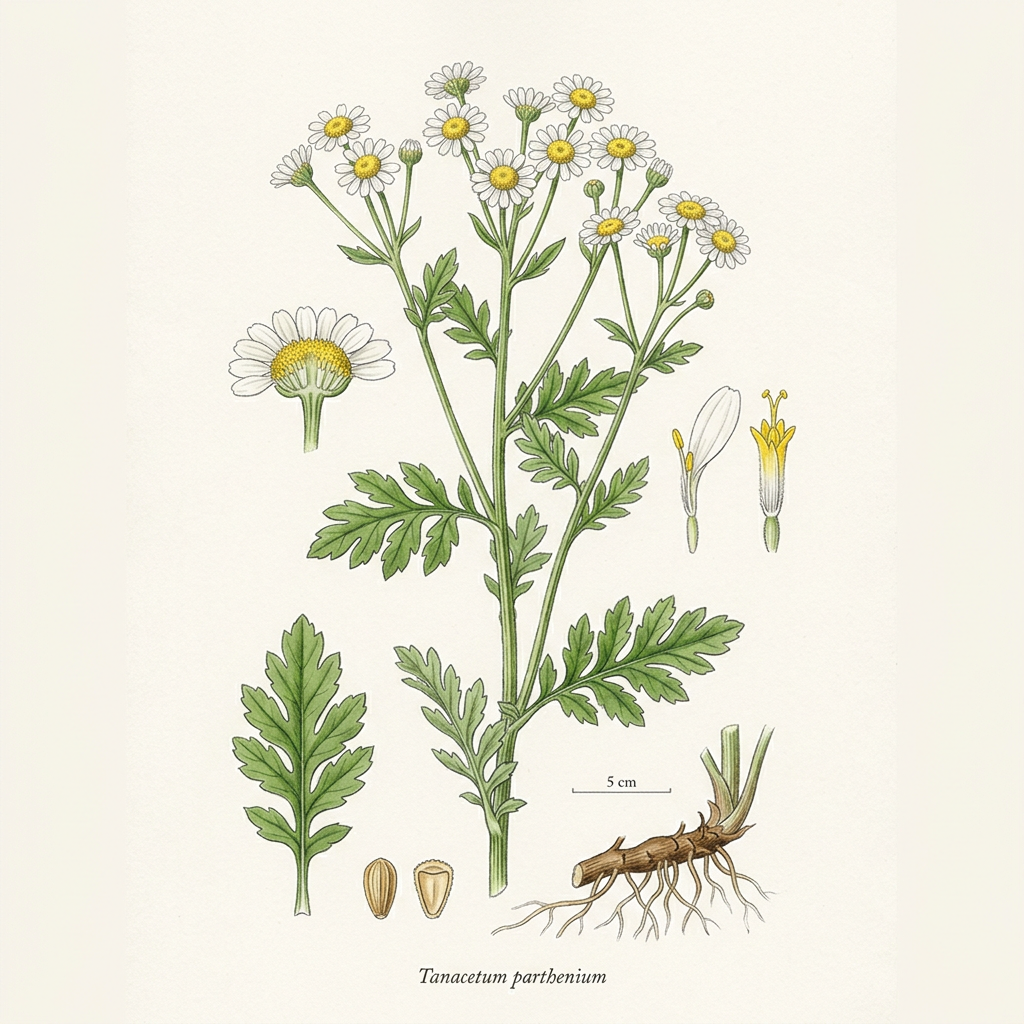
Feverfew

Feverfew

Tanacetum parthenium

moderate risk Risk
Asteraceae
Balancing heat and calming irritation. Cold and dry.
<p>Feverfew, scientifically known as Tanacetum parthenium, is a perennial herb belonging to the Asteraceae family, renowned for its traditional use in herbal medicine, particularly in Europe and North America. Historically, this hardy herb has been revered for its distinctive daisy-like flowers and aromatic leaves, utilized since antiquity for various ailments. Ancient Greek physicians, including Hippocrates, recognized Feverfew's efficacy in treating fevers and inflammation. Throughout the centuries, it became a staple in herbal remedies, especially for alleviating headache symptoms, leading to its contemporary reputation as a preventive agent against migraines. The key therapeutic properties of Feverfew are primarily attributed to its potent anti-inflammatory and analgesic actions. The plant contains active compounds, including parthenolide, which are thought to inhibit the release of inflammatory substances in the body. These properties not only help in alleviating discomfort during migraine episodes but may also reduce the frequency and intensity of attacks when used regularly. Additionally, Feverfew has shown promise in managing other conditions characterized by pain and inflammation, such as arthritis and menstrual discomfort, although its most popular application remains in migraine prevention. The mechanism by which Feverfew exerts its effects involves the modulation of certain neurochemical pathways associated with pain and inflammation. Parthenolide interacts with platelets and influences the production of prostaglandins—hormone-like substances that mediate inflammation and pain response. By inhibiting these pathways, Feverfew may decrease vasodilation and reduce inflammatory swelling, ultimately leading to fewer migraine occurrences. However, it's essential to approach this herb with caution; while it is well-tolerated by many, it is not suitable for everyone, including pregnant or breastfeeding individuals, and long-term use should be monitored by a healthcare professional. Thus, Feverfew stands as an invaluable ally in herbal medicine, offering a natural alternative for those seeking relief from the burdens of chronic migraines.</p>

Uses & Conditions

Headache Relief
Pain Relief
Joint Function Improvement
Migraine
Osteoarthritis
Rheumatoid Arthritis
Menstrual Pain
Dysmenorrhea
Endometriosis
Inflammation
Fever
Digestive Disorders
Seizure Threshold Management
Autoimmune Conditions
Allergy
Dermatitis
Myleoma
Urinary Health

Actions

Anti-inflammatory
NFkB inhibitor
TNF-a reduction

Parts Used

Aerial parts

Native Countries

Europe
Mediterranean
Northern Europe.

USDA Hardiness Zones

USDA 3-9

Contraindications

  • Pregnancy: avoid use due to the potential for uterine stimulant activity which could induce contractions.
  • Breastfeeding: lack of safety data necessitates avoiding use during lactation.
  • Asteraceae allergy: avoid use if there is a known hypersensitivity to members of the daisy family such as ragweed or chamomile.
  • Pre-surgery: cease intake at least 14 days prior to any planned surgical procedure to minimise bleeding risks.
  • Bleeding disorders: avoid if diagnosed with a clotting disorder or if currently taking blood-thinning medication.

Potential Side Effects

  • May cause photosensitivity

Interactions

  • Anticoagulants and antiplatelet agents such as warfarin or aspirin: potential risk of increased bleeding.
  • Non-steroidal anti-inflammatory drugs (NSAIDs): may have an additive effect, increasing the risk of adverse gastrointestinal events.
  • CYP450 enzyme substrates: parthenolide may potentially influence the metabolism of certain medications.
  • Anaesthetic agents: discontinue use at least two weeks before elective surgery to avoid potential interaction with clotting mechanisms.

Dosages, tincture ratios & research — members only

Unlock Garreth's dosing guidance, tincture ratios, the dosage calculator and the research studies for Feverfew.

Your assessment and results stay saved — upgrading only unlocks more of them.

See membership plans

Community Photos

No community photos yet. Sign in to upload photos.

Reviews & Ratings

Sign in to leave a review.

No reviews yet. Be the first!

GF

Garreth Falls — B.Th., Dip. H.M., MNIMH

Content curated and reviewed by Garreth Falls, Consultant Medical Herbalist · The Wild Sage

Medical Disclaimer: This information is for educational purposes only and is not intended as medical advice. Always consult with qualified healthcare professionals before starting any herbal treatment.
Western tradition

Sustainability & quality

Abundant

Prolific perennial. High quality requires harvesting before full flowering and rapid drying to maintain parthenolide content.

Key constituents

Anti-inflammatory, Bitter, Sesquiterpine lactones, Volatile Oils

References

  1. ESCOP Monographs 2nd ed. 2003
  2. EMA/HMPC Community Herbal Monograph
  3. Mills & Bone "The Essential Guide to Herbal Safety" 2005
  4. Herbal Reality. Herb monographs. herbalreality.com

Reviewed by Garreth, Medical Herbalist (MNIMH) · November 2026

Related conditions

Explore conditions where Feverfew is traditionally used.

Related Herbs
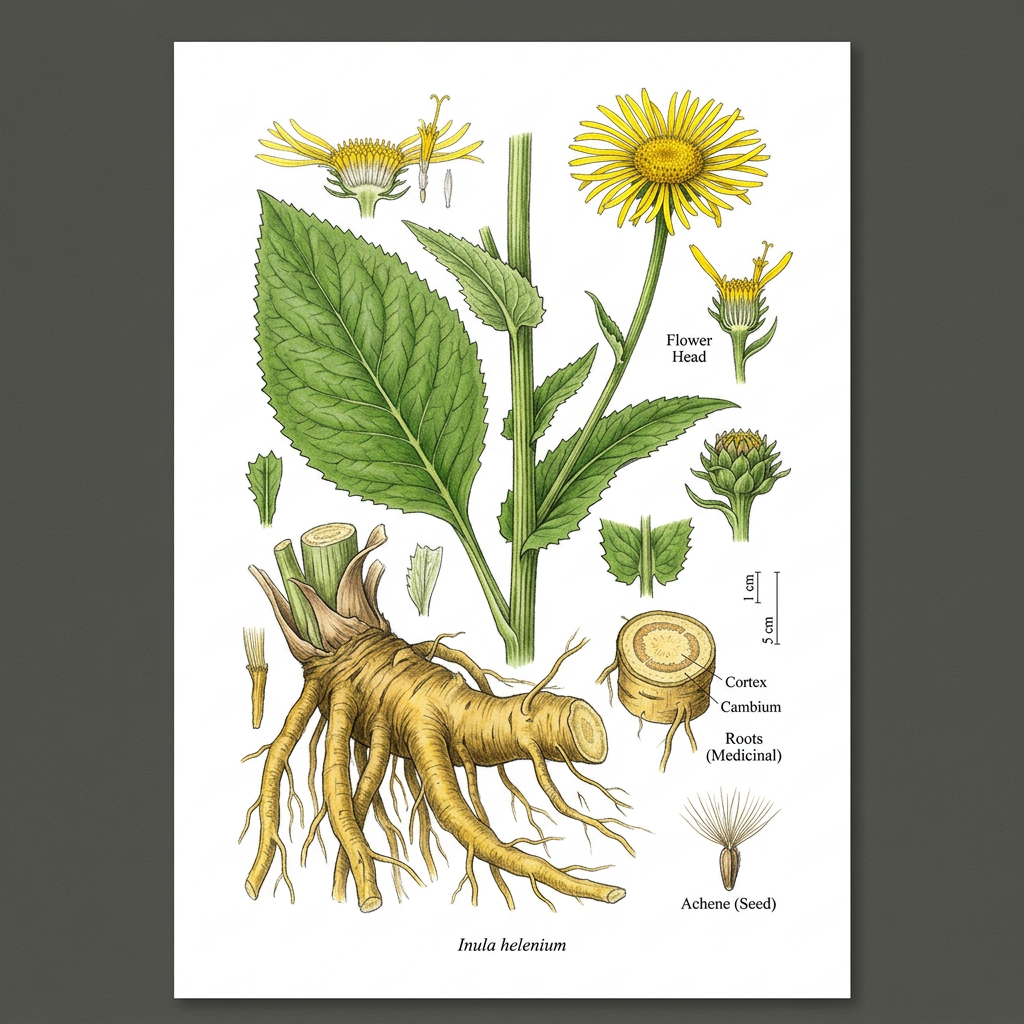
Elecampane

Elecampane

Inula helenium

Lung Health
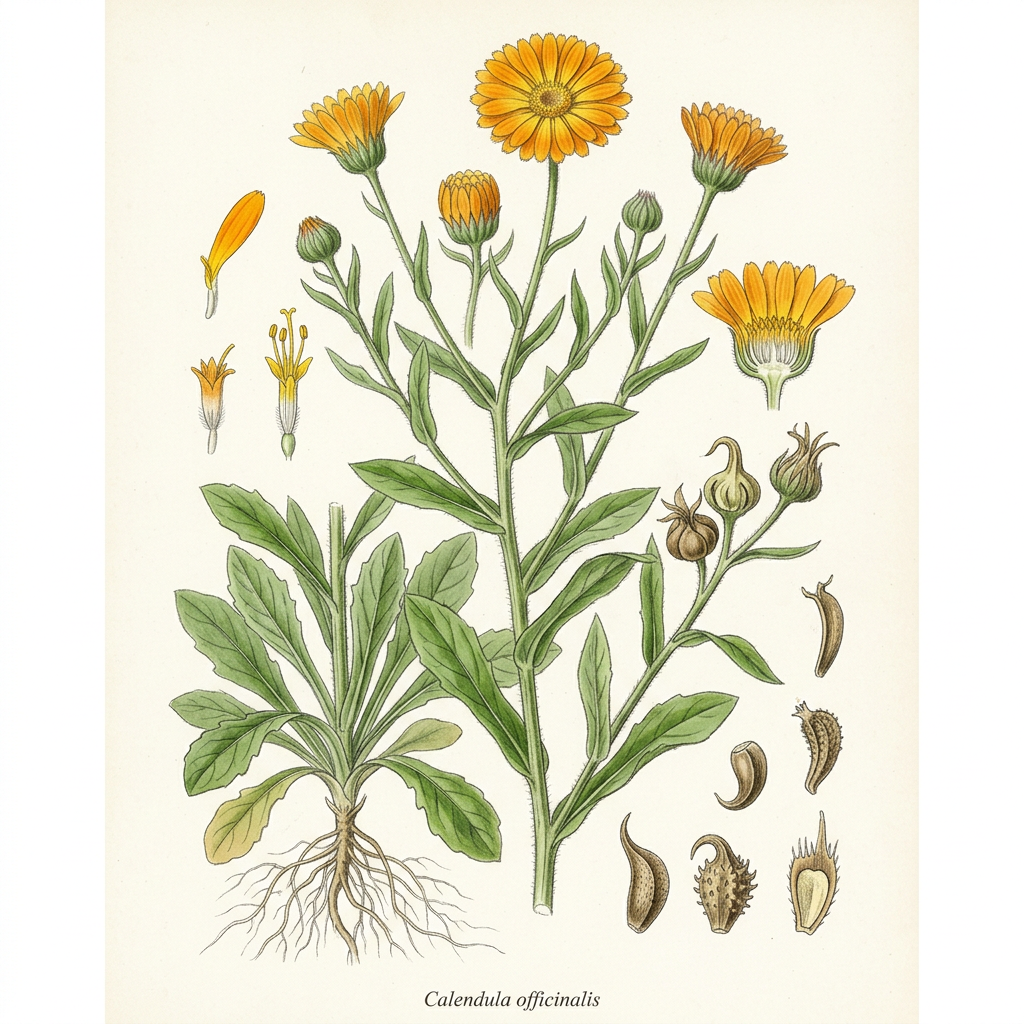
Marigold

Marigold

Calendula officinalis

Lymphatic Support
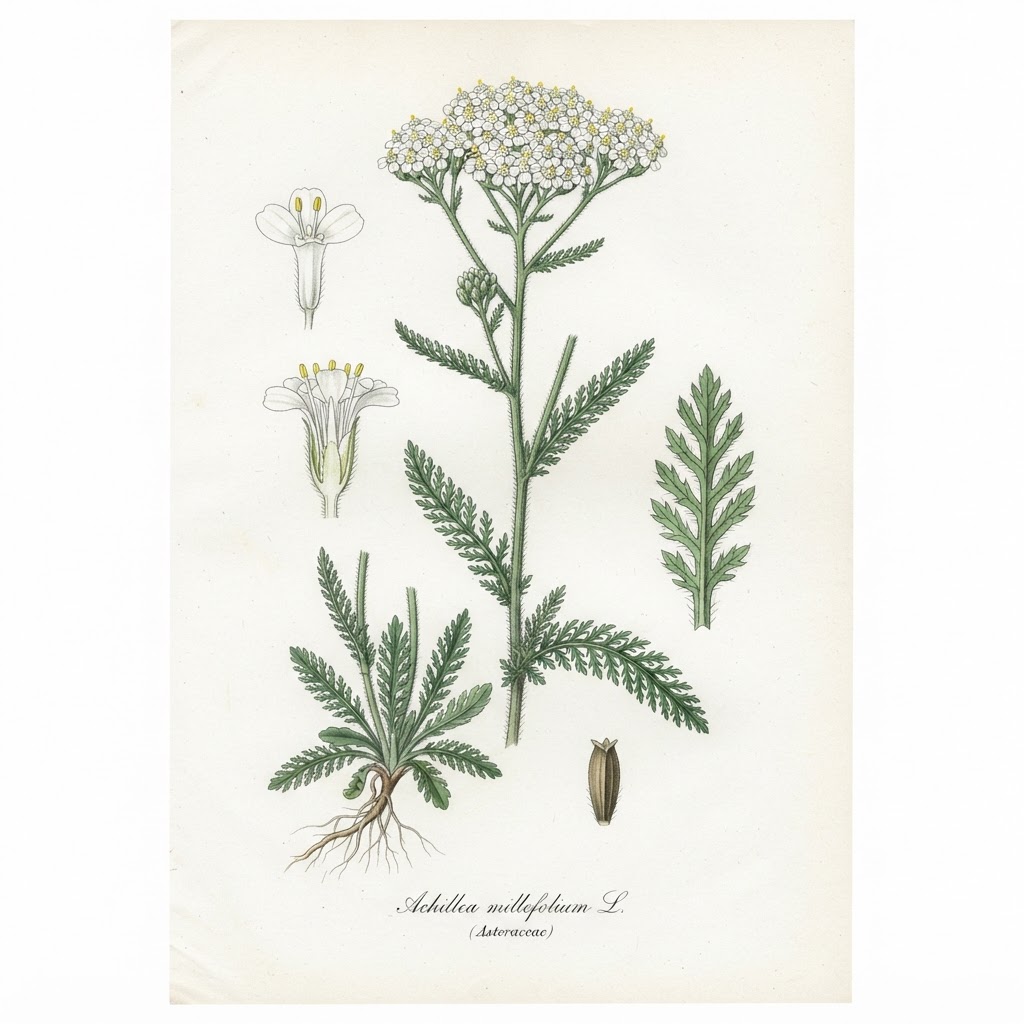
Yarrow

Yarrow

Achillea millefolium

Digestive Tonic
Calendula

Calendula

Calendula officinalis

Lymphatic Support